Why You’ll Love This Soft Boiled Eggs
Looking for a simple yet satisfying meal that comes together in minutes? Soft boiled eggs might just become your new go-to! This delightful dish offers the perfect balance of convenience, nutrition, and flavor that works for any meal of the day.
What makes these soft boiled eggs so special? First, the ease of preparation is unmatched. With just a handful of ingredients and about 12 minutes total time, you can have a protein-packed dish on your table. This makes it ideal for busy mornings when you need something nutritious in a hurry, or for a quick lunch that will keep you fueled throughout the afternoon.
Nutritionally, soft boiled eggs pack quite a punch. They provide high-quality protein, essential vitamins, and minerals like vitamin D and choline. Unlike other cooking methods that might degrade some nutrients, the gentle cooking approach of soft boiling preserves these health benefits, giving you more nutritional value in every bite. To learn more about the nutritional benefits of eggs, you can visit this comprehensive guide on egg nutrition.
The versatility of soft boiled eggs is another reason they shine in any kitchen. They adapt beautifully to your dietary preferences whether you’re following a keto plan, counting macros, or simply looking for gluten-free options. Serve them plain for breakfast, slice them over salads for lunch, or use them as a topping for grain bowls for dinner. No matter how you enjoy them, they deliver consistent flavor and satisfaction.
“The unique combination of tender whites and runny yolks creates an experience that elevates simple ingredients into something truly special.”
Jump to:
- Why You’ll Love This Soft Boiled Eggs
- Essential Ingredients for Soft Boiled Eggs
- Main Ingredients
- Special Dietary Options
- How to Prepare the Perfect Soft Boiled Eggs: Step-by-Step Guide
- Preparation
- Timing Details
- Dietary Substitutions to Customize Your Soft Boiled Eggs
- Protein and Main Component Alternatives
- Vegetable, Sauce, and Seasoning Modifications
- Mastering Soft Boiled Eggs: Advanced Tips and Variations
- Pro Cooking Techniques
- Flavor Variations
- Presentation Tips and Make-Ahead Options
- How to Store Soft Boiled Eggs: Best Practices
- Refrigeration Guidelines
- Freezing Considerations
- Reheating Instructions
- Meal Prep Strategies
- FAQs: Frequently Asked Questions About Soft Boiled Eggs
- How long should I cook eggs to get the perfect soft boiled texture?
- What is the best method to peel soft boiled eggs without breaking them?
- Can I cook soft boiled eggs ahead of time and reheat them?
- Why do some soft boiled eggs have a green ring around the yolk?
- What are some simple ways to serve soft boiled eggs for breakfast?
- soft boiled eggs
- Ingredients
- Instructions
- Last Step:
- Notes
- Nutrition
- Did you make this recipe?
Essential Ingredients for Soft Boiled Eggs
The beauty of making soft boiled eggs lies in their simplicity. You only need a few basic ingredients to achieve that perfect texture with a creamy, runny yolk that makes every bite delightful.
Main Ingredients
For the perfect soft boiled eggs, gather these ingredients:
- 2-4 large eggs (about 50g each)
- Salt, to taste (≈½ tsp for seasoning)
- Freshly ground black pepper, to taste (≈¼ tsp)
- Water for boiling (enough to cover the eggs by ~2cm; ~1L for a medium saucepan)
- Ice and additional cold water for an ice bath (≈500ml water + ½cup ice)
Special Dietary Options
Whether you have specific dietary restrictions or preferences, you can still enjoy a version of this recipe:
- Vegan: Use plant-based egg substitutes such as tofu or chickpea flour blends to achieve similar protein content while maintaining a soft, tender texture.
- Gluten-free: The basic soft boiled egg recipe is naturally gluten-free, making it suitable without any substitutions for those with gluten sensitivities.
- Low-calorie: Opt for egg whites only or use smaller eggs to reduce calorie intake while still maintaining a good source of protein in your diet.
With just these simple ingredients, you’re ready to create a perfectly cooked soft boiled egg that delivers on both taste and nutrition. The key is using fresh eggs and having your timing just right a combination we’ll explore in the next section.
How to Prepare the Perfect Soft Boiled Eggs: Step-by-Step Guide
The secret to mastering soft boiled eggs lies in precision and timing. Follow these steps exactly, and you’ll be rewarded with eggs that have perfectly set whites and gloriously runny yolks every single time.
Preparation
Start by setting up your workspace. You’ll need a medium saucepan, a slotted spoon, a large bowl, and a timer. Having everything ready makes the process smooth and stress-free.
- Fill a medium saucepan with the water (enough to cover eggs by ~2cm) and bring it to a gentle boil over medium-high heat.
- Reduce the heat so the water is just simmering (small bubbles). Using a slotted spoon, lower the eggs carefully into the water.
- Simmer the eggs for 7 minutes for a set white and a slightly creamy yolk (reduce to 6 minutes for a runnier center).
- While the eggs cook, prepare an ice bath: combine the cold water and ice in a large bowl.
- When the timer ends, lift the eggs with the slotted spoon and immediately transfer them to the ice bath. Let them sit for at least 3 minutes to stop cooking and firm the shells.
- Gently tap each egg on a hard surface, roll to crack the shell, and peel using a spoon or your fingers.
- Season the peeled eggs with salt and freshly ground pepper before serving.
Timing Details
Let’s break down the timing for this recipe, as precise timing is crucial for perfect soft boiled eggs:
| Step | Time Required |
|---|---|
| Preparation | 5 minutes (boiling water + ice bath) |
| Cooking | 6-7 minutes |
| Cooling | At least 3 minutes |
| Total Time | ≈12 minutes (including cooling) |
Remember, the total time from start to finish is roughly 12 minutes, including the cooling period that makes peeling easier and stops the cooking process. For a visual demonstration of this technique, you can check out this guide to perfect soft boiled eggs.
Once you’ve mastered the basic technique, you might want to explore our simple breakfast recipes that pair wonderfully with soft boiled eggs. The combination possibilities are endless!

Dietary Substitutions to Customize Your Soft Boiled Eggs
Soft boiled eggs are naturally versatile, but you can further adapt this recipe to meet various dietary needs or simply to add variety to your meals.
Protein and Main Component Alternatives
Depending on your dietary preferences or restrictions, consider these substitutions:
- For vegetarian or vegan diets, substitute with firm tofu slices or seasoned chickpea scramble to mimic the protein and texture of soft boiled eggs.
- For enhanced flavor and nutrition, use organic or free-range eggs, which often have more vibrant yolks and richer taste due to the hens’ varied diet.
- Those looking to reduce cholesterol might opt for egg white soft boils though the yolk won’t be present, you can still achieve a tender white with a similar cooking technique.
Vegetable, Sauce, and Seasoning Modifications
Elevate your soft boiled eggs with these additions that complement their flavor while accommodating various dietary needs:
- Boost the nutrient content by adding steamed asparagus, sautéed spinach, or avocado slices alongside your eggs. These additions work especially well for those following low-carb or keto lifestyles.
- Seasoning variations can transform your dish completely. Try swapping traditional salt with Himalayan pink salt, smoked sea salt, or flavored salts to diversify your taste experience.
- For an umami kick without gluten, incorporate low-sodium soy sauce or gluten-free tamari. This adds depth of flavor while keeping your dish suitable for gluten-sensitive individuals.
- Those on specific health diets might enjoy adding anti-inflammatory spices like turmeric, a pinch of cayenne, or immune-boosting herbs like thyme and rosemary to their soft boiled eggs.
“These alternatives maintain the essence of soft boiled eggs while accommodating various dietary needs and taste preferences, ensuring a balanced and enjoyable meal tailored just for you.”
Remember that the cooking method itself is already diet-friendly requiring minimal added fats and staying true to the natural goodness of the egg. By adjusting your pairings and seasonings, you can create a meal that fits perfectly within your dietary plan without sacrificing satisfaction or taste.
Mastering Soft Boiled Eggs: Advanced Tips and Variations
Once you’ve mastered the basic technique for making soft boiled eggs, you can elevate your results with these advanced tips and creative variations that will perfect your technique and impress your family or guests.
Pro Cooking Techniques
These professional methods will take your soft boiled eggs from good to exceptional:
- Use an instant-read thermometer to maintain consistent water temperature at around 190°F for flawless soft boiled eggs every time. This precision ensures consistent results regardless of your stovetop’s heat output.
- Try steaming eggs instead of boiling for gentler cooking. This method surrounds the eggs with steam rather than submerging them in water, reducing the risk of cracking and sometimes making peeling easier.
- Start with room temperature eggs for more consistent cooking. Cold eggs straight from the refrigerator can lower the water temperature and affect cooking times. Let them sit out for about 30 minutes before cooking.
- Pierce the rounded end of each egg with a pin before boiling. This technique releases air and can prevent the eggs from cracking while cooking while also making peeling easier when done.
Flavor Variations
Transform your soft boiled eggs with these exciting flavor profiles:
- For an earthy, smoky flavor, sprinkle with smoked paprika and a dash of truffle oil before serving.
- Mediterranean-style eggs shine when topped with fresh herbs like chives, dill, and parsley, along with a drizzle of extra virgin olive oil.
- Japanese-inspired variations include soy sauce and sesame seeds, or for more complexity, a dollop of furikake seasoning.
- Create a spicy version by adding chili flakes, cayenne pepper, or a sprinkle of Everything Bagel seasoning for both heat and textural contrast.
Key Tips & Tricks for Perfect Results
- Keep the water at a gentle simmer (not a rolling boil) to avoid cracking shells and ensure even cooking.
- The ice bath is essential not just for stopping cooking, but also for creating a barrier between the egg and shell that makes peeling dramatically easier.
- Experiment with timing in 30-second increments to find your perfect consistency. Some people prefer 6 minutes for a very runny yolk, while others might prefer 7.5 minutes for a slightly firmer, jam-like consistency.
Presentation Tips and Make-Ahead Options
Even a simple dish like soft boiled eggs can be presented beautifully:
- Serve soft boiled eggs halved in eggcups with the tops sliced off for dipping toast points a classic presentation that never goes out of style.
- Arrange halves or quarters on a bed of microgreens or watercress with a sprinkle of coarse sea salt and cracked pepper for visual appeal.
- For meal prep, you can cook eggs slightly undercooked, then refrigerate them in ice water. Reheat briefly in hot water before serving to preserve that creamy yolk texture during busy schedules.
- If packing for lunch, keep peeled eggs in a sealed container with a damp paper towel to prevent drying, and pack seasonings separately to add just before eating.
How to Store Soft Boiled Eggs: Best Practices
Knowing how to properly store your soft boiled eggs is essential for food safety and maintaining quality. Unlike hard-boiled eggs that last longer, soft boiled eggs require more careful handling due to their partially liquid yolk.
Refrigeration Guidelines
Proper refrigeration is key to preserving your soft boiled eggs:
- Store peeled or unpeeled soft boiled eggs in an airtight container in the refrigerator for up to two days. This maintains freshness while ensuring food safety.
- If storing unpeeled, leave the eggs in their shells to protect the delicate whites and maintain moisture levels in the refrigerator.
- For peeled eggs, place them in a container with a slightly damp paper towel to prevent them from drying out in the refrigerator.
- Always label your container with the preparation date to track freshness, as soft boiled eggs have a shorter shelf life than their harder-cooked counterparts.
Freezing Considerations
When it comes to freezing, soft boiled eggs present some challenges:
Freezing is not recommended for soft boiled eggs because the process dramatically alters the texture. The frozen and thawed whites become rubbery and unpleasant, while once-creamy yolks turn chalky and crumbly. If you need to prepare eggs in advance, it’s better to refrigerate them for up to 48 hours rather than attempting to freeze them.
Reheating Instructions
To maintain the perfect texture when reheating your soft boiled eggs:
- Reheat by placing refrigerated eggs in hot (not boiling) water for 1-2 minutes. This gently warms the egg without overcooking or drying out the delicate white.
- Avoid microwaving, as this causes uneven heating and can toughen the whites while making yolks rubbery or even explode if not handled carefully.
- For the best results, enjoy soft boiled eggs fresh when possible, as reheating always carries some risk of diminishing their perfect texture.
Meal Prep Strategies
If you’re planning to include soft boiled eggs in your weekly meal prep:
- For batch cooking, keep eggs unpeeled and cool them immediately after cooking. This preserves quality when used within 48 hours.
- Consider cooking larger batches of eggs slightly underdone (perhaps by 30 seconds), as the residual heat will continue cooking very slightly while they cool.
- Store different components separately eggs in one container, seasonings in another, and any accompaniments packed separately to maintain optimal texture and freshness until serving time.
“The key to enjoying soft boiled eggs beyond the first day is respecting their delicate nature and handling them with care during storage and reheating.”
FAQs: Frequently Asked Questions About Soft Boiled Eggs
How long should I cook eggs to get the perfect soft boiled texture?
What is the best method to peel soft boiled eggs without breaking them?
Can I cook soft boiled eggs ahead of time and reheat them?
Why do some soft boiled eggs have a green ring around the yolk?
What are some simple ways to serve soft boiled eggs for breakfast?
soft boiled eggs
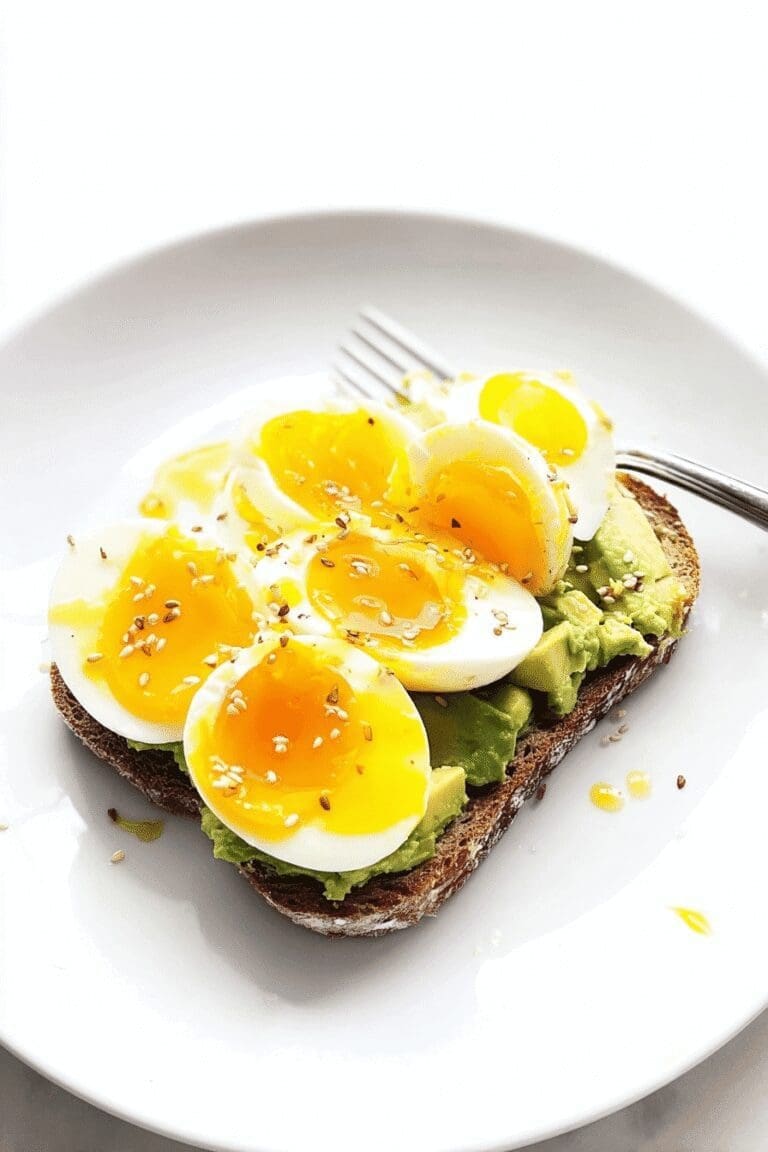
🥚 Soft‑boiled eggs give you a perfectly tender yolk that’s creamy yet set, ideal for breakfast or a light snack.
⏱️ Ready in just about 12 minutes, this simple method ensures consistent results every time.
- Total Time: 12 minutes
- Yield: 2–4 soft boiled eggs
Ingredients
– 2-4 large eggs (about 50g each)
– ≈½ tsp Salt for seasoning
– ≈¼ tsp Freshly ground black pepper
– ~1L Water for boiling
– ≈500ml water + ½cup ice Ice and additional cold water for an ice bath
Instructions
1-Fill a medium saucepan with the water (enough to cover eggs by ~2cm) and bring it to a gentle boil over medium-high heat.
2-Reduce the heat so the water is just simmering (small bubbles). Using a slotted spoon, lower the eggs carefully into the water.
3-Simmer the eggs for 7 minutes for a set white and a slightly creamy yolk (reduce to 6 minutes for a runnier center).
4-While the eggs cook, prepare an ice bath: combine the cold water and ice in a large bowl.
5-When the timer ends, lift the eggs with the slotted spoon and immediately transfer them to the ice bath. Let them sit for at least 3 minutes to stop cooking and firm the shells.
6-Gently tap each egg on a hard surface, roll to crack the shell, and peel using a spoon or your fingers.
7-Season the peeled eggs with salt and freshly ground pepper before serving.
Last Step:
Please leave a rating and comment letting us know how you liked this recipe! This helps our business to thrive and continue providing free, high-quality recipes for you.Notes
🚿 Keep the water at a gentle simmer to avoid cracking the shells.
❄️ The ice bath is essential for easy peeling and to halt further cooking.
⏲️ Adjust the cooking time in 30‑second increments if you prefer a firmer or softer yolk.
- Prep Time: 5 minutes
- Cooling time: 3 minutes
- Cook Time: 7 minutes
- Category: Breakfast
- Method: Boiling
- Cuisine: American
- Diet: Vegetarian
Nutrition
- Serving Size: 1 egg
- Calories: 78 kcal
- Sugar: 0.6 g
- Sodium: 62 mg
- Fat: 5 g
- Saturated Fat: 1.6 g
- Carbohydrates: 0.6 g
- Fiber: 0 g
- Protein: 6 g
- Cholesterol: 186 mg