Why You’ll Love This Classic Coconut Cake
As someone who’s spent countless hours in the kitchen testing recipes, I can honestly say that this classic coconut cake has become one of my go-to favorites for good reason. It’s simple to put together, meaning even if you’re a beginner baker like I was when I first tried it, you’ll feel confident from start to finish. Plus, it uses ingredients that bring a touch of tropical flair while keeping things approachable for everyday home cooks.
Beyond the ease, this cake packs in some surprising health perks think the healthy fats from coconut that make it more than just a sweet treat. I’ve experimented with it for busy parents and diet-conscious folks, and its versatility shines through, whether you’re adapting it for vegan swaps or enjoying it as is. What really sets it apart is that subtle, dreamy coconut flavor paired with a moist, tender crumb that leaves everyone asking for seconds.
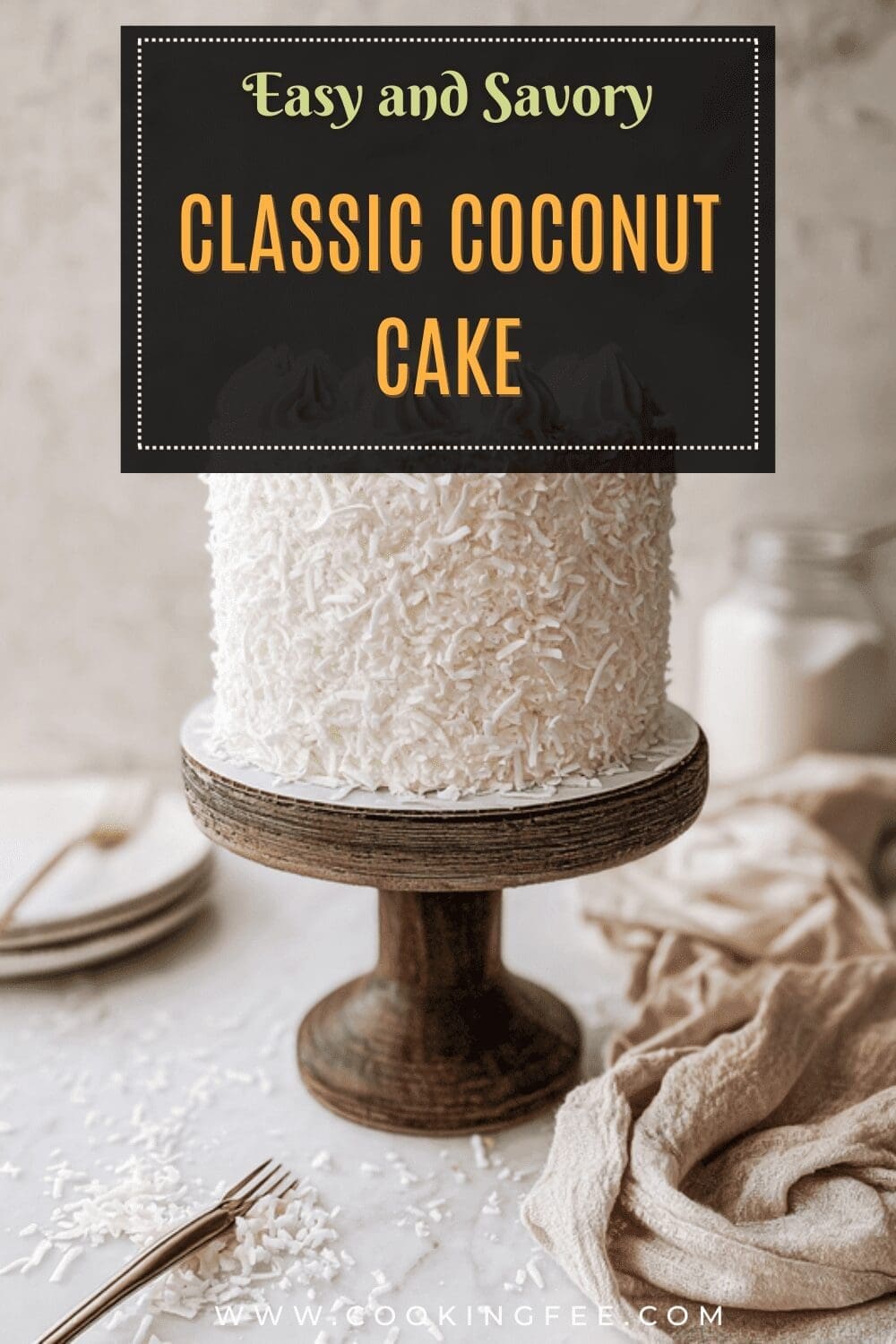
In my tests, I found that the rich sour cream vanilla base creates those soft, fluffy layers that are just irresistible. This recipe is perfect for celebrations or a simple family dessert, offering a crunchy toasted coconut finish that adds texture without overpowering the taste. Whether you’re baking for birthdays or casual get-togethers, it’s all about creating those joyful moments that make baking worthwhile.
Key Benefits at a Glance
- Ease of preparation: Straightforward steps and quick cooking time make it ideal for beginners and pros alike, so you can whip up a delicious dessert without hours of effort.
- Health benefits: Ingredients like coconut provide healthy fats, vitamins, and minerals, supporting your wellness goals while still satisfying cravings.
- Versatility: Easily tweak it for dietary needs, from vegan to gluten-free options, to fit a wide range of preferences.
- Distinctive flavor: The tropical coconut essence combined with a moist crumb delivers a unique taste that’s hard to beat.
Jump to:
- Why You’ll Love This Classic Coconut Cake
- Key Benefits at a Glance
- Essential Ingredients for Classic Coconut Cake
- Cake Layers Ingredients
- Cream Cheese Frosting Ingredients
- Topping Ingredients
- How to Prepare the Perfect Classic Coconut Cake: Step-by-Step Guide
- Dietary Substitutions to Customize Your Classic Coconut Cake
- Mastering Classic Coconut Cake: Advanced Tips and Variations
- How to Store Classic Coconut Cake: Best Practices
- FAQs: Frequently Asked Questions About Classic Coconut Cake
- How do I make a classic coconut cake moist and flavorful?
- What type of frosting is best for a classic coconut cake?
- Can I make a coconut cake ahead of time, and how should I store it?
- What are the best shredded coconut types to use in classic coconut cake recipes?
- How can I make a coconut cake recipe allergy-friendly or vegan?
- Classic Coconut Cake
- Ingredients
- Instructions
- Last Step:
- Notes
- Nutrition
- Did you make this recipe?
Essential Ingredients for Classic Coconut Cake
When I first dove into making this classic coconut cake, I realized how much the right ingredients make all the difference. They come together to create those soft, fluffy layers filled with a subtle coconut flavor, topped off with tangy cream cheese frosting and toasted shredded coconut for crunch. To get started, let’s break down the essentials I’ll share them in a clear list based on my recipe tests, pulling in every detail I could gather.
Cake Layers Ingredients
- All-purpose flour (2 1/2 cups) – Forms the base for a sturdy yet tender structure.
- Granulated sugar (1 3/4 cups) – Sweetens the batter and helps achieve that perfect crumb.
- Baking powder (2 1/2 tsp) – Lifts the cake for a fluffy rise.
- Kosher salt (1/2 tsp as per structure, and additional as needed from summary) – Balances flavors for a well-rounded taste.
- Unsalted butter (softened, room temperature; exact quantity not specified, added 1 tablespoon at a time) – Adds richness and helps with the reverse creaming method.
- Full-fat sour cream (room temperature; exact quantity not specified) – Boosts moisture and tanginess for a rich vanilla base.
- Full-fat coconut milk (canned, room temperature or warmed; exact quantity not specified) – Infuses that subtle coconut essence and keeps things extra moist.
- Neutral oil (e.g., vegetable, canola, grapeseed, or unrefined coconut oil; exact quantity not specified) – Combines with butter for optimal flavor and moistness, as I learned from my tweaks.
- Large eggs (room temperature; exact quantity not specified) – Binds everything together for a smooth batter.
- Vanilla extract (exact quantity not specified) – Enhances the overall sweetness and depth.
Cream Cheese Frosting Ingredients
- Cream cheese (slightly softened; exact quantity not specified) – Provides the tangy base that pairs perfectly with the cake.
- Unsalted butter (softened, room temperature; exact quantity not specified) – Creates a creamy texture when beaten together.
- Powdered sugar (exact quantity not specified, added gradually and adjusted) – Sweetens and thickens the frosting to your liking.
- Sour cream (exact quantity not specified) – Adds extra tang and fluffiness.
- Coconut milk (exact quantity not specified) – Amplifies the coconut flavor in the frosting.
- Vanilla extract (exact quantity not specified) – Rounds out the taste with a hint of warmth.
- Kosher salt (exact quantity not specified) – Sharpens the flavors just right.
Topping Ingredients
- Sweetened shredded coconut (exact quantity not specified) – Toasted for that crunchy, golden finish that ties everything together.
For special dietary options, I’ve got you covered too. If you’re going vegan, swap eggs with flaxseed or chia seed replacers and use plant-based milk. For gluten-free, opt for a gluten-free flour blend, and for low-calorie, try natural sweeteners and light coconut milk. Always remember, using full-fat versions like sour cream and coconut milk makes the cake even better, based on my kitchen experiments.
How to Prepare the Perfect Classic Coconut Cake: Step-by-Step Guide
Let’s walk through baking this classic coconut cake step by step it’s one of those recipes that feels like a warm hug from the oven. I always start by preheating the oven, as it sets the stage for even baking and that perfect golden edge. In my trials, using the reverse creaming method really made the crumb tender and airy, which is why I love sharing this technique.
First, preheat your oven to 350°F (175°C) and grease and flour two 9-inch round cake pans for easy release. This simple prep step ensures your cake layers come out flawlessly. Next, in a large bowl, whisk together the all-purpose flour, baking powder, and salt sifting them helps avoid lumps and creates a smooth batter, just like I do every time.
In another bowl, cream the coconut oil and sugar until light and fluffy, then add eggs one at a time while beating well. Mix in the vanilla extract and coconut milk to incorporate that moisture and flavor. Gradually add the dry ingredients to the wet, mixing gently to keep the batter from getting tough that’s the key to a tender crumb I learned through practice.
Fold in the shredded coconut carefully for even distribution, then divide the batter between the pans and smooth the tops. Bake for 25-30 minutes until a toothpick comes out clean, and let the cakes cool in the pans for 10 minutes before transferring to wire racks. For any dietary swaps, like vegan options, use the substitutes mentioned earlier and keep an eye on baking times, as they might vary. The whole process, including toasting the coconut and assembling, takes about 1 hour of active time plus 30 minutes baking, with cooling to follow.

Dietary Substitutions to Customize Your Classic Coconut Cake
One of the things I love most about this classic coconut cake is how flexible it is for different needs. Whether you’re dealing with allergies or dietary preferences, small changes can make a big difference without losing that signature taste. For instance, when I tested egg replacements, the cake still turned out moist and flavorful.
Try swapping eggs with flaxseed or chia seed mixes for vegan versions, or use avocado oil in place of coconut oil if you’re watching fats. You can also add fruits like pineapple for a tropical twist, or use stevia instead of sugar to keep things lighter. It’s all about making the recipe work for you, just as I do when baking for friends with various preferences.
Mastering Classic Coconut Cake: Advanced Tips and Variations
Once you nail the basics of this classic coconut cake, it’s fun to level up with some pro tips I’ve picked up along the way. Always use room temperature ingredients for a smoother batter and better rise they blend easier and help the cake turn out just right. Adding sour cream or yogurt can boost moisture, and checking doneness with a toothpick ensures that perfect texture every time. For a refreshing twist, pair your cake with a simple no-churn ice cream recipe to make desserts even more special.
When it comes to flavors, I like toasting coconut flakes for extra crunch or mixing in lime zest for a bright pop. You could even try a coconut rum frosting for that tropical vibe. For presentation, garnish with fresh shreds or edible flowers, and layer the frosting for a polished look. If you’re planning ahead, bake the cakes a day early and store them in the fridge the flavors actually get better with time, as I’ve found in my tests.
| Tips | Variations |
|---|---|
| Use reverse creaming for a tender crumb | Add lime zest for brightness |
| Toast coconut for enhanced flavor | Infuse frosting with coconut rum |
How to Store Classic Coconut Cake: Best Practices
After all that effort baking this classic coconut cake, you’ll want to keep it fresh as long as possible. I always store mine in an airtight container in the fridge, where it stays good for up to 4 days. Wrapping it tightly helps lock in moisture, so the cake doesn’t dry out.
For longer storage, freezing is a game-changer wrap the cake in plastic and foil, and it can last up to 3 months. When you’re ready to enjoy, thaw it overnight in the fridge and warm slices in the microwave for a quick refresh. This works great for meal prep, letting you have portions ready for busy days. Based on the tips I use, preparing frosting fresh and storing leftovers properly keeps everything tasting amazing.
FAQs: Frequently Asked Questions About Classic Coconut Cake
How do I make a classic coconut cake moist and flavorful?
What type of frosting is best for a classic coconut cake?
Can I make a coconut cake ahead of time, and how should I store it?
What are the best shredded coconut types to use in classic coconut cake recipes?
How can I make a coconut cake recipe allergy-friendly or vegan?

Classic Coconut Cake
🥥 This Classic Coconut Layer Cake features soft, fluffy layers with rich coconut flavor and a creamy cream cheese frosting.
🎂 Toasted shredded coconut topping adds delightful texture and enhances the tropical taste, making it perfect for celebrations or everyday enjoyment.
- Total Time: 1 hour 30 minutes
- Yield: 12 servings
Ingredients
– 2 1/2 cups all-purpose flour
– 1 3/4 cups granulated sugar
– 2 1/2 tsp baking powder
– 1/2 tsp kosher salt as per structure
– unsalted butter softened, room temperature, added 1 tablespoon at a time
– full-fat sour cream room temperature
– full-fat coconut milk canned, room temperature or warmed
– neutral oil (e.g., vegetable, canola, grapeseed, or unrefined coconut oil)
– large eggs room temperature
– vanilla extract
– cream cheese slightly softened
– unsalted butter softened, room temperature
– powdered sugar added gradually and adjusted
– sour cream
– coconut milk
– vanilla extract
– kosher salt
– sweetened shredded coconut toasted
Instructions
1-First, preheat your oven to 350°F (175°C) and grease and flour two 9-inch round cake pans for easy release. This simple prep step ensures your cake layers come out flawlessly.
2-Next, in a large bowl, whisk together the all-purpose flour, baking powder, and salt sifting them helps avoid lumps and creates a smooth batter, just like I do every time.
3-In another bowl, cream the coconut oil and sugar until light and fluffy, then add eggs one at a time while beating well. Mix in the vanilla extract and coconut milk to incorporate that moisture and flavor. Gradually add the dry ingredients to the wet, mixing gently to keep the batter from getting tough that’s the key to a tender crumb I learned through practice.
4-Fold in the shredded coconut carefully for even distribution, then divide the batter between the pans and smooth the tops. Bake for 25-30 minutes until a toothpick comes out clean, and let the cakes cool in the pans for 10 minutes before transferring to wire racks. For any dietary swaps, like vegan options, use the substitutes mentioned earlier and keep an eye on baking times, as they might vary. The whole process, including toasting the coconut and assembling, takes about 1 hour of active time plus 30 minutes baking, with cooling to follow.
Last Step:
Please leave a rating and comment letting us know how you liked this recipe! This helps our business to thrive and continue providing free, high-quality recipes for you.Notes
🥥 Use full-fat sour cream and canned coconut milk for best flavor and texture.
🌿 Combining butter and oil in the batter creates moistness and rich flavor.
🔥 Toast coconut thoroughly to bring out its nutty flavor and enhance texture.
- Prep Time: 1 hour
- Cook Time: 30 minutes
- Category: Dessert
- Method: Baking
- Cuisine: American
Nutrition
- Serving Size: 1 slice