Why You’ll Love This Brown Butter
You might wonder what makes brown butter so special for your home kitchen. It’s simple, quick, and transforms ordinary butter into a flavorful gem that elevates everything from cakes to savory dishes. Let’s break down a few key reasons this technique fits right into your baking routine.
- Ease of preparation: Brown butter comes together in just about 10 minutes with minimal steps, making it perfect for busy parents or working professionals who want a fast win in the kitchen. You only need basic tools and a watchful eye, so it’s ideal for students or beginners just starting out. This approach keeps things straightforward and avoids overwhelming even the most time-pressed bakers.
- Health aspects: While browning butter reduces some moisture, it still retains most of its nutritional value, offering a hint of wellness for diet-conscious individuals. The process creates a nutty depth without adding extra calories, allowing you to enjoy richer flavors in your meals or treats. Plus, it’s versatile for those watching their intake, as you can adjust for lighter options in recipes.
- Versatility: This brown butter technique works wonders in a variety of dishes, from sweet baking like cookies and frostings to savory options such as pasta or vegetables. It’s adaptable for different dietary needs, like vegan swaps, and suits everyone from food enthusiasts to celebration planners. Whether you’re a senior looking for easy tweaks or a newlywed experimenting in the kitchen, it adds a flexible flair to your meals.
- Distinctive flavor: The nutty, bold taste from caramelized milk solids sets brown butter apart, giving your recipes a gourmet touch without much effort. It’s like unlocking a secret ingredient that enhances everything it touches, making it a go-to for baking enthusiasts. You’ll love how it brings depth to classic Southern favorites or elegant cakes, turning simple bakes into memorable moments.
This method isn’t just about cooking; it’s about adding joy to your daily routine. By using brown butter, you’re embracing a simple hack that can make your dishes stand out, much like how a simple no-churn ice cream recipe can elevate desserts with ease.
Jump to:
- Why You’ll Love This Brown Butter
- Essential Ingredients for Brown Butter
- Main Ingredients
- Special Dietary Options
- How to Prepare the Perfect Brown Butter: Step-by-Step Guide
- First Step: Gather Your Tools
- Second Step: Melt the Butter
- Third Step: Watch for Changes
- Fourth Step: Remove and Cool
- Fifth Step: Use or Store
- Dietary Substitutions to Customize Your Brown Butter
- Protein and Main Component Alternatives
- Vegetable, Sauce, and Seasoning Modifications
- Mastering Brown Butter: Advanced Tips and Variations
- Pro Cooking Techniques
- Flavor Variations
- Presentation Tips
- Make-Ahead Options
- How to Store Brown Butter: Best Practices
- Refrigeration Guidelines
- Freezing Options
- Reheating Techniques
- Meal Prep Considerations
- FAQs: Frequently Asked Questions About Brown Butter
- What is brown butter and how is it made?
- What causes the brown specks in brown butter?
- Can I substitute regular melted butter with brown butter in recipes?
- How should I store brown butter if I want to make it ahead?
- What tips help prevent burning when making brown butter?
- Brown Butter
- Ingredients
- Instructions
- Last Step:
- Notes
- Did you make this recipe?
Essential Ingredients for Brown Butter
Main Ingredients
- 1/2 cup (8 tablespoons; 113 grams) butter, cut into 1-tablespoon pieces: This is the star of the show, providing the rich base that browns beautifully and adds a nutty flavor to your recipes. Choose salted or unsalted based on what your dish needs for a perfect balance.
- Light-colored pan or skillet: Essential for monitoring the browning process, this tool helps you see color changes clearly and prevents burning, ensuring even results every time.
Special Dietary Options
- Vegan: Swap regular butter with a plant-based alternative like vegan butter or margarine made from oils; this keeps the browning effect while making the recipe suitable for those avoiding animal products.
- Gluten-free: Brown butter itself is naturally gluten-free, so no changes are needed here, but always check that your butter is from a gluten-free source if cross-contamination is a concern.
- Low-calorie: Use a reduced-fat butter option to cut calories without losing the essence, though keep in mind it might affect the browning time and final flavor slightly.
These ingredients form the foundation of your brown butter, and they’re easy to source for travelers or busy folks. By using variations like these, you can adapt how to make brown butter to fit your lifestyle while keeping that signature browning butter technique intact.
How to Prepare the Perfect Brown Butter: Step-by-Step Guide
First Step: Gather Your Tools
Start by getting everything ready to make the process smooth. Prepare a heatproof bowl for pouring the browned butter once it’s done, as this stops the cooking right away. Cut your butter into small, even pieces for quick and uniform melting, which helps avoid any hot spots in the pan.
Second Step: Melt the Butter
Place the butter pieces in a light-colored pan over medium heat. This setup lets you keep an eye on the changes, just like in a brown butter recipe that ensures perfect results. Stir continuously from the start to promote even cooking and prevent the milk solids from sticking.
Third Step: Watch for Changes
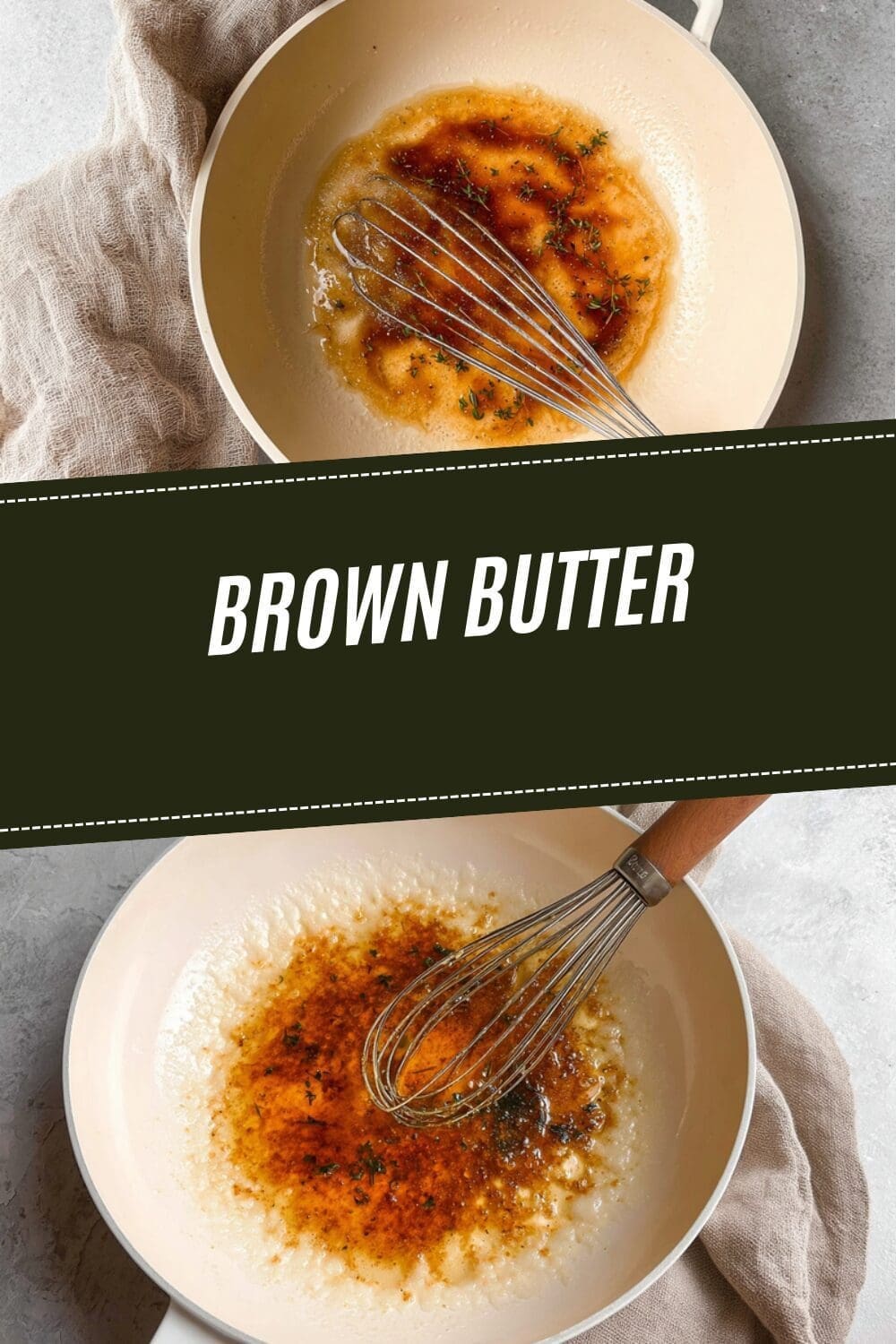
As the butter melts, it will foam and sizzle, which is a key part of the beurre noisette process. Keep stirring for about 5 to 8 minutes until it turns golden brown and the milk solids at the bottom toast up, releasing that rich nutty aroma. This step is crucial for creating what is brown butter’s distinctive flavor, so stay attentive to avoid burning.
Fourth Step: Remove and Cool
Once you see the golden color and smell the nutty scent, immediately take the pan off the heat and pour the butter into your heatproof bowl. This quick action prevents over-browning and locks in the flavor, making it ready for uses like brown butter for baking or even brown butter pasta. For dietary tweaks, use unsalted butter if you’re aiming for a low-sodium version.
Fifth Step: Use or Store
After pouring, let the brown butter cool if you’re not using it right away, or incorporate it into your recipe immediately for the best results. The total time is just 10 minutes, with 1 minute prep and 10 minutes cook, fitting perfectly into a busy schedule. If adapting what is brown butter for cookies or frostings, measure it post-cooking to account for moisture loss.
Brown butter can enhance baked goods like hummingbird cake or red velvet, adding depth that makes every slice special. For a faster option, try browning butter in the microwave using a glass bowl, stirring every 30 seconds to monitor progress and prevent issues like how to prevent butter from burning.
| Step | Time Estimate | Tips |
|---|---|---|
| Gather Tools | 1 minute | Use a light-colored pan for clear visibility |
| Melt Butter | 2-3 minutes | Stir constantly for even heat |
| Watch for Browning | 5-8 minutes | Check for nutty aroma |
| Remove and Cool | 1 minute | Pour into bowl immediately |
This guide shows how versatile brown butter can be, whether you’re making brown butter sauce or using it in everyday recipes. It’s a simple way to boost flavors for food enthusiasts and special occasion hosts alike.

Dietary Substitutions to Customize Your Brown Butter
Protein and Main Component Alternatives
If you’re adjusting the main ingredient, consider swapping butter for a plant-based version to keep things vegan-friendly. For those with dairy sensitivities, a lactose-free butter alternative works well and still browns nicely. These changes help busy parents or working professionals adapt browning butter without losing that nutty taste.
Vegetable, Sauce, and Seasoning Modifications
Try adding fresh herbs or spices after browning to create flavored sauces, like mixing in lemon juice for a zesty twist. For low-calorie options, reduce the butter amount and pair with veggies in dishes like brown butter pasta. Seniors or travelers might prefer milder seasonings to suit different tastes, making brown butter technique even more flexible.
These tweaks ensure brown butter for baking stays inclusive, covering options from gluten-free to low-fat versions as mentioned in the summary.
Mastering Brown Butter: Advanced Tips and Variations
Pro Cooking Techniques
To get the best results, always cut butter into small pieces for even melting, as this promotes uniform browning. Use medium heat in a light-colored pan to watch the progress closely, helping you avoid common pitfalls like scorching. For a quicker method, browning butter in the microwave offers a handy alternative, letting you stir and monitor in short bursts.
Flavor Variations
Experiment by adding ingredients like lemon juice or spices right after browning to make unique sauces for pasta or baked goods. You can also try it in recipes for brown butter frosting or cookies, enhancing the taste with its nutty profile. These variations suit baking enthusiasts looking to add a twist to classics like chocolate creations.
Presentation Tips
When using brown butter in cakes, drizzle it over for a polished look that impresses at celebrations. Pair it with a simple no-churn ice cream recipe for stunning desserts that delight your guests. For more ideas, check out how to brown butter effectively from trusted sources.
Make-Ahead Options
Prepare brown butter ahead and store it for up to five days in the fridge, making it easy for meal prep on busy days. Reheat gently on the stove to maintain quality, ideal for working professionals or families. This approach ties into the nutritional notes, where slight moisture loss is expected but doesn’t affect the flavor much.
How to Store Brown Butter: Best Practices
Refrigeration Guidelines
For short-term needs, keep brown butter in an airtight container in the fridge for up to five days to preserve its flavor. This method works well for daily use in baking or cooking, ensuring it stays fresh without much fuss.
Freezing Options
If you want to store it longer, freeze brown butter for up to three months in sealed bags, which is great for batch cooking. Thaw it in the fridge before reheating to keep the texture intact for your next recipe.
Reheating Techniques
To reheat, warm it gently on the stove or in the microwave, stirring to avoid any separation. This maintains the nutty essence, making it ready for uses like sauces or frostings as per the tips.
Meal Prep Considerations
For planners, measure and portion brown butter ahead, adjusting for moisture loss as noted. This helps in creating versatile ingredients for various dishes, fitting into routines for travelers or seniors.
FAQs: Frequently Asked Questions About Brown Butter
What is brown butter and how is it made?
What causes the brown specks in brown butter?
Can I substitute regular melted butter with brown butter in recipes?
How should I store brown butter if I want to make it ahead?
What tips help prevent burning when making brown butter?

Brown Butter
🧈 Brown Butter: A Simple Step-by-Step Guide for Perfect Results teaches you how to develop rich, nutty flavors in your cooking by caramelizing butter’s milk solids.
🍽️ This versatile technique enhances both sweet and savory dishes, elevating everyday recipes with minimal effort.
- Total Time: 10 minutes
Ingredients
– 1/2 cup (8 tablespoons; 113 grams) butter, cut into 1-tablespoon pieces
Instructions
1-First Step: Gather Your Tools Start by getting everything ready to make the process smooth. Prepare a heatproof bowl for pouring the browned butter once it’s done, as this stops the cooking right away. Cut your butter into small, even pieces for quick and uniform melting, which helps avoid any hot spots in the pan.
2-Second Step: Melt the Butter Place the butter pieces in a light-colored pan over medium heat. This setup lets you keep an eye on the changes, just like in a brown butter recipe that ensures perfect results. Stir continuously from the start to promote even cooking and prevent the milk solids from sticking.
3-Third Step: Watch for Changes As the butter melts, it will foam and sizzle, which is a key part of the beurre noisette process. Keep stirring for about 5 to 8 minutes until it turns golden brown and the milk solids at the bottom toast up, releasing that rich nutty aroma. This step is crucial for creating what is brown butter’s distinctive flavor, so stay attentive to avoid burning.
4-Fourth Step: Remove and Cool Once you see the golden color and smell the nutty scent, immediately take the pan off the heat and pour the butter into your heatproof bowl. This quick action prevents over-browning and locks in the flavor, making it ready for uses like brown butter for baking or even brown butter pasta. For dietary tweaks, use unsalted butter if you’re aiming for a low-sodium version.
5-Fifth Step: Use or Store After pouring, let the brown butter cool if you’re not using it right away, or incorporate it into your recipe immediately for the best results. The total time is just 10 minutes, with 1 minute prep and 10 minutes cook, fitting perfectly into a busy schedule. If adapting what is brown butter for cookies or frostings, measure it post-cooking to account for moisture loss.
Last Step:
Please leave a rating and comment letting us know how you liked this recipe! This helps our business to thrive and continue providing free, high-quality recipes for you.Notes
🧊 Cut butter into small pieces for even melting.
🎨 Use a light-colored pan to monitor the browning process.
🍳 Stir constantly to avoid burning and ensure even cooking.
- Prep Time: 1 minute
- Cook Time: 10 minutes
- Category: Cooking Technique
- Method: Sautéing