Why You’ll Love This Coconut Curry Shrimp
If you’re looking for a quick meal that brings the taste of the tropics to your table, coconut curry shrimp is a game-changer. This dish combines fresh shrimp with creamy coconut milk and aromatic spices for a flavor that feels like a vacation in a bowl. What makes it even better is how easy it is to whip up, leaving you more time to enjoy dinner with family.
Health benefits are another reason to try this recipe, as it’s loaded with protein from the shrimp and healthy fats from coconut milk. The spices not only add excitement to every bite but also offer anti-inflammatory perks. Whether you’re a busy parent or a food enthusiast, this coconut curry shrimp fits right into your routine without sacrificing taste.
Picture this: after a long day, you have a delicious coconut curry shrimp ready in under 30 minutes. It’s versatile, too, so you can tweak it for dietary needs or simply add your favorite veggies. Once you taste that creamy spice blend, you’ll want to make it a staple in your kitchen for those nights when you crave something special but simple.
Jump to:
- Why You’ll Love This Coconut Curry Shrimp
- Essential Ingredients for Coconut Curry Shrimp
- How to Prepare the Perfect Coconut Curry Shrimp: Step-by-Step Guide
- Dietary Substitutions to Customize Your Coconut Curry Shrimp
- Mastering Coconut Curry Shrimp: Advanced Tips and Variations
- How to Store Coconut Curry Shrimp: Best Practices
- FAQs: Frequently Asked Questions About Coconut Curry Shrimp
- How do I quickly devein shrimp for coconut curry if they are not already cleaned?
- What’s the best way to thaw frozen shrimp fast before making coconut curry shrimp?
- How can I adjust the spiciness of coconut curry shrimp if I prefer it milder?
- What’s the best way to cook shrimp in coconut curry to prevent them from becoming rubbery?
- Can I add other vegetables to coconut curry shrimp, and which ones work best?
- Coconut Curry Shrimp
- Ingredients
- Instructions
- Last Step:
- Notes
- Nutrition
- Did you make this recipe?
Essential Ingredients for Coconut Curry Shrimp
Gathering the right ingredients is key to making a perfect coconut curry shrimp. This recipe pulls together flavors from fresh seafood and pantry staples for a dish that’s both comforting and exciting. Below is the complete list of ingredients you’ll need, based on a reliable recipe that ensures great results every time.
- 2 tablespoons neutral oil
- 1 pound (about 450 grams) large peeled, deveined shrimp (21/25 size)
- 2 cloves garlic, minced
- 2 slices ginger
- ½ to 1 can (4 ounces / 115 grams per can) Thai red curry paste (use ½ can for a milder flavor)
- 2 teaspoons brown sugar or palm sugar
- 1 medium onion, cut into small wedges or large diced
- ½ red bell pepper, thinly sliced
- 13.5 ounces (1 can) full-fat coconut milk
- Optional garnish: fresh cilantro
- Optional additional salt if using less curry paste
These ingredients create a balanced mix of textures and tastes, from the tender shrimp to the creamy sauce. For special dietary options, you can swap shrimp with firm tofu or add more veggies if you like. Keep in mind, using fresh garlic and ginger really boosts the aroma and makes your curry shrimp stand out.
How to Prepare the Perfect Coconut Curry Shrimp: Step-by-Step Guide
Getting started with coconut curry shrimp is straightforward, and this guide walks you through each part. First, make sure all your ingredients are prepped and ready to go for smooth cooking. Here’s how to put it all together in just a few simple steps, making it ideal for beginners or anyone in a rush.
- Heat a wok or large skillet over medium-high heat and add 1 tablespoon of oil to coat the pan.
- Add shrimp and sear for 30 seconds on one side, then stir-fry for another 30 seconds until shrimp is about 75% cooked and mostly opaque. Remove shrimp and set aside.
- Add remaining tablespoon of oil, garlic, and ginger to the pan. Fry for 30 seconds until fragrant.
- Increase heat to medium-high, add curry paste and fry for 1 minute. Stir in brown sugar.
- Add onion and red bell pepper, fry for 2 minutes.
- Pour in coconut milk, bring to a simmer over medium-high heat. Simmer for 2 minutes to thicken the sauce and cook onions.
- Stir in shrimp along with juices and simmer for 1 more minute to finish cooking.
- Taste and season with additional salt if needed.
- Garnish with cilantro if desired and serve with rice such as jasmine, brown, or black rice.
This method keeps the shrimp tender and the sauce just right, turning simple ingredients into a flavorful meal. If you’re new to cooking curry shrimp, remember to taste as you go to adjust seasonings. For more ideas on seafood dishes, check out our boil lobster recipe for another easy option.

Dietary Substitutions to Customize Your Coconut Curry Shrimp
One of the best things about coconut curry shrimp is how easy it is to tweak for different diets. You can swap out key parts to fit your needs without losing that delicious taste. Let’s look at some simple changes that make this dish even more flexible for everyone at the table.
For protein options, shrimp can be replaced with firm tofu, tempeh, or chickpeas if you’re going vegan or vegetarian. If you prefer seafood, scallops or fish fillets work well for a pescatarian twist. To keep things light, try using less shrimp or even lean chicken breast for a lower-calorie version.
When it comes to veggies and seasonings, swap onions for shallots or leeks to tone down the flavor. Add in extras like bell peppers, carrots, or spinach to boost nutrition and color. For a gluten-free meal, pick gluten-free curry paste and skip any soy-based items. These adjustments let you make coconut curry shrimp your own while keeping it quick and tasty. Our beef curry recipe has similar tips for variations, perfect if you’re exploring more curries.
Mastering Coconut Curry Shrimp: Advanced Tips and Variations
Once you’re comfortable with the basics, you can level up your coconut curry shrimp with some pro tricks. For instance, searing the shrimp separately gives them a nice crust that adds extra texture to the dish. This step makes a big difference in how the final meal looks and tastes, turning it from good to amazing.
Flavor variations keep things fresh, like tossing in lemongrass or fresh turmeric for a more exotic vibe. Presentation matters too, so serve it in colorful bowls with garnishes like chopped cilantro or toasted coconut flakes. If you’re planning ahead, make the curry base without the shrimp and add it later to keep everything tender. These ideas make coconut curry shrimp a recipe you’ll return to again and again, especially if you love experimenting in the kitchen.
When you master these tips, your coconut curry shrimp will impress everyone, just like how a simple tweak can turn a weeknight dinner into something special.
How to Store Coconut Curry Shrimp: Best Practices
Proper storage keeps your coconut curry shrimp fresh and flavorful for later. After cooking, let it cool down before putting it away to avoid any mess. Here’s a quick breakdown in a table to make it simple:
| Storage Method | Duration | Tips |
|---|---|---|
| Refrigeration | Up to 3 days | Use an airtight container to keep flavors intact. |
| Freezing | Up to 2 months | Store in freezer-safe bags and leave room for expansion. |
| Reheating | N/A | Thaw in the fridge overnight and warm gently on the stove. |
For meal prep, keep the curry base separate from the shrimp to maintain quality. This way, you can reheat and add fresh shrimp for the best results. Storing right ensures your coconut curry shrimp stays as tasty as the first day you made it.
FAQs: Frequently Asked Questions About Coconut Curry Shrimp
How do I quickly devein shrimp for coconut curry if they are not already cleaned?
What’s the best way to thaw frozen shrimp fast before making coconut curry shrimp?
How can I adjust the spiciness of coconut curry shrimp if I prefer it milder?
What’s the best way to cook shrimp in coconut curry to prevent them from becoming rubbery?
Can I add other vegetables to coconut curry shrimp, and which ones work best?

Coconut Curry Shrimp
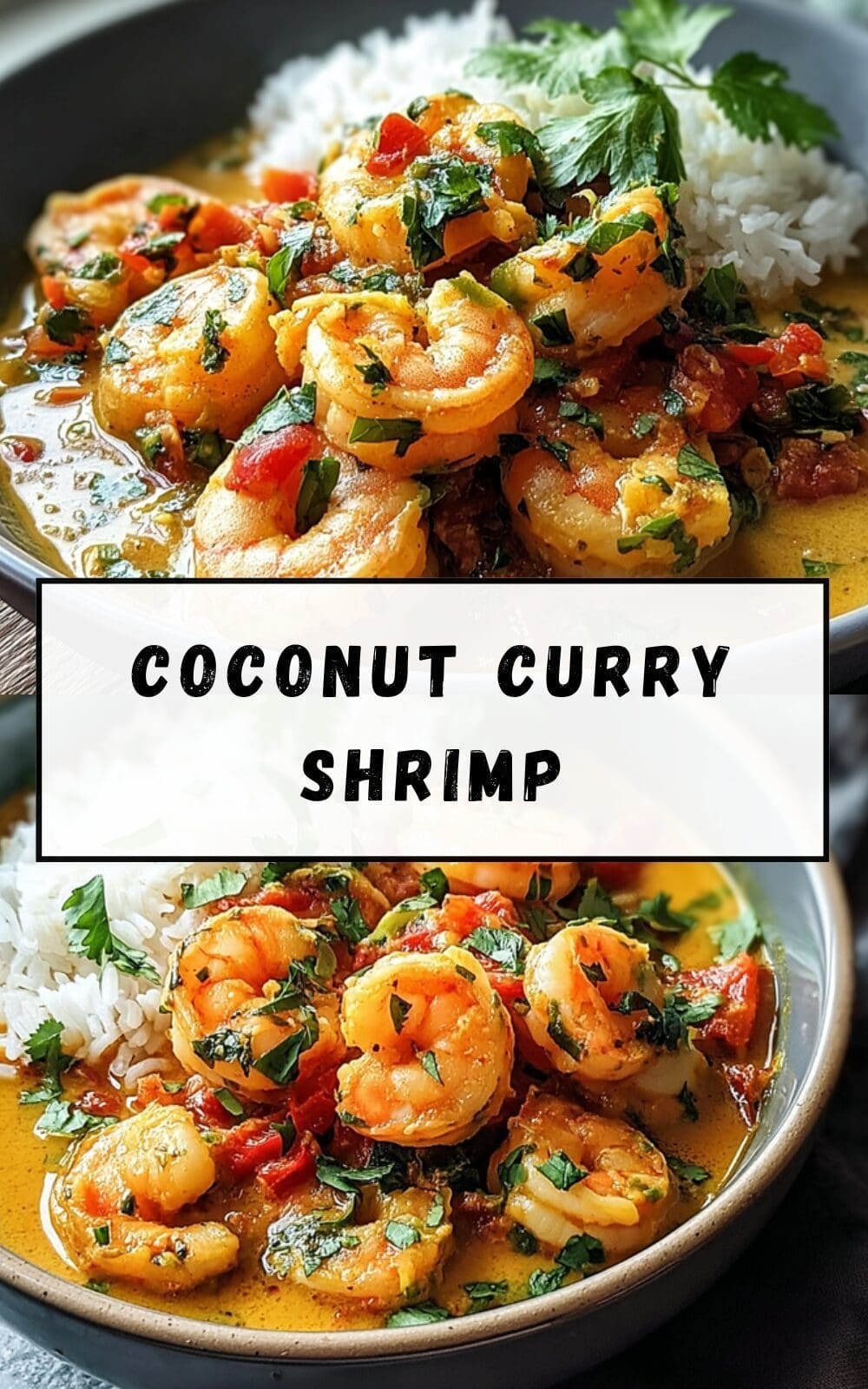
🍤 Enjoy a flavorful and creamy dish that brings together succulent shrimp with rich coconut curry and fresh herbs.
🌿 This recipe offers a quick and easy meal that’s perfect for a satisfying dinner with aromatic spices and vibrant colors.
- Total Time: 25 minutes
- Yield: 4 servings
Ingredients
– 2 tablespoons neutral oil
– 1 pound (about 450 grams) large peeled, deveined shrimp (21/25 size)
– 2 cloves garlic, minced
– 2 slices ginger
– ½ to 1 can (4 ounces / 115 grams per can) Thai red curry paste (use ½ can for a milder flavor)
– 2 teaspoons brown sugar or palm sugar
– 1 medium onion, cut into small wedges or large diced
– ½ red bell pepper, thinly sliced
– 13.5 ounces (1 can) full-fat coconut milk
– fresh cilantro for garnish
– salt (optional, if using less curry paste)
Instructions
1-Heat a wok or large skillet over medium-high heat and add 1 tablespoon of oil to coat the pan.
2-Add shrimp and sear for 30 seconds on one side, then stir-fry for another 30 seconds until shrimp is about 75% cooked and mostly opaque. Remove shrimp and set aside.
3-Add remaining tablespoon of oil, garlic, and ginger to the pan. Fry for 30 seconds until fragrant.
4-Increase heat to medium-high, add curry paste and fry for 1 minute. Stir in brown sugar.
5-Add onion and red bell pepper, fry for 2 minutes.
6-Pour in coconut milk, bring to a simmer over medium-high heat. Simmer for 2 minutes to thicken the sauce and cook onions.
7-Stir in shrimp along with juices and simmer for 1 more minute to finish cooking.
8-Taste and season with additional salt if needed.
9-Garnish with cilantro if desired and serve with rice such as jasmine, brown, or black rice.
Last Step:
Please leave a rating and comment letting us know how you liked this recipe! This helps our business to thrive and continue providing free, high-quality recipes for you.Notes
🔥 Use half the curry paste if you prefer a milder flavor.
🍚 Serve with jasmine, brown, or black rice to complement the creamy sauce.
🌿 Fresh cilantro garnish adds a bright, herbal note to finish the dish.
- Prep Time: 10 minutes
- Cook Time: 15 minutes
- Category: Main Dish
- Method: Stir-frying, Simmering
- Cuisine: Thai
- Diet: Gluten-Free
Nutrition
- Serving Size: 1 serving
- Calories: 350 kcal
- Sugar: 5 g
- Sodium: 600 mg
- Fat: 25 g
- Saturated Fat: 20 g
- Unsaturated Fat: 5 g
- Trans Fat: 0 g
- Carbohydrates: 8 g
- Fiber: 1 g
- Protein: 25 g
- Cholesterol: 200 mg