Why You’ll Love This Coquito
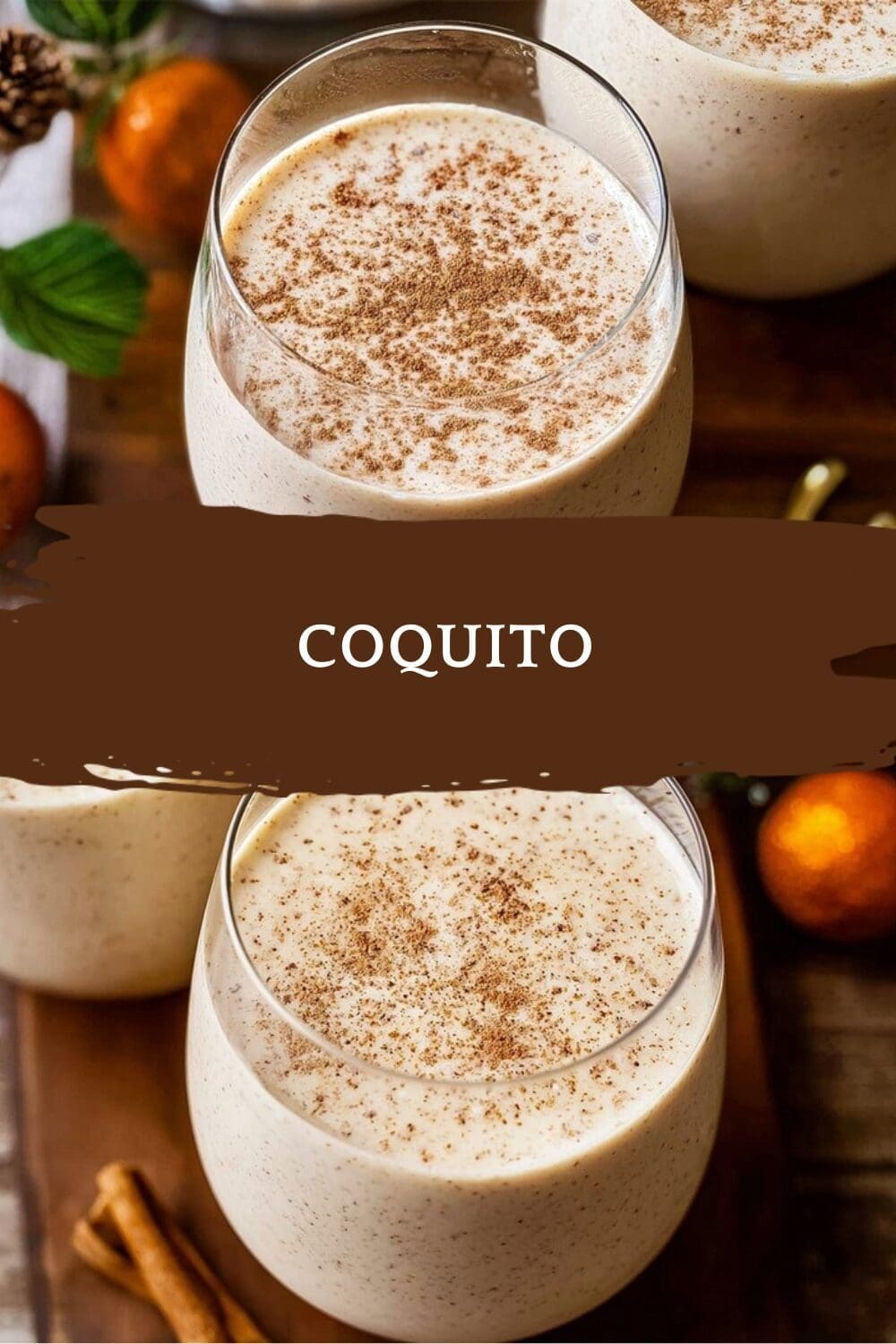
Coquito brings the warm spirit of Puerto Rican Christmas traditions directly to your holiday gatherings. This creamy, coconut-based beverage offers a tropical twist on traditional eggnog that will delight your guests and become a treasured family recipe for years to come.
- Ease of preparation: This coquito recipe comes together in minutes using a blender. Simply combine all ingredients, blend until smooth, and chill. No complex techniques or special equipment required, making it accessible for cooks of all skill levels.
- Rich cultural tradition: Coquito represents generations of Puerto Rican holiday celebrations. Serving this drink connects you to a heritage that spans back to the 19th century, when families would gather during Nochebuena feasts to share this beloved beverage.
- Versatility: The recipe adapts easily to various dietary preferences and flavor profiles. Whether you prefer the traditional version with eggs or a vegan alternative, you can customize this coquito to suit your needs.
- Make-ahead convenience: Coquito actually tastes better when made in advance. Preparing it two weeks ahead allows the flavors to meld beautifully, freeing up your time during busy holiday celebrations.
This sweet and potent holiday drink features generous amounts of 80- to 100-proof Puerto Rican rum, creating a festive beverage perfect for Christmas and Thanksgiving celebrations.
Jump to:
- Why You’ll Love This Coquito
- Essential Ingredients for Coquito
- Main Ingredients
- Special Dietary Options
- How to Prepare the Perfect Coquito: Step-by-Step Guide
- Step One: Gather and Prepare Your Ingredients
- Step Two: Blend the Base
- Step Three: Add Spices and Flavorings
- Step Four: Incorporate the Rum
- Step Five: Strain and Bottle
- Step Six: Chill and Age
- Serving Suggestions
- Cooked Version (Recommended for Eggs)
- Dietary Substitutions to Customize Your Coquito
- Protein and Main Component Alternatives
- Vegetable, Sauce, and Seasoning Modifications
- Mastering Coquito: Advanced Tips and Variations
- Professional Techniques for Superior Results
- Creative Flavor Variations
- Presentation and Garnishing
- Make-Ahead Strategies
- How to Store Coquito: Best Practices
- Refrigeration Guidelines
- Freezing Options
- Serving Temperature
- Safety Considerations
- FAQs: Frequently Asked Questions About Coquito
- What is coquito?
- What are the main ingredients in coquito?
- How do you make coquito at home?
- When is coquito traditionally served?
- How long does coquito last and how should you store it?
- Coquito
- Ingredients
- Instructions
- Last Step:
- Notes
- Nutrition
- Did you make this recipe?
Essential Ingredients for Coquito
A authentic coquito recipe relies on quality ingredients that create its signature creamy texture and warming spice profile. Each component plays a vital role in achieving the perfect balance of sweetness, richness, and tropical flavor.
Main Ingredients
- 1 can (13.5 oz) coconut milk – Provides the signature tropical coconut flavor and creamy base that distinguishes coquito from traditional eggnog. Coconut milk contains healthy fats that create a velvety mouthfeel.
- 1 can (15 oz) sweetened condensed milk – Delivers sweetness and thickness to the drink. This ingredient eliminates the need for additional sugar while contributing to the smooth texture.
- 1 can (12 oz) evaporated milk – Adds creaminess without overwhelming the coconut flavor. Evaporated milk provides a lighter consistency that balances the richness of condensed milk.
- 2 cups Puerto Rican rum (80-100 proof) – Brands like Don Q or other Puerto Rican rums provide the authentic alcoholic kick. The generous amount creates a potent beverage typically around 15-20% alcohol by volume.
- 3-4 pasteurized egg yolks – Optional but traditional. Egg yolks add richness and create a thicker, more luxurious texture similar to classic eggnog.
- 1 teaspoon vanilla extract – Enhances the overall flavor profile with warm, aromatic notes that complement the spices.
- 1 teaspoon ground cinnamon – Provides warmth and the classic spice flavor associated with holiday beverages.
- 1/2 teaspoon ground nutmeg – Adds depth and traditional eggnog flavor that pairs beautifully with the coconut base.
- Pinch of ground cloves – Contributes subtle warmth and complexity without overpowering the other spices.
- Pinch of salt – Balances sweetness and enhances all the other flavors in the drink.
Special Dietary Options
- Vegan: Replace evaporated milk with almond or oat milk, substitute condensed milk with coconut cream sweetened with maple syrup, and omit eggs. Use aquafaba (chickpea liquid) for similar richness without animal products.
- Gluten-free: All traditional ingredients are naturally gluten-free. Verify your rum brand is certified gluten-free for those with celiac disease.
- Lower calorie: Use light coconut milk, reduce the condensed milk amount, or substitute with low-sugar alternatives.
How to Prepare the Perfect Coquito: Step-by-Step Guide
Creating authentic coquito requires attention to technique and timing. Follow these detailed instructions to achieve a smooth, creamy result that captures the essence of Puerto Rican holiday traditions.
Step One: Gather and Prepare Your Ingredients
Before beginning, ensure all canned ingredients are at room temperature for easier blending. Measure out each ingredient precisely, as the balance of flavors depends on accurate proportions. Have your blender ready, along with a fine-mesh strainer and clean glass bottles or jars for storing the finished coquito.
If using eggs, ensure they are pasteurized to eliminate any salmonella risk. If pasteurized eggs are unavailable at your grocery store, you can pasteurize them at home using the stovetop cooking method described later. This step is particularly important for households with pregnant women, elderly individuals, or anyone with compromised immune systems.
Step Two: Blend the Base
Combine the coconut milk, sweetened condensed milk, and evaporated milk in your blender. These three dairy components form the foundation of your coquito, creating a rich, creamy base. Blend on medium speed for about 30 seconds until the milks are thoroughly combined and slightly aerated.
For recipes including eggs, add the egg yolks at this stage. The blender will emulsify them into the milk mixture, creating a smooth, uniform consistency. Continue blending for another 30 seconds until no visible streaks of egg remain and the mixture appears pale and slightly thickened.
Step Three: Add Spices and Flavorings
With the blender running on low speed, add the vanilla extract, ground cinnamon, ground nutmeg, and pinch of cloves. The spices should be fresh for optimal flavor ground spices lose potency after about six months of opening. Blend for 15-20 seconds to incorporate the spices evenly throughout the mixture.
Taste the base before adding the rum. Adjust the spice levels if needed, keeping in mind that flavors will intensify as the coquito chills and ages. Some cooks prefer additional cinnamon or a touch more nutmeg, while others maintain the traditional proportions.
Step Four: Incorporate the Rum
Slowly pour the Puerto Rican rum into the blender while it runs on low speed. Adding the alcohol gradually ensures proper incorporation without disturbing the texture. Blend for 2-3 minutes on high speed until the mixture becomes frothy and all ingredients are completely emulsified.
The choice of rum significantly impacts the final flavor. Authentic Puerto Rican rum like Don Q or similar brands provides a smooth finish without harsh alcohol burn. White rum is traditional, though some variations use dark rum for a more intense molasses character. The 80- to 100-proof range ensures potency while maintaining drinkability.
Step Five: Strain and Bottle
Pass the blended coquito through a fine-mesh strainer into a large bowl or pitcher. This step removes any spice particles, egg strands, or coconut solids that could create an unpleasant texture. Use a spoon to press the mixture through, extracting every bit of liquid.
Pour the strained coquito into clean glass bottles or jars with tight-fitting lids. Glass containers preserve flavor better than plastic and are traditional for gifting coquito during holidays. Leave about an inch of headspace at the top to allow for expansion during chilling.
Step Six: Chill and Age
Refrigerate the bottled coquito for at least 4 hours, though overnight chilling produces better results. For optimal flavor, prepare your coquito two weeks or more in advance. This extended aging period allows the spices to fully infuse the mixture and the alcohol to mellow, creating a smoother, more complex beverage.
During chilling, some separation is normal, especially for no-cook versions. Simply shake the bottle vigorously before serving to recombine the ingredients. Cooked versions tend to maintain a more uniform consistency throughout storage.
Serving Suggestions
Serve coquito chilled in small shot glasses or demitasse cups. The richness and potency make it appropriate for sipping rather than drinking in large quantities. Garnish each serving with a sprinkle of ground cinnamon or fresh nutmeg on top for a professional presentation.
Traditional occasions for serving include Christmas Eve (Nochebuena), Christmas Day, New Year’s celebrations, and Three Kings Day on January 6. Many families also serve coquito at Thanksgiving gatherings, pairing it with desserts like ricotta pie for a complete holiday spread.
Cooked Version (Recommended for Eggs)
For those preferring a cooked coquito, gently heat the coconut milk, evaporated milk, condensed milk, and spices on the stovetop over medium-low heat. Stir continuously to prevent scorching, and never allow the mixture to boil. When the mixture reaches 160°F, it will thicken slightly and become safe from a food safety perspective.
Remove from heat and let cool completely before blending in the rum and any additional ingredients. The cooking process pasteurizes the eggs, prevents separation, and extends shelf life up to three weeks when refrigerated. Traditional recipes often specify this method for the best results.

Dietary Substitutions to Customize Your Coquito
Protein and Main Component Alternatives
Traditional coquito relies heavily on dairy products and eggs, but several substitutions allow those with dietary restrictions to enjoy this beloved beverage. The key is maintaining the creamy texture and balanced sweetness while adapting to individual needs.
For egg-free versions, simply omit the yolks entirely. The drink will remain delicious, though slightly less rich. Alternatively, use aquafaba the liquid from canned chickpeas to replicate the emulsifying properties of eggs. Three tablespoons of aquafaba replace each egg yolk in the recipe.
Dairy-free adaptations require more consideration. Replace evaporated milk with almond milk, cashew milk, or additional coconut milk. Sweetened condensed milk can be substituted with coconut cream sweetened with maple syrup or agave nectar. These changes alter the flavor profile slightly but maintain the essential character of coquito.
Vegetable, Sauce, and Seasoning Modifications
The spice blend in coquito offers room for creative modifications while respecting tradition. Some families add fresh ginger for a warming kick, while others incorporate coffee or chocolate flavors for unique variations.
Seasonal adaptations include pumpkin coquito for Thanksgiving celebrations. Add 1/2 cup of pumpkin puree and increase the cinnamon and nutmeg slightly. Sweet potato versions follow a similar pattern, creating a distinctly Puerto Rican twist on American holiday flavors.
Fruit variations incorporate fresh berries, mango, or passion fruit puree. These additions work best when added after the initial blending, creating layered flavors. Coffee liqueur or amaretto can replace some or all of the rum for different alcoholic profiles.
Nut milk alternatives like pistachio milk create interesting flavor dimensions while maintaining the creamy texture. These variations have gained popularity in recent years, even appearing in competitions like Coquito Masters where contestants showcase innovative takes on the classic recipe.
Mastering Coquito: Advanced Tips and Variations
Professional Techniques for Superior Results
Creating exceptional coquito goes beyond following a basic recipe. Professional techniques elevate your beverage from ordinary to extraordinary, impressing family and friends at every gathering.
Use high-quality, fresh spices for the most vibrant flavor. Whole spices freshly ground at home provide superior taste compared to pre-ground options. Toast whole cinnamon sticks and nutmeg in a dry pan before grinding to release essential oils and intensify flavor.
Temperature control matters significantly when cooking coquito. Heating the mixture too quickly or to too high a temperature causes curdling. Maintain gentle heat and constant stirring for smooth, velvety results.
The choice of rum brand affects the final character. Puerto Rican rums offer smoothness that complements the creamy coconut base. Experiment with different brands to find your preference, or create a blend of white and dark rums for complexity.
Creative Flavor Variations
Modern coquito variations expand far beyond the traditional recipe. Popular adaptations include:
- Pumpkin Spice Coquito: Add pumpkin puree and pumpkin pie spices for Thanksgiving celebrations.
- Coffee Coquito: Include espresso or coffee liqueur for a caffeinated twist.
- Chocolate Coquito: Blend in cocoa powder or chocolate syrup for dessert-like richness.
- Fruit Coquito: Pureed strawberries, mangoes, or passion fruit create refreshing variations.
- Pistachio Coquito: Use pistachio milk and ground pistachios for an elegant, nutty profile.
Presentation and Garnishing
Beautiful presentation elevates coquito from a simple drink to a festive experience. Serve in decorative shot glasses or small crystal cups. Rim glasses with cinnamon sugar or toasted coconut for added visual appeal and flavor.
Garnish each serving with a cinnamon stick, star anise, or fresh nutmeg shaving. For holiday parties, consider serving in hollowed-out coconuts or alongside traditional Puerto Rican desserts like tembleque for an authentic touch.
Make-Ahead Strategies
Coquito benefits tremendously from advance preparation. Plan to make your batch at least one week before your event, though two weeks produces optimal flavor development. The spices meld and mellow during storage, creating a more cohesive taste profile.
For large gatherings, prepare multiple batches simultaneously. Store in separate bottles and label with preparation dates. This approach ensures you have plenty for guests while maintaining consistent quality across servings.
How to Store Coquito: Best Practices
Refrigeration Guidelines
Proper storage maintains coquito quality and ensures food safety. Store homemade coquito in airtight glass bottles in the refrigerator at temperatures below 40°F. The high alcohol content acts as a natural preservative, but refrigeration remains essential.
Raw egg versions should be consumed within 5 days for optimal safety. Cooked versions, where the mixture reached 160°F, can last up to 2-3 weeks when properly refrigerated. Always label containers with preparation dates to track freshness.
Freezing Options
For longer storage, freeze coquito in plastic containers with at least an inch of headspace for expansion. Frozen coquito maintains quality for up to 3 months. Thaw overnight in the refrigerator before serving and shake well to recombine ingredients.
Freezing in ice cube trays creates convenient single-serving portions. Simply blend the cubes when ready to serve for an instant chilled drink without dilution from ice.
Serving Temperature
Always serve coquito thoroughly chilled. Remove from the refrigerator just before serving to maintain optimal temperature. If transporting to a gathering, pack in an insulated bag with ice packs to keep cold throughout your event.
Safety Considerations
Shake bottles before each serving as separation naturally occurs. Discard any coquito that develops off odors, visible mold, or unusual texture changes. While the alcohol content provides some protection, proper handling remains important for food safety.
FAQs: Frequently Asked Questions About Coquito
What is coquito?
What are the main ingredients in coquito?
How do you make coquito at home?
When is coquito traditionally served?
How long does coquito last and how should you store it?

Coquito
🥥 Coquito pours creamy coconut-rum heaven – Puerto Rican holiday eggnog outshines classics with spiced bliss!
🍹 Quick blend-chill crafts boozy festive sipper, make-ahead magic perfects parties effortlessly.
- Total Time: 4 hours 10 minutes
- Yield: 12 servings
Ingredients
– 1 can (13.5 oz) coconut milk
– 1 can (15 oz) sweetened condensed milk
– 1 can (12 oz) evaporated milk
– 2 cups Puerto Rican rum (80-100 proof)
– 3-4 pasteurized egg yolks
– 1 teaspoon vanilla extract
– 1 teaspoon ground cinnamon
– 1/2 teaspoon ground nutmeg
– Pinch of ground cloves
– Pinch of salt
Instructions
1-Step One: Gather and Prepare Your Ingredients Before beginning, ensure all canned ingredients are at room temperature for easier blending. Measure out each ingredient precisely, as the balance of flavors depends on accurate proportions. Have your blender ready, along with a fine-mesh strainer and clean glass bottles or jars for storing the finished coquito. If using eggs, ensure they are pasteurized to eliminate any salmonella risk. If pasteurized eggs are unavailable at your grocery store, you can pasteurize them at home using the stovetop cooking method described later. This step is particularly important for households with pregnant women, elderly individuals, or anyone with compromised immune systems.
2-Step Two: Blend the Base Combine the coconut milk, sweetened condensed milk, and evaporated milk in your blender. These three dairy components form the foundation of your coquito, creating a rich, creamy base. Blend on medium speed for about 30 seconds until the milks are thoroughly combined and slightly aerated. For recipes including eggs, add the egg yolks at this stage. The blender will emulsify them into the milk mixture, creating a smooth, uniform consistency. Continue blending for another 30 seconds until no visible streaks of egg remain and the mixture appears pale and slightly thickened.
3-Step Three: Add Spices and Flavorings With the blender running on low speed, add the vanilla extract, ground cinnamon, ground nutmeg, and pinch of cloves. The spices should be fresh for optimal flavor ground spices lose potency after about six months of opening. Blend for 15-20 seconds to incorporate the spices evenly throughout the mixture. Taste the base before adding the rum. Adjust the spice levels if needed, keeping in mind that flavors will intensify as the coquito chills and ages. Some cooks prefer additional cinnamon or a touch more nutmeg, while others maintain the traditional proportions.
4-Step Four: Incorporate the Rum Slowly pour the Puerto Rican rum into the blender while it runs on low speed. Adding the alcohol gradually ensures proper incorporation without disturbing the texture. Blend for 2-3 minutes on high speed until the mixture becomes frothy and all ingredients are completely emulsified. The choice of rum significantly impacts the final flavor. Authentic Puerto Rican rum like Don Q or similar brands provides a smooth finish without harsh alcohol burn. White rum is traditional, though some variations use dark rum for a more intense molasses character. The 80- to 100-proof range ensures potency while maintaining drinkability.
5-Step Five: Strain and Bottle Pass the blended coquito through a fine-mesh strainer into a large bowl or pitcher. This step removes any spice particles, egg strands, or coconut solids that could create an unpleasant texture. Use a spoon to press the mixture through, extracting every bit of liquid. Pour the strained coquito into clean glass bottles or jars with tight-fitting lids. Glass containers preserve flavor better than plastic and are traditional for gifting coquito during holidays. Leave about an inch of headspace at the top to allow for expansion during chilling.
6-Step Six: Chill and Age Refrigerate the bottled coquito for at least 4 hours, though overnight chilling produces better results. For optimal flavor, prepare your coquito two weeks or more in advance. This extended aging period allows the spices to fully infuse the mixture and the alcohol to mellow, creating a smoother, more complex beverage. During chilling, some separation is normal, especially for no-cook versions. Simply shake the bottle vigorously before serving to recombine the ingredients. Cooked versions tend to maintain a more uniform consistency throughout storage.
Last Step:
Please leave a rating and comment letting us know how you liked this recipe! This helps our business to thrive and continue providing free, high-quality recipes for you.Notes
🥥 Full-fat coconut milk/cream yields richest texture – light versions watery.
⏳ Make 1-2 weeks ahead – flavors deepen beautifully.
🤝 Shake vigorously before pour – natural separation occurs.
- Prep Time: 10 minutes
- Chilling: 4 hours
- Category: Beverage
- Method: No Cook
- Cuisine: Puerto Rican
- Diet: Vegetarian
Nutrition
- Serving Size: 4 oz
- Calories: 280 kcal
- Sugar: 30g
- Sodium: 80mg
- Fat: 14g
- Saturated Fat: 12g
- Unsaturated Fat: 2g
- Trans Fat: 0g
- Carbohydrates: 32g
- Fiber: 0g
- Protein: 5g
- Cholesterol: 70mg