Why You’ll Love This Satay Beef Noodle Soup
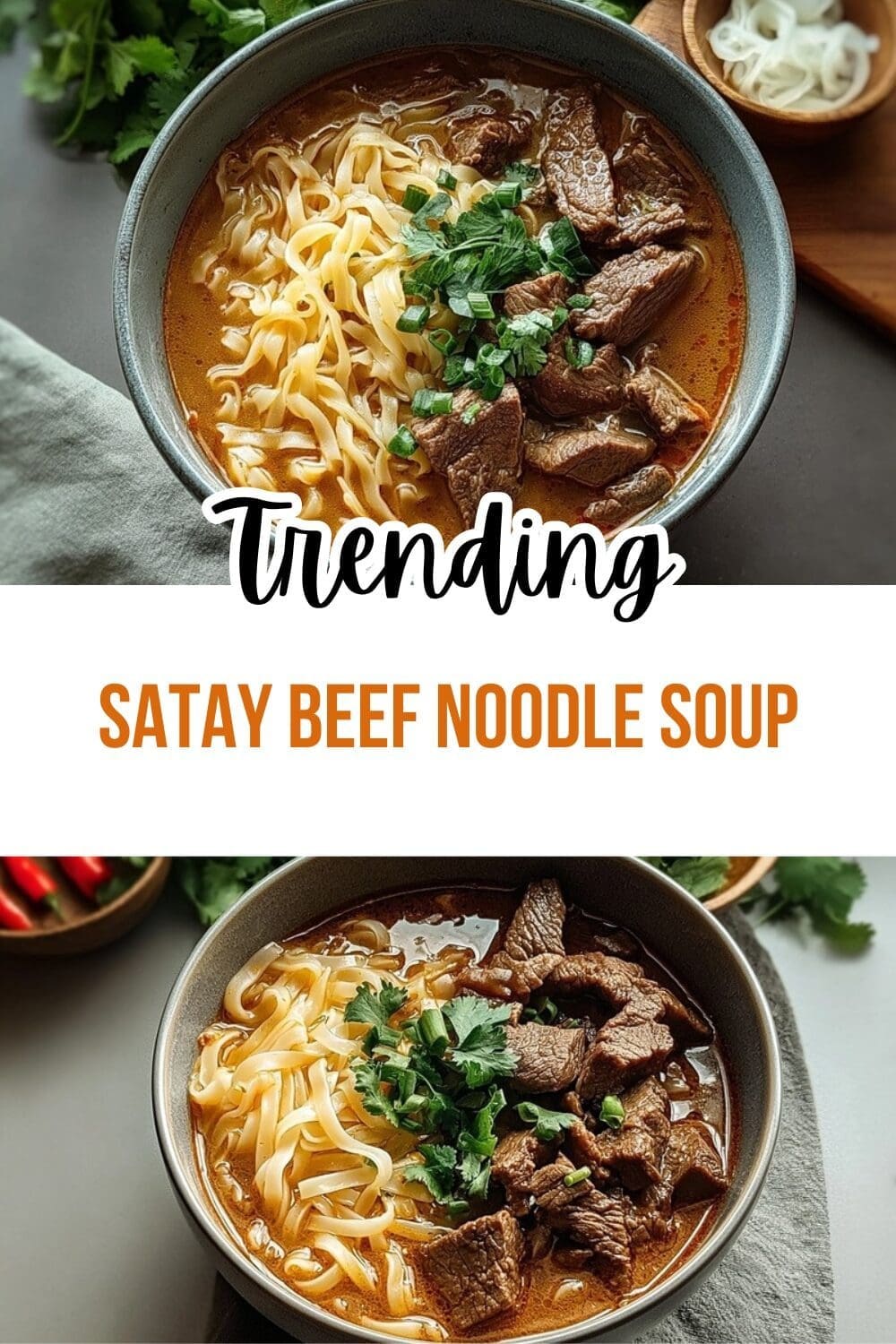
Satay Beef Noodle Soup is the kind of comfort food that feels special without being fussy. It brings tender, nutty beef over thin vermicelli rice noodles in a light, clear broth, with satay flavors that taste like your favorite Hong Kong-style café bowl.
- Ease of preparation: About 40 minutes total, with simple steps like slicing, quick marinating, and cooking the beef and noodles.
- Comfort food, café-style flavor: The peanut-satay sauce adds a rich aroma while the broth stays light and drinkable.
- Versatility: Easy to customize for different proteins, spice levels, and dietary needs.
- Distinctive flavor balance: Nutty, savory, fragrant, and slightly sweet, finished with sesame notes and fresh toppings.
Tip: If you’ve ever loved Hong Kong noodles that mix Western and Asian flavors, this recipe hits that same cozy, satisfying vibe.
Jump to:
- Why You’ll Love This Satay Beef Noodle Soup
- Essential Ingredients for Satay Beef Noodle Soup
- Main ingredients
- Beef marinade ingredients
- Homemade satay sauce ingredients
- Optional toppings and serving
- Special dietary options
- How to Prepare the Perfect Satay Beef Noodle Soup: Step-by-Step Guide
- What you’ll need before you start (mise en place)
- Step-by-step directions
- Quick timing snapshot
- Tips and tricks that make the biggest difference
- Dietary Substitutions to Customize Your Satay Beef Noodle Soup
- Protein and main component alternatives
- Vegetable, sauce, and seasoning modifications
- Mastering Satay Beef Noodle Soup: Advanced Tips and Variations
- Pro cooking techniques
- Flavor variations
- Presentation tips
- Make-ahead options for busy schedules
- How to Store Satay Beef Noodle Soup: Best Practices
- Refrigeration
- Freezing
- Reheating
- Meal prep considerations
- FAQs: Frequently Asked Questions About Satay Beef Noodle Soup
- What is satay beef noodle soup?
- What ingredients do I need for satay beef noodle soup?
- How do I make satay beef noodle soup at home?
- Can I make satay beef noodle soup in advance?
- What are some variations for satay beef noodle soup?
- Satay Beef Noodle Soup
- Ingredients
- Instructions
- Last Step:
- Notes
- Nutrition
- Did you make this recipe?
Essential Ingredients for Satay Beef Noodle Soup
Below is everything you need for a classic Hong Kong style satay beef noodle soup experience. Since your source didn’t provide exact measurements for every ingredient, I’m listing the ingredients exactly as specified, and I’m keeping quantities where the recipe information did not include precise amounts as amount not specified.
Main ingredients
- Rice vermicelli noodles (very thin, dry variety recommended), amount not specified (for thin al dente noodles)
- Flank steak (preferred for tenderness) or alternative cuts like sirloin tip, tri-tip, hanger, or top round steak, amount not specified (for tender beef)
- Neutral oil such as avocado, sunflower, grapeseed, peanut, vegetable, or canola oil, amount not specified (for cooking and moisture)
- Broth made from unsalted chicken or beef broth or stock, amount not specified (for the light clear soup base)
- Soy sauce (regular, low sodium, or light), amount not specified (for savory depth)
- Oyster sauce or vegetarian stir-fry sauce, amount not specified (for umami and richness)
- Toasted sesame oil or a pinch of sesame seeds, amount not specified (for nutty aroma)
Beef marinade ingredients
- Baking soda, amount not specified (essential tenderizer)
- Soy sauce, amount not specified (seasoning and flavor)
- Cornstarch or potato starch, amount not specified (velveting and moisture retention)
- Garlic powder or finely minced garlic, amount not specified (aromatic flavor)
- Cold water, amount not specified (helps marinade cling)
- Neutral oil, amount not specified (adds moisture)
Homemade satay sauce ingredients
- Smooth peanut butter (smooth texture preferred), amount not specified (creamy satay base)
- Ginger powder or fresh ginger, amount not specified (warm spice note)
- Fresh lemongrass (white parts only) or frozen chopped lemongrass, amount not specified (bright, fragrant aroma)
- Toasted sesame oil, amount not specified (deep nutty finish)
- Brown sugar (light or dark), amount not specified (balancing sweet and savory)
- Shallot or onion, amount not specified (body and sweetness)
- Soy sauce, amount not specified (salty depth)
- Fresh garlic or jarred garlic, amount not specified (garlic punch)
- Large red chili (like Korean red chili peppers) or 1/2 teaspoon red pepper flakes, amount not specified (heat level)
Optional toppings and serving
Your source notes this soup can be served with classic café-style toppings. Use what you like, but try to keep it fresh and bright.
- Fresh toppings (amounts not specified): bean sprouts, sliced red onion, cilantro, crushed peanuts, and lime wedges
Special dietary options
- Vegan: Use vegetable broth, substitute oyster sauce with vegetarian stir-fry sauce, and swap the beef for tofu or your preferred plant-based protein (exact amounts not specified in source).
- Gluten-free: Choose gluten-free soy sauce or tamari for all soy sauce calls (exact amounts not specified in source). Use rice vermicelli noodles labeled gluten-free if needed.
- Low-calorie: Keep noodles and broth as-is, reduce or lighten added oil where possible, and consider using a lower-sugar satay approach (exact amounts not specified in source).
How to Prepare the Perfect Satay Beef Noodle Soup: Step-by-Step Guide
This satay beef noodle soup recipe is built for weeknights. You’ll prep and marinate the beef, blend the satay sauce, cook the beef, cook the noodles, then ladle in the broth and serve hot.
What you’ll need before you start (mise en place)
- Slice the beef (and freeze it briefly first so cutting is easier)
- Measure marinade ingredients
- Make the satay sauce paste
- Have noodles ready and toppings washed
Step-by-step directions
- First Step: Slice flank steak against the grain at a 45-degree angle into thin strips about 1/4 inch thick. For easier slicing, freeze the beef for 45 to 60 minutes before cutting.
- Second Step: Marinate the beef with baking soda, soy sauce, cornstarch or potato starch, garlic powder (or minced garlic), cold water, and neutral oil. Let it sit for 15 to 20 minutes.
- Third Step: Make the satay sauce. Blend the peanut butter, ginger, lemongrass, toasted sesame oil, brown sugar, shallot or onion, soy sauce, garlic, and red chili (or red pepper flakes) into a smooth paste using a blender. If you don’t have one, finely mince aromatics and mix thoroughly.
- Fourth Step: Heat neutral oil in a pan over medium heat. Cook the beef until it’s mostly brown but still slightly pink inside, about 5 minutes.
- Fifth Step: Add the satay sauce to the beef. Toss well and cook for 1 to 2 minutes until the beef is fully cooked. Remove the beef and set aside.
- Sixth Step: Cook rice vermicelli noodles in boiling water for 2 to 3 minutes until al dente. Rinse with cold water, then divide into serving bowls.
- Seventh Step: Place the satay beef over the noodles in each bowl.
- Final Step: Bring broth ingredients to a boil, then ladle over noodles and beef. Serve hot immediately with toppings.
Quick timing snapshot
| Stage | Time | Goal |
|---|---|---|
| Prep and slicing | ~20 minutes | Thin, even beef strips |
| Cook | ~20 minutes | Velvety beef and al dente noodles |
| Total | ~40 minutes | Hot bowl, café style |
Tips and tricks that make the biggest difference
- Slice thin against the grain to shorten muscle fibers for tenderness.
- Don’t skip baking soda and cornstarch in the marinade. They’re key for tenderizing and moisture retention.
- Don’t overcook beef before adding satay sauce. Cook until mostly brown but still pink inside, then finish with sauce.
- Keep noodles al dente and rinse with cold water to stop cooking and prevent sticking.
- Prevent sogginess by storing soup, noodles, and beef separately.
If you enjoy noodle soups and want another comforting bowl, you might like crack chicken noodle soup for a different flavor profile that still delivers cozy comfort.

Dietary Substitutions to Customize Your Satay Beef Noodle Soup
One reason this dish works for many home cooks is that it’s flexible. You can swap the protein, adjust the sauce, and still keep the satay-forward flavor.
Protein and main component alternatives
- Beef alternatives: If flank steak isn’t available, use sirloin tip, tri-tip, hanger, or top round steak. Slice thinly against the grain for the same tender result.
- Chicken version: Swap beef for chicken thighs. Reduce the cooking time slightly since chicken can overcook faster.
- Tofu option: For a vegetarian-friendly twist, use firm tofu cubes and shorten simmer time to keep them from breaking down.
Vegetable, sauce, and seasoning modifications
- Vegetable broth swap: Use vegetable broth for a lighter vegetarian base.
- Oyster sauce swap: If you’re avoiding oyster sauce, use vegetarian stir-fry sauce.
- Gluten-free: Use low-sodium gluten-free soy sauce or tamari, and check noodle packaging for gluten-free labeling.
- Spice control: Start with less red chili or red pepper flakes, then add more at the end.
- Creaminess: This style can be adjusted by how you blend the satay paste, and by how much broth you ladle over the noodles.
If your goal is less sodium, choose low-sodium soy sauce and taste the marinade before cooking. You’ll still get that satay depth, just cleaner and lighter.
Mastering Satay Beef Noodle Soup: Advanced Tips and Variations
Once you nail the basic steps, you can fine-tune the bowl to match your taste, schedule, and spice comfort level. Below are practical ways to make hong kong satay beef noodle soup feel like your own.
Pro cooking techniques
- Use the blender for satay smoothness: A high-powered blender or food processor helps the peanut sauce become silky, which clings beautifully to beef.
- Cook noodles separately if meal prepping: This keeps texture perfect when reheating.
- Keep broth hot: Ladle broth right before serving so the noodles stay springy.
Flavor variations
- Extra ginger punch: Add a little more fresh ginger for a brighter aroma.
- More lemongrass: Use frozen chopped lemongrass if fresh isn’t available, but stick to the white parts for the best flavor.
- Different heat: Use a milder chili or start with red pepper flakes.
Presentation tips
- Top with bean sprouts and sliced red onion for crunch.
- Add cilantro for freshness and crushed peanuts for texture.
- Serve with lime wedges so each person can brighten their own bowl.
Make-ahead options for busy schedules
- Prep beef and sauce early: Slice beef, marinate, and make satay sauce ahead.
- Cook close to serving: Cook noodles and finish ladling broth when you’re ready to eat.
- Store separately: Soup, noodles, and beef should stay separate in the fridge to prevent soggy noodles.
If you also enjoy hearty beef meals with bold flavor, you may like smothered steak for a savory, sauce-forward dinner that pairs well with noodle dishes.
How to Store Satay Beef Noodle Soup: Best Practices
Proper storage keeps this satay beef noodle soup tasting fresh instead of turning mushy. The biggest rule is separating components.
Refrigeration
- Store soup, noodles, and beef separately in airtight containers.
- Refrigerate promptly after cooking.
- It can last up to four days refrigerated.
Freezing
- Freezing is not ideal because noodles can change texture.
- If you must freeze, freeze beef and broth separately and add fresh noodles later.
Reheating
- Reheat broth gently on the stovetop until hot.
- Rewarm beef until heated through.
- Boil or microwave noodles separately, then assemble and ladle hot broth over top.
Meal prep considerations
- Cook noodles just until al dente, rinse, and keep them stored dry (not in broth).
- Add toppings right before eating.
For nutrition context and helpful dietary guidance, you can also visit Beef Nutrition.
FAQs: Frequently Asked Questions About Satay Beef Noodle Soup
What is satay beef noodle soup?
What ingredients do I need for satay beef noodle soup?
How do I make satay beef noodle soup at home?
Can I make satay beef noodle soup in advance?
What are some variations for satay beef noodle soup?

Satay Beef Noodle Soup
🥢🍜 Tender satay beef in nutty sauce over slurpy rice noodles in clear broth – authentic Hong Kong café comfort!
🌶️ Quick 40-minute bowl blending peanutty spice and savory broth for slurpable satisfaction anytime.
- Total Time: 40 minutes
- Yield: 4 servings
Ingredients
– Rice vermicelli noodles (very thin, dry variety recommended)
– Flank steak (preferred for tenderness) or alternative cuts like sirloin tip, tri-tip, hanger, or top round steak
– Neutral oil such as avocado, sunflower, grapeseed, peanut, vegetable, or canola oil
– Broth made from unsalted chicken or beef broth or stock
– Soy sauce (regular, low sodium, or light)
– Oyster sauce or vegetarian stir-fry sauce
– Toasted sesame oil or a pinch of sesame seeds
– Baking soda
– Soy sauce
– Cornstarch or potato starch
– Garlic powder or finely minced garlic
– Cold water
– Neutral oil
– Smooth peanut butter (smooth texture preferred)
– Ginger powder or fresh ginger
– Fresh lemongrass (white parts only) or frozen chopped lemongrass
– Toasted sesame oil
– Brown sugar (light or dark)
– Shallot or onion
– Soy sauce
– Fresh garlic or jarred garlic
– Large red chili (like Korean red chili peppers) or 1/2 teaspoon red pepper flakes
– bean sprouts
– sliced red onion
– cilantro
– crushed peanuts
– lime wedges
Instructions
1-First Step: Slice flank steak against the grain at a 45-degree angle into thin strips about 1/4 inch thick. For easier slicing, freeze the beef for 45 to 60 minutes before cutting.
2-Second Step: Marinate the beef with baking soda, soy sauce, cornstarch or potato starch, garlic powder (or minced garlic), cold water, and neutral oil. Let it sit for 15 to 20 minutes.
3-Third Step: Make the satay sauce. Blend the peanut butter, ginger, lemongrass, toasted sesame oil, brown sugar, shallot or onion, soy sauce, garlic, and red chili (or red pepper flakes) into a smooth paste using a blender. If you don’t have one, finely mince aromatics and mix thoroughly.
4-Fourth Step: Heat neutral oil in a pan over medium heat. Cook the beef until it’s mostly brown but still slightly pink inside, about 5 minutes.
5-Fifth Step: Add the satay sauce to the beef. Toss well and cook for 1 to 2 minutes until the beef is fully cooked. Remove the beef and set aside.
6-Sixth Step: Cook rice vermicelli noodles in boiling water for 2 to 3 minutes until al dente. Rinse with cold water, then divide into serving bowls.
7-Seventh Step: Place the satay beef over the noodles in each bowl.
8-Final Step: Bring broth ingredients to a boil, then ladle over noodles and beef. Serve hot immediately with toppings.
Last Step:
Please leave a rating and comment letting us know how you liked this recipe! This helps our business to thrive and continue providing free, high-quality recipes for you.Notes
🔪 Freeze beef briefly for paper-thin slices that stay tender.
🥜 Baking soda + cornstarch in marinade velvets meat magically.
🍜 Rinse cooked noodles cold to prevent sticking and sogginess.
- Prep Time: 20 minutes
- Marinate: 20 minutes
- Cook Time: 20 minutes
- Category: Soups
- Method: Stovetop
- Cuisine: Hong Kong
- Diet:
Nutrition
- Serving Size: 1 bowl
- Calories: 645 kcal
- Sugar: 11 g
- Sodium: 3715 mg
- Fat: 14 g
- Saturated Fat: 3 g
- Unsaturated Fat: 9 g
- Trans Fat: 0 g
- Carbohydrates: 97 g
- Fiber: 2 g
- Protein: 31 g
- Cholesterol: 64 mg