Why You’ll Love This Homemade Salmon Sashimi
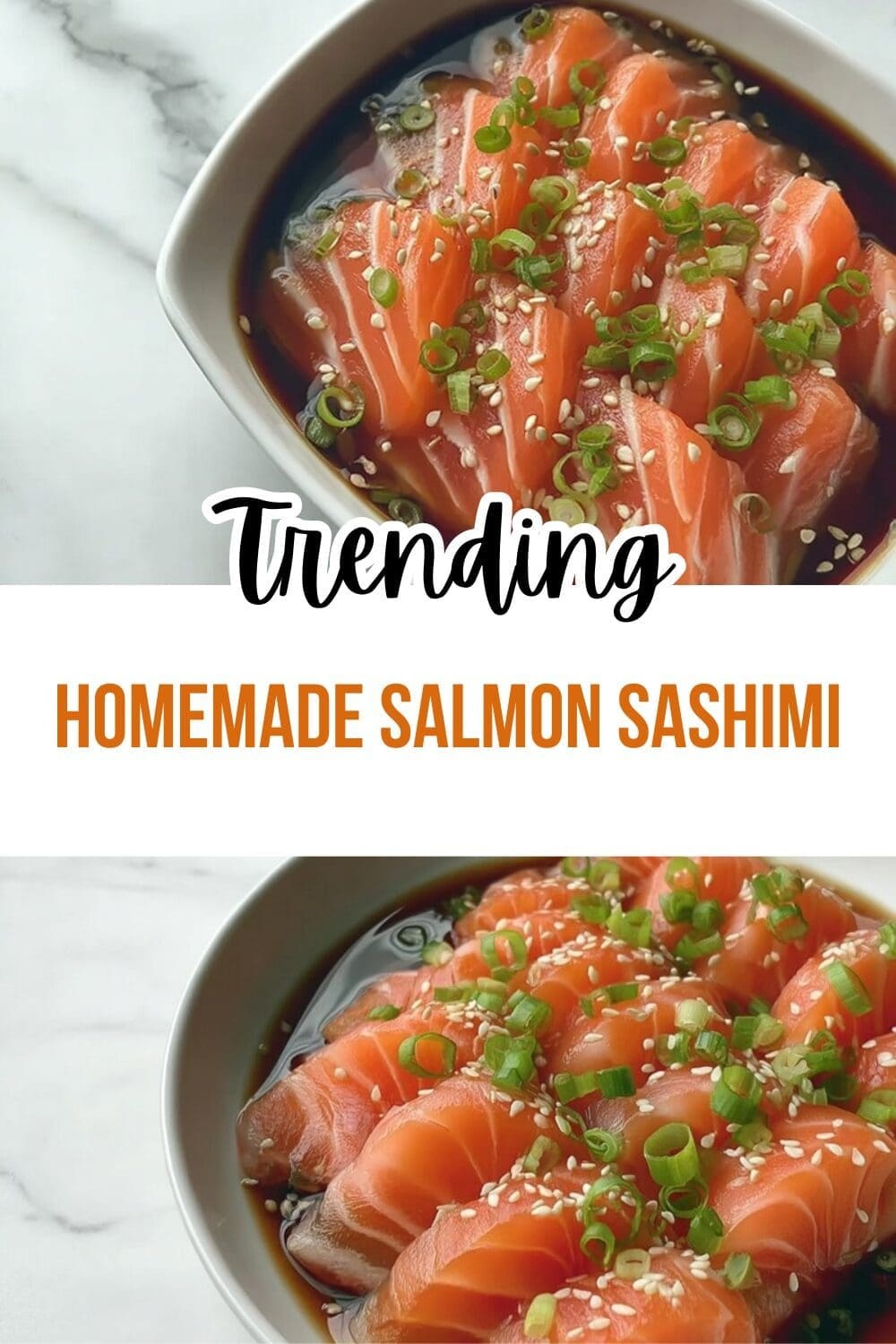
If you have ever wanted to make Homemade Salmon Sashimi at home, this easy method gives you a simple way to get that fresh, clean bite without a big restaurant bill. The key is using good salmon, handling it safely, and keeping the whole process cold from start to finish. For a helpful look at salmon nutrition, you can also read this guide to the benefits of salmon.
- Easy prep: This Homemade Salmon Sashimi recipe only takes about 10 minutes of active prep time. Most of the work is just salting, rinsing, drying, and freezing, so it fits busy days, school nights, and meal planning.
- Healthy choice: Salmon brings protein, healthy fats, and key nutrients like potassium and iron. If you want a seafood dish that feels light but still satisfying, this one fits the bill.
- Flexible serving options: You can serve it with sushi rice, wasabi, soy sauce, or yuzu aioli. It also works with cucumber slices, avocado, or a simple lemon squeeze.
- Fresh flavor: The taste is clean, buttery, and mild when the salmon is handled the right way. The salt and freezer method help keep the texture pleasant and the flavor bright.
For raw salmon at home, the biggest win is not fancy tools. It is careful handling, clean surfaces, and steady cold temperatures.
This dish is great for home cooks who want something special without a long list of steps. It also works for travelers, students, and working professionals who want a simple seafood idea with a restaurant feel.
Jump to:
- Why You’ll Love This Homemade Salmon Sashimi
- Essential Ingredients for Homemade Salmon Sashimi
- Main Ingredients
- Special Dietary Options
- How to Prepare the Perfect Homemade Salmon Sashimi: Step-by-Step Guide
- First Step: Buy the right salmon and get your tools ready
- Second Step: Pat the salmon dry and salt it
- Third Step: Rinse thoroughly and dry again
- Fourth Step: Seal the salmon for freezing
- Fifth Step: Freeze at the correct temperature and time
- Sixth Step: Thaw safely in the refrigerator
- Final Step: Slice thinly and serve
- Homemade Salmon Sashimi Nutrition and Safety Notes
- Dietary Substitutions to Customize Your Homemade Salmon Sashimi
- Protein and Main Component Alternatives
- Vegetable, Sauce, and Seasoning Modifications
- Mastering Homemade Salmon Sashimi: Advanced Tips and Variations
- Pro cooking techniques
- Flavor variations
- Presentation tips
- Make-ahead options
- How to Store Homemade Salmon Sashimi: Best Practices
- FAQs: Frequently Asked Questions About Homemade Salmon Sashimi
- Is homemade salmon sashimi safe to eat?
- What kind of salmon is best for homemade sashimi?
- How do you prepare salmon sashimi at home step by step?
- What are common mistakes to avoid when making salmon sashimi?
- How should you serve and store homemade salmon sashimi?
- Homemade Salmon Sashimi
- Ingredients
- Instructions
- Last Step:
- Notes
- Nutrition
- Did you make this recipe?
Essential Ingredients for Homemade Salmon Sashimi
To make safe and tasty Homemade Salmon Sashimi, keep the ingredient list short and choose quality seafood. Farmed salmon from a trusted local market is the best pick for this home freezing method. If you are comparing seafood ideas for other meals, you might also like this easy salmon bites recipe for a cooked option.
Main Ingredients
- 1 pound fresh farmed salmon – Use salmon from a reputable local fish market or trusted seafood counter. Farmed salmon is usually the safer choice for this method because it has a lower parasite risk than wild salmon.
- 1 teaspoon salt – Salt helps draw out surface moisture and gives the salmon a cleaner texture before freezing.
- 1 freezer bag – A freezer bag protects the salmon during the freezing period. A vacuum-sealed bag or double-bagged freezer bag can help prevent freezer burn.
Special Dietary Options
- Vegan: Salmon sashimi is not vegan, but chilled watermelon, tomato slices, or king oyster mushroom sashimi can give a similar fresh-style serving idea.
- Gluten-free: The salmon itself is naturally gluten-free. Choose gluten-free soy sauce or tamari if needed.
- Low-calorie: Keep the serving simple with thin slices of salmon, cucumber, and lemon. Skip heavier sauces if you want to keep calories lower.
| Item | Purpose | Notes |
|---|---|---|
| 1 pound fresh farmed salmon | Main ingredient | Choose bright, firm salmon from a trusted source |
| 1 teaspoon salt | Prepping step | Helps with surface moisture before freezing |
| 1 freezer bag | Storage | Use vacuum-sealed or double-bagged for best results |
How to Prepare the Perfect Homemade Salmon Sashimi: Step-by-Step Guide
First Step: Buy the right salmon and get your tools ready
Start by purchasing 1 pound fresh farmed salmon from a local market or fishmonger you trust. This matters a lot because freshness and source quality play a big role in both safety and flavor. Set out a clean cutting board, a sharp knife, paper towels, salt, and a freezer bag before you begin so the process stays smooth.
If you want a second seafood idea for dinner planning, check out this simple guide to boil lobster for another home-friendly seafood method.
Second Step: Pat the salmon dry and salt it
Use a paper towel to pat the salmon dry on all sides. Sprinkle 1 teaspoon salt over the salmon and let it sit for 20 minutes. This short resting time helps pull off extra surface moisture and gives the fish a better texture after freezing and slicing.
Keep the salmon on a plate in the refrigerator or a cool place while it rests. Do not leave it out on the counter for long periods, since raw fish should stay chilled.
Third Step: Rinse thoroughly and dry again
After the 20 minutes are up, rinse the salmon thoroughly under running water. Make sure all the salt is washed away. Then pat it dry again with a fresh paper towel. This second drying step matters because too much surface moisture can lead to icy crystals and a soggy finish later.
Clean handling is just as important as the freezing time. Keep your knife, board, and hands clean at every step.
Fourth Step: Seal the salmon for freezing
Place the dried salmon into a freezer bag. If you want extra protection, use a vacuum-sealed bag or double-bag the fish to help prevent freezer burn. Press out as much air as possible before sealing. Lay the bag flat so the salmon freezes evenly and thaws more predictably later.
This step is helpful for busy parents and meal planners because flat freezing makes storage easier and saves space in the freezer.
Fifth Step: Freeze at the correct temperature and time
Freeze the salmon for at least 7 days at -20°C or -4°F. This home freezing method is meant to help reduce parasite risk before eating the fish raw. The full freezing period is important, so do not rush this step. Even if the salmon was pre-frozen before you bought it, follow the salting and rinsing steps anyway.
Preparation time: Active prep is 10 minutes, freezing takes 7 days minimum, and total time is 7 days 10 minutes.
Sixth Step: Thaw safely in the refrigerator
When you are ready to serve, defrost the salmon in the refrigerator overnight. Do not thaw it in warm water or on the counter. Slow thawing keeps the texture better and helps protect food safety. If the fish still feels partly frozen in the center, give it a little more time in the fridge.
Final Step: Slice thinly and serve
Pat the thawed salmon dry again, then slice it thinly with a sharp knife. Cut against the grain for the best texture. Serve your Homemade Salmon Sashimi with sushi rice, wasabi, soy sauce, or yuzu aioli. You can also add lemon, cucumbers, or avocado for a fresh finish.
For a rice side that fits perfectly, you may want to pair it with this simple pasta style meal for another easy dinner idea or use your own sushi rice method at home.
Homemade Salmon Sashimi Nutrition and Safety Notes
This recipe is light, protein-rich, and easy to portion. Here is the nutrition per serving based on the provided method:
| Nutrient | Amount |
|---|---|
| Calories | 161 kcal |
| Protein | 22 g |
| Fat | 7 g |
| Saturated Fat | 1 g |
| Polyunsaturated Fat | 3 g |
| Monounsaturated Fat | 2 g |
| Cholesterol | 62 mg |
| Sodium | 631 mg |
| Potassium | 556 mg |
| Vitamin A | 45 IU |
| Calcium | 14 mg |
| Iron | 1 mg |
Because this is raw fish, food safety matters. If you are pregnant, immunocompromised, or unsure about raw seafood, talk with a doctor before eating it. Also, buy from reputable sources with low pesticide risk and research the salmon’s origin and living conditions when possible. For another science-based salmon resource, this salmon nutrition guide from Healthline is a useful read.

Dietary Substitutions to Customize Your Homemade Salmon Sashimi
Protein and Main Component Alternatives
If you love the idea of sashimi but do not want raw salmon, you still have options. You can use cooked salmon flakes, chilled shrimp, or tuna if you have a trusted source and proper handling. For a non-seafood route, chilled king oyster mushrooms or watermelon can give you a sashimi-style plate for a plant-based meal.
If you want another seafood dish for a different night, this copycat bang bang shrimp recipe can be a fun cooked alternative.
Vegetable, Sauce, and Seasoning Modifications
For a fresher bowl, add sliced cucumber, avocado, radish, or scallions. If you want a lighter flavor, use lemon juice and a tiny bit of soy sauce. For a richer bite, try yuzu aioli or a small spoonful of sesame dressing. Gluten-free cooks can swap regular soy sauce for tamari, and low-calorie eaters can keep the plate simple with herbs and citrus.
Even if your salmon is pre-frozen, still do the salt, rinse, dry, and freeze steps. That extra care is part of what makes Homemade Salmon Sashimi work well at home.
Mastering Homemade Salmon Sashimi: Advanced Tips and Variations
Pro cooking techniques
For cleaner slices, chill the knife before cutting and wipe the blade between cuts. A very sharp knife gives you better control and helps the salmon stay smooth instead of tearing. If you want a neater finish, slice while the fish is cold but not frozen solid.
One good trick is to freeze the salmon flat in the bag. That shape makes it thaw faster and slice more evenly later. It is a simple move, but it helps a lot.
Flavor variations
Keep the classic version simple, or try a few easy twists. A little lemon zest adds brightness, while cucumber brings a cool crunch. Avocado makes the plate feel richer, and a tiny drizzle of yuzu aioli adds a creamy citrus note. If you like crunch, fry the skin separately for a crispy snack.
Presentation tips
Serve the slices on a chilled plate or over ice for a restaurant-style look. Add neat piles of wasabi, soy sauce, and thin cucumber slices. A few edible flowers or microgreens can make the dish look special without much effort. This is especially nice for date nights, birthdays, or celebration planners who want a simple seafood starter.
Make-ahead options
The best make-ahead move is the freezing step itself. You can prepare the fish days in advance, then thaw it overnight when you are ready. That makes Homemade Salmon Sashimi a practical option for busy weeks. Just remember to keep leftovers very short-term and always keep the fish cold.
How to Store Homemade Salmon Sashimi: Best Practices
For the best texture, eat raw salmon soon after thawing and slicing. If you have leftovers, wrap them tightly and keep them in the refrigerator on ice if possible. They should be eaten within 24 hours and never left at room temperature for long.
For long-term storage, keep the salmon frozen in a sealed freezer bag for the full 7-day safety window before thawing. Do not refreeze thawed sashimi. If you want a longer-lasting seafood option, cook the salmon first or turn it into a marinated dish. The main rule is simple: cold storage, quick use, and no guesswork.
FAQs: Frequently Asked Questions About Homemade Salmon Sashimi
Is homemade salmon sashimi safe to eat?
What kind of salmon is best for homemade sashimi?
How do you prepare salmon sashimi at home step by step?
What are common mistakes to avoid when making salmon sashimi?
How should you serve and store homemade salmon sashimi?

Homemade Salmon Sashimi
🐟 Savor ultra-fresh salmon sashimi at home, safely prepared to eliminate parasites for worry-free enjoyment.
🍣 Perfect for sushi lovers, this easy method delivers restaurant-quality taste with minimal effort.
- Total Time: 7 days 10 minutes
- Yield: 4 servings
Ingredients
– 1 pound fresh farmed salmon Main ingredient
– 1 teaspoon salt Prepping step
Instructions
1-First Step: Buy the right salmon and get your tools ready Start by purchasing 1 pound fresh farmed salmon from a local market or fishmonger you trust. This matters a lot because freshness and source quality play a big role in both safety and flavor. Set out a clean cutting board, a sharp knife, paper towels, salt, and a freezer bag before you begin so the process stays smooth.
2-Second Step: Pat the salmon dry and salt it Use a paper towel to pat the salmon dry on all sides. Sprinkle 1 teaspoon salt over the salmon and let it sit for 20 minutes. This short resting time helps pull off extra surface moisture and gives the fish a better texture after freezing and slicing. Keep the salmon on a plate in the refrigerator or a cool place while it rests. Do not leave it out on the counter for long periods, since raw fish should stay chilled.
3-Third Step: Rinse thoroughly and dry again After the 20 minutes are up, rinse the salmon thoroughly under running water. Make sure all the salt is washed away. Then pat it dry again with a fresh paper towel. This second drying step matters because too much surface moisture can lead to icy crystals and a soggy finish later.
4-Fourth Step: Seal the salmon for freezing Place the dried salmon into a freezer bag. If you want extra protection, use a vacuum-sealed bag or double-bag the fish to help prevent freezer burn. Press out as much air as possible before sealing. Lay the bag flat so the salmon freezes evenly and thaws more predictably later.
5-Fifth Step: Freeze at the correct temperature and time Freeze the salmon for at least 7 days at -20°C or -4°F. This home freezing method is meant to help reduce parasite risk before eating the fish raw. The full freezing period is important, so do not rush this step. Even if the salmon was pre-frozen before you bought it, follow the salting and rinsing steps anyway.
6-Sixth Step: Thaw safely in the refrigerator When you are ready to serve, defrost the salmon in the refrigerator overnight. Do not thaw it in warm water or on the counter. Slow thawing keeps the texture better and helps protect food safety. If the fish still feels partly frozen in the center, give it a little more time in the fridge.
7-Final Step: Slice thinly and serve Pat the thawed salmon dry again, then slice it thinly with a sharp knife. Cut against the grain for the best texture. Serve your Homemade Salmon Sashimi with sushi rice, wasabi, soy sauce, or yuzu aioli. You can also add lemon, cucumbers, or avocado for a fresh finish.
Last Step:
Please leave a rating and comment letting us know how you liked this recipe! This helps our business to thrive and continue providing free, high-quality recipes for you.Notes
🐟 Choose farmed salmon from trusted sources with good living conditions.
🧊 Double-bag or vacuum-seal to avoid freezer burn.
⚠️ Always freeze for a full 7 days minimum to kill parasites.
- Prep Time: 10 minutes
- Freezing Time: 7 days
- Cook Time: 0 minutes
- Category: Seafood
- Method: Raw
- Cuisine: Japanese
- Diet: Gluten-Free, Keto, Paleo
Nutrition
- Serving Size: 4 oz (113g)
- Calories: 161kcal
- Sugar: 0g
- Sodium: 631mg
- Fat: 7g
- Saturated Fat: 1g
- Unsaturated Fat: 5g
- Trans Fat: 0g
- Carbohydrates: 0g
- Fiber: 0g
- Protein: 22g
- Cholesterol: 62mg