Why You’ll Love This Pork Fried Rice
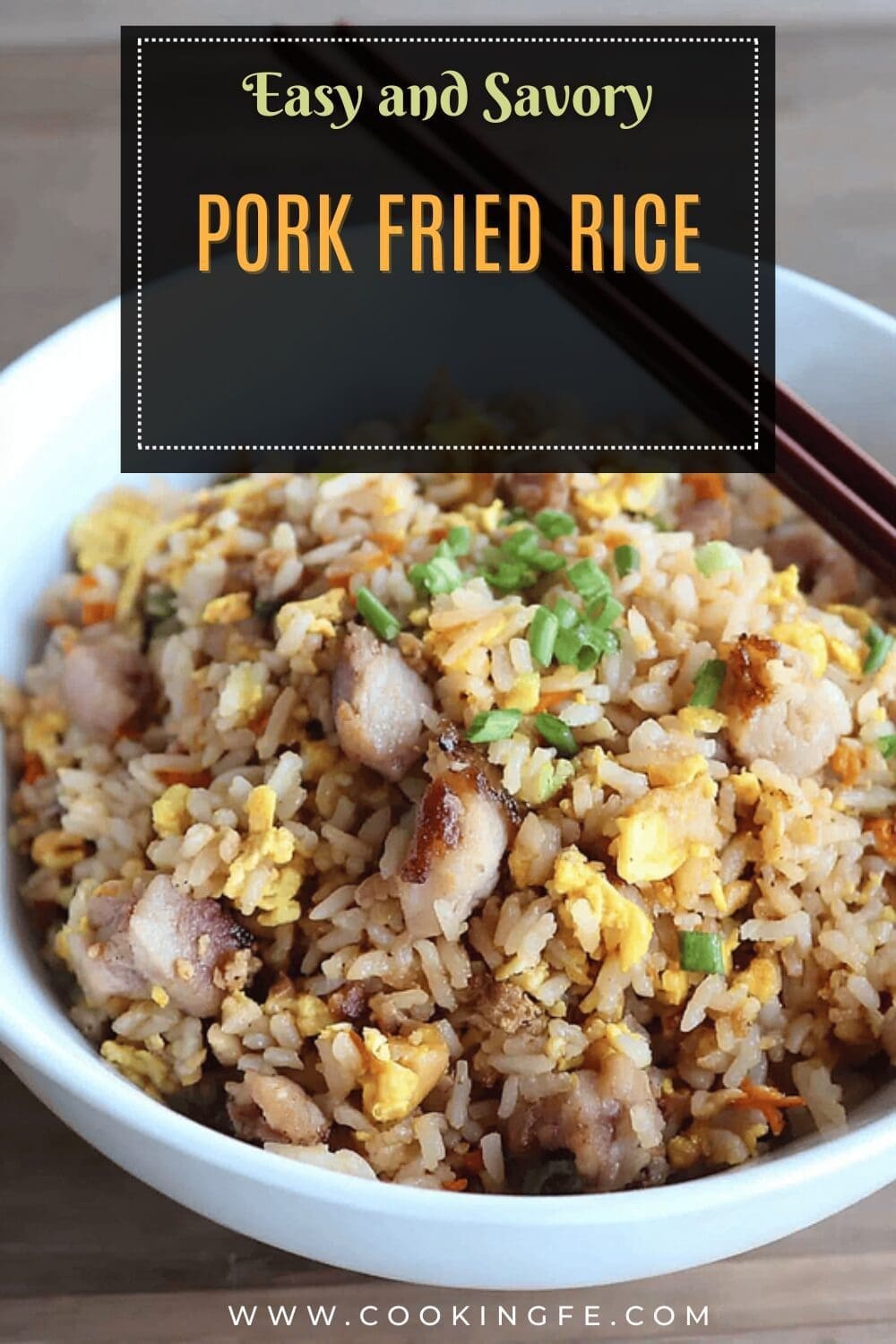
Imagine whipping up a delicious meal that brings restaurant-quality flavors right to your kitchen table in no time. Pork fried rice combines the savory taste of juicy pork with fluffy rice and fresh veggies, making it a go-to dish for busy days. Not only is it simple to prepare, but it also packs a punch of nutrients that can fit into various lifestyles.
One of the biggest draws to this pork fried rice is how easy it is to put together. With quick steps and a short cooking time of about 25 minutes, even beginners can handle it without much fuss. Plus, you’ll appreciate the health benefits, like the protein from the pork and vitamins from the veggies, which make it a well-rounded option for anyone watching their diet.
Here are some main benefits to get you excited:
- Ease of preparation: This pork fried rice comes together in simple steps, with a total time of just 25 minutes, perfect for busy parents or working professionals who need a fast meal. Using everyday ingredients means you won’t have to run to the store, and the quick stir-frying method keeps things straightforward.
- Health benefits: Each serving offers about 16g of protein and essential nutrients like vitamin C and iron, supporting energy levels and overall wellness. It’s a lighter choice compared to takeout, with options to add more veggies for those who are diet-conscious.
- Versatility: Adapt this pork fried rice to suit different needs, whether you’re making it gluten-free or vegan, which makes it ideal for families with varied preferences. Food enthusiasts and travelers will love how it travels well for lunches or picnics.
- Distinctive flavor: The sweet-savory taste from the char siu-style pork stands out, blending honey, soy sauce, and sesame oil for a unique twist that feels like a treat every time. It’s this special combination that keeps everyone coming back for more.
Whether you’re a student grabbing a quick bite or a senior looking for something comforting, this pork fried rice delivers on taste and simplicity. By incorporating these elements, you’ll find it becomes a staple in your meal rotation.
Jump to:
- Why You’ll Love This Pork Fried Rice
- Essential Ingredients for Pork Fried Rice
- How to Prepare the Perfect Pork Fried Rice: Step-By-Step Guide
- First Step: Prepare the Sauce
- Second Step: Fluff the Rice
- Third Step: Sauté the Onion
- Fourth Step: Add the Pork and Ginger
- Fifth Step: Stir-Fry the Rice
- Sixth Step: Incorporate Veggies and Eggs
- Final Step: Serve and Enjoy
- Dietary Substitutions to Customize Your Pork Fried Rice
- Protein and Main Component Alternatives
- Vegetable, Sauce, and Seasoning Modifications
- Mastering Pork Fried Rice: Advanced Tips and Variations
- How to Store Pork Fried Rice: Best Practices
- FAQs: Frequently Asked Questions About Pork Fried Rice
- What kind of pork is used in traditional pork fried rice?
- What type of rice should I use to make pork fried rice at home?
- How can I prevent pork fried rice from becoming soggy?
- Can I make pork fried rice healthier without losing flavor?
- What are some common mistakes to avoid when cooking pork fried rice?
- pork fried rice
- Ingredients
- Instructions
- Last Step:
- Notes
- Nutrition
- Did you make this recipe?
Essential Ingredients for Pork Fried Rice
Gathering the right ingredients is key to creating that perfect pork fried rice at home. Each one plays a specific role in building flavor and texture, from the base rice to the seasonings that tie it all together. Let’s break down the list so you can see exactly what makes this dish shine.
For this recipe, which makes about 6 servings, you’ll need the following items. I’ve listed them with precise measurements to make shopping and cooking a breeze. Remember, using fresh, quality ingredients can really boost the final taste.
- 1 Tbsp hot water
- 1 tsp honey
- 1 tsp sesame oil
- 1 tsp Shaoxing wine (or dry sherry)
- 1 Tbsp soy sauce (regular)
- 1 tsp dark soy sauce
- ¼ tsp white pepper
- 5 cups cooked jasmine rice (add 1 tsp oil to the rice while cooking)
- 1 Tbsp cooking oil (for the wok)
- 1 medium onion, diced
- 1 lb (≈450 g) char siu-style pork, cut into ½-inch cubes
- 1 tsp freshly grated ginger
- ½ cup mung bean sprouts
- 2 eggs, scrambled
- 2 scallions, chopped
- Pinch of salt (optional)
Each ingredient has a purpose: for example, the jasmine rice provides a fragrant base, while the soy sauces and honey add that signature sweet-savory depth. Now, for those with special dietary needs, here are some easy swaps. If you’re going vegan, replace the pork with tofu or mushrooms and use flax eggs instead of regular eggs. For gluten-free options, swap soy sauce for tamari, and choose low-sodium versions to cut back on salt for diet-conscious folks. These changes keep the dish tasty while fitting your lifestyle.
How to Prepare the Perfect Pork Fried Rice: Step-By-Step Guide
Getting pork fried rice just right involves a few key steps that ensure everything cooks evenly and tastes amazing. Start by prepping your ingredients ahead of time, as stir-frying moves quickly. You’ll need a wok or large skillet, and remember to use medium heat to avoid burning.
First Step: Prepare the Sauce
In a small bowl, whisk together 1 Tbsp hot water, 1 tsp honey, 1 tsp sesame oil, 1 tsp Shaoxing wine, 1 Tbsp soy sauce, 1 tsp dark soy sauce, and ¼ tsp white pepper to create the finishing sauce. This takes about 2 minutes and can be done while your other ingredients are ready. If you’re adapting for dietary preferences, use gluten-free soy sauce here to keep things inclusive.
Second Step: Fluff the Rice
Fluff the 5 cups of cooked jasmine rice with a fork or your hands to break up any large clumps. If your rice is fresh, add 1 tsp oil while cooking for better separation; if it’s chilled, this step ensures it stir-fries nicely. For variations, you could use brown rice for extra fiber, which might add a minute or two to the overall time.
Third Step: Sauté the Onion
Heat a wok or large skillet over medium heat and add 1 Tbsp cooking oil. Sauté 1 medium diced onion until it’s translucent, which takes about 3 minutes. Keep the heat steady to bring out the sweetness without browning too much. If you want to reduce oil for a lighter version, use a non-stick pan and spritz with cooking spray instead.
Fourth Step: Add the Pork and Ginger
Stir in 1 lb of char siu-style pork cut into ½-inch cubes, along with 1 tsp freshly grated ginger, and cook briefly for about 2 minutes to heat through. This step infuses the dish with that signature pork flavor. For those watching calories, opt for leaner cuts of pork and monitor the cooking time to avoid overcooking, which could make it tough.
Fifth Step: Stir-Fry the Rice
Add the fluffed rice to the wok and stir-fry for 5 minutes if the rice is cold, or just a quick toss if it’s fresh. Use a scooping motion to mix everything evenly. Pour the prepared sauce over the rice, add a pinch of salt if needed, and continue tossing to coat everything. This is where the magic happens, so keep the heat at medium to prevent sticking adjust for high altitudes by increasing time slightly.
Sixth Step: Incorporate Veggies and Eggs
Mix in ½ cup mung bean sprouts, 2 scrambled eggs, and 2 chopped scallions, then stir for another 1-2 minutes until heated through. The veggies add crunch and nutrition, while the eggs provide protein. If you’re making it for kids, you might add more veggies at this point for extra color and appeal.
Final Step: Serve and Enjoy
Serve immediately, perhaps with extra hot sauce on the side, for a total cook time of about 10 minutes after prep. The whole process clocks in at around 25 minutes, making it ideal for busy schedules. For a twist, let it cool slightly before packing for lunches, and always use a hot pan to keep the texture just right.
This guide ensures your pork fried rice turns out perfect every time, with adaptations for different needs built in.

Dietary Substitutions to Customize Your Pork Fried Rice
Protein and Main Component Alternatives
Swapping the main protein in pork fried rice can make it fit various diets without losing that hearty feel. Instead of char siu-style pork, try tofu for a vegetarian option or chicken for a lighter protein. These changes keep the dish flavorful while reducing calories or accommodating preferences.
Vegetable, Sauce, and Seasoning Modifications
Enhance your pork fried rice by varying the veggies, like swapping mung bean sprouts for bell peppers or broccoli. For sauces, use tamari instead of soy sauce for gluten-free versions, or reduce honey for a low-sugar twist. Seasonings can be adjusted with herbs to add a fresh spin, making the dish adaptable for everyone from food enthusiasts to health-focused eaters. Explore more variations like this in our easy fried rice guide.
Mastering Pork Fried Rice: Advanced Tips and Variations
Once you nail the basics, take your pork fried rice to the next level with some pro techniques. For instance, using chilled rice helps it stay separate and fluffy during stir-frying. Here are a few expert tips to improve your results:
- Use a wok for even heat distribution, and pre-mix your sauce to add it quickly.
- Try flavor variations like adding garlic or chili for a spicy kick.
- For presentation, garnish with extra scallions to make it look inviting for special occasions.
- Make ahead by preparing ingredients in advance and storing them for quick meals.
- Incorporate homemade char siu pork for authentic taste just marinate and roast it yourself. Check out this classic recipe for more ideas.
Creative variations might include mixing in nuts for crunch or turning it into a wrap for fun twists. These tips ensure your pork fried rice stays exciting and adaptable.
How to Store Pork Fried Rice: Best Practices
Proper storage keeps your pork fried rice fresh and safe to eat later. After cooking, let it cool to room temperature within two hours to prevent bacterial growth. For refrigeration, place it in an airtight container and store for up to 3-4 days in the fridge. Learn more about general food storage in our detailed guide.
Freezing works well for longer-term options portion it into freezer-safe bags and keep it for up to 2 months. When reheating, use a skillet over medium heat to restore crispness, or microwave with a cover to avoid drying out. For meal prep, divide into single servings for easy grab-and-go lunches, ensuring it remains tasty for busy professionals.
FAQs: Frequently Asked Questions About Pork Fried Rice
What kind of pork is used in traditional pork fried rice?
What type of rice should I use to make pork fried rice at home?
How can I prevent pork fried rice from becoming soggy?
Can I make pork fried rice healthier without losing flavor?
What are some common mistakes to avoid when cooking pork fried rice?

pork fried rice
🍚 Bring home the bold, sweet‑savory flavor of restaurant‑style pork fried rice in just 25 minutes.
🐖 Tender char‑siu pork and aromatic jasmine rice combine for a satisfying, crowd‑pleasing meal.
- Total Time: 25 minutes
- Yield: Approximately 6 servings
Ingredients
– 1 Tbsp hot water
– 1 tsp honey
– 1 tsp sesame oil
– 1 tsp Shaoxing wine (or dry sherry)
– 1 Tbsp soy sauce (regular)
– 1 tsp dark soy sauce
– ¼ tsp white pepper
– 5 cups cooked jasmine rice (add 1 tsp oil to the rice while cooking)
– 1 Tbsp cooking oil (for the wok)
– 1 medium onion, diced
– 1 lb (≈450 g) char siu-style pork, cut into ½-inch cubes
– 1 tsp freshly grated ginger
– ½ cup mung bean sprouts
– 2 eggs, scrambled
– 2 scallions, chopped
– Pinch of salt (optional)
Instructions
1- Step 1: Prepare the Ingredients* Bring a large pot of salted water to a boil.* Cook 140g medium egg noodles according to package instructions.* Drain noodles and vegetables; set aside.
Last Step:
Please leave a rating and comment letting us know how you liked this recipe! This helps our business to thrive and continue providing free, high-quality recipes for you.Notes
🍚 Use chilled, slightly dry jasmine rice for the best separation and texture.
🥢 Prepare the sauce in advance so it can be added quickly for a true wok‑style stir‑fry.
🔥 If you make your own char siu pork, marinate the pork overnight and roast it for deeper flavor.
- Prep Time: 15 minutes
- Cook Time: 10 minutes
- Category: Main Dish
- Method: Stir‑Fry
- Cuisine: Chinese
- Diet: Omnivore
Nutrition
- Serving Size: 1 cup
- Calories: 377
- Sugar: 13 g
- Sodium: 1086 mg
- Fat: 10 g
- Saturated Fat: 3 g
- Unsaturated Fat: 7 g
- Trans Fat: 0 g
- Carbohydrates: 55 g
- Fiber: 1 g
- Protein: 16 g
- Cholesterol: 87 mg