Why You’ll Love This Alfajor
As a beloved sweet treat from South America, alfajor combines simple ingredients into a delightful dessert that appeals to many. This alfajor recipe stands out for its ease of preparation, making it perfect for home cooks and busy parents who want a quick bake. You’ll appreciate how it delivers health benefits through wholesome nuts and natural sweeteners while offering versatility for dietary needs.
One of the key draws is its nutritional value, with ingredients like nuts providing healthy fats and proteins that support overall wellness. For baking enthusiasts and those planning celebrations, this treat adapts easily, whether you’re aiming for vegan options or low-calorie versions. Its rich flavor profile, featuring spices and honey, creates a memorable experience that fits into various occasions, from family gatherings to everyday snacks.
Beyond taste, alfajor carries cultural significance as a classic South American sweet treat, often enjoyed in regions like Argentina and Uruguay. Preparation time is just 1 to 2 hours, including mixing and baking, which makes it ideal for students or working professionals. Overall, this recipe brings joy and flexibility, helping you create lasting memories with every batch.
Key Features of This Recipe
- Simple Steps: Minimal ingredients and straightforward instructions mean anyone can succeed.
- Customizable: Adapt for gluten-free or vegan diets without losing the essence.
- Cultural Touch: Rooted in traditions, it adds a fun element to your baking adventures.
Alfajors vary by region, from original honey and nut cylinders to modern sandwich styles, and their popularity makes them a staple for travelers exploring new flavors. For more ideas on simple desserts, check out this no-churn ice cream recipe on our site.
Jump to:
- Why You’ll Love This Alfajor
- Key Features of This Recipe
- Essential Ingredients for Alfajor
- Main Ingredients
- Special Dietary Options
- How to Prepare the Perfect Alfajor: Step-by-Step Guide
- Initial Preparation
- Mixing the Dough
- Shaping and Baking
- Assembling and Finishing
- Dietary Substitutions to Customize Your Alfajor
- Mastering Alfajor: Advanced Tips and Variations
- How to Store Alfajor: Best Practices
- FAQs: Frequently Asked Questions About Alfajor
- What is an alfajor and what ingredients are typically used?
- How did alfajores originate and what does the name mean?
- What are the main differences between Spanish and Latin American alfajores?
- Why are alfajores so popular in Argentina?
- Are there size regulations or traditional presentations for alfajores?
- Alfajor
- Ingredients
- Instructions
- Last Step:
- Notes
- Nutrition
- Did you make this recipe?
Essential Ingredients for Alfajor
Creating the perfect alfajor starts with selecting high-quality ingredients that capture the essence of this classic South American sweet treat. The recipe relies on a balance of flour, sweeteners, and spices to achieve its signature texture and flavor. Below is a comprehensive list of all ingredients needed, extracted directly from the provided details, formatted for clarity.
Main Ingredients
- 200g all-purpose flour – provides the structure and base for the alfajor dough
- 150g dulce de leche – the classic filling offering sweet, creamy flavor
- 100g powdered sugar – used for dusting to add sweetness and visual appeal
- 100g butter, softened – adds richness and moisture to the dough
- 1 teaspoon baking powder – helps the dough rise slightly for a tender texture
- 2 eggs – bind the ingredients together and contribute to the dough’s stability
- Flour – part of the classic mix incorporating flour for the dough
- Almonds – roasted and chopped, adding nuts for texture and healthy fats
- Hazelnuts – roasted and chopped, providing additional crunch and protein
- Breadcrumbs – made from baked bagels without yeast or salt
- Sugar – for sweetness in the dough
- Honey – pure honey used in the dough for natural sweetness
- Spices such as aniseed, sesame, cilantro, cloves, and cinnamon – enhance flavor and aroma
Special Dietary Options
- Vegan: Substitute butter with plant-based margarine and use a flax egg instead of 2 eggs
- Gluten-free: Replace all-purpose flour with an equal amount of almond flour or gluten-free baking mix
- Low-calorie: Use sugar substitutes such as erythritol instead of 100g powdered sugar and light butter alternatives instead of 100g butter
These ingredients form cylinders typically weighing about 30 grams each, measuring 7 centimeters in length and 1.5 centimeters in diameter. Using high-quality natural ingredients like pure honey and freshly roasted nuts enhances the overall flavor, as they provide essential proteins, healthy fats, and natural sweeteners.
How to Prepare the Perfect Alfajor: Step-by-Step Guide
Mastering this alfajor recipe involves a series of straightforward steps that result in a delicious South American sweet treat. Begin by organizing your kitchen to ensure smooth preparation, which generally takes 1 to 2 hours including baking and cooling. This guide incorporates both classic and regional variations for a versatile outcome.
Initial Preparation
First, prepare your workspace by gathering all ingredients and preheating the oven to 180°C (350°F). If using dietary substitutions, ensure alternatives are ready to maintain the dough’s texture and flavor.
Mixing the Dough
In a mixing bowl, combine the 200g all-purpose flour, 1 teaspoon baking powder, and 100g powdered sugar. Mix well to distribute the leavening agent evenly, then add 100g softened butter and 2 eggs. Blend thoroughly until a soft dough forms, adjusting for vegan or gluten-free options as needed.
Shaping and Baking
Roll out the dough on a floured surface to about 5mm thickness and use a round cutter to shape the alfajores. Place the dough circles on a baking tray lined with parchment paper and bake for 10-12 minutes or until edges are lightly golden. The dough, made from flour, honey, nuts, sugar, and spices like aniseed and cinnamon, should bake until firm yet tender.
Assembling and Finishing
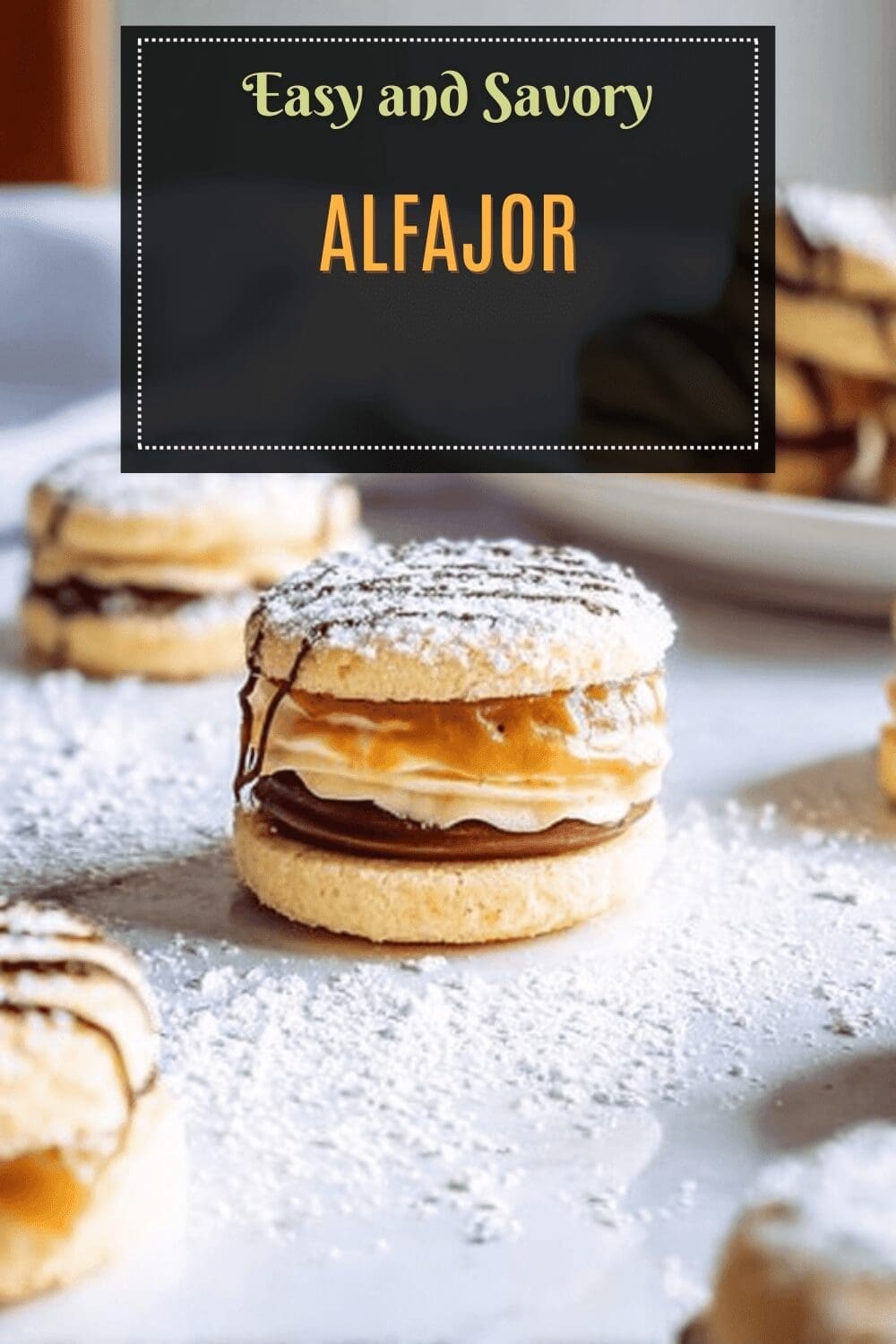
Allow the baked cookies to cool completely before assembling. Spread a generous amount of 150g dulce de leche on one cookie and sandwich it with another; for variations, consider coatings like powdered sugar, chocolate, or meringue. Dust the finished alfajores and serve, noting that filled versions may add extra assembly time. For more baking inspiration, explore our no-churn ice cream recipe for complementary desserts.

Dietary Substitutions to Customize Your Alfajor
Adapting this alfajor recipe allows it to suit various preferences, making it accessible for diet-conscious individuals and food enthusiasts. By swapping key ingredients, you can maintain the classic flavor while addressing needs like vegan or gluten-free diets. These changes ensure everyone, from newlyweds to seniors, can enjoy this South American favorite.
Protein and main component alternatives include using plant-based proteins such as tofu or chickpea flour for a vegan twist. For vegetable, sauce, and seasoning modifications, replace traditional dulce de leche with fruit preserves or vegan caramel and add spices like cinnamon. These substitutions, based on the original ingredients of flour, nuts, and honey, help achieve a firm yet tender texture.
Mastering Alfajor: Advanced Tips and Variations
Elevating your alfajor goes beyond the basics, incorporating pro techniques and creative twists to enhance this classic South American sweet treat. Use chilled dough to prevent spreading during baking and a fine sieve for even dusting of powdered sugar. Experimenting with flavors, like adding citrus zest or infusing dulce de leche with coffee, can create a gourmet version.
Alfajores are moderately high in calories due to sugar, honey, and nuts, providing carbohydrates, fats, proteins, and sugars, with nuts contributing healthy fats and protein. Control baking time and ingredient ratios to achieve the ideal texture, and for presentation, plate on decorative trays with fresh fruit. Make-ahead options include preparing dough and filling separately, then assembling just before serving to preserve freshness.
| Tip Category | Description |
|---|---|
| Flavor Variations | Add chopped nuts or spices like aniseed for complexity |
| Preparation Hacks | Adjust ratios for a 1-2 hour prep time |
Remember, using high-quality ingredients like pure honey and freshly roasted nuts enhances flavor and maintains freshness when wrapped properly.
How to Store Alfajor: Best Practices
Proper storage keeps your alfajor fresh and delicious, preventing issues like humidity damage. Store in an airtight container in the refrigerator for up to one week, or freeze for longer. This method works well for busy parents and working professionals who prepare in advance.
- Refrigeration helps maintain moisture and flavor.
- Freezing preserves quality for up to 2 months.
- Reheating restores softness without affecting the filling.
Nutritionally, these practices help retain the healthy fats from nuts while minimizing waste, aligning with the dessert’s role as a balanced indulgence. For regional insights, check out a brief history of alfajores.
FAQs: Frequently Asked Questions About Alfajor
What is an alfajor and what ingredients are typically used?
How did alfajores originate and what does the name mean?
What are the main differences between Spanish and Latin American alfajores?
Why are alfajores so popular in Argentina?
Are there size regulations or traditional presentations for alfajores?

Alfajor
🍯 Discover the classic Alfajor, a traditional South American sweet treat blending honey, nuts, and aromatic spices.
🌰 This recipe offers a delightful texture and rich flavor, perfect for enjoying with tea or as a decadent dessert.
- Total Time: 1 to 2 hours
- Yield: Varies depending on size and dough quantity
Ingredients
– 200g all-purpose flour provides the structure and base for the alfajor dough
– 150g dulce de leche the classic filling offering sweet, creamy flavor
– 100g powdered sugar used for dusting to add sweetness and visual appeal
– 100g butter, softened adds richness and moisture to the dough
– 1 teaspoon baking powder helps the dough rise slightly for a tender texture
– 2 eggs bind the ingredients together and contribute to the dough’s stability
– Flour part of the classic mix incorporating flour for the dough
– Almonds roasted and chopped, adding nuts for texture and healthy fats
– Hazelnuts roasted and chopped, providing additional crunch and protein
– Breadcrumbs made from baked bagels without yeast or salt
– Sugar for sweetness in the dough
– Honey pure honey used in the dough for natural sweetness
– Spices such as aniseed, sesame, cilantro, cloves, and cinnamon enhance flavor and aroma
Instructions
1-Initial Preparation: First, prepare your workspace by gathering all ingredients and preheating the oven to 180°C (350°F). If using dietary substitutions, ensure alternatives are ready to maintain the dough’s texture and flavor.
2-Mixing the Dough: In a mixing bowl, combine the 200g all-purpose flour, 1 teaspoon baking powder, and 100g powdered sugar. Mix well to distribute the leavening agent evenly, then add 100g softened butter and 2 eggs. Blend thoroughly until a soft dough forms, adjusting for vegan or gluten-free options as needed.
3-Shaping and Baking: Roll out the dough on a floured surface to about 5mm thickness and use a round cutter to shape the alfajores. Place the dough circles on a baking tray lined with parchment paper and bake for 10-12 minutes or until edges are lightly golden. The dough, made from flour, honey, nuts, sugar, and spices like aniseed and cinnamon, should bake until firm yet tender.
4-Assembling and Finishing: Allow the baked cookies to cool completely before assembling. Spread a generous amount of 150g dulce de leche on one cookie and sandwich it with another; for variations, consider coatings like powdered sugar, chocolate, or meringue. Dust the finished alfajores and serve, noting that filled versions may add extra assembly time. For more baking inspiration, explore our no-churn ice cream recipe for complementary desserts.
Last Step:
Please leave a rating and comment letting us know how you liked this recipe! This helps our business to thrive and continue providing free, high-quality recipes for you.Notes
🍯 Use high-quality pure honey and freshly roasted nuts to enhance the natural flavors.
🌡️ Monitor baking time and temperature closely to achieve the perfect tender yet firm texture.
🎨 Experiment with spice levels and nut combinations for personalized flavor variations.
- Prep Time: 1 to 2 hours
- Category: Dessert
- Method: Baking
- Cuisine: South American
Nutrition
- Serving Size: 1 alfajor