Why You’ll Love This Apple Cider
As a home cook who’s all about simple joys, you’ll find this apple cider recipe hits just the right notes for cozy evenings or festive gatherings. It’s made with fresh ingredients that bring out that perfect blend of sweetness and spice, and it’s super straightforward to whip up. Let’s dive into why this drink stands out as a go-to choice for anyone craving a comforting, homemade beverage.
- Ease of Preparation: This apple cider comes together with minimal fuss, taking just about 20 minutes to prep and relying on your slow cooker to do the rest. The simple steps make it ideal for busy parents or working professionals who want a tasty treat without spending hours in the kitchen. You’ll love how effortlessly it transforms everyday fruit into a warm, inviting drink, making fresh apple cider accessible even on your busiest days.
- Health Benefits: Packed with natural goodness from apples and spices, this apple cider offers a refreshing boost without the added alcohol, perfect for diet-conscious folks or families. Apples bring vitamins and antioxidants that support wellness, while the spices add a touch of warmth that can aid digestion. It’s a versatile option for students and seniors looking for a wholesome alternative to sugary drinks, helping you enjoy apple cider’s natural perks while customizing it to fit various health goals.
- Versatility: Whether you’re serving it hot for a holiday party or chilled for a summer refreshment, this recipe adapts beautifully to different needs. Baking enthusiasts and celebration planners can tweak it for dietary preferences like vegan or gluten-free options, making it a hit with newlyweds, travelers, or anyone hosting a crowd. The flexibility lets you experiment while keeping the core of apple cider’s flavorful essence intact.
- Distinctive Flavor: What sets this apple cider apart is the harmonious mix of sweet and tart apples with aromatic spices, creating a depth that feels truly homemade. The addition of orange and cinnamon gives it a bright, comforting profile that’s hard to resist, appealing to food enthusiasts who appreciate layers of taste. This unique combination ensures every sip of apple cider feels special, encouraging you to make it a staple for memorable moments.
Jump to:
- Why You’ll Love This Apple Cider
- Essential Ingredients for Apple Cider
- How to Prepare the Perfect Apple Cider: Step-by-Step Guide
- Step 1: Getting Everything Ready
- Step 2: Combining the Ingredients
- Step 3: Simmering and Mashing
- Step 4: Straining the Mixture
- Step 5: Final Adjustments and Serving
- Additional Steps for Variations
- Dietary Substitutions to Customize Your Apple Cider
- Protein and Main Component Alternatives
- Vegetable, Sauce, and Seasoning Modifications
- Mastering Apple Cider: Advanced Tips and Variations
- How to Store Apple Cider: Best Practices
- FAQs: Frequently Asked Questions About Apple Cider
- What types of apples are best for making apple cider?
- How much sugar should I add to homemade apple cider?
- Can I make apple cider without a slow cooker?
- How long does homemade apple cider last in the refrigerator?
- Is it better to use whole cloves or ground cloves in apple cider?
- Apple Cider
- Ingredients
- Instructions
- Last Step:
- Notes
- Nutrition
- Did you make this recipe?
Essential Ingredients for Apple Cider
Gathering the right ingredients is the key to brewing up a delicious batch of apple cider that warms you from the inside out. Each item plays a specific role in building the flavor, from providing a juicy base to adding that perfect spice. Here’s a clear list to help you get started, with exact measurements for easy shopping and prep.
- 10 medium apples (a mix of sweet and tart varieties) – These form the hearty base, offering natural sweetness and tang to create the cider’s core flavor.
- 1 orange, peeled and segmented – Adds a bright citrus note that enhances freshness and balances the spices.
- 4 cinnamon sticks or 1 tablespoon ground cinnamon – Infuses warm, aromatic spice that defines the cider’s cozy appeal.
- 1 teaspoon ground cloves – Brings a deep, earthy warmth that complements the other flavors without overpowering.
- 6 tablespoons (75g) granulated sugar, adjustable to taste (for example, use 1/4 cup for less sweet or 1/2 cup for sweeter) – Provides the right amount of sweetness to round out the cider, which you can tweak based on your preference.
- Water, enough to cover the fruit in the slow cooker – Acts as the liquid base to help extract and blend all the flavors during cooking.
For special dietary options, this recipe is naturally vegan since it uses plant-based ingredients, and it’s gluten-free as long as you stick to the listed items. If you’re watching calories, try reducing the sugar or opting for a natural alternative like honey or agave to keep things light while maintaining that signature apple cider taste.
How to Prepare the Perfect Apple Cider: Step-by-Step Guide
Step 1: Getting Everything Ready
Start by setting up your ingredients in a neat workspace, which makes the process smooth and enjoyable. Begin with washing and quartering the 10 medium apples, discarding the cores to avoid any bitter bits in your final apple cider. Also, peel and segment the orange, and measure out the spices and sugar this mise en place takes about 20 minutes and sets you up for success. For dietary tweaks, if you’re going vegan or low-calorie, have your sugar substitutes ready now to swap in seamlessly.
Step 2: Combining the Ingredients
Once prepped, add the quartered apples and orange segments to a 4-quart or larger slow cooker. Toss in the 4 cinnamon sticks (or 1 tablespoon ground cinnamon), 1 teaspoon ground cloves, and 6 tablespoons granulated sugar. Pour in enough water to just cover the fruit, creating a simple base for your apple cider. Cover the slow cooker and set it to low for 6-7 hours or high for 4 hours low heat works best for drawing out those deep flavors. If adapting for a low-calorie version, consider using less sugar from the start to keep things balanced.
Step 3: Simmering and Mashing
As the mixture cooks, the apples will soften, releasing their juices to build that rich apple cider taste. After the initial cooking time, remove the cinnamon sticks if used, then mash the softened fruit with a large spoon to extract more flavor be sure to return the cinnamon sticks afterward. Cover and cook for another hour to let everything meld together. For vegan or low-calorie adaptations, this is a great point to taste and adjust, perhaps using agave instead of sugar to maintain that natural sweetness without extra calories. Remember, occasional stirring helps, and the total simmer time here is key for flavor development.
Step 4: Straining the Mixture
Once done, carefully strain the mixture through a fine mesh strainer or cheesecloth into a heat-safe container, pressing gently on the solids to get every drop of that delicious apple cider. If it still looks a bit cloudy, strain it a second time for a clearer result trust me, it’s worth it for a smoother finish. This step takes a few minutes and allows for variations, like blending for a thicker cider if you prefer. Dietary notes: This process keeps things gluten-free and vegan, and for low-calorie options, you can dilute with a splash more water if needed.
Step 5: Final Adjustments and Serving
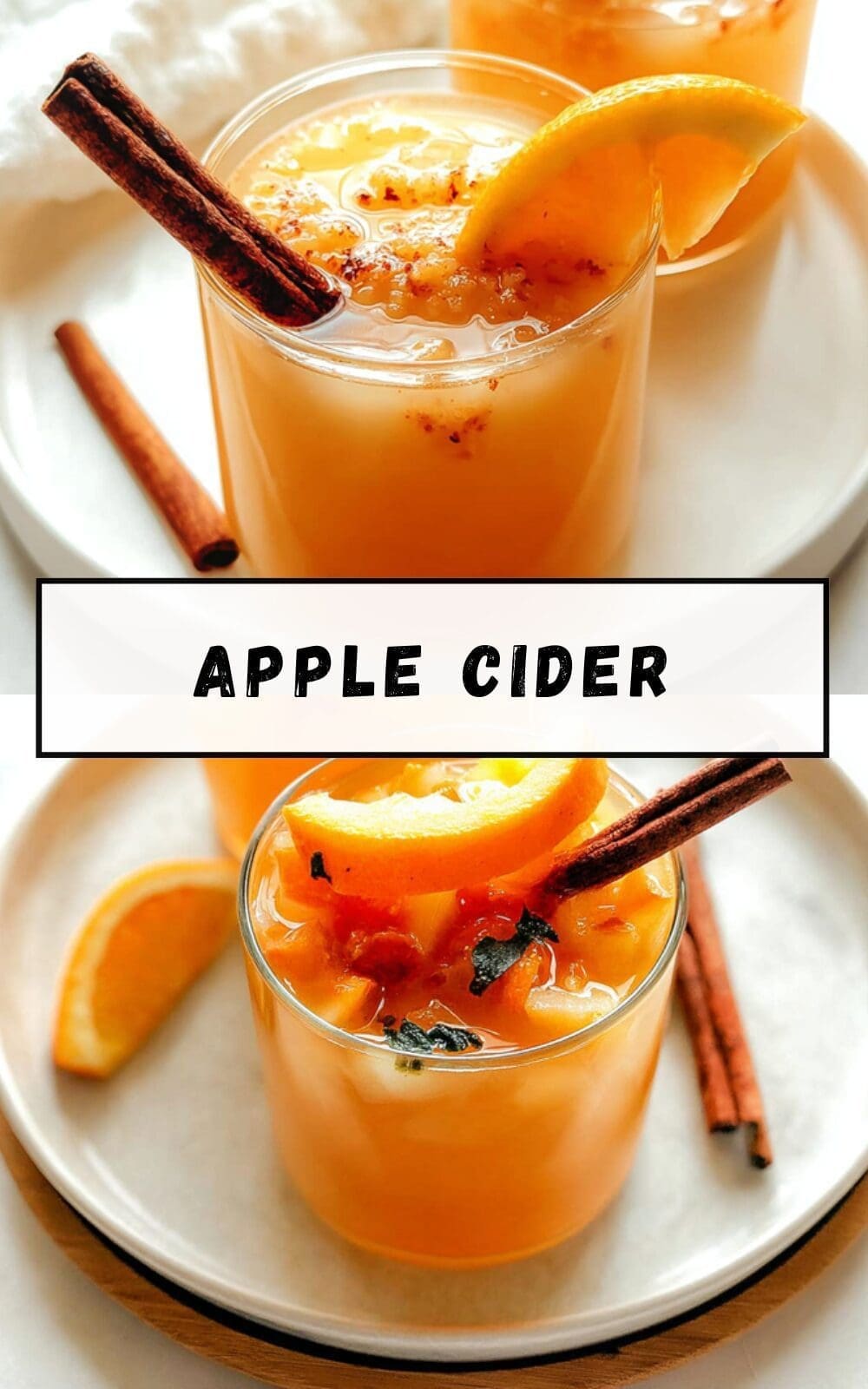
After straining, taste your apple cider and adjust the sweetness or spices as needed add a bit more sugar if it feels too tart, or a dash of cinnamon for extra warmth. If it’s cooled down, gently rewarm it on the stove. For spiced variations, simmer with additional spices like nutmeg for 5-10 minutes to amp up the flavor. Serve warm at around 65-75°C (150-170°F) for the best experience, garnishing with citrus slices or a cinnamon stick. If you’re making a cold version, let it cool to room temperature then chill to 4-8°C before serving. For here, For internal link: If you’re looking for more easy recipes to pair with your cider, check out our no-churn ice cream recipe for a creamy dessert option.
Additional Steps for Variations
To make this apple cider even more versatile, try a mulled version by adding extra spices at the end for another 5-10 minutes of cooking. For cold preparations, simply cool the mixture and refrigerate. These tweaks keep the recipe adaptable for all dietary needs, ensuring everyone can enjoy their customized apple cider.

Dietary Substitutions to Customize Your Apple Cider
Protein and Main Component Alternatives
When tweaking the main elements of your apple cider, focus on swaps that keep the drink fresh and flavorful. For lighter versions, use pure apple juice instead of fresh apples in the same quantity to cut down on prep time while maintaining that core apple taste. If you’re aiming for low-calorie options, switch to unsweetened juices or fruit concentrates, reducing the sugar by half to avoid excess sweetness. Vegan adaptations shine with plant-based sweeteners like maple syrup replace 6 tablespoons of granulated sugar with about 3/4 cup maple syrup and cut back on water by 2-3 tablespoons for a similar body and taste. These changes might make the cider a tad milder but keep it just as inviting for busy parents and food enthusiasts.
Vegetable, Sauce, and Seasoning Modifications
Spicing things up can make your apple cider even more personal try swapping cinnamon sticks for 1/2 teaspoon ground cinnamon per stick to ease straining and adjust intensity. For a milder profile, replace ground cloves with allspice in the same 1 teaspoon amount, which adds warmth without the bold edge. Fresh ginger, either 1 teaspoon powdered or a small knob sliced, can bring extra zest, perfect for seasonal twists. To suit gluten-free or allergen-free diets, stick to these natural spices and consider adding vanilla extract for a sugar-free sweetness boost. Remember to tweak quantities slightly for stronger flavors and adjust cooking time to blend everything smoothly, ensuring your apple cider remains a versatile favorite.
Mastering Apple Cider: Advanced Tips and Variations
Once you’re comfortable with the basics, let’s level up your apple cider game with some pro techniques that enhance depth and creativity. Start by slow-simmering at low heat to let flavors develop fully, or try roasting the apples first for a caramelized sweetness that adds complexity. For flavor variations, experiment with chai-spiced blends by tossing in cardamom and black pepper alongside the cinnamon for an exotic twist. You could even add a splash of brandy after cooling for a boozy option, or mix in fruits like pear for a fruity blend that appeals to travelers and celebration planners.
Presentation is key too dress up your apple cider with garnishes like citrus wheels or star anise in stylish mugs for that wow factor. For make-ahead ease, prepare a concentrated base and store it in the fridge for up to 5 days, or freeze it in ice cube trays for quick portions. External link: If you’re curious about more apple cider ideas, check out resources like this guide for homemade apple cider variations. These tips make apple cider not just a drink, but a canvas for your culinary adventures.
How to Store Apple Cider: Best Practices
Proper storage keeps your apple cider tasting fresh and flavorful for longer, whether you’re saving leftovers or prepping in advance. First, cool the cider to room temperature before transferring it to airtight containers like glass jars, which helps maintain its quality in the fridge for 4-5 days. If you notice any separation, just give it a gentle stir before serving to mix everything back. For longer-term options, freezing is a great choice pour the cider into freezer-safe containers with some headspace for expansion, and it can last up to 3 months.
When reheating, do it slowly on low heat to preserve the spices’ aroma, adding a bit of fresh juice if the flavor has dulled. For meal prep, make a concentrated batch to save space and rehydrate as needed, always labeling with dates for easy tracking. External link: For more on the benefits, explore apple health insights to see why storing it right matters.
FAQs: Frequently Asked Questions About Apple Cider
What types of apples are best for making apple cider?
How much sugar should I add to homemade apple cider?
Can I make apple cider without a slow cooker?
How long does homemade apple cider last in the refrigerator?
Is it better to use whole cloves or ground cloves in apple cider?

Apple Cider
🍏 Enjoy the fresh, homemade flavor of apple cider made with simple ingredients and easy steps.
🔥 This recipe offers a comforting, warm beverage perfect for chilly days or festive occasions.
- Total Time: 8 hours 20 minutes
- Yield: About 8 servings 1x
Ingredients
10 medium apples (a mix of sweet and tart varieties)
1 orange, peeled and segmented
4 cinnamon sticks or 1 tablespoon ground cinnamon
1 teaspoon ground cloves
6 tablespoons (75g) granulated sugar, adjustable to taste
Water, enough to cover the fruit in the slow cooker
Instructions
Step 1: Getting Everything Ready Start by setting up your ingredients in a neat workspace, which makes the process smooth and enjoyable. Begin with washing and quartering the 10 medium apples, discarding the cores to avoid any bitter bits in your final apple cider. Also, peel and segment the orange, and measure out the spices and sugar this mise en place takes about 20 minutes and sets you up for success. For dietary tweaks, if you’re going vegan or low-calorie, have your sugar substitutes ready now to swap in seamlessly.
Step 2: Combining the Ingredients Once prepped, add the quartered apples and orange segments to a 4-quart or larger slow cooker. Toss in the 4 cinnamon sticks (or 1 tablespoon ground cinnamon), 1 teaspoon ground cloves, and 6 tablespoons granulated sugar. Pour in enough water to just cover the fruit, creating a simple base for your apple cider. Cover the slow cooker and set it to low for 6-7 hours or high for 4 hours low heat works best for drawing out those deep flavors. If adapting for a low-calorie version, consider using less sugar from the start to keep things balanced.
Step 3: Simmering and Mashing As the mixture cooks, the apples will soften, releasing their juices to build that rich apple cider taste. After the initial cooking time, remove the cinnamon sticks if used, then mash the softened fruit with a large spoon to extract more flavor be sure to return the cinnamon sticks afterward. Cover and cook for another hour to let everything meld together. For vegan or low-calorie adaptations, this is a great point to taste and adjust, perhaps using agave instead of sugar to maintain that natural sweetness without extra calories. Remember, occasional stirring helps, and the total simmer time here is key for flavor development.
Step 4: Straining the Mixture Once done, carefully strain the mixture through a fine mesh strainer or cheesecloth into a heat-safe container, pressing gently on the solids to get every drop of that delicious apple cider. If it still looks a bit cloudy, strain it a second time for a clearer result trust me, it’s worth it for a smoother finish. This step takes a few minutes and allows for variations, like blending for a thicker cider if you prefer. Dietary notes: This process keeps things gluten-free and vegan, and for low-calorie options, you can dilute with a splash more water if needed.
Step 5: Final Adjustments and Serving After straining, taste your apple cider and adjust the sweetness or spices as needed add a bit more sugar if it feels too tart, or a dash of cinnamon for extra warmth. If it’s cooled down, gently rewarm it on the stove. For spiced variations, simmer with additional spices like nutmeg for 5-10 minutes to amp up the flavor. Serve warm at around 65-75°C (150-170°F) for the best experience, garnishing with citrus slices or a cinnamon stick. If you’re making a cold version, let it cool to room temperature then chill to 4-8°C before serving. For here, For internal link: If you’re looking for more easy recipes to pair with your cider, check out our no-churn ice cream recipe for a creamy dessert option.
Additional Steps for Variations: To make this apple cider even more versatile, try a mulled version by adding extra spices at the end for another 5-10 minutes of cooking. For cold preparations, simply cool the mixture and refrigerate. These tweaks keep the recipe adaptable for all dietary needs, ensuring everyone can enjoy their customized apple cider.
Last Step:
Please leave a rating and comment letting us know how you liked this recipe! This helps our business to thrive and continue providing free, high-quality recipes for you.Notes
🍎 Use a combination of sweet and tart apples to create a balanced flavor.
🍬 Adjust sugar to your taste, or add it after cooking for better control.
🍯 Experiment with spices like nutmeg or ginger, or substitute honey or brown sugar for granulated sugar.
- Prep Time: 20 minutes
- Cook Time: 7 hours
- Cook Time: 7 hours
- Category: Beverage
- Method: Slow Cooking
- Cuisine: American
- Diet: Vegetarian
Nutrition
- Serving Size: 1 cup