Why You’ll Love This Beef Stew
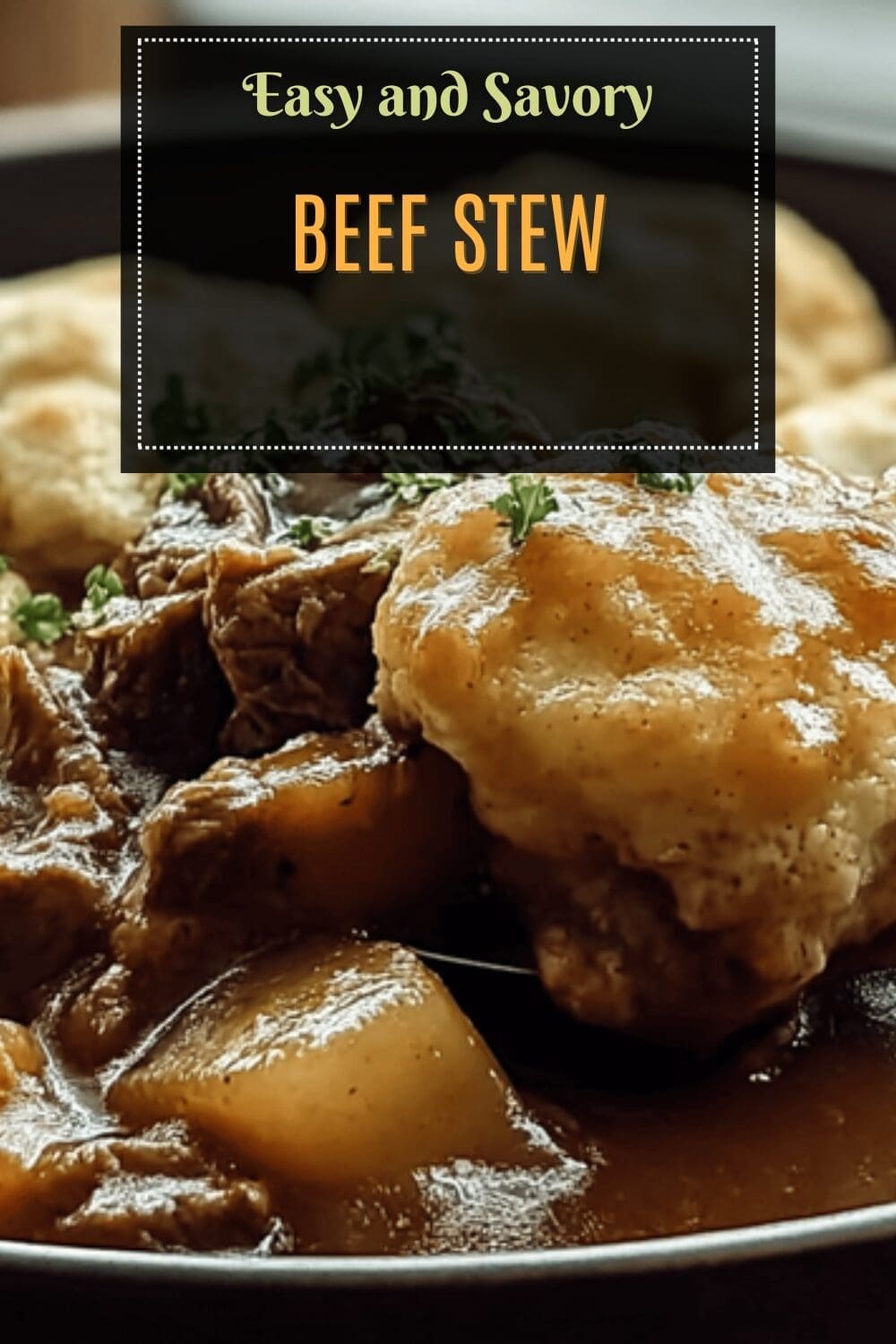
There’s something truly comforting about a warm bowl of beef stew, especially on a chilly evening. This beef stew recipe delivers that hearty, homemade flavor that makes it a favorite among home cooks and busy families alike. With its simple preparation and rich taste, it’s an easy way to bring everyone together for a satisfying meal.
Beyond the delicious flavor, this beef stew is packed with protein from tender beef and a mix of vegetables, supporting your daily nutrition needs. It’s versatile enough to fit various lifestyles, whether you’re adapting it for dietary preferences or just using what you have on hand. Let’s dive into what makes this dish stand out and why it should be your next go-to recipe.
One of the biggest perks of this beef stew is how straightforward it is to make, requiring just basic kitchen skills and everyday items. Imagine coming home after a long day and having a nourishing meal ready in about an hour and a half. Plus, the combination of savory broth, herbs, and veggies creates a depth of flavor that feels indulgent without being complicated.
Benefits for Everyday Life
For busy parents and working professionals, this recipe shines because it uses simple ingredients that you likely already have in your pantry. It’s not just about the taste; it’s about the health boost too, with nutrients from carrots, celery, and potatoes that help with energy and immunity. Food enthusiasts will appreciate how easily you can tweak it to create something new each time.
Students and seniors might love it for its heartiness without the fuss, while travelers can pack leftovers for a quick, comforting meal on the go. This beef stew even appeals to baking enthusiasts from blogs like ours, showing that savory dishes can be just as joyful as sweet cakes. All in all, it’s a recipe that builds community around the table.
Jump to:
- Why You’ll Love This Beef Stew
- Benefits for Everyday Life
- Essential Ingredients for Beef Stew
- Special Dietary Options
- How to Prepare the Perfect Beef Stew: Step-by-Step Guide
- Tips for Smooth Cooking
- Dietary Substitutions to Customize Your Beef Stew
- Mastering Beef Stew: Advanced Tips and Variations
- More Ways to Customize
- How to Store Beef Stew: Best Practices
- FAQs: Frequently Asked Questions About Beef Stew
- How do you properly sear beef for the best beef stew flavor?
- What methods can I use to thicken beef stew naturally?
- Can I freeze beef stew and how should I reheat it safely?
- What are some good side dishes to serve with beef stew?
- Why is browning the beef important for making beef stew?
- Beef Stew
- Ingredients
- Instructions
- Last Step:
- Notes
- Nutrition
- Did you make this recipe?
Essential Ingredients for Beef Stew
When it comes to making a flavorful beef stew, the right ingredients make all the difference. This section outlines everything you need, focusing on the precise measurements to ensure your stew turns out perfectly every time. We’ll start with the main components, drawing from time-tested combinations that deliver that rich, beef stew taste you crave.
Here is a comprehensive list of all the ingredients required for this recipe. Remember, using accurate quantities helps achieve the best results, so measure carefully before you begin.
- 2 pounds stewing beef, trimmed and cubed
- 3 tablespoons flour
- ½ teaspoon garlic powder
- ½ teaspoon salt
- ½ teaspoon black pepper
- 3 tablespoons olive oil, more as needed
- 1 onion, chopped
- 6 cups beef broth
- ½ cup red wine (optional)
- 1 pound potatoes, peeled and cubed
- 4 carrots, cut into 1 inch pieces
- 4 ribs celery, cut into 1 inch pieces
- 3 tablespoons tomato paste
- 1 teaspoon dried rosemary or 1 sprig fresh
- 2 tablespoons cornstarch or as needed
- 2 tablespoons water or as needed
- ¾ cup peas
These ingredients come together to create a balanced and nutritious beef stew. For instance, the beef provides protein while the vegetables add vitamins and fiber. If you’re looking to learn about beef nutrition and how it fits into a healthy diet, check out this helpful resource on beef’s role in meals.
Special Dietary Options
You can easily adapt this recipe for different needs. For a vegan twist, swap the beef for mushrooms or seitan and use vegetable broth instead. If gluten is a concern, stick with cornstarch as your thickener. These changes keep the beef stew accessible for everyone, from diet-conscious individuals to families with varied preferences.
How to Prepare the Perfect Beef Stew: Step-by-Step Guide
Getting beef stew just right involves a few key steps that build layers of flavor. Start by gathering your ingredients and tools to make the process smooth and enjoyable. This guide walks you through each part, ensuring even beginners can create a tasty pot of beef stew.
First, mix the dry seasonings: combine 3 tablespoons flour, ½ teaspoon garlic powder, ½ teaspoon salt, and ½ teaspoon black pepper, then toss 2 pounds of trimmed and cubed stewing beef in this mixture. This step helps the beef develop a nice crust and lock in flavors. Next, heat 3 tablespoons olive oil in a large pot over medium-high heat, and brown the beef in small batches, setting it aside once done.
After browning, add 1 chopped onion to the pot with more olive oil if needed, and cook for about 3 minutes until it softens. Then, pour in 6 cups beef broth and ½ cup red wine if you’re using it, scraping up those tasty browned bits from the bottom. Stir in the beef, 1 pound peeled and cubed potatoes, 4 carrots cut into 1-inch pieces, 4 ribs celery cut into 1-inch pieces, 3 tablespoons tomato paste, and 1 teaspoon dried rosemary; cover and simmer on medium-low for about 1 hour or up to 90 minutes until everything is tender.
To finish, prepare a slurry by mixing 2 tablespoons cornstarch with 2 tablespoons water, and add it to the boiling stew to reach your desired thickness, cooking for 1-2 minutes. Finally, stir in ¾ cup peas and simmer for 5-10 minutes, then season to taste. For more ideas on variations, you might enjoy a simple beef stew recipe that offers additional twists.
Tips for Smooth Cooking
Timing is key here: prep takes about 20 minutes, cooking runs 1 hour 10 minutes to 1 hour 30 minutes, for a total of around 1 hour 30 minutes. Keep an eye on the beef to ensure it’s tender, adding more time if needed. This method not only saves effort but also maximizes the rich beef stew flavor you’re aiming for.

Dietary Substitutions to Customize Your Beef Stew
Making beef stew your own is all about smart swaps that fit your lifestyle. Whether you’re watching calories or following a special diet, these changes keep the dish delicious and adaptable. Let’s explore options that make this recipe work for everyone.
For protein alternatives, swap the beef with tofu or tempeh for a vegan version, or use chicken for a lighter take. If you’re into veggies, try seasonal swaps like parsnips for carrots to add a fresh twist. These adjustments ensure your beef stew remains a go-to meal without losing its charm.
Incorporating different herbs or low-sodium broths can also enhance the experience. This flexibility is perfect for busy parents or health-focused eaters looking to enjoy home-cooked meals effortlessly.
Mastering Beef Stew: Advanced Tips and Variations
Once you have the basics down, elevating your beef stew becomes fun and rewarding. Pro techniques like marinating the beef overnight can make it even more tender, while using a pressure cooker speeds things up. These methods help you create a deeper, richer beef stew flavor with less effort.
Experiment with flavors by adding red wine or smoked paprika for a unique kick. For serving, think about presentation pair your stew with crusty bread or mashed potatoes. Make-ahead options, like freezing portions, are great for meal prep, letting the tastes improve over time. Remember, searing the beef first is crucial, as it enhances flavor through caramelization, a tip that’s handingly useful for any cook.
More Ways to Customize
If you’re storing for later, follow best practices to keep it fresh. This section builds on earlier advice, ensuring your beef stew stays versatile for all occasions, from family dinners to special gatherings.
How to Store Beef Stew: Best Practices
Proper storage keeps your beef stew tasty and safe for days. After cooling it to room temperature, pop it into airtight containers and refrigerate for up to 3-4 days. This simple step helps maintain that homemade beef stew quality you love.
For longer keeps, freeze in bags or containers, removing air to avoid freezer burn they’ll last up to 3 months. When reheating, thaw overnight in the fridge and warm on the stove, stirring to keep things even. Meal prep like this makes life easier for everyone, from students to working pros.
| Storage Method | Duration | Tips |
|---|---|---|
| Refrigeration | 3-4 days | Use airtight containers and label with dates |
| Freezing | Up to 3 months | Portion into bags and remove air |
| Reheating | N/A | Stir occasionally on low heat |
FAQs: Frequently Asked Questions About Beef Stew
How do you properly sear beef for the best beef stew flavor?
What methods can I use to thicken beef stew naturally?
Can I freeze beef stew and how should I reheat it safely?
What are some good side dishes to serve with beef stew?
Why is browning the beef important for making beef stew?

Beef Stew
🍲 This Beef Stew recipe delivers rich, homemade flavors with tender beef and hearty vegetables, perfect for any comforting meal.
🥄 Slow simmering develops deep flavors and a satisfying texture that makes it a go-to dish for family dinners.
- Total Time: 1 hour 30 minutes
- Yield: 6 servings
Ingredients
– 2 pounds stewing beef, trimmed and cubed
– 3 tablespoons flour
– ½ teaspoon garlic powder
– ½ teaspoon salt
– ½ teaspoon black pepper
– 3 tablespoons olive oil, more as needed
– 1 onion, chopped
– 6 cups beef broth
– ½ cup red wine (optional)
– 1 pound potatoes, peeled and cubed
– 4 carrots, cut into 1 inch pieces
– 4 ribs celery, cut into 1 inch pieces
– 3 tablespoons tomato paste
– 1 teaspoon dried rosemary or 1 sprig fresh
– 2 tablespoons cornstarch or as needed
– 2 tablespoons water or as needed
– ¾ cup peas
Instructions
1-First, mix the dry seasonings: combine 3 tablespoons flour, ½ teaspoon garlic powder, ½ teaspoon salt, and ½ teaspoon black pepper, then toss 2 pounds of trimmed and cubed stewing beef in this mixture. This step helps the beef develop a nice crust and lock in flavors.
2-Next, heat 3 tablespoons olive oil in a large pot over medium-high heat, and brown the beef in small batches, setting it aside once done.
3-After browning, add 1 chopped onion to the pot with more olive oil if needed, and cook for about 3 minutes until it softens.
4-Then, pour in 6 cups beef broth and ½ cup red wine if you’re using it, scraping up those tasty browned bits from the bottom. Stir in the beef, 1 pound peeled and cubed potatoes, 4 carrots cut into 1-inch pieces, 4 ribs celery cut into 1-inch pieces, 3 tablespoons tomato paste, and 1 teaspoon dried rosemary; cover and simmer on medium-low for about 1 hour or up to 90 minutes until everything is tender.
5-To finish, prepare a slurry by mixing 2 tablespoons cornstarch with 2 tablespoons water, and add it to the boiling stew to reach your desired thickness, cooking for 1-2 minutes. Finally, stir in ¾ cup peas and simmer for 5-10 minutes, then season to taste.
Last Step:
Please leave a rating and comment letting us know how you liked this recipe! This helps our business to thrive and continue providing free, high-quality recipes for you.Notes
🔥 Searing beef before simmering enriches flavor through caramelization.
🌿 Add peas at the end to keep their texture and color vibrant.
🍽️ Use leftover vegetables chopped into stew to reduce waste and add more nutrition.
- Prep Time: 20 minutes
- Cook Time: 1 hour 10 minutes to 1 hour 30 minutes
- Category: Main Dish
- Method: Simmering
- Cuisine: American
- Diet: Gluten-Free option if flour is substituted
Nutrition
- Serving Size: 1 serving
- Calories: 444 kcal
- Sugar: 4 g
- Sodium: 383 mg
- Fat: 28 g
- Saturated Fat: 9 g
- Unsaturated Fat: Not specified
- Trans Fat: Not specified
- Carbohydrates: 22 g
- Fiber: 4 g
- Protein: 25 g
- Cholesterol: 80 mg