Why You’ll Love This Beer Bread
If you’ve ever been intimidated by making homemade bread, this beer bread recipe is about to change everything. Unlike traditional yeast breads that require hours of rising time and kneading, this quick bread comes together in minutes and bakes into a beautiful, golden loaf that’s perfect for any occasion. The beauty of no yeast bread lies in its simplicity just mix, pour, bake, and enjoy.
- Ease of preparation: This recipe requires no kneading, no rising time, and no special equipment. You can have this bread ready in approximately 1 hour and 15 minutes, with only about 5 minutes of active prep time. Even if you’ve never baked bread before, you’ll find this recipe incredibly approachable.
- Minimal ingredients: With just six basic ingredients that you likely have in your pantry, this easy beer bread recipe keeps things simple. The beer does the heavy lifting, providing both carbonation and flavor without requiring yeast or complicated techniques.
- Versatility: This bread adapts beautifully to different flavors and dietary preferences. Whether you prefer a classic loaf or want to experiment with herbs, cheese, or different beer varieties, the possibilities are endless. You can even make it with non-alcoholic beer for a family-friendly version.
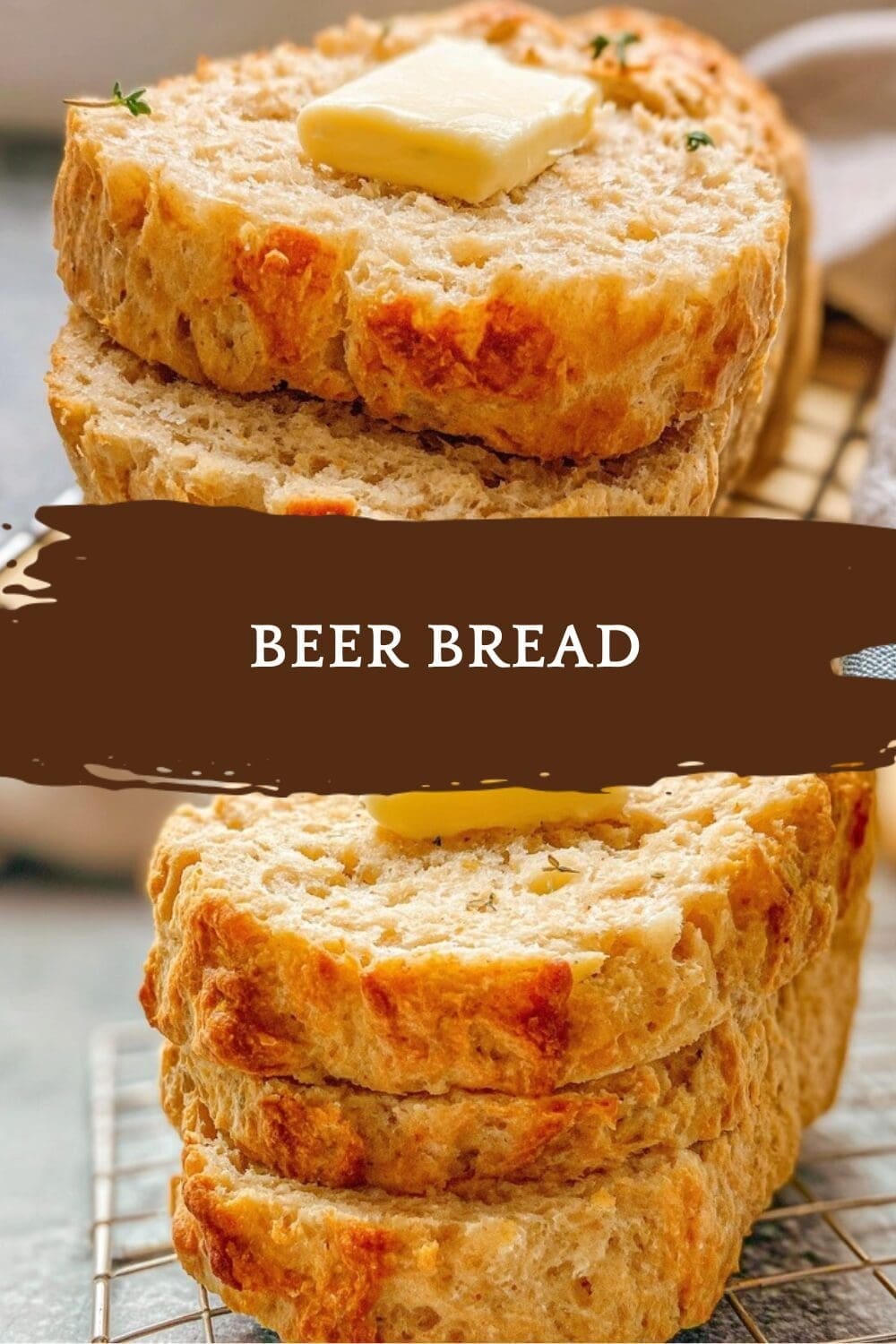
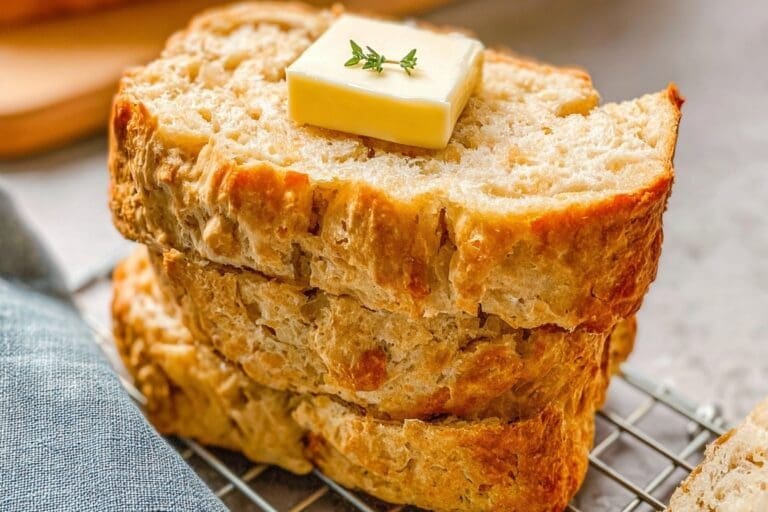
- Distinctive flavor: The beer infuses the bread with a subtle, yeasty flavor and creates a tender crumb with a perfectly crisp crust. It’s the perfect accompaniment to soups, stews, or simply slathered with butter for a comforting snack.
Once you try this foolproof method, you may never buy store-bought bread again. The aroma filling your kitchen as it bakes is reason enough to make this recipe on repeat!
Jump to:
- Why You’ll Love This Beer Bread
- Essential Ingredients for Beer Bread
- Main Ingredients
- Special Dietary Options
- How to Prepare the Perfect Beer Bread: Step-by-Step Guide
- Step 1: Preheat and Prepare
- Step 2: Measure and Sift Dry Ingredients
- Step 3: Add the Beer
- Step 4: Transfer to Loaf Pan
- Step 5: Add the Butter
- Step 6: Bake to Golden Perfection
- Step 7: Cool and Serve
- Dietary Substitutions to Customize Your Beer Bread
- Flour and Leavening Alternatives
- Flavor, Butter, and Seasoning Modifications
- Mastering Beer Bread: Advanced Tips and Variations
- Pro Cooking Techniques
- Flavor Variations to Try
- Presentation Tips
- Make-Ahead Options
- How to Store Beer Bread: Best Practices
- Room Temperature Storage
- Freezing for Long-Term Storage
- Reheating Guidelines
- Meal Prep Considerations
- FAQs: Frequently Asked Questions About Beer Bread
- Do I need to sift the flour for beer bread recipe?
- Can I use non-alcoholic beer instead of regular beer in beer bread?
- How do I get a softer crust on beer bread?
- Should beer be cold or room temperature for beer bread?
- How do I mix beer bread dough to avoid toughness?
- Beer Bread
- Ingredients
- Instructions
- Last Step:
- Notes
- Nutrition
- Did you make this recipe?
Essential Ingredients for Beer Bread
Creating the perfect beer bread no yeast loaf starts with understanding each ingredient’s role. Every component works together to create a bread that’s tender on the inside with a beautifully golden crust on the outside. Here’s everything you’ll need:
Main Ingredients
- 3 cups sifted flour – The foundation of your bread. Sifting is crucial for incorporating air and preventing a dense texture. All-purpose flour works beautifully, but you can substitute with self-rising flour by omitting the baking powder and salt.
- 3 teaspoons baking powder – The leavening agent that makes your bread rise. Omit this ingredient if you’re using self-rising flour. Always check expiration dates to ensure proper lift and avoid a flat loaf.
- 1 teaspoon salt – Enhances all the flavors and balances the sweetness. Skip this if using self-rising flour, as it already contains salt.
- 1/4 cup sugar – Adds a subtle sweetness and helps create that beautiful golden crust. You can adjust this amount based on your preference or substitute with honey or maple syrup.
- 1 (12 ounce) can beer – The star ingredient that provides carbonation for lift and a distinctive malty flavor. Use room temperature beer for best results, and choose a beer that you enjoy drinking.
- 1/2 cup melted butter (1/4 cup will do just fine) – Creates a rich flavor and gorgeous golden crust. Pour it over the top before baking for a crispy exterior, or mix it into the batter for a softer crust.
Special Dietary Options
| Dietary Need | Substitution |
|---|---|
| Vegan | Replace butter with equal amount of coconut oil or vegan butter alternative |
| Gluten-free | Use a 1:1 gluten-free flour blend and gluten-free beer |
| Lower calorie | Reduce butter to 1/4 cup and use a light beer variety |
| Non-alcoholic | Use non-alcoholic beer with 1 packet of dry active yeast added |
According to nutritional research, moderate beer consumption may offer some health benefits due to its antioxidant content and potential cardiovascular effects. You can learn more about the health aspects of beer from this scientific overview of beer’s potential health benefits.
How to Prepare the Perfect Beer Bread: Step-by-Step Guide
Making quick beer bread loaf is one of the most satisfying baking experiences you’ll have. The process is straightforward, but a few key details will ensure your bread turns out perfectly every time. Follow these steps carefully for foolproof results.
Step 1: Preheat and Prepare
Start by preheating your oven to 375 degrees Fahrenheit. This temperature allows the bread to bake evenly, creating a golden crust while ensuring the center cooks through completely. While the oven heats, grease a standard 9×5-inch loaf pan thoroughly with butter or cooking spray. Don’t skimp on this step proper greasing ensures easy removal after baking.
Step 2: Measure and Sift Dry Ingredients
In a large mixing bowl, combine your dry ingredients. If you’re starting with all-purpose flour, measure out 3 cups of sifted flour this is critical for achieving a light, tender crumb. Add 3 teaspoons of baking powder and 1 teaspoon of salt. Pour in the 1/4 cup of sugar and whisk everything together until well combined.
Remember: If you’re using self-rising flour, skip the baking powder and salt, as these are already incorporated into the flour blend.
Sifting flour might seem like an extra step, but it makes a significant difference in texture. If you don’t have a flour sifter, use a spoon to lightly fill your measuring cup, then level it off with a knife. Never scoop directly with the measuring cup, as this compacts the flour and can result in a dense, heavy bread.
Step 3: Add the Beer
Open your 12-ounce can of beer and pour it directly into the dry ingredients. For best results, use room temperature beer cold beer can slow down the chemical reaction with the baking powder, leading to a denser loaf. The beer will foam slightly when it hits the dry ingredients; this is normal and helps create lift in the bread.
Using a wooden spoon or spatula, mix the ingredients together until the flour is just moistened. Do not overmix stop stirring as soon as no large dry patches remain. The batter will be thick and somewhat lumpy, which is exactly what you want. Overmixing develops gluten and can make your bread tough and chewy rather than tender.
Step 4: Transfer to Loaf Pan
Scrape the batter into your prepared loaf pan, spreading it gently to create an even layer. Don’t worry about making it perfectly smooth the bread will develop a rustic, appealing texture as it bakes. If you notice any large air pockets, give the pan a gentle tap on the counter to release them.
Step 5: Add the Butter
Melt 1/2 cup of butter (or 1/4 cup if you prefer a lighter approach) and pour it evenly over the top of the batter. This step creates that signature golden, slightly crispy crust that makes beer bread so irresistible. For a different texture, you can dot the butter across the top rather than pouring it, which creates pockets of concentrated buttery flavor.
Alternatively, if you prefer a softer crust, mix the melted butter directly into the batter before transferring it to the pan. Both methods produce delicious results, so feel free to experiment and find your preference.
Step 6: Bake to Golden Perfection
Place the loaf pan in your preheated oven and bake for 1 hour. The bread is done when the top is deep golden brown and a toothpick inserted into the center comes out clean. If the top is browning too quickly, you can tent a piece of aluminum foil over the pan during the last 10-15 minutes of baking.
Step 7: Cool and Serve
Remove the bread from the oven and let it cool in the pan for about 5 minutes. Then, run a knife around the edges to loosen it and turn it out onto a wire rack. Allow the bread to cool for at least 15 minutes before slicing cutting into it too soon can result in a gummy texture. Once cooled slightly, slice with a serrated knife and serve warm with butter, honey, or your favorite jam.
This bread pairs wonderfully with hearty main dishes. If you’re planning a comfort food dinner, this beer bread makes an excellent companion to dishes like homemade shepherd’s pie, soaking up all those delicious savory juices.

Dietary Substitutions to Customize Your Beer Bread
Flour and Leavening Alternatives
The beauty of this beer bread recipe lies in its adaptability. Whether you’re accommodating dietary restrictions or simply working with what’s in your pantry, several substitutions work beautifully without sacrificing flavor or texture.
Self-rising flour option: If you have self-rising flour on hand, you can streamline the recipe even further. Simply use 3 cups of self-rising flour and omit both the baking powder and salt. The flour already contains these ingredients in the correct proportions, making it a convenient one-ingredient solution for the dry base.
Gluten-free adaptation: Those with gluten sensitivities can still enjoy this bread by using a high-quality 1:1 gluten-free flour blend. Look for a blend that contains xanthan gum, which helps provide structure typically created by gluten. Remember to use a gluten-free beer as well, and be aware that the texture may be slightly more crumbly than the traditional version.
Non-alcoholic versions: If you prefer not to use regular beer, non-alcoholic beer works well as a substitute. However, because it lacks the same yeast activity, you’ll need to add 1 packet of dry active yeast or 2 teaspoons of instant yeast to help the bread rise properly. This addition ensures a good structure and the characteristic yeasty flavor that makes beer bread special. For more options, consider ginger ale, club soda, or seltzer water, but add the same yeast for proper lift.
Flavor, Butter, and Seasoning Modifications
Once you’ve mastered the basic recipe, the real fun begins with flavor variations. This bread serves as an excellent canvas for creative additions.
Beer varieties: Different beers create different flavor profiles. A lager produces a mild, slightly sweet bread, while a stout or porter creates a darker loaf with deeper, more robust flavors. IPAs add a hoppy bitterness that pairs well with sharp cheeses. Light beers create a subtler flavor and can reduce the overall calorie count. For those watching their intake, you can find guidance on diet-friendly beer options to make informed choices.
Herb and cheese additions: Stir in fresh or dried herbs like rosemary, thyme, or chives for a savory twist. Shredded cheddar, gruyere, or parmesan cheese can transform this bread into a delicious accompaniment for soups and salads. Add about 1 cup of shredded cheese to the batter and consider sprinkling extra on top before baking for a cheesy crust.
Sweet variations: Increase the sugar slightly and add cinnamon, nutmeg, or dried fruits for a breakfast-style bread. A drizzle of honey or maple syrup after baking adds natural sweetness that pairs beautifully with the malty beer flavor.
Butter alternatives: While butter creates the classic crust, you can substitute with olive oil for a different flavor profile and potential health benefits. Coconut oil works well for those avoiding dairy and adds a subtle tropical note. For vegan bakers, any plant-based butter substitute will work effectively.
Mastering Beer Bread: Advanced Tips and Variations
Once you’re comfortable with the basic quick bread technique, these advanced tips will help you achieve bakery-quality results every time. Small details can make a significant difference in the final product.
Pro Cooking Techniques
- Temperature matters: Always use room temperature beer to promote even rising. Cold beer can shock the baking powder, resulting in a denser loaf. Take your beer out of the refrigerator about 30 minutes before you plan to bake.
- Fresh ingredients are key: Check the expiration date on your baking powder and self-rising flour if using. Expired leavening agents won’t provide proper lift, leading to flat, dense bread.
- Don’t overmix: This is the most common mistake in quick bread baking. Mix only until the flour is just moistened. A few lumps in the batter are perfectly fine and will bake out.
- Cooling is crucial: Let the bread cool for at least 15 minutes before slicing. Cutting into hot bread can cause the steam to escape too quickly, resulting in a gummy, dense texture.
Flavor Variations to Try
Transform your basic beer bread into something extraordinary with these creative additions:
Garlic and Herb Beer Bread: Add 2 teaspoons of garlic powder, 1 tablespoon of dried Italian seasoning, and 1/2 cup of grated parmesan cheese to the dry ingredients. This savory version pairs beautifully with pasta dishes or braised short ribs.
Everything Bagel Beer Bread: Mix 2 tablespoons of everything bagel seasoning into the batter and sprinkle extra on top before baking. The combination of sesame seeds, poppy seeds, garlic, and onion creates an irresistible flavor profile.
Honey Wheat Beer Bread: Substitute 1 cup of whole wheat flour for 1 cup of all-purpose flour and drizzle 2 tablespoons of honey into the batter. This version has a heartier texture and a subtle sweetness.
Presentation Tips
A beautiful presentation makes any bread more appealing. After removing the bread from the pan, let it cool on a wire rack to prevent a soggy bottom. For a professional touch, score the top of the bread with a sharp knife before baking it creates an attractive pattern as the bread rises. Serve slices on a wooden cutting board with softened butter in a small ramekin alongside for an inviting display.
Make-Ahead Options
While this bread is best enjoyed fresh, you can prepare certain elements ahead of time. Mix the dry ingredients together and store them in an airtight container for up to a week. When you’re ready to bake, simply add the beer and butter. This is especially convenient when you’re short on time but still want homemade bread. You can also bake the bread a day ahead and warm it gently in a 300°F oven for 10 minutes before serving.
How to Store Beer Bread: Best Practices
Proper storage ensures your homemade bread stays fresh and delicious for as long as possible. Unlike commercial breads with preservatives, this easy beer bread recipe requires some care to maintain its quality.
Room Temperature Storage
For short-term storage, wrap the completely cooled bread tightly in plastic wrap or aluminum foil. You can also place it in a resealable plastic bag with as much air removed as possible. Store at room temperature for up to 3 days. The bread will stay freshest when kept in a cool, dry place away from direct sunlight. Avoid storing in the refrigerator, as this can actually accelerate staling by causing the starch molecules to crystallize.
Freezing for Long-Term Storage
Beer bread freezes exceptionally well, making it perfect for meal prep or batch cooking. To freeze, let the bread cool completely, then wrap it tightly in plastic wrap followed by a layer of aluminum foil. Alternatively, slice the bread first and wrap individual slices this allows you to thaw only what you need. Label with the date and freeze for up to 3 months. For best results, use a freezer-safe bag to provide an extra layer of protection against freezer burn.
Reheating Guidelines
Revive day-old or frozen beer bread with proper reheating techniques. For whole loaves, wrap in foil and warm in a 300°F oven for 15-20 minutes. Individual slices can be toasted directly or warmed in a skillet with a little butter for a crispy exterior. If reheating from frozen, add an extra 10 minutes to the oven method, or thaw slices in the toaster on a low setting before toasting properly.
Meal Prep Considerations
This bread is an excellent addition to your meal prep rotation. Bake a loaf on Sunday and enjoy it throughout the week for breakfast toast, sandwich bread, or a side for soups and salads. The bread’s sturdy texture holds up well to slicing and reheating, making it a reliable staple to have on hand. Consider making mini loaves using smaller pans these freeze beautifully and are perfect for single servings or small households.
FAQs: Frequently Asked Questions About Beer Bread
Do I need to sift the flour for beer bread recipe?
Can I use non-alcoholic beer instead of regular beer in beer bread?
How do I get a softer crust on beer bread?
Should beer be cold or room temperature for beer bread?
How do I mix beer bread dough to avoid toughness?
Beer Bread
🍺 Bubbly beer bread loaf rises effortlessly with zero yeast – malty, tender crumb in under 1 hour!
🥖 Buttery crust quick bread customizable with any brew, perfect savory side without kneading hassle.
- Total Time: 1 hour 20 minutes
- Yield: 1 loaf (10 slices)
Ingredients
– 3 cups sifted flour
– 3 teaspoons baking powder
– 1 teaspoon salt
– 1/4 cup sugar
– 1 (12 ounce) can beer
– 1/2 cup melted butter
Instructions
1-Step 1: Preheat and Prepare Start by preheating your oven to 375 degrees Fahrenheit. This temperature allows the bread to bake evenly, creating a golden crust while ensuring the center cooks through completely. While the oven heats, grease a standard 9×5-inch loaf pan thoroughly with butter or cooking spray. Don’t skimp on this step proper greasing ensures easy removal after baking.
2-Step 2: Measure and Sift Dry Ingredients In a large mixing bowl, combine your dry ingredients. If you’re starting with all-purpose flour, measure out 3 cups of sifted flour this is critical for achieving a light, tender crumb. Add 3 teaspoons of baking powder and 1 teaspoon of salt. Pour in the 1/4 cup of sugar and whisk everything together until well combined. Remember: If you’re using self-rising flour, skip the baking powder and salt, as these are already incorporated into the flour blend. Sifting flour might seem like an extra step, but it makes a significant difference in texture. If you don’t have a flour sifter, use a spoon to lightly fill your measuring cup, then level it off with a knife. Never scoop directly with the measuring cup, as this compacts the flour and can result in a dense, heavy bread.
3-Step 3: Add the Beer Open your 12-ounce can of beer and pour it directly into the dry ingredients. For best results, use room temperature beer cold beer can slow down the chemical reaction with the baking powder, leading to a denser loaf. The beer will foam slightly when it hits the dry ingredients; this is normal and helps create lift in the bread. Using a wooden spoon or spatula, mix the ingredients together until the flour is just moistened. Do not overmix stop stirring as soon as no large dry patches remain. The batter will be thick and somewhat lumpy, which is exactly what you want. Overmixing develops gluten and can make your bread tough and chewy rather than tender.
4-Step 4: Transfer to Loaf Pan Scrape the batter into your prepared loaf pan, spreading it gently to create an even layer. Don’t worry about making it perfectly smooth the bread will develop a rustic, appealing texture as it bakes. If you notice any large air pockets, give the pan a gentle tap on the counter to release them.
5-Step 5: Add the Butter Melt 1/2 cup of butter (or 1/4 cup if you prefer a lighter approach) and pour it evenly over the top of the batter. This step creates that signature golden, slightly crispy crust that makes beer bread so irresistible. For a different texture, you can dot the butter across the top rather than pouring it, which creates pockets of concentrated buttery flavor. Alternatively, if you prefer a softer crust, mix the melted butter directly into the batter before transferring it to the pan. Both methods produce delicious results, so feel free to experiment and find your preference.
6-Step 6: Bake to Golden Perfection Place the loaf pan in your preheated oven and bake for 1 hour. The bread is done when the top is deep golden brown and a toothpick inserted into the center comes out clean. If the top is browning too quickly, you can tent a piece of aluminum foil over the pan during the last 10-15 minutes of baking.
7-Step 7: Cool and Serve Remove the bread from the oven and let it cool in the pan for about 5 minutes. Then, run a knife around the edges to loosen it and turn it out onto a wire rack. Allow the bread to cool for at least 15 minutes before slicing cutting into it too soon can result in a gummy texture. Once cooled slightly, slice with a serrated knife and serve warm with butter, honey, or your favorite jam.
Last Step:
Please leave a rating and comment letting us know how you liked this recipe! This helps our business to thrive and continue providing free, high-quality recipes for you.Notes
🔩 Sift flour or spoon lightly into cup – prevents dense, tough bread.
🧈 Top with poured butter for crunchy crust; mix in for softer texture.
⏲️ Cool at least 15 minutes before slicing to avoid gummy slices.
- Prep Time: 5 minutes
- Cooling: 15 minutes
- Cook Time: 1 hour
- Category: Bread
- Method: Bake
- Cuisine: American
- Diet: Vegetarian
Nutrition
- Serving Size: 1 slice
- Calories: 250 kcal
- Sugar: 3g
- Sodium: 400mg
- Fat: 10g
- Saturated Fat: 6g
- Unsaturated Fat: 4g
- Trans Fat: 0g
- Carbohydrates: 35g
- Fiber: 1g
- Protein: 4g
- Cholesterol: 25mg