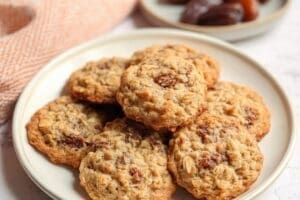
Why You’ll Love Belgian Croustillons Fried Dough Balls
Belgian Croustillons Fried Dough Balls are the kind of treat that feels like a carnival snack, even when you make them at home. They’re small, golden, and fried until crisp on the outside, then light and airy inside. A quick dusting of powdered sugar turns them into a simple dessert that always gets compliments.
- Ease of preparation: You mix a yeasted batter, let it rest, then fry in small batches for about 15 minutes of cook time.
- Health benefits: Each serving includes 10 g protein and 2 g fiber, plus yeast-based dough that keeps the texture pleasantly light.
- Versatility: Serve them plain or dress them up with chocolate sauce, caramel drizzle, whipped cream, fruit preserves, or honey.
- Distinctive flavor: Vanilla warmth, a hint of sweetness, and that signature crunch make these Belgian Croustillons stand out from many fried snacks.
Perfect for busy days and special moments
If you’re feeding family, hosting a holiday table, or just craving something sweet, this croustillons recipe gives you a crowd-pleasing result without complicated pastry skills. The batter is forgiving, and the final texture depends mostly on two things you can control: yeast activation and consistent frying temperature.
Warm, fresh-out-of-the-fryer croustillons taste best. If you can, plan to serve them immediately for that crisp, sugar-sticky bite.
If you love desserts with a similar “fresh and cozy” energy, you may also enjoy poffertjes, another classic bite-size treat that’s perfect for sharing.
Jump to:
- Why You’ll Love Belgian Croustillons Fried Dough Balls
- Perfect for busy days and special moments
- Essential Ingredients for Belgian Croustillons Fried Dough Balls
- Special dietary options
- How to Prepare the Perfect Belgian Croustillons Fried Dough Balls: Step-by-Step Guide
- First Step: Activate the yeast
- Second Step: Mix the dry ingredients
- Third Step: Combine wet and dry for a smooth batter
- Fourth Step: Rest the batter
- Fifth Step: Heat the oil to the right temperature
- Sixth Step: Fry in small batches
- Final Step: Drain, cool briefly, and dust
- Dietary Substitutions to Customize Your Belgian Croustillons Fried Dough Balls
- Protein and main component alternatives
- Vegetable, sauce, and seasoning modifications
- Mastering Belgian Croustillons Fried Dough Balls: Advanced Tips and Variations
- Pro cooking techniques
- Flavor variations
- Presentation tips
- Make-ahead options
- How to Store Belgian Croustillons Fried Dough Balls: Best Practices
- Refrigeration
- Freezing
- Reheating
- Meal prep considerations
- FAQs: Frequently Asked Questions About Belgian Croustillons Fried Dough Balls
- What are Belgian croustillons?
- What does “croustillons” mean and where do they come from?
- What ingredients are in croustillons and how do you make them at home?
- How are croustillons different from beignets or oliebollen?
- How should you serve and store Belgian croustillons?
- Belgian Croustillons Fried Dough Balls
- Ingredients
- Instructions
- Last Step:
- Notes
- Nutrition
- Did you make this recipe?
Essential Ingredients for Belgian Croustillons Fried Dough Balls
Below are the exact ingredients and measurements for Belgian Croustillons Fried Dough Balls. For best results, measure flour and sugar with a kitchen scale when possible, especially if your kitchen runs cool.
- 2 cups (250 g) all-purpose flour – Builds the structure of the yeasted batter so the inside stays tender.
- 2 teaspoons (10 g) granulated sugar – Adds gentle sweetness and helps feed yeast for a good rise.
- 1 teaspoon (5 g) salt – Balances sweetness and makes flavors pop.
- 2 ¼ teaspoons (7 g) active dry yeast – Creates the light, airy texture inside the fried dough balls.
- ¾ cup (200 ml) lukewarm milk – Activates yeast and forms a smooth batter.
- 1 egg – Adds richness and helps the batter hold together while frying.
- 1 teaspoon vanilla extract – Brings warm, classic dessert flavor.
- 1 tablespoon melted butter – Adds flavor and improves texture.
- Vegetable oil for frying – Used to deep-fry for that crisp exterior.
- Powdered sugar for dusting – Final sweetness and the traditional finish.
Special dietary options
This version is not naturally gluten-free or egg-free, but you can still customize it with swaps based on your needs. For example, use a gluten-free 1-to-1 flour blend and check that your yeast is gluten-free friendly. For egg-free frying dough, you’ll need an egg replacer and may notice a slightly different texture.
Quick note: For strict dietary goals, you’ll get the best outcome by testing small batches first.
How to Prepare the Perfect Belgian Croustillons Fried Dough Balls: Step-by-Step Guide
This Belgian Croustillons Recipe is straightforward and designed for home cooks. The steps below include key timing and temperature so your fried dough balls turn out golden and crisp instead of greasy.
| Step | What to Do | Target Timing or Temperature |
|---|---|---|
| Yeast activation | Dissolve yeast in lukewarm milk | 5 minutes until foamy |
| Resting | Let batter rise | 45 minutes warm place |
| Frying | Deep-fry in batches | 180°C (350°F) for 3 to 4 minutes |
| Finishing | Drain and dust with powdered sugar | Serve warm |
First Step: Activate the yeast
Start by dissolving active dry yeast in lukewarm milk. Let it sit for 5 minutes until foamy. This foamy layer shows the yeast is alive and ready to create air bubbles in the batter.
Second Step: Mix the dry ingredients
In a large bowl, mix flour, granulated sugar, and salt. Make a well in the center so the liquid ingredients combine evenly without flour pockets. Stir just until you no longer see dry patches.
Third Step: Combine wet and dry for a smooth batter
Pour in the yeast mixture, then add the egg, vanilla extract, and melted butter. Stir until smooth and slightly sticky. If the batter looks extremely thick, add a teaspoon of warm milk at a time, but only if needed.
Fourth Step: Rest the batter
Cover the bowl with a kitchen towel. Let the batter rest in a warm place for 45 minutes to rise. During this time, the dough becomes lighter and more elastic, which helps the croustillons develop a fluffy center.
Fifth Step: Heat the oil to the right temperature
Heat vegetable oil to 180°C (350°F) in a deep fryer or heavy pot. Keep an eye on the temperature using a thermometer if you have one. Even small drops in heat can make fried dough balls absorb more oil.
Sixth Step: Fry in small batches
Drop small portions of batter into the hot oil using a spoon or ice cream scoop, working in batches. Fry for 3 to 4 minutes until golden brown, turning occasionally for even cooking. Crowding the pot lowers the temperature, so batches are key for crispness.
Final Step: Drain, cool briefly, and dust
Remove the croustillons and drain them on paper towels. Let them cool briefly, then dust with powdered sugar while they’re still warm. Serve immediately for the best adhesion and the crispiest texture.
For extra dessert vibes, add toppings like chocolate sauce, caramel drizzle, whipped cream, fruit preserves, or honey.
If you want a topping idea that pairs well with warm fried dough, consider this homemade caramels option for a rich, slow-melting drizzle.
Powdered sugar sticks best when the croustillons are warm. If they cool too much, dusting won’t cling as nicely.

Dietary Substitutions to Customize Your Belgian Croustillons Fried Dough Balls
Everyone’s kitchen is different, so this section gives practical ways to adjust the recipe. Substitutions can change texture, but you can still aim for a crisp exterior and soft center.
Protein and main component alternatives
Belgian Croustillons depend on classic baked-dough structure from flour and eggs. If you need an alternative to the egg, try a commercial egg replacer or a flax egg to help bind the batter. Keep in mind that egg-free versions may fry a bit faster, so watch color closely.
- Egg replacement: Use an egg replacer designed for baking. Consider adding a spoon of extra melted butter to support texture.
- Flour swap: For gluten-free, use a 1-to-1 gluten-free baking blend. Batter may be looser, so scoop carefully.
- Yeast check: Make sure your yeast is active for the milk temperature you’re using.
Vegetable, sauce, and seasoning modifications
Croustillons are usually served plain with powdered sugar, but toppings can match the season or your dietary preferences. Instead of fruit preserves, you can use berry compote, honey, or dairy-free chocolate sauce.
- Chocolate sauce: Use dark chocolate sauce if you want deeper flavor.
- Caramel drizzle: Swap to a lower-sugar caramel if you’re cutting sweetness.
- Fruit options: Strawberry preserves, raspberry jam, or warm apple compote all work well.
- Warm spices: Add a pinch of cinnamon to the powdered sugar for a cozy twist.
No matter what you top them with, keep frying temperature steady for crispness. Consistency here helps any variation succeed.
Mastering Belgian Croustillons Fried Dough Balls: Advanced Tips and Variations
If you’ve made fried dough before, you’ll notice that croustillons reward careful attention to oil temperature and batch size. Use these advanced tips to get that “golden outside, airy inside” result reliably.
Pro cooking techniques
- Activate the yeast properly: Lukewarm milk should help yeast foam in about 5 minutes. If it doesn’t foam, your yeast may be old or the milk may be too hot or too cold.
- Maintain 180°C (350°F): If oil runs too cool, croustillons turn greasy and heavy. If too hot, they brown too quickly without cooking through.
- Fry in small batches: This prevents temperature drops when you add batter.
- Dust while warm: Powdered sugar adheres best while the surface is still slightly moist from heat.
Flavor variations
Vanilla extract is classic, but you can adjust flavor intensity based on your preferences. Try these ideas while keeping the base batter the same.
- Citrus twist: Add a little lemon zest to the batter for a bright note.
- Extra warm spice: Mix a pinch of cinnamon into powdered sugar for serving.
- Sweet topping swap: Use fruit preserves instead of caramel, or add honey for a sticky finish.
Presentation tips
Serve croustillons on a plate lined with fresh paper towels, then move to a serving platter once drained. If you’re hosting, dust lightly first and then add another quick dusting right before serving.
For a showy dessert board, pair croustillons with small bowls of toppings like chocolate sauce and caramel drizzle. That way guests can build their own bites.
Make-ahead options
Croustillons are best freshly fried. Still, you can prep the batter in advance: cover and refrigerate briefly if needed, then bring it back to room temperature before frying. Avoid storing long-term because the batter’s rise changes over time.
If you’d like to plan a dessert table, pairing these with another handheld treat like churro Chex mix can make your snack spread feel both fun and cohesive.
How to Store Belgian Croustillons Fried Dough Balls: Best Practices
Fried dough is at its best right away, but you can still store and reheat croustillons so they remain tasty. The goal is to protect crispness and avoid sogginess.
Refrigeration
Store cooled croustillons in an airtight container. Keep them in the refrigerator for short-term holding, but expect the texture to soften over time. For best results, reheat soon after storing.
Freezing
Freeze croustillons once fully cooled. Place them in a single layer first, then transfer to a freezer-safe bag or container. This helps prevent sticking and makes it easy to reheat only what you need.
Reheating
Reheat in a 350°F oven (about 175°C) to restore crispness. Use a baking tray lined with parchment, and heat until warmed and slightly crisp again. Avoid microwaving, since it can make fried dough taste soft rather than crisp.
Meal prep considerations
If you’re making these for a party, consider frying in batches and keeping them warm in a low oven. That keeps them closer to fresh quality while you finish serving.

FAQs: Frequently Asked Questions About Belgian Croustillons Fried Dough Balls
What are Belgian croustillons?
What does “croustillons” mean and where do they come from?
What ingredients are in croustillons and how do you make them at home?
How are croustillons different from beignets or oliebollen?
How should you serve and store Belgian croustillons?

Belgian Croustillons Fried Dough Balls
🍩 Delight in Belgian Croustillons: ultra-crispy fried dough balls with airy interiors, dusted in powdered sugar for irresistible crunch and sweetness.
🥯 Easy weekend treat ready in under 70 minutes – perfect breakfast, dessert, or snack dipped in chocolate or fruit preserves!
- Total Time: 1 hour 10 minutes
- Yield: 20-24 croustillons (4-6 servings)
Ingredients
– 2 cups (250 g) all-purpose flour – Builds the structure of the yeasted batter so the inside stays tender.
– 2 teaspoons (10 g) granulated sugar – Adds gentle sweetness and helps feed yeast for a good rise.
– 1 teaspoon (5 g) salt – Balances sweetness and makes flavors pop.
– 2 ¼ teaspoons (7 g) active dry yeast – Creates the light, airy texture inside the fried dough balls.
– ¾ cup (200 ml) lukewarm milk – Activates yeast and forms a smooth batter.
– 1 egg – Adds richness and helps the batter hold together while frying.
– 1 teaspoon vanilla extract – Brings warm, classic dessert flavor.
– 1 tablespoon melted butter – Adds flavor and improves texture.
– Vegetable oil for frying – Used to deep-fry for that crisp exterior.
– Powdered sugar for dusting – Final sweetness and the traditional finish.
Instructions
1-First Step: Activate the yeast Start by dissolving active dry yeast in lukewarm milk. Let it sit for 5 minutes until foamy. This foamy layer shows the yeast is alive and ready to create air bubbles in the batter.
2-Second Step: Mix the dry ingredients In a large bowl, mix flour, granulated sugar, and salt. Make a well in the center so the liquid ingredients combine evenly without flour pockets. Stir just until you no longer see dry patches.
3-Third Step: Combine wet and dry for a smooth batter Pour in the yeast mixture, then add the egg, vanilla extract, and melted butter. Stir until smooth and slightly sticky. If the batter looks extremely thick, add a teaspoon of warm milk at a time, but only if needed.
4-Fourth Step: Rest the batter Cover the bowl with a kitchen towel. Let the batter rest in a warm place for 45 minutes to rise. During this time, the dough becomes lighter and more elastic, which helps the croustillons develop a fluffy center.
5-Fifth Step: Heat the oil to the right temperature Heat vegetable oil to 180°C (350°F) in a deep fryer or heavy pot. Keep an eye on the temperature using a thermometer if you have one. Even small drops in heat can make fried dough balls absorb more oil.
6-Sixth Step: Fry in small batches Drop small portions of batter into the hot oil using a spoon or ice cream scoop, working in batches. Fry for 3 to 4 minutes until golden brown, turning occasionally for even cooking. Crowding the pot lowers the temperature, so batches are key for crispness.
7-Final Step: Drain, cool briefly, and dust Remove the croustillons and drain them on paper towels. Let them cool briefly, then dust with powdered sugar while they’re still warm. Serve immediately for the best adhesion and the crispiest texture.
Last Step:
Please leave a rating and comment letting us know how you liked this recipe! This helps our business to thrive and continue providing free, high-quality recipes for you.Notes
🧫 Proof yeast in lukewarm milk first for perfectly light, fluffy dough balls.
🔥 Maintain oil at 350°F and fry small batches for even crispiness without sogginess.
🍬 Dust with powdered sugar warm so it sticks perfectly and melts slightly.
- Prep Time: 55 minutes
- Rising: 45 minutes
- Cook Time: 15 minutes
- Category: Desserts
- Method: Deep Frying
- Cuisine: Belgian
- Diet: Vegetarian
Nutrition
- Serving Size: 5-6 croustillons
- Calories: 317 kcal
- Sugar: 5g
- Sodium: 60mg
- Fat: 6g
- Saturated Fat: 3g
- Unsaturated Fat: 3g
- Trans Fat: 0.1g
- Carbohydrates: 54g
- Fiber: 2g
- Protein: 10g
- Cholesterol: 55mg