Why You’ll Love This Belgian Stoofvlees
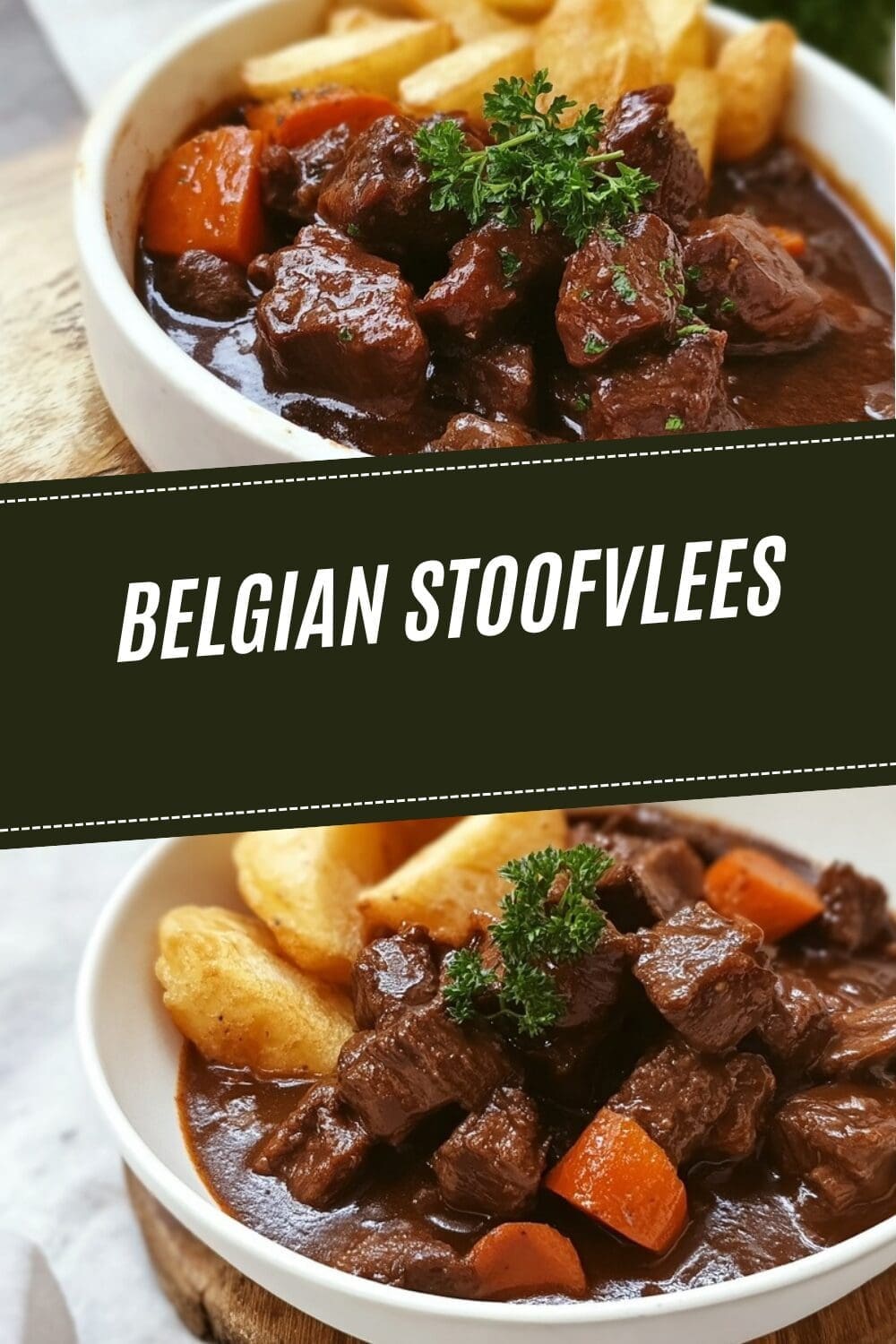
Belgian Stoofvlees is a thick, hearty Flemish beef stew made by slowly cooking marinated beef in Belgian brown ale, broth, and spices. It is the kind of meal that smells like home while it simmers, then tastes even better when it has time to rest. Traditionally in Belgium, it is served with fries alongside mayonnaise or aioli, while in the Netherlands it is often paired with brown bread and mustard.
- Ease of preparation: Most of the work happens while the stew simmers low and slow. You do some prep, marinate the beef, then let the Dutch oven do its job.
- Comfort-food flavor: Belgian brown ale brings caramel malt notes and gentle bitterness that mellow into a rich gravy.
- Great for real-life schedules: You can marinate overnight, cook for hours, and even partially cook ahead for deeper flavor.
- Versatile serving options: It works with Belgian fries, crusty bread, or roasted potatoes, so you can match it to your family’s preferences.
If you like meals that taste fancy but feel practical, this stoofvlees recipe is made for you. It is also a smart choice for home cooks, busy parents, and students because leftovers taste better the next day.
Quick authenticity tip: For the most traditional result, use a Belgian brown ale and simmer until the beef turns tender enough to melt into the gravy.
For another hearty Belgian-inspired meal idea, you might also enjoy steak frites with fries and sauce as a pairing or weeknight alternative.
Jump to:
- Why You’ll Love This Belgian Stoofvlees
- How to Prepare the Perfect Belgian Stoofvlees: Step-by-Step Guide
- What you are making (and why it works)
- Ingredients (for easy checklist cooking)
- Beef and marinade
- Stew
- Carrots
- First Step: Marinate the beef (the flavor starts here)
- Second Step: Prep for browning
- Third Step: Brown the beef for a deeper gravy
- Fourth Step: Sauté onion and deglaze with Belgian brown ale
- Final Step: Simmer low and slow, then finish with carrots and mustard
- Dietary Substitutions to Customize Your Belgian Stoofvlees
- Protein and Main Component Alternatives
- Vegetable, Sauce, and Seasoning Modifications
- Mastering Belgian Stoofvlees: Advanced Tips and Variations
- Pro cooking techniques for better results
- Flavor variations you can try
- Presentation tips for serving night
- How to Store Belgian Stoofvlees: Best Practices
- Refrigeration
- Freezing
- Reheating
- FAQs: Frequently Asked Questions About Belgian Stoofvlees
- What is Belgian stoofvlees?
- What beer should I use for stoofvlees?
- What cut of beef is best for stoofvlees?
- How do you cook stoofvlees step by step?
- What do you serve with stoofvlees and can you freeze it?
- Belgian Stoofvlees
- Ingredients
- Instructions
- Last Step:
- Notes
- Nutrition
- Did you make this recipe?
How to Prepare the Perfect Belgian Stoofvlees: Step-by-Step Guide
This guide focuses on the traditional method for authentic Belgian stoofvlees, sometimes called stoofvlees or carbonnade flamande. The key is marinating the beef, browning it for deep flavor, then simmering until the gravy thickens and the meat becomes tender.
What you are making (and why it works)
Belgian Stoofvlees is a beer beef stew where the ale reduces and combines with beef broth, onions, and spices. The flour helps thicken the sauce after browning. Mustard and vinegar add brightness so the stew tastes rich without feeling flat.
Below, you will find the full ingredient lists, then clear steps with timing so you can plan your day. Prep time is about 10 hours 10 minutes, including at least 4 hours of marinating and roughly 6 hours of cooking, with about 10 minutes of active prep.
Ingredients (for easy checklist cooking)
Beef and marinade
- 1 pound cubed beef
- 1 small minced onion
- 4 cloves minced garlic
- 1 sprig fresh rosemary
- 1/2 teaspoon dried thyme
- 1/2 teaspoon sweet paprika
- 1/2 teaspoon smoked paprika
- 1/2 teaspoon hot paprika
- 1 tablespoon coarse mustard
- 2 tablespoons red or white wine vinegar
Stew
- 2 tablespoons all-purpose flour
- 2 tablespoons flavorless cooking oil (divided)
- 1 large diced onion
- 1 bottle (about 12 ounces) Belgian brown ale
- 1 cup beef broth
- 1 cup water
- 2 dried bay leaves
- 1 tablespoon brown sugar
- 1/4 teaspoon salt
- 1/8 teaspoon ground black pepper
- 1 teaspoon coarse mustard
Carrots
- 1 large carrot
- 1 minced garlic clove
- 1/2 sprig fresh rosemary (chopped)
- 1/4 teaspoon olive oil
- pinch of salt
- black pepper to taste
First Step: Marinate the beef (the flavor starts here)
In a bowl, marinate the cubed beef with the minced onion, minced garlic, rosemary sprig, dried thyme, all three paprikas, 1 tablespoon coarse mustard, and 2 tablespoons red or white wine vinegar. Cover and marinate for at least 4 hours, or better yet, overnight.
When you are ready to cook, remove the beef from the fridge about 20 minutes before you start browning so it warms slightly.
Second Step: Prep for browning
Discard the rosemary sprig from the marinade. Then coat the beef in 2 tablespoons all-purpose flour. This helps the beef brown and also thickens the gravy once it simmers.
Third Step: Brown the beef for a deeper gravy
In a Dutch oven, heat 1 tablespoon oil over medium-high heat. Brown the beef in batches so the pot stays hot, then set it aside. You are looking for color, not full cooking.
Fourth Step: Sauté onion and deglaze with Belgian brown ale
Add the remaining 1 tablespoon oil to the Dutch oven. Sauté the diced onion until it softens. Then deglaze with the Belgian brown ale, scraping up the browned bits from the bottom of the pot.
Deglazing is where a lot of the flavor is hiding. If you skip this, the stew will taste less rich.
Final Step: Simmer low and slow, then finish with carrots and mustard
Return the browned beef to the pot. Add beef broth, water, bay leaves, brown sugar, salt, and ground black pepper. Bring to a boil, cover, and then simmer on low for 4 to 5 hours, stirring every 45 minutes.
One hour before serving, sauté the carrots separately to prevent mushiness. In a pan with 1/4 teaspoon olive oil, cook the minced garlic, chopped rosemary, carrot, salt, and black pepper until tender. Stir the carrots into the stew with the remaining 1 teaspoon coarse mustard, then cook uncovered on low for 1 more hour.
How to serve: This traditional stoofvlees recipe is usually served with crusty bread, Belgian fries, or roasted potatoes. In Belgium, fries with mayonnaise or aioli are common. In the Netherlands, brown bread with mustard fits right in.
| Stage | Time | What to watch for |
|---|---|---|
| Marinate | At least 4 hours, or overnight | Beef is well coated; flavor develops |
| Brown beef | ~10 to 15 minutes total | Deep color without burning |
| Simmer | 4 to 5 hours on low | Stir every 45 minutes |
| Carrots + final cook | ~1 hour uncovered | Carrots stay tender, not mushy |
Want a similar comfort-food approach with a slow, savory result? You may also like braised short ribs for another stew-style meal that rewards patience.
Nutrition note for your planning: this recipe serves 2 and contains beef, beer, vegetables, with moderate fat and carbohydrates from flour, beer, fries, or bread.

Dietary Substitutions to Customize Your Belgian Stoofvlees
Stoofvlees is flexible, but since it is built on slow cooking and deep savory flavors, the best substitutions keep the same “function” as the original ingredients. You want the same balance of rich, sweet, sour, and savory.
Protein and Main Component Alternatives
If you cannot use beef, you can still keep the stew spirit. For the closest texture, choose a cut that breaks down during long simmering.
- Chicken variation: Use chicken thighs and reduce simmer time because chicken can overcook during a long simmer.
- Pork option: Pork shoulder works well, but plan to check tenderness earlier.
- Vegetarian direction: Swap beef for a plant-based “stew” protein and extend simmer slightly to help flavors blend, especially with mustard and vinegar.
Vegetable, Sauce, and Seasoning Modifications
Belgian Stoofvlees traditionally leans on onions, bay leaves, thyme, rosemary, and mustard. Carrots get added near the end so they do not turn soft and watery.
- Vegetables: If you want variety, add mushrooms during the last 60 minutes instead of early on.
- Spice levels: Adjust the hot paprika if your household prefers mild flavor.
- Mustard and vinegar: Keep these for brightness. If you use a different vinegar, keep the same amount for balance.
Carrot swap note: Carrots bring natural sweetness that balances the ale. If you replace them, choose vegetables that hold their shape during simmering.
Mastering Belgian Stoofvlees: Advanced Tips and Variations
Once you make belgian stoofvlees recipe one time, you will start noticing how the small choices affect the gravy. Here are expert tips plus a few variations that still feel authentic.
Pro cooking techniques for better results
- Marinate as long as possible: More time means deeper flavor in every bite.
- Use Belgian brown ale for authenticity: The caramel malt character and mild bitterness become the stew’s backbone.
- Deglaze thoroughly: Scrape all browned bits into the pot.
- Stir frequently to avoid sticking: Stir every 45 minutes during the main simmer.
- Sauté carrots separately: This prevents mushiness and keeps their flavor bright.
- Add final mustard for brightness: Stir it in with the carrots during the last stage.
Make-ahead flavor hack: For deeper flavor, cook partially one day, rest overnight in a cool place, then finish the next day. The gravy often tastes even better after resting.
Flavor variations you can try
If you want to personalize without losing the classic vibe, try one change at a time so you can taste what works best.
- Extra herb aroma: Add more rosemary to the marinade if your family loves that piney scent.
- Sweeter gravy: Increase brown sugar slightly for a more caramel-forward result.
- Chunkier stew: Keep beef cubes slightly larger for a meat-forward bite.
Presentation tips for serving night
To serve, spoon stew over fries or alongside crusty bread. If you want a Belgian-style look, pile fries onto a plate and add a hearty ladle of gravy over top, then finish with a quick drizzle of mayo or aioli.
If you are feeding a crowd, keep the stew warm in a covered pot and warm fries just before serving so they do not go soggy.
How to Store Belgian Stoofvlees: Best Practices
Good news: stoofvlees is a meal prep favorite. The flavors often get better after a day in the fridge because the sauce continues to cling to the beef.
Refrigeration
Let the stew cool to room temperature before storing. Transfer to an airtight container and refrigerate for up to 3 to 4 days. When reheating, warm gently to protect the beef texture.
Freezing
Freeze cooled portions in airtight bags or containers for up to 3 months. Leave space for expansion and label with the date so you can track freshness.
Reheating
Thaw in the fridge overnight for best results. Reheat on the stove over low heat, adding a splash of broth or water if the gravy looks too thick. Stir now and then until it is hot all the way through.
Meal prep tip: Freeze in single or family-size portions so you can defrost exactly what you need.
FAQs: Frequently Asked Questions About Belgian Stoofvlees
What is Belgian stoofvlees?
What beer should I use for stoofvlees?
What cut of beef is best for stoofvlees?
How do you cook stoofvlees step by step?
What do you serve with stoofvlees and can you freeze it?

Belgian Stoofvlees
🥘🍲 Tender beef slow-cooked in rich Belgian brown ale gravy – authentic Flemish stoofvlees bursting with deep flavors!
🍟 Hearty one-pot comfort perfect with fries & mayo, effortless after marinade for cozy dinners.
- Total Time: 10 hours 20 minutes
- Yield: 2 servings
Ingredients
Instructions
1-First Step: Marinate the beef (the flavor starts here) In a bowl, marinate the cubed beef with the minced onion, minced garlic, rosemary sprig, dried thyme, all three paprikas, 1 tablespoon coarse mustard, and 2 tablespoons red or white wine vinegar. Cover and marinate for at least 4 hours, or better yet, overnight. When you are ready to cook, remove the beef from the fridge about 20 minutes before you start browning so it warms slightly.
2-Second Step: Prep for browning Discard the rosemary sprig from the marinade. Then coat the beef in 2 tablespoons all-purpose flour. This helps the beef brown and also thickens the gravy once it simmers.
3-Third Step: Brown the beef for a deeper gravy In a Dutch oven, heat 1 tablespoon oil over medium-high heat. Brown the beef in batches so the pot stays hot, then set it aside. You are looking for color, not full cooking.
4-Fourth Step: Sauté onion and deglaze with Belgian brown ale Add the remaining 1 tablespoon oil to the Dutch oven. Sauté the diced onion until it softens. Then deglaze with the Belgian brown ale, scraping up the browned bits from the bottom of the pot. Deglazing is where a lot of the flavor is hiding. If you skip this, the stew will taste less rich.
5-Final Step: Simmer low and slow, then finish with carrots and mustard Return the browned beef to the pot. Add beef broth, water, bay leaves, brown sugar, salt, and ground black pepper. Bring to a boil, cover, and then simmer on low for 4 to 5 hours, stirring every 45 minutes. One hour before serving, sauté the carrots separately to prevent mushiness. In a pan with 1/4 teaspoon olive oil, cook the minced garlic, chopped rosemary, carrot, salt, and black pepper until tender. Stir the carrots into the stew with the remaining 1 teaspoon coarse mustard, then cook uncovered on low for 1 more hour.
Last Step:
Please leave a rating and comment letting us know how you liked this recipe! This helps our business to thrive and continue providing free, high-quality recipes for you.Notes
🍺 Authentic Belgian brown ale key for malty depth.
⏲️ Overnight marinade maximizes tenderness & flavor.
🥕 Sauté carrots separately to retain crisp texture.
- Prep Time: 20 minutes
- Marinate: 4 hours
- Cook Time: 6 hours
- Category: Main Dishes
- Method: Stovetop
- Cuisine: Belgian
Nutrition
- Serving Size: 1 bowl
- Calories: 550 kcal
- Sugar: 10 g
- Sodium: 800 mg
- Fat: 25 g
- Saturated Fat: 8 g
- Unsaturated Fat: 16 g
- Trans Fat: 0 g
- Carbohydrates: 35 g
- Fiber: 3 g
- Protein: 45 g
- Cholesterol: 120 mg