Why You’ll Love This Buttermilk
Buttermilk stands out as a versatile dairy product that offers numerous advantages for home cooks and baking enthusiasts. This fermented milk provides a tangy flavor and creamy texture that elevate everyday recipes, making it a staple in kitchens worldwide. With its simple preparation and wide-ranging uses, buttermilk enhances both the taste and texture of baked goods like cakes and biscuits.
In the context of baking, buttermilk contributes to moisture and tenderness in items such as Red Velvet or Hummingbird cake, as highlighted on this blog. One key benefit is its ease of preparation, as acidified versions can be made quickly at home using basic ingredients. Another advantage lies in its health benefits, including probiotics that support digestive health and essential nutrients like calcium and vitamin B12.
Furthermore, buttermilk’s versatility allows it to adapt to various dietary needs, from vegan alternatives to low-calorie options, while its distinctive flavor adds a subtle tang that balances sweetness in desserts. For bakers seeking to create memorable moments with cakes and frostings, buttermilk serves as an essential ingredient that improves rise and texture through its natural acidity. This makes it ideal for busy parents, students, and working professionals who want reliable results in their cooking routines.
- Ease of preparation: Acidified buttermilk requires only 10 minutes to curdle, making it accessible for quick recipe needs without advanced tools or ingredients.
- Health benefits: Per 100 grams, buttermilk offers about 62 calories, 3.2 grams of protein, and probiotics that aid digestion, appealing to diet-conscious individuals and seniors.
- Versatility: It works in a range of applications, from baking pancakes and biscuits to serving as a base for dressings, suitable for food enthusiasts and celebration planners.
- Distinctive flavor: The tangy taste tenderizes baked goods and reacts with baking soda for better leavening, providing a unique edge in recipes for newlyweds or special occasion hosts.
Overall, buttermilk’s role in home cooking extends beyond flavor, offering practical benefits that align with the blog’s focus on transforming simple ingredients into joyful creations.
Jump to:
- Why You’ll Love This Buttermilk
- Essential Ingredients for Buttermilk
- How to Prepare the Perfect Buttermilk: Step-by-Step Guide
- Steps for Acidified Buttermilk
- Timing and Temperature Details
- Tips for Successful Preparation
- Dietary Substitutions to Customize Your Buttermilk
- Protein and Main Component Alternatives
- Vegetable, Sauce, and Seasoning Modifications
- Mastering Buttermilk: Advanced Tips and Variations
- Pro Cooking Techniques and Flavor Variations
- Presentation and Make-Ahead Options
- How to Store Buttermilk: Best Practices
- FAQs: Frequently Asked Questions About Buttermilk
- What is buttermilk and how is it made?
- How can I substitute buttermilk in recipes if I don’t have any?
- What are the health benefits of drinking buttermilk?
- Can buttermilk be frozen and stored for later use?
- How does buttermilk improve baking recipes?
- Buttermilk
- Ingredients
- Instructions
- Last Step:
- Notes
- Nutrition
- Did you make this recipe?
Essential Ingredients for Buttermilk
Understanding the key ingredients for buttermilk is crucial for successful home preparation, especially for baking enthusiasts. This section outlines the precise components needed, drawing from traditional and acidified methods to ensure accuracy. Each ingredient plays a specific role in achieving the desired tang and thickness.
For the acidified buttermilk recipe, the following structured list includes all items mentioned, formatted clearly for easy reference:
- 15 milliliters of a food-grade acid, such as distilled white vinegar or lemon juice
- 200-250 milliliters of milk (whole milk is recommended for best results in baking)
For traditional or commercial buttermilk, the ingredients involve:
- Fresh milk (quantity varies based on batch size, typically 200-250 milliliters as a starting point)
- Bacteria like Lactococcus lactis or Lactobacillus species (added in controlled amounts during commercial production)
This list covers all elements provided, ensuring comprehensive coverage for dietary options. For vegan alternatives, substitute milk with 200-250 milliliters of plant-based options like almond or oat milk and use the same 15 milliliters of acid. Gluten-free versions remain straightforward since buttermilk itself contains no gluten, but check for additives in commercial types. Low-calorie adaptations can use skim milk in the 200-250 milliliters range to reduce fat content while maintaining the recipe’s integrity.
How to Prepare the Perfect Buttermilk: Step-by-Step Guide
Preparing buttermilk at home can be done through various methods, from traditional fermentation to quick acidified techniques. This guide focuses on the acidified method, which is simple and effective for baking recipes like pancakes or biscuits. Accurate steps ensure consistent results, incorporating the nutritional and preparation details provided.
Steps for Acidified Buttermilk
Begin by gathering the required ingredients, as listed in the previous section, to avoid any preparation delays. This method takes about 10 minutes, making it ideal for busy schedules. For traditional buttermilk, the process involves natural fermentation, which may take longer based on environmental conditions.
- Measure 15 milliliters of a food-grade acid, such as distilled white vinegar or lemon juice, into a clean bowl or measuring cup.
- Add 200-250 milliliters of milk to the acid, stirring gently to combine the liquids fully.
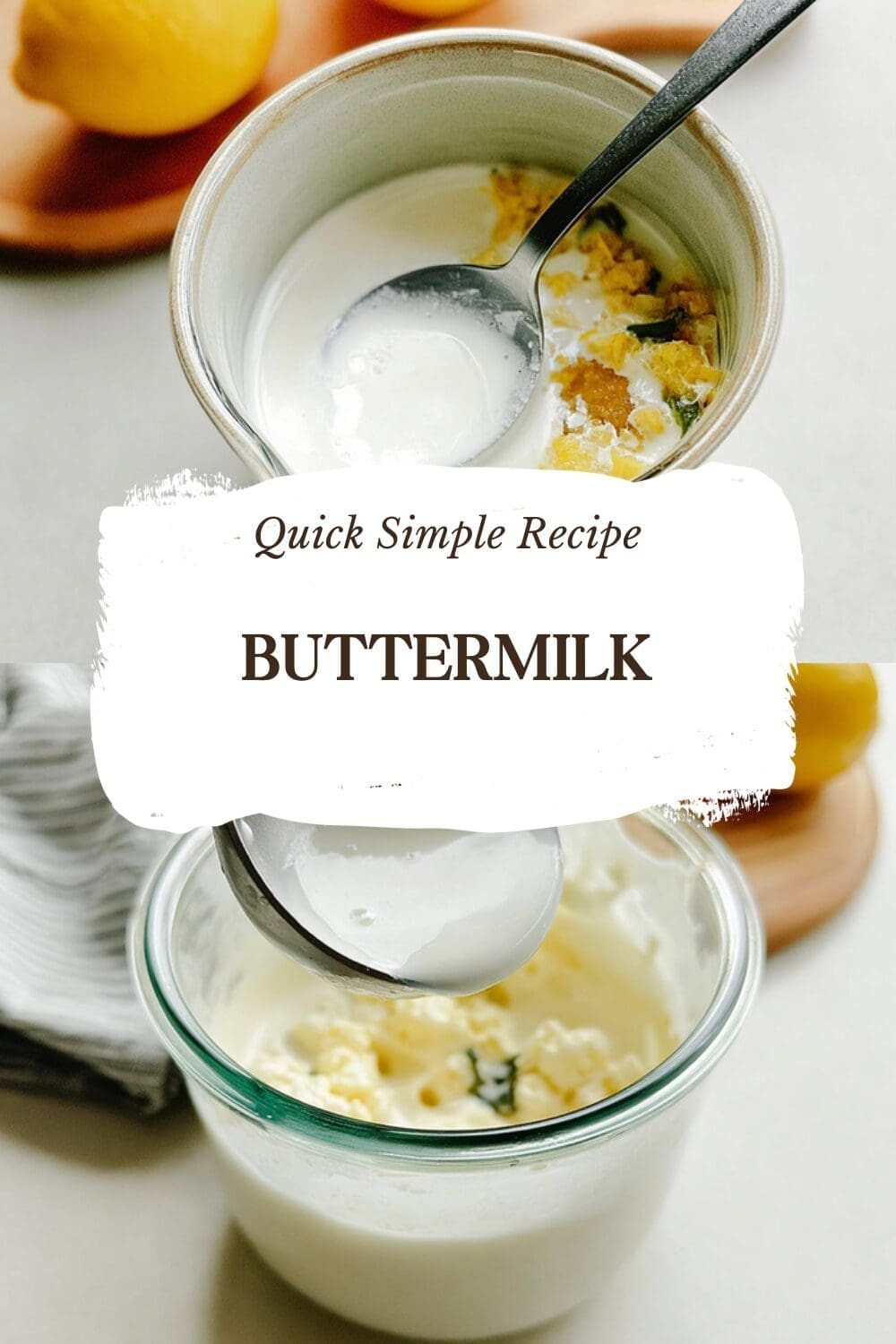
- Let the mixture sit at room temperature for approximately 10 minutes, allowing it to curdle and thicken as the acid reacts with the milk proteins.
- Once curdled, stir the mixture again to achieve a uniform texture before using it in recipes.
- For traditional buttermilk, pour fresh raw milk into a container and let it stand at room temperature, where ambient bacteria cause fermentation and cream separation over variable time.
In commercial settings, milk is pasteurized and homogenized before bacterial cultures are added, leading to lactic acid production that thickens the product within a day. Temperature control is key; maintain room temperature around 20-25 degrees Celsius for optimal curdling. best cake recipes on this blog often use this buttermilk for enhanced moisture and rise.
Timing and Temperature Details
Acidified buttermilk requires minimal time, specifically 10 minutes for curdling, but traditional methods depend on factors like ambient temperature, which can range from several hours to days. Always use fresh milk stored at 4 degrees Celsius prior to preparation to ensure safety and quality. This approach aligns with the blog’s emphasis on techniques for moist layers in cakes.
Once prepared, buttermilk can be used immediately in baking, where its acidity reacts with baking soda to create leavening. For example, in buttermilk pancakes, the mixture provides a tangy flavor and tender texture. Nutritional aspects, such as 62 calories per 100 grams, make it a healthful choice for various audiences.
Tips for Successful Preparation
To achieve the best results, use whole milk for acidified buttermilk, as it yields a creamier consistency suitable for desserts. Stir the mixture thoroughly to prevent clumps, and consider external resources for further guidance, such as how to make buttermilk at home. These steps ensure buttermilk enhances recipes like fried chicken or salad dressings effectively.

Dietary Substitutions to Customize Your Buttermilk
Protein and Main Component Alternatives
Customizing buttermilk for different dietary needs involves simple swaps in the main ingredients. For those seeking protein-rich options, replace traditional milk with versions fortified with extra protein, while maintaining the 200-250 milliliters measurement. Acid levels remain at 15 milliliters to preserve the tang and thickness.
This adaptation suits busy parents or working professionals looking for quick, nutritious tweaks. Additionally, lactose-free milk can be used in the same quantity to aid digestion, incorporating the health benefits like probiotics mentioned earlier.
These changes keep the recipe versatile without altering its core function in baking.
Vegetable, Sauce, and Seasoning Modifications
Vegetable-based substitutions, such as using plant milks for vegan versions, allow for a 200-250 milliliters swap with almond or soy milk, paired with 15 milliliters of acid. Sauce variations might include adding herbs for dressings, enhancing flavor while keeping measurements precise.
Seasoning adjustments can incorporate roasted spices for drinks, aligning with tips for enjoying buttermilk chilled. These modifications cater to food enthusiasts and travelers, ensuring buttermilk remains a flexible ingredient.
Mastering Buttermilk: Advanced Tips and Variations
Pro Cooking Techniques and Flavor Variations
Advanced tips for buttermilk preparation include using powdered forms as a substitute to add tang without extra liquid, ideal for precise baking measurements. Flavor variations can involve infusing with roasted spices for beverages, enhancing its use in sauces or marinades.
This technique tenderizes meats like in buttermilk chicken recipes, drawing on the ingredient’s acidity for better results.
Presentation and Make-Ahead Options
Presentation tips focus on chilling buttermilk for drinks, while make-ahead options allow freezing for up to three months. These strategies help celebration planners prepare in advance for special occasions.
| Technique | Benefit |
|---|---|
| Use powdered buttermilk | Adds tang without liquid |
| Infuse with spices | Enhances flavor for sauces |
How to Store Buttermilk: Best Practices
Proper storage of buttermilk maintains its quality and extends its usability for cooking and baking. Refrigeration is the primary method, keeping it fresh for up to two weeks at 4 degrees Celsius. Freezing involves placing it in airtight containers for up to three months, though texture may change slightly.
Reheating requires gentle stirring after thawing to re-incorporate solids, making it suitable for recipes. Meal prep considerations include portioning into smaller amounts for convenience, aligning with tips for busy lifestyles.
The acidity of buttermilk not only aids in leavening but also helps in preservation, making it a practical choice for home storage.
FAQs: Frequently Asked Questions About Buttermilk
What is buttermilk and how is it made?
How can I substitute buttermilk in recipes if I don’t have any?
What are the health benefits of drinking buttermilk?
Can buttermilk be frozen and stored for later use?
How does buttermilk improve baking recipes?

Buttermilk
🥛 Discover how to use buttermilk to add tangy flavor and tender texture to your home-cooked meals and baked goods.
🍰 This guide includes simple tips for making acidified buttermilk quickly and creatively incorporating buttermilk in a variety of recipes.
- Total Time: 10 minutes plus fermentation if applicable
- Yield: About 1 cup acidified buttermilk 1x
Ingredients
15 milliliters food-grade acid, such as distilled white vinegar or lemon juice
200–250 milliliters milk (whole milk is recommended for best results in baking)
Fresh milk (quantity varies based on batch size, typically 200-250 milliliters as a starting point)
Bacteria like Lactococcus lactis or Lactobacillus species (added in controlled amounts during commercial production)
Instructions
1-Measure: 15 milliliters of a food-grade acid, such as distilled white vinegar or lemon juice, into a clean bowl or measuring cup.
2-Add: 200-250 milliliters of milk to the acid, stirring gently to combine the liquids fully.
3-Let: the mixture sit at room temperature for approximately 10 minutes, allowing it to curdle and thicken as the acid reacts with the milk proteins.
4-Once curdled: stir the mixture again to achieve a uniform texture before using it in recipes.
5-For traditional buttermilk, pour fresh raw milk into a container and let it stand at room temperature, where ambient bacteria cause fermentation and cream separation over variable time.
Last Step:
Please leave a rating and comment letting us know how you liked this recipe! This helps our business to thrive and continue providing free, high-quality recipes for you.Notes
🥞 The acidity in buttermilk is key to tenderizing baked goods and activating baking soda for light, fluffy results.
🧂 Use powdered buttermilk as a convenient alternative to add tangy flavor without extra liquid.
🍹 Enjoy buttermilk chilled as a refreshing drink or as a flavorful base for sauces and dressings.
- Prep Time: 10 minutes (acidified buttermilk)
- Fermentation Time: Varies (hours to days for traditional buttermilk)
- Cook Time: 0 minutes
- Category: Dairy, Baking
- Method: Fermentation, Acidification
- Cuisine: Universal
- Diet: Vegetarian, Gluten-Free
Nutrition
- Serving Size: 100 grams
- Calories: 62
- Sugar: 4.9 grams
- Sodium: 60 mg
- Fat: 3.3 grams
- Saturated Fat: 2 grams
- Unsaturated Fat: 1.3 grams
- Trans Fat: 0 grams
- Carbohydrates: 4.9 grams
- Fiber: 0 grams
- Protein: 3.2 grams
- Cholesterol: 10 mg