Why You’ll Love This Butterscotch Oatmeal Cookies
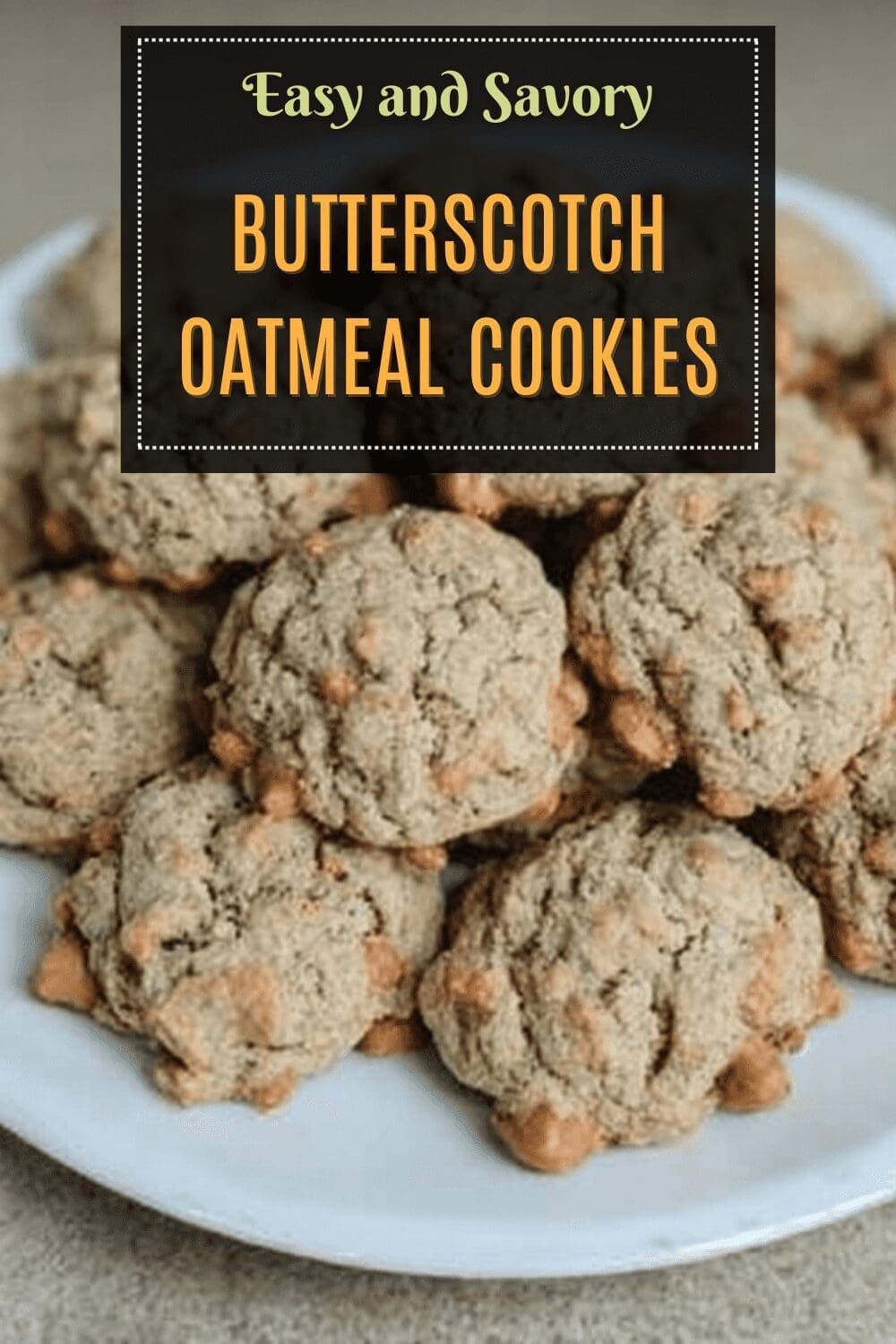
Butterscotch oatmeal cookies stand out as a comforting treat that combines simplicity with satisfying flavors, perfect for any home baker. These cookies offer a delightful mix of chewy oats and rich butterscotch that makes them irresistible. Whether you’re a busy parent looking for a quick dessert or a baking enthusiast exploring new recipes, this butterscotch cookies variation will become a favorite.
One reason you’ll adore these butterscotch oatmeal cookies is their ease of preparation. This recipe is straightforward and quick to make, requiring minimal ingredients and simple steps that even beginners can follow easily, so you can have delicious cookies ready in under 30 minutes, ideal for busy days. Another plus is the health benefits, as they blend wholesome oats with butterscotch flavor, providing dietary fiber and essential nutrients while indulging your sweet tooth, which supports digestion and overall wellness. Plus, the versatility allows for easy adaptations to various diets, like making vegan or gluten-free versions without losing that soft and chewy texture.
The distinctive flavor of butterscotch oatmeal cookies truly sets them apart. The rich, buttery sweetness of butterscotch pairs beautifully with the hearty, nutty taste of oats, creating a unique experience that elevates everyday baking. For those seeking oatmeal cookies with a twist, this recipe delivers a memorable taste that’s hard to resist.
Health Benefits and Adaptations
Oats in these butterscotch oatmeal cookies not only add a chewy texture but also bring nutritional value. Choosing whole grain oats helps with digestion and offers steady energy, making them great for students or working professionals. If you’re diet-conscious, you can tweak the recipe by swapping ingredients to fit gluten-free or low-calorie needs, ensuring everyone enjoys these treats. For more on how oats benefit your health, check out this resource on the health benefits of oats.
Overall, these butterscotch oatmeal cookies are adaptable for various occasions, from family gatherings to quick snacks. Their soft and chewy nature makes them a hit with travelers or newlyweds needing easy recipes. By incorporating butterscotch chips, you get that extra sweetness that complements the oats perfectly.
Jump to:
- Why You’ll Love This Butterscotch Oatmeal Cookies
- Health Benefits and Adaptations
- Essential Ingredients for Butterscotch Oatmeal Cookies
- Special Dietary Options
- How to Prepare the Perfect Butterscotch Oatmeal Cookies: Step-by-Step Guide
- Mixing and Baking Steps
- Dietary Substitutions to Customize Your Butterscotch Oatmeal Cookies
- Vegetable, Sauce, and Seasoning Modifications
- Mastering Butterscotch Oatmeal Cookies: Advanced Tips and Variations
- Experimenting with Flavors
- How to Store Butterscotch Oatmeal Cookies: Best Practices
- Long-Term Storage Tips
- FAQs: Frequently Asked Questions About Butterscotch Oatmeal Cookies
- How do I make soft and chewy butterscotch oatmeal cookies?
- Can I substitute regular oats for quick oats in butterscotch oatmeal cookies?
- How should I store butterscotch oatmeal cookies to keep them fresh?
- Are there any common mistakes to avoid when baking butterscotch oatmeal cookies?
- Can I add nuts or other mix-ins to butterscotch oatmeal cookies?
- Butterscotch Oatmeal Cookies
- Ingredients
- Instructions
- Last Step:
- Notes
- Nutrition
- Did you make this recipe?
Essential Ingredients for Butterscotch Oatmeal Cookies
Gathering the right ingredients is key to making perfect butterscotch oatmeal cookies that are soft and chewy. Each item plays a role in creating the ideal texture and flavor. Let’s break down what you’ll need for this butterscotch oatmeal cookies recipe, ensuring you have everything measured accurately.
- 1 1/4 cup all-purpose flour (spooned and leveled)
- 1 teaspoon baking soda
- 1 teaspoon ground cinnamon
- 1/2 teaspoon sea salt
- 1/2 cup unsalted butter (room temperature)
- 1/2 cup brown sugar
- 1/2 cup sugar
- 1 egg
- 2 teaspoons vanilla extract
- 1 1/2 cups rolled oats (old-fashioned, not quick-cooking)
- 1/2 cup butterscotch chips (heaping)
These ingredients form the base of your butterscotch oatmeal cookies, providing structure, sweetness, and that signature chew. Fresh, high-quality items like unsalted butter and old-fashioned oats ensure the best results in this oatmeal cookies recipe.
Special Dietary Options
For those with specific needs, you can modify this butterscotch oatmeal cookies recipe easily. If you’re aiming for vegan options, swap butter with plant-based margarine and eggs with flaxseed meal. For gluten-free butterscotch cookies, use certified gluten-free oats and a gluten-free flour blend to keep things tasty and inclusive.
Adding these adaptations makes the recipe accessible for busy parents or seniors who might have dietary restrictions. Remember, precise measurements help maintain the soft and chewy quality that defines butterscotch oatmeal cookies.
How to Prepare the Perfect Butterscotch Oatmeal Cookies: Step-by-Step Guide
Creating soft and chewy butterscotch oatmeal cookies is simpler than you might think, with steps that guide you from start to finish. This butterscotch oatmeal cookies recipe takes just about 20 minutes total, making it ideal for quick baking sessions. Follow along to achieve that perfect balance of texture and flavor.
First, preheat your oven to 350°F (175°C) and line baking sheets with parchment paper for easy cleanup and even baking. In a medium bowl, whisk together the flour, baking soda, cinnamon, and sea salt, then set it aside to ensure even distribution of leavening agents.
Next, in a large bowl, cream the room-temperature butter with the brown sugar and sugar using an electric mixer until light and smooth, which takes about 2 minutes and builds a fluffy base. Add the egg and vanilla extract, mixing until fully combined to bind the ingredients together.
Mixing and Baking Steps
Gradually add the dry ingredients to the wet mixture, stirring until just combined it’s fine if some flour is still visible to keep the dough from becoming tough. Gently fold in the rolled oats and butterscotch chips for that hearty texture and sweet bursts.
Scoop the dough onto the prepared baking sheets, spacing the balls at least 2 inches apart to allow for spreading. Bake for 10 minutes, rotating the pan halfway through, until the cookies are soft in the center and slightly puffed.
After baking, let the cookies cool on the sheet for a few minutes before moving them to a wire rack. This step helps them set while keeping them chewy, following the directions for butterscotch oatmeal cookies to a T.

Dietary Substitutions to Customize Your Butterscotch Oatmeal Cookies
Customizing your butterscotch oatmeal cookies allows you to tailor them to different preferences or needs, making this recipe versatile for everyone. Whether you’re vegan or looking to boost protein, simple swaps can enhance these oatmeal cookies without losing their charm. Let’s explore options that keep the soft and chewy texture intact.
For protein and main component alternatives, replace eggs with flaxseed meal mixture or applesauce to suit vegan diets, and use nut butters to add more protein. Swap butter for coconut oil or vegan margarine to maintain richness while adapting for dietary restrictions.
- Replace eggs with flaxseed meal mixture or applesauce for vegan options.
- Use nut butters or plant-based protein powders to enhance protein content.
- Swap butter for coconut oil or vegan margarine for a dairy-free version.
Vegetable, Sauce, and Seasoning Modifications
Incorporate additions like cinnamon or nutmeg to enhance the warmth in your butterscotch oatmeal cookies. You can substitute butterscotch chips with dark chocolate chips or dried fruit for a fresh twist on this classic recipe. Adding seeds like chia can boost nutrition, making these cookies even more appealing for food enthusiasts.
These changes ensure your butterscotch cookies remain delicious and adaptable, perfect for celebration planners or special occasion hosts. Experimenting keeps things exciting while sticking to the core of butterscotch oatmeal cookies.
Mastering Butterscotch Oatmeal Cookies: Advanced Tips and Variations
Taking your butterscotch oatmeal cookies to the next level involves some pro cooking techniques and creative variations. Chilling the dough before baking improves texture and prevents excessive spreading, leading to thicker, chewier cookies that hold their shape. Flavor variations can include adding toasted nuts or a sea salt topping for a savory contrast that complements the sweet butterscotch.
Experiment by substituting butterscotch chips with white chocolate to create unique profiles that surprise your taste buds. Presentation tips, like drizzling butterscotch sauce over the top, make these cookies visually appealing for any gathering. Make-ahead options, such as preparing dough in advance and freezing it, save time for busy parents or working professionals.
Experimenting with Flavors
When you try new mix-ins like chopped walnuts, it enhances the nutty aspect of your butterscotch oatmeal cookies. As one baking expert notes: “Adding nuts not only adds crunch but also elevates the overall experience of these beloved treats.” For a related treat, check out our guide on making no-churn ice cream recipes to pair with your cookies.
These advanced tips ensure your butterscotch cookies turn out perfectly every time, appealing to baking enthusiasts and food lovers alike. Remember, gentle reshaping while warm helps achieve uniform edges, as per the tips shared earlier.
How to Store Butterscotch Oatmeal Cookies: Best Practices
Proper storage keeps your butterscotch oatmeal cookies fresh and maintains their soft and chewy texture. Store them in an airtight container at room temperature for up to one week to preserve that just-baked goodness. For longer-lasting treats, freezing in zip-top bags works wonders, allowing you to enjoy them later without losing flavor.
Reheating is simple warm frozen cookies in a microwave for 10-15 seconds or in a 300°F oven for 5 minutes to bring back softness. Meal prep considerations include batch baking and portioning cookies before freezing, making them convenient snacks for students or travelers on the go.
Long-Term Storage Tips
According to the recipe details, you can store these butterscotch oatmeal cookies for 3 to 5 days at room temperature or freeze for up to three months. This approach ensures they remain a staple in your baking routine, ready for any occasion.
FAQs: Frequently Asked Questions About Butterscotch Oatmeal Cookies
How do I make soft and chewy butterscotch oatmeal cookies?
Can I substitute regular oats for quick oats in butterscotch oatmeal cookies?
How should I store butterscotch oatmeal cookies to keep them fresh?
Are there any common mistakes to avoid when baking butterscotch oatmeal cookies?
Can I add nuts or other mix-ins to butterscotch oatmeal cookies?

Butterscotch Oatmeal Cookies
🍪 Enjoy the comforting blend of butterscotch and oatmeal in a soft, chewy cookie that’s perfect for any snack time.
💛 This easy recipe delivers delightful texture and rich flavor, making it a great treat for family and friends.
- Total Time: 20 minutes
- Yield: About 24 cookies
Ingredients
– 1 1/4 cup all-purpose flour (spooned and leveled)
– 1 teaspoon baking soda
– 1 teaspoon ground cinnamon
– 1/2 teaspoon sea salt
– 1/2 cup unsalted butter (room temperature)
– 1/2 cup brown sugar
– 1/2 cup sugar
– 1 egg
– 2 teaspoons vanilla extract
– 1 1/2 cups rolled oats (old-fashioned, not quick-cooking)
– 1/2 cup butterscotch chips (heaping)
Instructions
1-First, preheat your oven to 350°F (175°C) and line baking sheets with parchment paper for easy cleanup and even baking.
2-In a medium bowl, whisk together the flour, baking soda, cinnamon, and sea salt, then set it aside to ensure even distribution of leavening agents.
3-Next, in a large bowl, cream the room-temperature butter with the brown sugar and sugar using an electric mixer until light and smooth, which takes about 2 minutes and builds a fluffy base.
4-Add the egg and vanilla extract, mixing until fully combined to bind the ingredients together.
5-Gradually add the dry ingredients to the wet mixture, stirring until just combined it’s fine if some flour is still visible to keep the dough from becoming tough. Gently fold in the rolled oats and butterscotch chips for that hearty texture and sweet bursts.
6-Scoop the dough onto the prepared baking sheets, spacing the balls at least 2 inches apart to allow for spreading. Bake for 10 minutes, rotating the pan halfway through, until the cookies are soft in the center and slightly puffed.
7-After baking, let the cookies cool on the sheet for a few minutes before moving them to a wire rack. This step helps them set while keeping them chewy, following the directions for butterscotch oatmeal cookies to a T.
Last Step:
Please leave a rating and comment letting us know how you liked this recipe! This helps our business to thrive and continue providing free, high-quality recipes for you.Notes
🎯 Measure ingredients precisely, especially flour and baking soda, to achieve the correct texture.
🥄 Avoid overmixing the dough after adding dry ingredients to keep the cookies soft and chewy.
🍪 Gently reshape the cookies while they are still warm to get uniform, round edges.
- Prep Time: 10 minutes
- Cook Time: 10 minutes
- Category: Dessert
- Method: Baking
- Cuisine: American
- Diet: Vegetarian
Nutrition
- Serving Size: 1 cookie
- Calories: 128 calories
- Sugar: 12 grams
- Sodium: 113 mg
- Fat: 5 grams
- Saturated Fat: 3 grams
- Trans Fat: 0.2 grams
- Carbohydrates: 20 grams
- Fiber: 1 gram
- Protein: 2 grams
- Cholesterol: 17 mg