Why You’ll Love This Chinese Dry Fried Ribs
If you’re looking for a dish that delivers maximum flavor with minimal effort, these Chinese dry fried ribs are exactly what you need. This recipe brings the authentic taste of Chinese cuisine right into your home kitchen, creating crispy, juicy pork ribs that are absolutely addictive. The combination of bold garlic flavor and perfectly crispy exterior makes this dish a standout at any dinner table.
Here’s why this Chinese dry fried garlic ribs recipe will become a favorite in your household:
- Ease of Preparation: With just a handful of pantry staples and about 55 minutes total time (most of which is hands-off marinating), this recipe fits perfectly into busy weeknight schedules. The marination process does all the heavy lifting for flavor development, leaving you with minimal active cooking time.
- Health Benefits: Each serving contains 13g of protein and only 264 calories, making this a satisfying yet reasonable choice for dinner. Garlic, one of the star ingredients, contains compounds with impressive health benefits, including immune support and anti-inflammatory properties. You can learn more about the health benefits of garlic and why it’s such a valuable addition to your cooking.
- Versatility: These garlic ribs work beautifully as an appetizer, main course, or party finger food. They pair well with steamed rice, stir-fried vegetables, or even a simple salad for a complete meal.
- Distinctive Flavor: The technique of dry frying creates an intensely flavored, crispy exterior without the heaviness of a wet sauce. The garlic penetrates deep into the meat during marination, ensuring every bite is packed with savory goodness.
For those who enjoy experimenting with different cooking methods, this recipe offers an authentic Chinese technique that delivers restaurant-quality results at home. Much like our instant pot ribs recipe, this dish proves that great ribs don’t require hours of slow cooking to taste amazing.
Jump to:
- Why You’ll Love This Chinese Dry Fried Ribs
- Essential Ingredients for Chinese Dry Fried Ribs
- Main Ingredients List
- Special Dietary Options
- How to Prepare the Perfect Chinese Dry Fried Ribs: Step-by-Step Guide
- Step 1: Prepare the Ribs
- Step 2: Create the Marinade
- Step 3: Marinate the Ribs
- Step 4: Prepare for Frying
- Step 5: Heat the Oil
- Step 6: Fry the Ribs
- Step 7: Optional Double-Fry for Extra Crispiness
- Step 8: Serve Immediately
- Dietary Substitutions to Customize Your Chinese Dry Fried Ribs
- Protein and Main Component Alternatives
- Vegetable, Sauce, and Seasoning Modifications
- Mastering Chinese Dry Fried Ribs: Advanced Tips and Variations
- Pro Cooking Techniques
- Flavor Variations
- Presentation Tips
- Make-Ahead Options
- How to Store Chinese Dry Fried Ribs: Best Practices
- Refrigeration Guidelines
- Freezing for Long-Term Storage
- Reheating for Best Results
- Meal Prep Considerations
- FAQs: Frequently Asked Questions About Chinese Dry Fried Ribs
- What does “dry” mean in Chinese dry fried ribs?
- What type of ribs work best for Chinese dry fried ribs?
- How long should I marinate ribs for Chinese dry fried ribs?
- How do I make ribs more tender for Chinese dry fried ribs?
- How can I get extra crispy Chinese dry fried ribs?
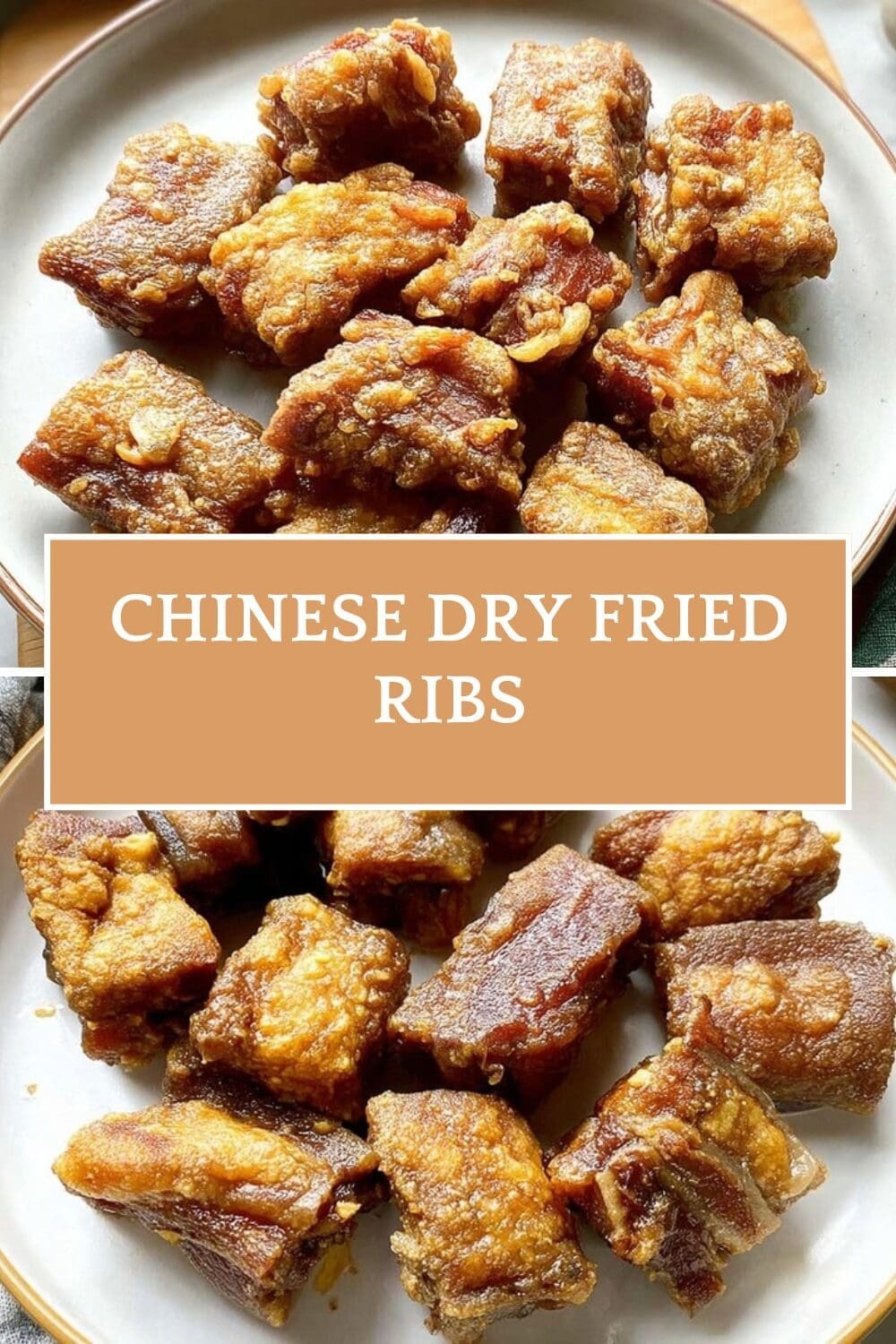
- Chinese Dry Fried Ribs
- Ingredients
- Instructions
- Last Step:
- Notes
- Nutrition
- Did you make this recipe?
Essential Ingredients for Chinese Dry Fried Ribs
Creating the perfect dry fried garlic ribs starts with understanding each ingredient’s role in building flavor and texture. Every component works together to produce that signature crispy exterior and juicy interior that makes this dish so memorable.
Main Ingredients List
The following ingredients are essential for achieving authentic Chinese dry fried spare ribs:
- 1 ½ pounds pork ribs (baby back ribs cut in half or spare ribs) – The foundation of this dish; spare ribs offer more fat and marbling for juicier results, while baby back ribs provide a leaner option with slightly faster cooking time.
- 5 cloves garlic (minced or crushed) – Delivers the signature bold garlic flavor that defines this dish; using fresh garlic is essential for authentic taste.
- 1 tablespoon Shaoxing wine – A Chinese rice wine that adds depth and complexity while helping to remove any gamey flavors from the pork.
- 1 tablespoon soy sauce – Provides saltiness and umami, creating a savory base for the marinade.
- 1 teaspoon salt – Enhances all flavors and helps season the meat throughout.
- ¼ teaspoon white pepper – Adds a subtle heat that complements the garlic without overpowering it.
- ½ teaspoon baking soda – A secret weapon for tenderizing meat through alkalinity, ensuring each bite is melt-in-your-mouth tender.
- ⅓ cup cornstarch (or potato or tapioca starch) – Creates that signature light, crispy coating that makes Chinese fried meats so irresistible.
- Neutral oil (about 1 inch depth for frying) – Canola, vegetable, or peanut oil work best for high-heat frying without imparting unwanted flavors.
Special Dietary Options
| Dietary Need | Substitution | Notes |
|---|---|---|
| Gluten-free | Use tamari instead of soy sauce, gluten-free Shaoxing wine | Check labels carefully as some brands contain wheat |
| Lower sodium | Reduce soy sauce to ½ tablespoon, use low-sodium soy sauce | Marinate longer to ensure flavor penetration |
| Alcohol-free | Replace Shaoxing wine with chicken broth plus 1 tsp rice vinegar | Flavor will be slightly different but still delicious |
Pro Tip: The starch you choose affects the final texture. Cornstarch produces the crispiest result, while potato starch creates a slightly chewier coating. Tapioca starch falls somewhere in between, offering a unique texture many Chinese restaurants prefer.
How to Prepare the Perfect Chinese Dry Fried Ribs: Step-by-Step Guide
Making Chinese dry fried ribs at home is simpler than you might think. This step-by-step guide walks you through the entire process, from preparation to serving. Follow these instructions carefully for the best results.
Step 1: Prepare the Ribs
Start by cutting your pork ribs into individual pieces, about 2-3 inches long. If using baby back ribs, cut them in half for easier handling. Smaller pieces mean more surface area for that delicious crispy coating. Pat the ribs dry with paper towels to remove excess moisture, which helps the marinade adhere better and prevents oil splatter during frying.
If you’re working with spare ribs, you can ask your butcher to cut them into smaller pieces across the bone. This traditional Chinese preparation makes the ribs easier to eat and ensures more even cooking throughout.
Step 2: Create the Marinade
In a large bowl, combine the following ingredients for your marinade:
- 5 cloves garlic, minced or crushed
- 1 tablespoon Shaoxing wine
- 1 tablespoon soy sauce
- 1 teaspoon salt
- ¼ teaspoon white pepper
- ½ teaspoon baking soda
Mix these ingredients well before adding the pork ribs. The baking soda in this mixture is crucial for tenderizing the meat. It works by raising the pH level of the meat’s surface, which prevents proteins from tightening during cooking.
Step 3: Marinate the Ribs
Add the prepared pork ribs to the marinade bowl. Using your hands (wear food-safe gloves if preferred), massage the marinade thoroughly into each piece of rib. Make sure every surface is coated with the garlic mixture. The more contact between the meat and marinade, the more flavorful your final dish will be.
Cover the bowl with plastic wrap and refrigerate for at least 45 minutes. For deeper flavor development, marinate overnight or up to 12 hours. The longer marination time allows the garlic and seasonings to penetrate deeper into the meat.
Chef’s Secret: For the most intense garlic flavor, use nearly half a bulb of garlic. The strong garlic presence is what makes this dish authentically Chinese and incredibly memorable.
Step 4: Prepare for Frying
Before heating the oil, redistribute the marinade on the ribs and then toss them in cornstarch. Make sure each piece is evenly coated with a thin layer of starch. Shake off any excess starch, as too much can create a gummy texture rather than a crispy one.
For extra crispy results, place the coated ribs on a plate and refrigerate for 20 minutes. This drying period helps the coating adhere better and creates an even crunchier exterior when fried.
Step 5: Heat the Oil
In a wok or deep pot, heat about 1 inch of neutral oil to 350°F. Use a thermometer to ensure accurate temperature. If the oil is too cool, the ribs will absorb excess oil and become greasy. If too hot, the exterior will burn before the interior cooks through.
To test the oil temperature without a thermometer, drop a small piece of bread or a wooden chopstick into the oil. If bubbles form rapidly around it and it sizzles immediately, the oil is ready. A wooden chopstick should produce steady bubbles when inserted into properly heated oil.
Step 6: Fry the Ribs
Working in small batches (3-4 pieces at a time), carefully lower the coated ribs into the hot oil. Overcrowding the pot will lower the oil temperature and result in soggy, greasy ribs rather than crispy ones.
Fry each batch for 5-7 minutes until golden brown and crispy. The internal temperature should reach 190-195°F for perfectly tender meat. Use a slotted spoon or spider strainer to remove the ribs from the oil, letting excess oil drain back into the pot.
Step 7: Optional Double-Fry for Extra Crispiness
For restaurant-level crispiness, you can employ the double-fry technique. After the initial frying, let the ribs cool for a few minutes. Then increase the oil temperature to 400°F and fry the ribs again for 1 minute. This second fry removes any remaining moisture from the coating and creates an incredibly crispy shell.
This technique is similar to what many restaurants use for dishes like Korean fried chicken, where the goal is maximum crunch without sacrificing the juicy interior.
Step 8: Serve Immediately
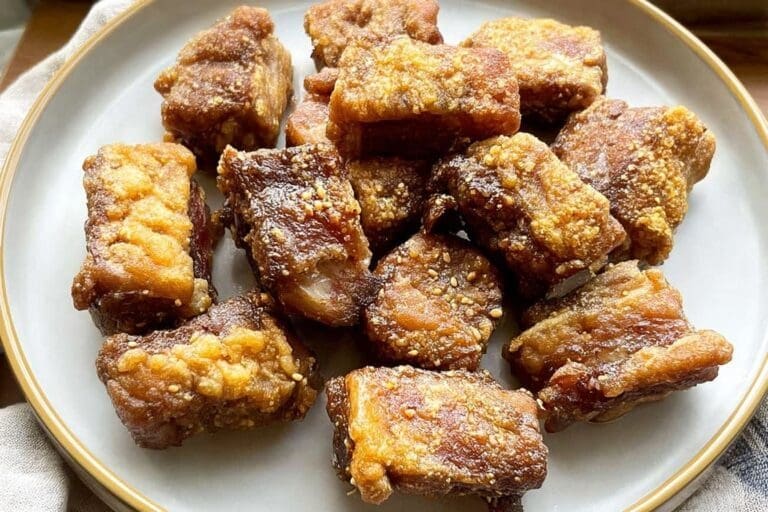
Transfer the fried ribs to a wire rack or paper towel-lined plate to drain briefly. Serve hot while the coating is at its crispiest. These Chinese spare ribs are best enjoyed immediately, as the coating will soften over time.
For presentation, arrange on a serving platter and garnish with sliced green onions or a sprinkle of toasted sesame seeds. The contrast of colors makes for an appealing presentation that’s worthy of any dinner party or family gathering.
If you enjoy exploring different rib preparations, our braised short ribs recipe offers another delicious way to enjoy this versatile cut of meat.

Dietary Substitutions to Customize Your Chinese Dry Fried Ribs
While traditional Chinese dry fried ribs use specific ingredients for authentic flavor, there are several ways to adapt this recipe for different dietary needs and preferences without sacrificing taste.
Protein and Main Component Alternatives
Though pork ribs are traditional, you can create similar dishes with other proteins. Chicken wings or drumettes work wonderfully with this preparation method. Cut chicken wings into segments, marinate as directed, and reduce frying time to 4-5 minutes. The result is crispy, garlic-infused chicken that captures the spirit of the original.
For a seafood alternative, large shrimp can be prepared similarly. Marinate peeled and deveined shrimp for only 20-30 minutes (seafood requires less marination time), coat in starch, and fry for 2-3 minutes until pink and crispy. The garlic flavor pairs exceptionally well with the natural sweetness of shrimp.
Vegetarians can substitute the pork with firm tofu or tempeh. Press tofu to remove excess moisture, cut into 1-inch cubes, and follow the same marinating and coating process. Fry for 3-4 minutes until golden. While the texture will differ from pork, the garlic flavor profile remains delicious.
Vegetable, Sauce, and Seasoning Modifications
The garlic-forward flavor profile of this dish pairs beautifully with various additions. Consider adding minced ginger to the marinade for a warming, aromatic dimension. A teaspoon of five-spice powder introduces complexity with its blend of star anise, Sichuan peppercorns, fennel, cinnamon, and cloves.
For those who enjoy heat, add ½ teaspoon of cayenne pepper or 1 teaspoon of chili paste to the marinade. The spice complements the rich pork and pungent garlic beautifully. Sichuan peppercorns can replace white pepper for a numbing, citrusy heat that’s characteristic of Sichuan cuisine.
After frying, some home cooks toss the ribs in a mixture of salt, pepper, and five-spice powder for an extra layer of seasoning. This dry spice coating adheres to the hot, oil-rubbed surface and intensifies the flavor experience.
Serving suggestions include pairing these ribs with Asian slaw, steamed broccoli, or a simple cucumber salad to balance the richness. The acidity and crunch of pickled vegetables cut through the fat and refresh the palate between bites.
Mastering Chinese Dry Fried Ribs: Advanced Tips and Variations
Once you’ve mastered the basic technique, these advanced tips will help you elevate your Chinese dry fried garlic ribs to restaurant quality.
Pro Cooking Techniques
The secret to perfectly crispy ribs lies in proper oil temperature management. Use a deep-fry thermometer to maintain 350°F throughout cooking. When you add cold ribs to the oil, the temperature will drop. Allow it to return to 350°F between batches for consistent results.
Another professional technique is the cornstarch-to-water ratio. Some chefs add a tablespoon of cold water to their cornstarch coating, creating a slurry that forms a lighter, more delicate crust. Experiment with this method if you prefer a less dense coating.
The refrigeration step between coating and frying (mentioned earlier) is more than just a suggestion. This 20-minute rest allows the starch to bond with the meat surface, creating a coating that adheres better during frying and stays crispy longer after cooking.
Flavor Variations
- Honey Garlic Ribs: After frying, toss ribs in a mixture of 2 tablespoons honey, 1 tablespoon soy sauce, and ½ teaspoon sesame oil for a sweet-savory finish.
- Spicy Sichuan Style: Add Sichuan peppercorns and dried red chilies to the oil during the last minute of frying for aromatic heat.
- Five-Spice Dry Rub: Toss fried ribs in a mixture of salt, white pepper, and five-spice powder immediately after removing from oil.
- Cilantro-Lime: Garnish with fresh cilantro and a squeeze of lime juice for a bright, modern twist.
Presentation Tips
Visual appeal matters as much as taste. Serve these ribs on a rustic wooden board or a white platter to showcase their golden color. Garnish with thinly sliced green onions on the diagonal for a professional touch. A sprinkle of toasted sesame seeds adds visual contrast and subtle nutty flavor.
For dinner parties, serve family-style in the center of the table. The communal eating style is traditional in Chinese culture and encourages conversation. Provide small plates and napkins, as these ribs are meant to be eaten with hands.
Make-Ahead Options
Busy schedules don’t have to mean sacrificing quality food. You can marinate the ribs up to 12 hours before cooking, making them perfect for prepping the night before. The coated, unfried ribs can also be frozen for up to a month. Thaw completely in the refrigerator before frying.
For partial prep, complete the marination process, then coat in starch and refrigerate. When ready to serve, heat your oil and fry directly from the refrigerator. This approach saves time while maintaining the crispy texture that makes this dish special.
How to Store Chinese Dry Fried Ribs: Best Practices
Proper storage ensures your leftover ribs maintain their quality and safety for future meals. Understanding the best methods for refrigeration, freezing, and reheating helps you enjoy this dish beyond the initial serving.
Refrigeration Guidelines
Store leftover Chinese dry fried ribs in an airtight container in the refrigerator for up to 3-4 days. Allow the ribs to cool to room temperature before storing, but don’t leave them out for more than 2 hours. Placing hot ribs directly in the refrigerator can raise the internal temperature and affect other foods.
For best results, separate layers of ribs with parchment paper to prevent them from sticking together. The coating will soften in the refrigerator due to moisture, but proper reheating can restore much of the original crispiness.
Freezing for Long-Term Storage
While freshly cooked is ideal, you can freeze leftover ribs for up to 2-3 months. Wrap cooled ribs tightly in plastic wrap, then place in a freezer-safe bag or container. Remove as much air as possible to prevent freezer burn.
Label with the date and contents for easy identification later. Thaw frozen ribs in the refrigerator overnight before reheating for the most even results.
Reheating for Best Results
The key to reheating fried foods is avoiding the microwave, which makes them soggy. Instead, reheat ribs in a 400°F oven or toaster oven for 8-10 minutes. This method helps restore crispiness by evaporating surface moisture.
For even better results, reheat in a skillet with a small amount of oil over medium-high heat for 2-3 minutes per side. This stovetop method most closely replicates the original frying technique.
Meal Prep Considerations
For meal planning, the marinated (but unfried) ribs can be stored in the refrigerator for up to 24 hours or frozen for up to a month. This flexibility lets you prep ahead for busy nights while ensuring fresh-fried quality when you’re ready to cook.
According to nutritional data from pork spare ribs nutrition information, properly stored ribs maintain their protein content and nutritional value when kept at appropriate temperatures.
FAQs: Frequently Asked Questions About Chinese Dry Fried Ribs
What does “dry” mean in Chinese dry fried ribs?
What type of ribs work best for Chinese dry fried ribs?
How long should I marinate ribs for Chinese dry fried ribs?
How do I make ribs more tender for Chinese dry fried ribs?
How can I get extra crispy Chinese dry fried ribs?
Chinese Dry Fried Ribs
🥩 Savor juicy, crispy Chinese dry-fried garlic ribs – bold, salty garlic flavor in every bite for an authentic home-cooked delight!
🧄 Tenderized and double-fried perfection, a simple family recipe that’s garlic heaven for rib lovers!
- Total Time: 55 minutes
- Yield: 4 servings
Ingredients
– 1 ½ pounds pork ribs (baby back ribs cut in half or spare ribs)
– 5 cloves garlic (minced or crushed)
– 1 tablespoon Shaoxing wine
– 1 tablespoon soy sauce
– 1 teaspoon salt
– ¼ teaspoon white pepper
– ½ teaspoon baking soda
– ⅓ cup cornstarch (or potato or tapioca starch)
– Neutral oil (about 1 inch depth for frying)
Instructions
1-Step 1: Prepare the Ribs Start by cutting your pork ribs into individual pieces, about 2-3 inches long. If using baby back ribs, cut them in half for easier handling. Smaller pieces mean more surface area for that delicious crispy coating. Pat the ribs dry with paper towels to remove excess moisture, which helps the marinade adhere better and prevents oil splatter during frying. If you’re working with spare ribs, you can ask your butcher to cut them into smaller pieces across the bone. This traditional Chinese preparation makes the ribs easier to eat and ensures more even cooking throughout.
2-Step 2: Create the Marinade In a large bowl, combine the following ingredients for your marinade:* 5 cloves garlic, minced or crushed* 1 tablespoon Shaoxing wine* 1 tablespoon soy sauce* 1 teaspoon salt* ¼ teaspoon white pepper* ½ teaspoon baking soda Mix these ingredients well before adding the pork ribs. The baking soda in this mixture is crucial for tenderizing the meat. It works by raising the pH level of the meat’s surface, which prevents proteins from tightening during cooking.
3-Step 3: Marinate the Ribs Add the prepared pork ribs to the marinade bowl. Using your hands (wear food-safe gloves if preferred), massage the marinade thoroughly into each piece of rib. Make sure every surface is coated with the garlic mixture. The more contact between the meat and marinade, the more flavorful your final dish will be. Cover the bowl with plastic wrap and refrigerate for at least 45 minutes. For deeper flavor development, marinate overnight or up to 12 hours. The longer marination time allows the garlic and seasonings to penetrate deeper into the meat.
4-Step 4: Prepare for Frying Before heating the oil, redistribute the marinade on the ribs and then toss them in cornstarch. Make sure each piece is evenly coated with a thin layer of starch. Shake off any excess starch, as too much can create a gummy texture rather than a crispy one. For extra crispy results, place the coated ribs on a plate and refrigerate for 20 minutes. This drying period helps the coating adhere better and creates an even crunchier exterior when fried.
5-Step 5: Heat the Oil In a wok or deep pot, heat about 1 inch of neutral oil to 350°F. Use a thermometer to ensure accurate temperature. If the oil is too cool, the ribs will absorb excess oil and become greasy. If too hot, the exterior will burn before the interior cooks through. To test the oil temperature without a thermometer, drop a small piece of bread or a wooden chopstick into the oil. If bubbles form rapidly around it and it sizzles immediately, the oil is ready. A wooden chopstick should produce steady bubbles when inserted into properly heated oil.
6-Step 6: Fry the Ribs Working in small batches (3-4 pieces at a time), carefully lower the coated ribs into the hot oil. Overcrowding the pot will lower the oil temperature and result in soggy, greasy ribs rather than crispy ones. Fry each batch for 5-7 minutes until golden brown and crispy. The internal temperature should reach 190-195°F for perfectly tender meat. Use a slotted spoon or spider strainer to remove the ribs from the oil, letting excess oil drain back into the pot.
7-Step 7: Optional Double-Fry for Extra Crispiness For restaurant-level crispiness, you can employ the double-fry technique. After the initial frying, let the ribs cool for a few minutes. Then increase the oil temperature to 400°F and fry the ribs again for 1 minute. This second fry removes any remaining moisture from the coating and creates an incredibly crispy shell. This technique is similar to what many restaurants use for dishes like Korean fried chicken, where the goal is maximum crunch without sacrificing the juicy interior.
8-Step 8: Serve Immediately Transfer the fried ribs to a wire rack or paper towel-lined plate to drain briefly. Serve hot while the coating is at its crispiest. These Chinese spare ribs are best enjoyed immediately, as the coating will soften over time. For presentation, arrange on a serving platter and garnish with sliced green onions or a sprinkle of toasted sesame seeds. The contrast of colors makes for an appealing presentation that’s worthy of any dinner party or family gathering.
Last Step:
Please leave a rating and comment letting us know how you liked this recipe! This helps our business to thrive and continue providing free, high-quality recipes for you.Notes
🧄 Use nearly half a bulb of garlic for intense, bold flavor.
⏱️ Marinate up to 12 hours for deeper, more flavorful results.
🥄 Baking soda tenderizes meat while starch creates light, crispy coating.
- Prep Time: 10 minutes
- Marinate Time: 45 minutes
- Cook Time: 10 minutes
- Category: Main Dishes
- Method: Deep Fried
- Cuisine: Chinese
Nutrition
- Serving Size: 1 serving
- Calories: 264 kcal
- Sugar: 0.1 g
- Sodium: 1035 mg
- Fat: 19 g
- Saturated Fat: 6 g
- Unsaturated Fat: 13 g
- Trans Fat: 0 g
- Carbohydrates: 9 g
- Fiber: 0.2 g
- Protein: 13 g
- Cholesterol: 64 mg