Why You’ll Love This Chinese Ginger Milk Tea
There’s something truly magical about wrapping your hands around a warm cup of Chinese ginger milk tea on a chilly morning. This comforting beverage has been a beloved staple in southern China for generations, and once you try it, you’ll understand exactly why it has stood the test of time. Whether you’re looking for a soothing drink to start your day or a relaxing treat before bed, this ginger milk tea delivers warmth, flavor, and nourishment in every sip.
- Ease of preparation: This Chinese ginger milk tea recipe comes together in just 10 minutes, making it perfect for busy mornings or lazy afternoons. With only a handful of simple ingredients and straightforward steps, even beginner cooks can master this warming beverage. The total time from start to finish is minimal, and the prep time is practically negligible, so you can enjoy your tea almost immediately.
- Health benefits: Fresh ginger brings impressive wellness perks to this drink, from aiding digestion to boosting your immune system. According to research on ginger benefits, this powerful root contains compounds that may help reduce nausea, fight inflammation, and support overall health. Combined with black tea’s antioxidants and the calcium from evaporated milk, each cup offers genuine nutritional value alongside its delicious taste.
- Versatility: One of the best things about this ginger tea recipe is how easily it adapts to different preferences and dietary needs. You can adjust the sweetness level, swap in plant-based milks for a vegan version, or make a larger batch to store in the refrigerator for busy days. It’s equally enjoyable hot or cold, making it a year-round favorite.
- Distinctive flavor: Unlike Indian chai or other spiced teas, Chinese ginger milk tea focuses specifically on the bright, sharp heat of fresh ginger balanced by the creamy richness of evaporated and sweetened condensed milk. The result is a perfectly balanced beverage that warms you from the inside out, with a velvety texture that regular milk simply cannot achieve.
Jump to:
- Why You’ll Love This Chinese Ginger Milk Tea
- Essential Ingredients for Chinese Ginger Milk Tea
- Main Ingredients
- Special Dietary Options
- How to Prepare the Perfect Chinese Ginger Milk Tea: Step-by-Step Guide
- Step 1: Boil the Water
- Step 2: Steep Tea and Ginger
- Step 3: Add the Milk
- Step 4: Strain and Serve
- Step 5: Enjoy Your Creation
- Dietary Substitutions to Customize Your Chinese Ginger Milk Tea
- Milk and Sweetener Alternatives
- Tea and Flavor Modifications
- Mastering Chinese Ginger Milk Tea: Advanced Tips and Variations
- Pro Cooking Techniques
- Flavor Variations
- Presentation Tips
- Make-Ahead Options
- How to Store Chinese Ginger Milk Tea: Best Practices
- Refrigeration Guidelines
- Reheating Best Practices
- Freezing Options
- FAQs: Frequently Asked Questions About Chinese Ginger Milk Tea
- What is Chinese ginger milk tea?
- What type of milk goes in Chinese ginger milk tea?
- Why use fresh ginger instead of ground ginger for milk tea?
- Can I sweeten Chinese ginger milk tea with sugar instead of condensed milk?
- How do you store homemade Chinese ginger milk tea?
- Chinese Ginger Milk Tea
- Ingredients
- Instructions
- Last Step:
- Notes
- Nutrition
- Did you make this recipe?
Essential Ingredients for Chinese Ginger Milk Tea
Gathering the right ingredients is the first step toward making an exceptional cup of Chinese ginger milk tea. Each component plays a specific role in creating the perfect balance of spicy, sweet, and creamy flavors. Here’s everything you’ll need:
Main Ingredients
- 2 cups water – The base for steeping your tea and ginger; filtered water works best for the cleanest flavor.
- 2 black tea bags or 1 tablespoon tea leaves – Provides the classic tea flavor and gentle caffeine boost; choose a robust black tea that can stand up to ginger’s strong personality.
- 1 tablespoon fresh ginger, peeled and grated or minced – The star ingredient that delivers warming heat and authentic flavor; always use fresh ginger for the best results.
- ½ cup evaporated milk – Creates the signature creamy texture without watering down the ginger’s potency; this concentrated milk is essential for authentic taste.
- 2 to 3 tablespoons sweetened condensed milk or sugar – Adds sweetness and extra richness; condensed milk is traditional and contributes to the velvety mouthfeel.
Special Dietary Options
- Vegan: Replace evaporated milk with full-fat coconut milk or oat milk, and use coconut condensed milk or maple syrup instead of dairy condensed milk.
- Gluten-free: This recipe is naturally gluten-free as written, making it suitable for those with gluten sensitivities.
- Low-calorie: Use your preferred sugar substitute and swap evaporated milk for unsweetened almond milk, though the texture will be lighter.
How to Prepare the Perfect Chinese Ginger Milk Tea: Step-by-Step Guide
Making Chinese ginger milk tea at home is wonderfully straightforward, but a few key techniques will help you achieve the best possible results. Follow these detailed steps, and you’ll have a café-quality beverage ready in no time.
Step 1: Boil the Water
Begin by bringing 2 cups of water to a boil in a small pot. Use fresh, cold water rather than previously boiled water for the best flavor extraction. While you wait for the water to heat, take a moment to prepare your ginger if you haven’t already done so. Peel a thumb-sized piece of fresh ginger root using the edge of a spoon or a vegetable peeler, then grate it finely or mince it into small pieces. The smaller the pieces, the more surface area is exposed, allowing the ginger flavor to infuse more completely into your tea.
Step 2: Steep Tea and Ginger
Once your water reaches a rolling boil, remove the pot from the heat source. This is an important detail you want to steep the tea off the heat to prevent over-extraction, which can lead to bitterness. Add your 2 black tea bags (or 1 tablespoon of loose tea leaves) along with the prepared fresh ginger to the hot water. If you’re using sugar instead of sweetened condensed milk, add it now so it dissolves completely during the steeping process.
Cover the pot and let the mixture steep for a full 10 minutes. This resting period allows the ginger’s essential oils and the tea’s flavors to fully develop and meld together.
Step 3: Add the Milk
After the steeping time is complete, stir in ½ cup of evaporated milk and 2 to 3 tablespoons of sweetened condensed milk. The evaporated milk provides richness and body, while the condensed milk adds sweetness and an extra layer of creamy indulgence. Start with 2 tablespoons of condensed milk, taste, and add more if you prefer a sweeter drink. Give everything a gentle stir to combine the ingredients thoroughly.
Step 4: Strain and Serve
Strain the tea into two serving cups using a fine-mesh strainer. This removes the ginger pieces and tea leaves, leaving you with a smooth, silky beverage. Here’s a crucial tip: avoid squeezing the tea bags when removing them. Squeezing can release bitter tannins into your drink and may cause the bags to break, leaving unwanted tea particles floating in your cup. Simply lift them out gently and let them drain naturally.
Step 5: Enjoy Your Creation
Your Chinese ginger milk tea is now ready to enjoy! Serve it hot for maximum comfort on cold days, or let it cool and pour it over ice for a refreshing warm-weather treat. The choice is yours, and both versions are equally delicious in their own way.
For an extra special touch, consider pairing your tea with a sweet treat. A slice of moist banana cake or some homemade caramels would make a lovely accompaniment to this warming beverage.
| Preparation Time | Duration |
|---|---|
| Cook Time | 10 minutes |
| Prep Time | Negligible |
| Total Time | 10 minutes |

Dietary Substitutions to Customize Your Chinese Ginger Milk Tea
One of the wonderful things about this ginger milk tea recipe is how easily it adapts to different dietary preferences and ingredient availability. Whether you’re accommodating food allergies, following a specific eating plan, or simply working with what’s in your pantry, there are plenty of options to explore.
Milk and Sweetener Alternatives
The traditional combination of evaporated milk and sweetened condensed milk creates the signature velvety texture that makes Chinese milk tea so special. However, these can be modified to suit various needs without sacrificing too much of the drink’s essential character.
For those avoiding dairy, full-fat coconut milk makes an excellent substitute for evaporated milk. It provides similar richness and actually complements the ginger’s warmth beautifully with its subtle tropical notes. Coconut condensed milk is available at many specialty grocers and Asian markets, or you can use maple syrup or agave nectar as alternative sweeteners. Just remember that liquid sweeteners will slightly thin the consistency of your tea.
If you prefer a lighter version, unsweetened almond milk or oat milk can replace evaporated milk, though the texture will be less creamy. To compensate somewhat, consider using a slightly higher ratio of sweetened condensed milk or adding a splash of half-and-half if dairy is acceptable.
Tea and Flavor Modifications
While black tea is traditional, you can experiment with different tea bases to create interesting variations. Earl Grey adds lovely citrus notes from bergamot, while oolong brings a more delicate, floral character. For a caffeine-free version, rooibos tea works surprisingly well with ginger’s bold personality.
Some people enjoy adding a cinnamon stick or a few whole cloves to the steeping mixture for extra warmth, though this moves away from the traditional Chinese preparation. A drop of vanilla extract stirred in at the end can add an extra layer of complexity without overwhelming the ginger’s prominence.
For more ginger tea inspiration, you might enjoy learning about homemade ginger tea variations that other home cooks have developed.
Mastering Chinese Ginger Milk Tea: Advanced Tips and Variations
Once you’ve mastered the basic recipe, there are several techniques and variations that can take your ginger milk tea to the next level. These professional tips will help you achieve consistently excellent results and keep the recipe fresh and exciting.
Pro Cooking Techniques
The quality of your ingredients directly impacts the final product. Always choose fresh, firm ginger root without wrinkles or soft spots the skin should be smooth and tight. Young ginger, available in Asian markets during spring and summer, has thinner skin and a more delicate, less fibrous texture that’s perfect for this drink.
When grating ginger, use a microplane or the finest side of a box grater for the best extraction. Some cooks prefer to slice the ginger thinly instead of grating, which creates a milder flavor and makes straining easier. Experiment with both methods to discover your preference.
Water temperature matters more than you might think. If you don’t have a temperature-controlled kettle, simply bring water to a full boil, then let it sit for about 30 seconds before adding your tea and ginger. This prevents scorching the delicate tea leaves while still extracting maximum flavor.
Flavor Variations
Try these creative twists on the classic recipe:
- Brown Sugar Ginger Milk Tea: Replace the sweetened condensed milk with 2-3 tablespoons of dark brown sugar dissolved during steeping. The molasses notes add wonderful depth.
- Honey Ginger Milk Tea: Use honey instead of condensed milk for a lighter, more floral sweetness. Add it after straining to preserve its delicate flavor compounds.
- Spiced Ginger Milk Tea: Add a cinnamon stick, 2-3 whole cardamom pods, or a star anise to the steeping mixture for warming spice notes.
Presentation Tips
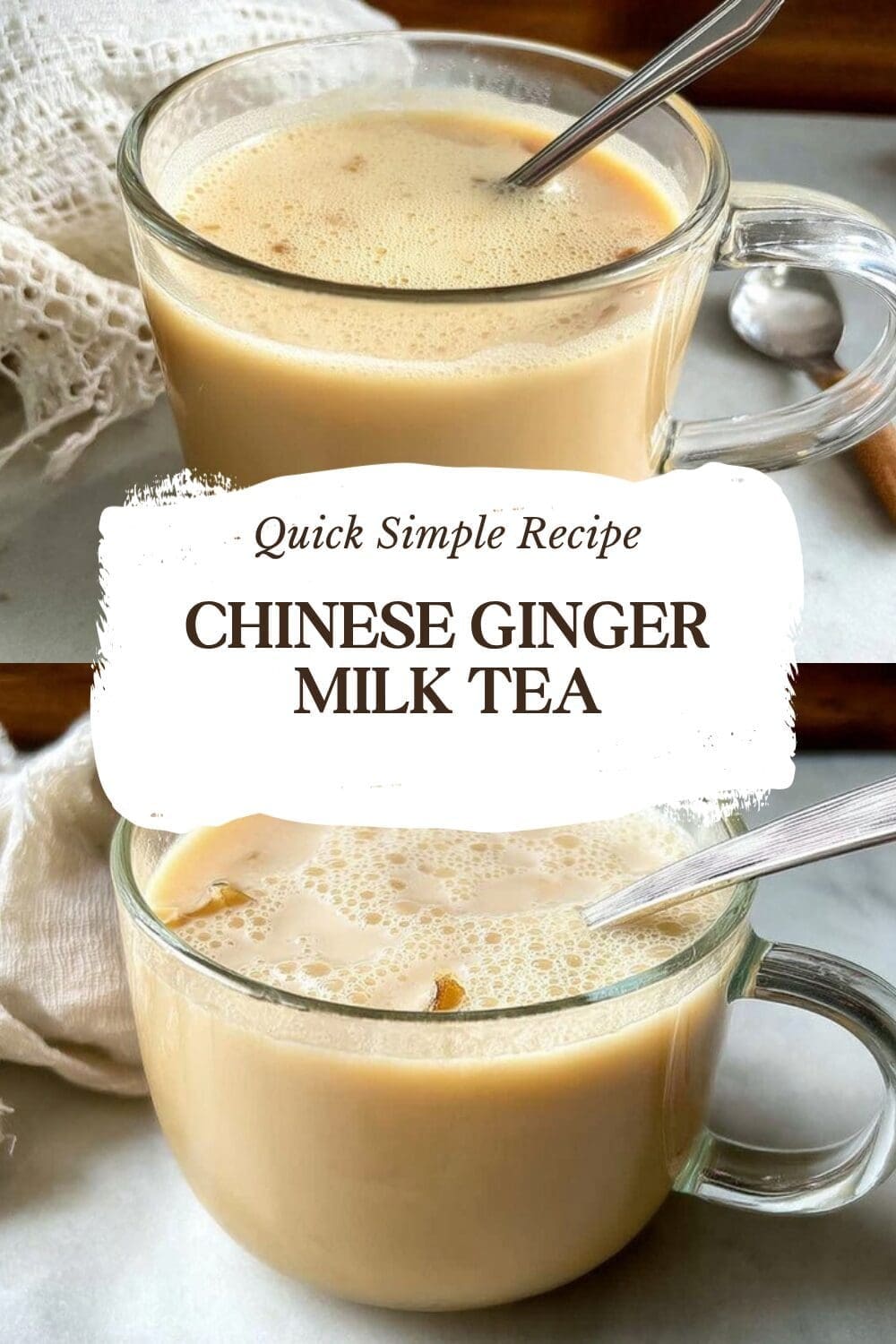
Serving your Chinese ginger milk tea in clear glass mugs showcases its beautiful amber color and creamy swirls. A light dusting of ground cinnamon or a fresh ginger slice on top adds visual appeal. For special occasions, serve alongside a selection of cookies or small pastries for an impressive afternoon tea spread.
Make-Ahead Options
For busy schedules, prepare a larger batch of the ginger tea base (without milk) and store it in the refrigerator for up to 4 days. When you’re ready to serve, simply reheat the desired amount and stir in fresh evaporated milk and sweetened condensed milk. This approach ensures the freshest flavor and best texture while saving time on busy mornings.
How to Store Chinese Ginger Milk Tea: Best Practices
Proper storage ensures you can enjoy your Chinese ginger milk tea at its best, whether you’re saving leftovers or prepping ahead for the week. Understanding the right techniques helps maintain both flavor and food safety.
Refrigeration Guidelines
The ginger tea base made without milk stores beautifully in the refrigerator for up to 4 days in an airtight container. This is the ideal approach for meal prep, as you can simply reheat portions as needed and add fresh milk when serving. Label your container with the preparation date so you know when it’s time to make a fresh batch.
Once you’ve added milk to the tea, the storage window shortens considerably. A fully prepared batch with evaporated milk and condensed milk should be consumed within 2 days when refrigerated. Always give it a good stir or shake before reheating, as some separation is natural.
Reheating Best Practices
When reheating tea with milk already added, use gentle heat on the stovetop rather than the microwave. Microwaves can create hot spots that cause milk proteins to separate, resulting in an unpleasant texture. Heat slowly over medium-low, stirring frequently, until the tea reaches your desired temperature. Never bring it to a boil once milk has been added.
Freezing Options
For longer storage, freeze the ginger tea base (without milk) in ice cube trays. Once frozen, transfer the cubes to a freezer bag or container, where they’ll keep for up to 1 month. When you want a quick cup, simply heat the desired number of cubes and add fresh milk. This method works especially well for making iced ginger milk tea just blend the frozen cubes with milk for a slushy, refreshing treat.
FAQs: Frequently Asked Questions About Chinese Ginger Milk Tea
What is Chinese ginger milk tea?
What type of milk goes in Chinese ginger milk tea?
Why use fresh ginger instead of ground ginger for milk tea?
Can I sweeten Chinese ginger milk tea with sugar instead of condensed milk?
How do you store homemade Chinese ginger milk tea?

Chinese Ginger Milk Tea
☕ Warm your soul with this aromatic Chinese ginger milk tea – perfect for cozy days with its spicy warmth and digestive benefits!
🥛 Creamy, comforting, and easy to make – a soothing treat that blends bold ginger with rich milk for ultimate relaxation!
- Total Time: 17 minutes
- Yield: 2 servings
Ingredients
– 2 cups water for steeping tea and ginger
– 2 black tea bags or 1 tablespoon tea leaves for classic tea flavor and caffeine boost
– 1 tablespoon fresh ginger, peeled and grated or minced for warming heat and authentic flavor
– ½ cup evaporated milk for creamy texture
– 2 to 3 tablespoons sweetened condensed milk or sugar for sweetness and richness
Instructions
1-Step 1: Boil the Water Begin by bringing 2 cups of water to a boil in a small pot. Use fresh, cold water rather than previously boiled water for the best flavor extraction. While you wait for the water to heat, take a moment to prepare your ginger if you haven’t already done so. Peel a thumb-sized piece of fresh ginger root using the edge of a spoon or a vegetable peeler, then grate it finely or mince it into small pieces. The smaller the pieces, the more surface area is exposed, allowing the ginger flavor to infuse more completely into your tea.
2-Step 2: Steep Tea and Ginger Once your water reaches a rolling boil, remove the pot from the heat source. This is an important detail you want to steep the tea off the heat to prevent over-extraction, which can lead to bitterness. Add your 2 black tea bags (or 1 tablespoon of loose tea leaves) along with the prepared fresh ginger to the hot water. If you’re using sugar instead of sweetened condensed milk, add it now so it dissolves completely during the steeping process. Cover the pot and let the mixture steep for a full 10 minutes. This resting period allows the ginger’s essential oils and the tea’s flavors to fully develop and meld together.
3-Step 3: Add the Milk After the steeping time is complete, stir in ½ cup of evaporated milk and 2 to 3 tablespoons of sweetened condensed milk. The evaporated milk provides richness and body, while the condensed milk adds sweetness and an extra layer of creamy indulgence. Start with 2 tablespoons of condensed milk, taste, and add more if you prefer a sweeter drink. Give everything a gentle stir to combine the ingredients thoroughly.
4-Step 4: Strain and Serve Strain the tea into two serving cups using a fine-mesh strainer. This removes the ginger pieces and tea leaves, leaving you with a smooth, silky beverage. Here’s a crucial tip: avoid squeezing the tea bags when removing them. Squeezing can release bitter tannins into your drink and may cause the bags to break, leaving unwanted tea particles floating in your cup. Simply lift them out gently and let them drain naturally.
5-Step 5: Enjoy Your Creation Your Chinese ginger milk tea is now ready to enjoy! Serve it hot for maximum comfort on cold days, or let it cool and pour it over ice for a refreshing warm-weather treat. The choice is yours, and both versions are equally delicious in their own way.
Last Step:
Please leave a rating and comment letting us know how you liked this recipe! This helps our business to thrive and continue providing free, high-quality recipes for you.Notes
🌿 Grate fresh ginger for the best flavor and quickest infusion.
🥛 Use evaporated milk for a richer, more authentic taste.
🚫 Never squeeze tea bags to avoid bitterness.
- Prep Time: 2 minutes
- Steep Time: 10 minutes
- Cook Time: 5 minutes
- Category: Beverages
- Method: Stovetop
- Cuisine: Chinese
Nutrition
- Serving Size: 1 cup
- Calories: 152 kcal
- Sugar: 17 g
- Sodium: 104 mg
- Fat: 7 g
- Saturated Fat: 4 g
- Unsaturated Fat: 2.2 g
- Trans Fat: 0 g
- Carbohydrates: 18 g
- Fiber: 0.1 g
- Protein: 6 g
- Cholesterol: 25 mg