Why You’ll Love This Ciabatta Bread
Are you looking for a bread that’s simple yet satisfying? This ciabatta bread recipe captures everything great about homemade baking, with its airy texture and versatile uses that make it a favorite in kitchens everywhere. Let’s explore what sets this ciabatta bread apart and why it’s perfect for home cooks, busy parents, and baking enthusiasts alike. You’ll find that its ease and flavor make it a go-to option for everyday meals or special occasions.
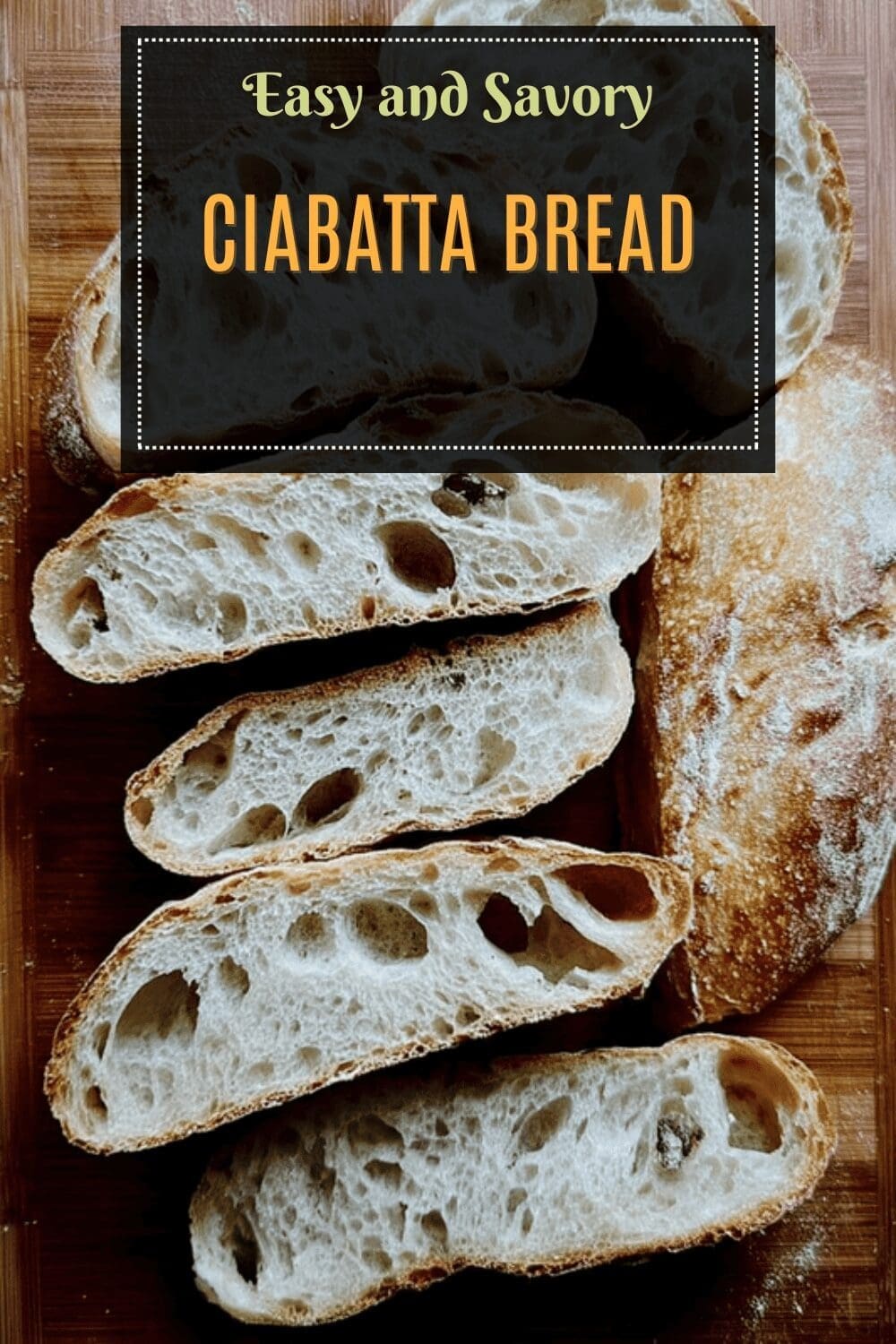
One of the biggest perks is how straightforward the process is. Even if you’re new to baking, this recipe uses basic steps that lead to impressive results without needing advanced tools. Imagine pulling a fresh loaf from your oven that tastes like it came from a professional bakery. ciabatta bread offers a delightful balance of softness inside and a crispy exterior that enhances everything from sandwiches to toast.
Beyond taste, ciabatta bread fits various lifestyles. It’s made with wholesome ingredients that provide steady energy through complex carbohydrates, while keeping things light on fats. For those mindful of their diet, adjustments can make it vegan or gluten-free, ensuring everyone at the table enjoys a slice. This flexibility means ciabatta bread can become a staple, no matter your routine.
Health Benefits and Versatility
This ciabatta bread stands out for its nutritional edge. It delivers essential nutrients from simple, natural ingredients, making it a smart choice for health-conscious eaters. The fermentation process adds a slight tang that not only boosts flavor but also aids digestion by breaking down some starches.
When it comes to versatility, ciabatta bread works wonders in many dishes. Use it for dipping in olive oil, stuffing with cheeses, or even as a base for pizzas. Its adaptability shines for busy parents who need quick meal ideas or students wanting an easy snack. Plus, with modifications for dietary needs, it’s accessible for everyone from travelers to seniors.
In short, the distinctive flavor and ease make this ciabatta bread a standout. Its airy crumb and crisp crust elevate simple meals, turning them into something special. Whether you’re a food enthusiast or a working professional, this recipe brings joy to the table every time. Now, let’s look at what goes into creating this delicious bread.
Jump to:
- Why You’ll Love This Ciabatta Bread
- Health Benefits and Versatility
- Essential Ingredients for Ciabatta Bread
- How to Prepare the Perfect Ciabatta Bread: Step-by-Step Guide
- Mixing and Kneading the Dough
- Dietary Substitutions to Customize Your Ciabatta Bread
- Mastering Ciabatta Bread: Advanced Tips and Variations
- How to Store Ciabatta Bread: Best Practices
- FAQs: Frequently Asked Questions About Ciabatta Bread
- Can I add herbs to ciabatta bread dough for extra flavor?
- Is it possible to bake ciabatta bread on a pizza stone?
- Can I use ciabatta dough to make focaccia bread?
- How can I use a sourdough starter in ciabatta bread dough?
- What tips help achieve a light, airy crumb in ciabatta bread?
- Ciabatta Bread
- Ingredients
- Instructions
- Last Step:
- Notes
- Nutrition
- Did you make this recipe?
Essential Ingredients for Ciabatta Bread
Gathering the right ingredients is the first step to baking success. For this ciabatta bread, we’ll use a traditional method with a preferment to develop deeper flavors. Below is a comprehensive list of all ingredients needed, based on the core recipe components. Each one plays a key role in achieving that perfect texture and taste.
This recipe divides into two parts: the Biga/Preferment and the Ciabatta Dough. The Biga adds complexity to the bread, while the dough brings it all together. Remember to measure everything precisely for the best outcome. Here’s the full structured list:
- 1 cup bread flour (for Biga/Preferment)
- 1/8 teaspoon active-dry or instant yeast (for Biga/Preferment)
- 1/2 cup room-temperature water at approximately 70°F (21°C) (for Biga/Preferment)
- 1 teaspoon active-dry or instant yeast (for Ciabatta Dough)
- 1 cup warm water at approximately 100 110°F (38° 43°C) (for Ciabatta Dough)
- 2 and 1/2 cups bread flour (plus additional bread flour as needed for handling) (for Ciabatta Dough)
- 1 and 1/2 teaspoons table salt (for Ciabatta Dough)
- Olive oil (quantity as needed for coating hands and a spatula) (for Ciabatta Dough)
These ingredients keep things simple yet effective. For special dietary options, consider vegan tweaks by sticking with plant-based choices, or go gluten-free by swapping the bread flour. This setup ensures your ciabatta bread turns out just right, with a focus on quality over complexity. For more tips on ingredient swaps, check out our guide to essential baking tips on the site. Baking with these items helps create that signature chewy texture that makes ciabatta bread so appealing.
How to Prepare the Perfect Ciabatta Bread: Step-by-Step Guide
Ready to get your hands in the dough? This step-by-step guide makes baking ciabatta bread fun and manageable. We’ll cover everything from mixing to baking, with tips for all skill levels. Follow along to create loaves that boast a soft interior and crispy crust.
Start by preparing the Biga/Preferment the night before. Mix 1 cup bread flour, 1/8 teaspoon yeast, and 1/2 cup room-temperature water in a bowl until it forms a thick paste. Cover and let it sit at room temperature for 12-16 hours. This step builds flavor and sets the base for your ciabatta bread.
Once the preferment is ready, move to the Ciabatta Dough. In a large bowl, combine 1 teaspoon yeast with 1 cup warm water and let it sit for a few minutes until it bubbles. Add the preferment, 2 and 1/2 cups bread flour, and 1 and 1/2 teaspoons salt. Stir until a sticky dough forms, then add olive oil as needed to keep things smooth.
Mixing and Kneading the Dough
After mixing, knead the dough on a floured surface for about 10 minutes. This helps develop the gluten for that airy texture in ciabatta bread. If it sticks, add a bit more flour, but keep it as wet as possible for the best results. Our beginner bread recipes section has more on perfecting this technique.
Let the dough rise in an oiled bowl, covered, for 1 to 1.5 hours until it doubles. Gently shape it into a rectangle and let it rise again for 30-45 minutes. Bake at 425°F for 20-25 minutes until golden. Cool on a rack before slicing. For gluten-free versions, adjust the kneading to avoid overworking the dough.

Dietary Substitutions to Customize Your Ciabatta Bread
Making ciabatta bread your own is easy with a few smart swaps. Whether you’re vegan, gluten-free, or just exploring new flavors, these changes keep the bread delicious. Let’s break down options for protein, veggies, and more to fit various needs.
For protein boosts, add seeds like chia or flax to the dough. These work well in plant-based versions and enhance the nutty taste of ciabatta bread. If gluten is a concern, switch to almond flour or a certified gluten-free blend, but remember to tweak the water amount.
Spice things up with herbs like rosemary or thyme for a fresh twist. You can also mix in chopped olives or tomatoes for a Mediterranean vibe. For oil allergies, avocado oil is a great stand-in, keeping the dough moist and flavorful. These tweaks ensure ciabatta bread stays versatile for every diet.
Mastering Ciabatta Bread: Advanced Tips and Variations
Taking your ciabatta bread to the next level? Try these expert tips to refine your skills and experiment with flavors. From better techniques to creative twists, you’ll create loaves that impress every time.
Use a preferment like Biga to deepen the taste and structure of ciabatta bread. Adding steam in the oven during baking helps with that crispy crust. For variations, mix in garlic or honey to add subtle notes, making each batch unique.
Presentation matters, so dust the dough with flour before baking for a rustic look. Slice it thick and pair with dips for a show-stopping display. If you’re short on time, prepare the dough ahead and chill it overnight for richer flavor.
How to Store Ciabatta Bread: Best Practices
Keeping your ciabatta bread fresh is key to enjoying it longer. Follow these simple methods to maintain its texture and taste. Proper storage helps prevent staleness and keeps that crispy crust intact.
For short-term use, keep it in a paper bag at room temperature for up to two days. This method lets the bread breathe without getting too moist. If freezing, wrap it tightly and thaw at room temp before reheating in a warm oven.
Meal prep tip: Slice before freezing for easy portions. This way, you can grab what you need for quick meals, making ciabatta bread a convenient choice for busy days.
FAQs: Frequently Asked Questions About Ciabatta Bread
Can I add herbs to ciabatta bread dough for extra flavor?
Is it possible to bake ciabatta bread on a pizza stone?
Can I use ciabatta dough to make focaccia bread?
How can I use a sourdough starter in ciabatta bread dough?
What tips help achieve a light, airy crumb in ciabatta bread?

Ciabatta Bread
🍞 This homemade ciabatta bread recipe delivers a perfect blend of a soft interior with a crispy crust, making it ideal for sandwiches or as a table bread.
🥖 The use of a biga preferment enhances flavor and texture, giving you authentic Italian-style bread that’s both chewy and light.
- Total Time: 14 to 18 hours
- Yield: One loaf (about 12 inches long)
Ingredients
– 1 cup bread flour for Biga/Preferment
– 1/8 teaspoon active-dry or instant yeast for Biga/Preferment
– 1/2 cup room-temperature water at approximately 70°F (21°C) for Biga/Preferment
– 1 teaspoon active-dry or instant yeast for Ciabatta Dough
– 1 cup warm water at approximately 100-110°F (38°-43°C) for Ciabatta Dough
– 2 and 1/2 cups bread flour (plus additional bread flour as needed for handling) for Ciabatta Dough
– 1 and 1/2 teaspoons table salt for Ciabatta Dough
– Olive oil quantity as needed for coating hands and a spatula for Ciabatta Dough
Instructions
1-Start by preparing the Biga/Preferment the night before. Mix 1 cup bread flour, 1/8 teaspoon yeast, and 1/2 cup room-temperature water in a bowl until it forms a thick paste. Cover and let it sit at room temperature for 12-16 hours. This step builds flavor and sets the base for your ciabatta bread.
2-Once the preferment is ready, move to the Ciabatta Dough. In a large bowl, combine 1 teaspoon yeast with 1 cup warm water and let it sit for a few minutes until it bubbles. Add the preferment, 2 and 1/2 cups bread flour, and 1 and 1/2 teaspoons salt. Stir until a sticky dough forms, then add olive oil as needed to keep things smooth.
3-Mixing and Kneading the Dough After mixing, knead the dough on a floured surface for about 10 minutes. This helps develop the gluten for that airy texture in ciabatta bread. If it sticks, add a bit more flour, but keep it as wet as possible for the best results. Our beginner bread recipes section has more on perfecting this technique.
4-Let the dough rise in an oiled bowl, covered, for 1 to 1.5 hours until it doubles. Gently shape it into a rectangle and let it rise again for 30-45 minutes. Bake at 425°F for 20-25 minutes until golden. Cool on a rack before slicing. For gluten-free versions, adjust the kneading to avoid overworking the dough.
Last Step:
Please leave a rating and comment letting us know how you liked this recipe! This helps our business to thrive and continue providing free, high-quality recipes for you.Notes
🥄 Use a preferment (biga) to develop deeper flavor and better texture.
🌡️ Maintain proper water temperatures to ensure optimal yeast activity.
🫒 Coat your hands and utensils with olive oil to handle the sticky dough easily without adding extra flour.
- Prep Time: 25 minutes active time plus 12-16 hours fermentation
- Fermentation/Proofing time: 13 to 17 hours
- Cook Time: 20 to 25 minutes
- Category: Bread
- Method: Baking with preferment
- Cuisine: Italian
- Diet: Vegetarian
Nutrition
- Serving Size: 1 slice (about 50g)
- Calories: 140 kcal per slice
- Sugar: 0.2 g
- Sodium: 210 mg
- Fat: 3.5 g
- Saturated Fat: 0.5 g
- Unsaturated Fat: 3 g
- Trans Fat: 0 g
- Carbohydrates: 25 g
- Fiber: 1 g
- Protein: 5 g
- Cholesterol: 0 mg