Why You’ll Love This Coconut Shrimp Curry
Coconut Shrimp Curry is one of those dinners that tastes like you worked harder than you did. It brings big, cozy flavor from curry powder, turmeric, and coriander, then gets creamy from full-fat coconut milk. Best of all, it comes together fast, even on busy nights.
- Ease of preparation: This Coconut Shrimp Curry recipe uses a simple stovetop method and a quick 10 minute marinade. Cooking shrimp last helps keep the texture tender, so you can focus on getting rice on the table.
- Health benefits: Shrimp provides lean protein, while the creamy coconut sauce keeps every bite satisfying. With key nutrients listed per serving, this Coconut Shrimp Curry can fit into a balanced meal plan.
- Versatility: You can adjust the curry level by changing chili heat, and add vegetables like spinach, bell peppers, zucchini, cauliflower, or sweet potatoes during simmering. This makes the dish flexible for picky eaters and different ingredient needs.
- Distinctive flavor: The flavor blend of turmeric, ground coriander, curry powder, and zesty lemon juice gives Coconut Shrimp Curry a bright, warm taste that feels special without being complicated.
If you love meals with creamy sauce you can spoon over rice, you will really enjoy this Coconut Shrimp Curry.
Jump to:
- Why You’ll Love This Coconut Shrimp Curry
- How to Prepare the Perfect Coconut Shrimp Curry: Step-by-Step Guide
- Step 1: Prep your ingredients (mise en place)
- Step 2: Marinate the shrimp
- Step 3: Sauté the onion
- Step 4: Bloom the spices (for deeper flavor)
- Step 5: Simmer the creamy tomato coconut sauce
- Step 6: Cook the shrimp last
- Step 7: Serve hot and garnish
- Quick timing at a glance
- Coconut Shrimp Curry Ingredients (with exact measurements)
- Dietary Substitutions to Customize Your Coconut Shrimp Curry
- Protein and Main Component Alternatives
- Vegetable, Sauce, and Seasoning Modifications
- Mastering Coconut Shrimp Curry: Advanced Tips and Variations
- Pro cooking techniques
- Flavor variations you can try
- Presentation and serving ideas
- Make-ahead options
- How to Store Coconut Shrimp Curry: Best Practices
- Refrigeration
- Freezing
- Reheating
- Meal prep considerations
- FAQs: Frequently Asked Questions About Coconut Shrimp Curry
- Can I make coconut shrimp curry in an Instant Pot?
- What vegetables can I add to coconut shrimp curry?
- Can I use chicken instead of shrimp in coconut shrimp curry?
- How spicy is coconut shrimp curry?
- Can I freeze coconut shrimp curry?
- Coconut Shrimp Curry
- Ingredients
- Instructions
- Last Step:
- Notes
- Nutrition
- Did you make this recipe?
How to Prepare the Perfect Coconut Shrimp Curry: Step-by-Step Guide
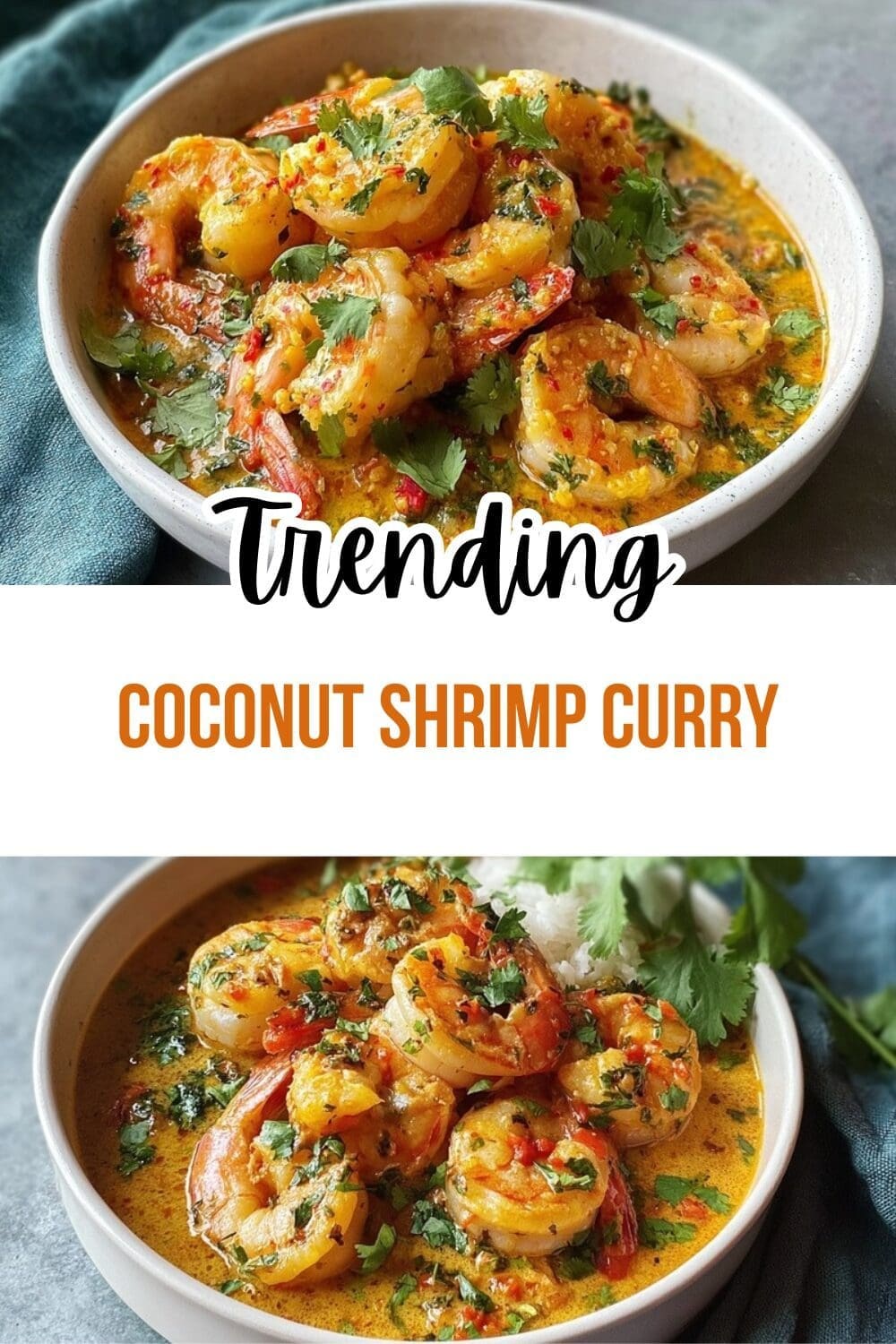
This recipe gives you restaurant-style flavor in about 25 minutes, including marinating time. It starts with shrimp tossed in a quick marinade, then builds a fragrant onion and spice base, and finishes with shrimp cooked right in the creamy curry sauce.
Step 1: Prep your ingredients (mise en place)
Before you turn on the stove, peel and devein your shrimp if needed, then pat it dry. Chop the onion, mince the garlic, and mince the fresh ginger. Measure out the spices and liquids so everything is ready to go. This helps the curry move quickly, which is important for tender shrimp.
Step 2: Marinate the shrimp
Toss the shrimp with the marinade ingredients. Refrigerate it for 10 minutes while you set up the sauce ingredients. Marinating helps the shrimp taste seasoned even after a short cook time.
Step 3: Sauté the onion
Heat 1 tablespoon coconut oil in a medium skillet over medium heat. Add the chopped onion and cook for 2 to 3 minutes until translucent. This step softens the onion and builds the sweet, savory foundation for the curry.
Step 4: Bloom the spices (for deeper flavor)
Stir in garlic and minced ginger, then add black pepper, salt, turmeric, ground coriander, and curry powder. Cook for about 1 minute, stirring so the spices become fragrant. This small step makes a big difference in how your Coconut Shrimp Curry tastes.
Step 5: Simmer the creamy tomato coconut sauce
Pour in diced tomatoes with juices and full-fat coconut milk. Stir well, bring to a boil, then reduce to a steady simmer. Cook for about 5 minutes, stirring occasionally, so the flavors mix and the sauce thickens slightly.
Step 6: Cook the shrimp last
Add the shrimp and the juices from the marinade. Cook for about 2 minutes, or until shrimp turns pink and is cooked through. Shrimp cooks fast, so keeping it last helps you avoid a rubbery texture.
Step 7: Serve hot and garnish
Serve Coconut Shrimp Curry over hot cooked rice, and garnish with cilantro or parsley. Pairing with basmati or jasmine rice makes the sauce easier to soak up. If you want extra comfort, naan bread is a great side for scooping.
Quick timing at a glance
| Stage | Time |
|---|---|
| Marinate shrimp | 10 minutes (in fridge) |
| Cook onion and bloom spices | 4 minutes |
| Simmer sauce | 5 minutes |
| Cook shrimp in sauce | 2 minutes |
| Garnish and serve | 2 to 4 minutes |
Note for dietary preferences: If you are reducing added salt, use the “or to taste” option listed for the sauce. If you want a dairy-free meal, this curry is naturally dairy-free when served with rice.
If you like trying quick dinner methods, you might also enjoy this Instant Pot ribs recipe for another fast, weeknight-friendly option.
Coconut Shrimp Curry Ingredients (with exact measurements)
- 1 pound extra-large shrimp, peeled and deveined
- ¼ teaspoon salt
- ¼ teaspoon freshly ground black pepper
- ¼ teaspoon turmeric
- 2 tablespoons lemon juice
- 1 tablespoon coconut oil
- 1 medium onion, chopped
- 3 cloves garlic, minced
- 1 tablespoon fresh ginger, minced
- ½ teaspoon freshly ground black pepper
- ½ teaspoon salt (or to taste)
- ½ teaspoon turmeric
- 2 teaspoons ground coriander
- 1 teaspoon curry powder
- 14½ ounces diced tomatoes with juices
- 13½ ounces full-fat coconut milk
- 2 tablespoons cilantro or parsley, for garnish
- Cooked rice, for serving

Dietary Substitutions to Customize Your Coconut Shrimp Curry
Protein and Main Component Alternatives
If shrimp is not your thing, you can still keep the same coconut curry sauce vibe. Here are easy swaps that work well in Coconut Shrimp Curry style cooking.
- Chicken: Use 1 pound boneless chicken breast or thighs, diced into 1-inch pieces. Brown chicken for 2 to 3 minutes before adding coconut milk and tomatoes, then simmer covered until it reaches 165°F.
- Extra veggies: Skip meat entirely and add more vegetables such as cauliflower and sweet potatoes. Keep the simmer time a few minutes longer for tender veggies.
- Shellfish alternative: If you can’t find shrimp, small firm fish pieces can work, but you will want to cook them very briefly to prevent drying.
For the best texture, cook the protein last, right when you are ready to serve.
Vegetable, Sauce, and Seasoning Modifications
One of the best parts about Coconut Shrimp Curry is that the sauce holds flavor well. You can add vegetables during simmering and still keep the curry balanced and creamy.
- Vegetables to add: bell peppers, spinach, zucchini, cauliflower, peas, or sweet potatoes.
- Timing tip: Sauté denser vegetables like cauliflower or sweet potatoes with the onions first, then add shrimp later so everything finishes at the same time.
- Spice level: Adjust chili heat by changing chili flakes or using fresh chili peppers. Taste the sauce before adding shrimp and tweak as needed.
- Full flavor: Stick with full-fat coconut milk for creamy richness. Light coconut milk usually gives a less flavorful sauce.
If you enjoy warming spices, you may also like this guide on Old Bay seasoning to see how spice blends can change the flavor direction of quick weeknight meals.
Mastering Coconut Shrimp Curry: Advanced Tips and Variations
Once you nail the basic steps, you can make this Coconut Shrimp Curry your own. These tips help you get a consistent sauce, great shrimp texture, and a flavor profile that fits your mood.
Pro cooking techniques
- Use large shrimp: Extra-large raw shrimp peeled and deveined cook more evenly in a short time.
- Dry the shrimp: Thaw frozen shrimp fully and pat dry before cooking so it sears slightly instead of steaming.
- Bloom spices: Cook garlic, ginger, turmeric, coriander, and curry powder for about 1 minute for a fuller flavor.
- Cook shrimp last: Shrimp needs only about 2 minutes in the sauce. Overcooking changes the texture quickly.
Flavor variations you can try
- More citrus: Add an extra squeeze of lemon juice at the end for brightness.
- Herb swap: Use cilantro for a fresh, punchy finish or parsley for a milder look.
- Vegetable mix: Try spinach stirred in near the end, so it wilts but stays tender.
- Thicker sauce: Simmer 1 to 2 minutes longer if you want a slightly thicker curry.
Presentation and serving ideas
For a pretty plate, spoon rice into bowls first, then ladle curry over the top. Garnish generously so each serving looks inviting. If you are serving guests, add extra herbs and a side of naan so people can scoop every bit of sauce.
Make-ahead options
- Make the sauce ahead: Cook the curry base without shrimp, cool it, and store in the fridge.
- Reheat gently: Warm sauce slowly, then add freshly cooked shrimp when reheating so it stays tender.
- For weeknight speed: Chop onion and mince garlic and ginger ahead of time.
Want the creamy coconut flavor to stay rich? Keep full-fat coconut milk as written.
How to Store Coconut Shrimp Curry: Best Practices
Storing Coconut Shrimp Curry the right way keeps the sauce tasty and helps prevent shrimp from getting tough. Follow these guidelines for refrigeration, freezing, reheating, and meal prep.
Refrigeration
- Refrigerate leftovers in a sealed container.
- Use within up to 3 days.
- Reheat gently on the stovetop until hot, stirring to blend the sauce.
Freezing
Freezing the full dish can slightly change shrimp texture. For the best result, freeze the sauce without shrimp.
- Cool sauce completely before freezing.
- Portion into freezer bags or containers.
- Freeze for up to 2 months.
Reheating
- Thaw overnight in the fridge.
- Reheat sauce gently on the stovetop.
- Add fresh cooked shrimp when reheating so it stays pink and tender.
Meal prep considerations
If you are feeding a family or prepping for lunches, store curry and rice separately. Rice stays fluffier, and you can reheat curry without drying anything out.
For more meal prep inspiration, you might like the comfort-food style approach in this beef curry recipe.
FAQs: Frequently Asked Questions About Coconut Shrimp Curry
Can I make coconut shrimp curry in an Instant Pot?
What vegetables can I add to coconut shrimp curry?
Can I use chicken instead of shrimp in coconut shrimp curry?
How spicy is coconut shrimp curry?
Can I freeze coconut shrimp curry?

Coconut Shrimp Curry
🦐🥥 Creamy coconut shrimp curry simmering in aromatic spiced tomato sauce – tropical seafood bliss in 25 minutes!
🍛 Quick easy weeknight winner with vibrant flavors, perfect over rice for 24g fat rich indulgence.
- Total Time: 25 minutes
- Yield: 4 servings
Ingredients
Instructions
1-Step 1: Prep your ingredients (mise en place) Before you turn on the stove, peel and devein your shrimp if needed, then pat it dry. Chop the onion, mince the garlic, and mince the fresh ginger. Measure out the spices and liquids so everything is ready to go. This helps the curry move quickly, which is important for tender shrimp.
2-Step 2: Marinate the shrimp Toss the shrimp with the marinade ingredients. Refrigerate it for 10 minutes while you set up the sauce ingredients. Marinating helps the shrimp taste seasoned even after a short cook time.
3-Step 3: Sauté the onion Heat 1 tablespoon coconut oil in a medium skillet over medium heat. Add the chopped onion and cook for 2 to 3 minutes until translucent. This step softens the onion and builds the sweet, savory foundation for the curry.
4-Step 4: Bloom the spices (for deeper flavor) Stir in garlic and minced ginger, then add black pepper, salt, turmeric, ground coriander, and curry powder. Cook for about 1 minute, stirring so the spices become fragrant. This small step makes a big difference in how your Coconut Shrimp Curry tastes.
5-Step 5: Simmer the creamy tomato coconut sauce Pour in diced tomatoes with juices and full-fat coconut milk. Stir well, bring to a boil, then reduce to a steady simmer. Cook for about 5 minutes, stirring occasionally, so the flavors mix and the sauce thickens slightly.
6-Step 6: Cook the shrimp last Add the shrimp and the juices from the marinade. Cook for about 2 minutes, or until shrimp turns pink and is cooked through. Shrimp cooks fast, so keeping it last helps you avoid a rubbery texture.
7-Step 7: Serve hot and garnish Serve Coconut Shrimp Curry over hot cooked rice, and garnish with cilantro or parsley. Pairing with basmati or jasmine rice makes the sauce easier to soak up. If you want extra comfort, naan bread is a great side for scooping.
Last Step:
Please leave a rating and comment letting us know how you liked this recipe! This helps our business to thrive and continue providing free, high-quality recipes for you.Notes
🥥 Full-fat coconut milk essential for rich creamy sauce texture.
🦐 Pat thawed shrimp dry; cook last 2 min to avoid rubbery.
- Prep Time: 10 minutes
- Marinating: 10 minutes
- Cook Time: 15 minutes
- Category: Seafood
- Method: Simmer
- Cuisine: Indian
- Diet: Gluten Free, Dairy Free
Nutrition
- Serving Size: 1/4 recipe
- Calories: 258 kcal
- Sugar: 4 g
- Sodium: 598 mg
- Fat: 24 g
- Saturated Fat: 21 g
- Unsaturated Fat: 3 g
- Trans Fat: 0 g
- Carbohydrates: 12 g
- Fiber: 2 g
- Protein: 3 g
- Cholesterol: 250 mg