Why You’ll Love This Creamy Mashed Potatoes
There’s something truly magical about a bowl of perfectly smooth, buttery creamy mashed potatoes sitting on the dinner table. Whether you’re preparing a weeknight family meal or hosting a holiday feast, this recipe delivers comfort food perfection every single time. The rich, velvety texture combined with the savory butter flavor makes this side dish irresistible to kids and adults alike.
What sets this recipe apart is its foolproof approach to achieving restaurant-quality results at home. With simple ingredients you probably already have in your kitchen and straightforward techniques anyone can master, you’ll wonder why you ever settled for anything less. Plus, the versatility of this dish means it pairs beautifully with everything from roasted chicken to grilled steak.
- Ease of preparation: This recipe comes together in just 40 minutes from start to finish, with only 15 minutes of hands-on prep time. The straightforward steps make it perfect for beginner cooks, while the reliable results give experienced home cooks a go-to recipe they can count on.
- Nutritional benefits: Potatoes pack a surprising nutritional punch with 806mg of potassium per serving, along with 11mg of immune-supporting vitamin C. They also provide fiber, vitamin A, and essential minerals like iron and calcium.
- Versatility: This base recipe adapts easily to different dietary preferences. You can swap whole milk for lower-fat options, adjust the butter quantity, or add mix-ins like roasted garlic, herbs, or cheese to create endless variations.
- Distinctive flavor: Using softened butter (not melted) and hot milk creates a uniquely fluffy texture that holds its shape while melting in your mouth. The generous amount of butter gives these potatoes a richness that instant varieties simply can’t match.
Jump to:
- Why You’ll Love This Creamy Mashed Potatoes
- Essential Ingredients for Creamy Mashed Potatoes
- Main Ingredients
- Special Dietary Options
- How to Prepare the Perfect Creamy Mashed Potatoes: Step-by-Step Guide
- Step 1: Prepare the Potatoes
- Step 2: Cook Until Tender
- Step 3: Drain and Dry
- Step 4: Initial Mash
- Step 5: Whip with Milk
- Step 6: Add Butter Gradually
- Step 7: Season and Serve
- Dietary Substitutions to Customize Your Creamy Mashed Potatoes
- Dairy-Free and Vegan Alternatives
- Lighter Options and Flavor Variations
- Mastering Creamy Mashed Potatoes: Advanced Tips and Variations
- Pro Cooking Techniques
- Creative Flavor Variations
- Make-Ahead Strategies
- How to Store Creamy Mashed Potatoes: Best Practices
- Refrigeration Guidelines
- Freezing Instructions
- Reheating Methods
- FAQs: Frequently Asked Questions About Creamy Mashed Potatoes
- What potatoes work best for creamy mashed potatoes?
- How do I prevent mashed potatoes from getting watery or gummy?
- Should I use a mixer or mash potatoes by hand for the creamiest results?
- How do I keep mashed potatoes warm without drying out?
- How do you store and reheat leftover creamy mashed potatoes?
- Creamy Mashed Potatoes
- Ingredients
- Instructions
- Last Step:
- Notes
- Nutrition
- Did you make this recipe?
Essential Ingredients for Creamy Mashed Potatoes
Creating the ultimate creamy mashed potatoes starts with selecting the right ingredients. Each component plays a crucial role in achieving that perfect balance of fluffiness and richness that makes this dish so memorable.
Main Ingredients
- 4 lbs russet potatoes (about 12 medium), peeled – Russets are the gold standard for mashed potatoes because their high starch content breaks down into light, fluffy strands when whipped. Their mild flavor also provides the perfect canvas for butter and seasonings.
- 1 to 1 1/4 cups hot whole milk – Whole milk creates the creamiest texture, but you can substitute 2% or skim milk for a lighter version. Heating the milk before adding prevents the potatoes from cooling down and ensures smooth incorporation.
- 16 tablespoons unsalted butter (2 sticks), at room temperature – Softened butter whips into the potatoes beautifully, creating tiny pockets of flavor and air that make them fluffy. Unsalted butter lets you control the final seasoning yourself.
- 1 1/2 teaspoons salt, or to taste – Salt is essential for bringing out the natural potato flavor and balancing the richness of the butter. Start with the recommended amount and adjust to your preference.
- 1 tablespoon fresh parsley or chives, finely chopped (optional garnish) – Fresh herbs add a pop of color and a subtle fresh flavor that brightens the rich potatoes.
Special Dietary Options
- Vegan: Substitute butter with plant-based butter alternative and use unsweetened almond milk, oat milk, or cashew milk instead of dairy milk.
- Gluten-free: This recipe is naturally gluten-free, making it perfect for those with celiac disease or gluten sensitivity.
- Lower-calorie: Reduce butter to 8 tablespoons (1 stick) and use low-fat milk or even chicken broth for a lighter version that still tastes delicious.
How to Prepare the Perfect Creamy Mashed Potatoes: Step-by-Step Guide
Follow these detailed instructions to create the fluffiest, most delicious creamy mashed potatoes you’ve ever tasted. The key lies in proper technique and timing, so pay close attention to each step.
Step 1: Prepare the Potatoes
Start by peeling your russet potatoes completely. Rinse them thoroughly with cold water to remove any dirt or debris. For the smoothest texture, take a small spoon or the edge of your potato peeler and carefully remove any knots, eyes, or blemishes from the potato surface. These imperfections can create lumps in your finished potatoes.
If you have particularly large potatoes, cut them in half so they cook evenly. Smaller potatoes can remain whole. According to potato nutrition experts, keeping potatoes in larger pieces during cooking helps prevent them from absorbing too much water, which can lead to gummy mashed potatoes.
Place all your prepared potatoes in a large pot and cover them completely with cold water. Starting with cold water ensures the potatoes cook evenly from the inside out. Add a generous pinch of salt to the water to season the potatoes as they cook.
Step 2: Cook Until Tender
Bring the pot to a boil over high heat, then reduce to medium-high and partially cover with a lid. This speeds up cooking while allowing some steam to escape. Cook for 20-25 minutes, or until the potatoes are tender when pierced with a fork.
Test doneness by inserting a fork or paring knife into the center of the largest potato. It should slide in easily with no resistance. Be careful not to overcook, as potatoes that fall apart in the water absorb too much liquid and become watery. The timing may vary slightly depending on the size of your potato pieces.
Step 3: Drain and Dry
Once tender, drain the potatoes thoroughly in a colander. Let them sit for 1-2 minutes to allow excess moisture to steam off. This drying step is crucial for achieving fluffy potatoes rather than a gummy texture. Some cooks even return the drained potatoes to the warm pot (with heat turned off) for a minute to evaporate any remaining moisture.
Step 4: Initial Mash
Transfer the hot potatoes to the bowl of a stand mixer or a large heat-safe mixing bowl. Before using any mixer, lightly mash the potatoes by hand using a potato masher. This breaks them down initially and makes the mixing process more efficient. Don’t skip this step, as it helps prevent overmixing later.
Step 5: Whip with Milk
While the potatoes are still hot, attach the whisk attachment to your stand mixer or grab your hand mixer. Start on low speed for 30 seconds to begin breaking down the potatoes. Then increase to medium speed and slowly drizzle in 1 cup of your hot milk while the mixer runs.
Continue mixing and add more milk as needed, up to 1 1/4 cups total, until you reach your desired consistency. The potatoes should be smooth and creamy but still hold their shape. Using hot milk keeps the potatoes warm and incorporates more smoothly than cold milk.
Step 6: Add Butter Gradually
With the mixer still running on medium speed, add the softened butter one tablespoon at a time. Wait for each addition to incorporate before adding the next. This gradual addition is key to achieving that light, whipped texture that makes these potatoes so special.
The butter must be softened (room temperature) rather than melted. Softened butter creates tiny air pockets as it whips into the potatoes, giving them their signature fluffiness. Melted butter simply coats the potato starch and can make them heavy or greasy.
Step 7: Season and Serve
Add the salt and mix until just incorporated. Taste your potatoes and adjust the seasoning as needed. Remember, you can always add more salt, but you can’t remove it once added. Transfer to a serving bowl and top with optional fresh parsley or chives for a beautiful presentation. Serve immediately while hot.
For a complete comfort food dinner, these potatoes pair wonderfully with smothered steak or serve as the perfect base for a hearty homemade shepherd’s pie.

Dietary Substitutions to Customize Your Creamy Mashed Potatoes
One of the best things about this creamy mashed potatoes recipe is how easily it adapts to different dietary needs and preferences. Whether you’re cooking for someone with lactose intolerance, following a vegan diet, or simply watching your calorie intake, these modifications let everyone enjoy this classic comfort food.
Dairy-Free and Vegan Alternatives
For those avoiding dairy products, several excellent substitutions maintain the creamy texture without compromising flavor. Replace the butter with an equal amount of high-quality plant-based butter look for one specifically designed for baking and cooking rather than spreading. Coconut oil can also work, though it will impart a slight coconut flavor.
Instead of whole milk, use unsweetened almond milk, oat milk, or cashew milk. Cashew milk tends to be the creamiest option and closely mimics the texture of dairy milk. For extra richness, try canned full-fat coconut milk (use just the cream from the top). Heat whatever milk alternative you choose before adding it to the potatoes.
Nutritional yeast makes an excellent addition for vegan versions, adding a cheesy, savory flavor that compensates for the missing butter. Start with 1-2 tablespoons and adjust to taste.
Lighter Options and Flavor Variations
If you’re watching calories or fat intake, you don’t have to give up mashed potatoes entirely. Reduce the butter to one stick (8 tablespoons) and use low-fat milk or chicken/vegetable broth instead of whole milk. The potatoes will still be delicious, just lighter.
For added flavor without extra calories, consider mixing in roasted garlic (mash 2-3 cloves into the potatoes), fresh herbs like rosemary or thyme, or a sprinkle of sharp cheddar cheese. These additions boost flavor significantly with minimal calories.
Sour cream or Greek yogurt can replace some of the butter for a tangy variation that also adds protein. Use about half the amount of butter called for and add 1/2 cup of sour cream or Greek yogurt. This creates a slightly different flavor profile but remains delicious and creamy.
Mastering Creamy Mashed Potatoes: Advanced Tips and Variations
Once you’ve mastered the basic recipe, these advanced techniques will help you achieve even better results and create exciting variations that keep this side dish interesting.
Pro Cooking Techniques
The secret to restaurant-quality mashed potatoes lies in a few professional techniques. First, always start potatoes in cold water rather than adding them to boiling water. This ensures even cooking from the inside out. Second, never use a food processor to mash potatoes it releases too much starch and creates a gummy, paste-like texture.
For the smoothest results, consider investing in a potato ricer. This tool forces cooked potatoes through small holes, creating rice-sized pieces that whip up incredibly smooth. A food mill works similarly well. If you prefer rustic texture, a traditional potato masher works perfectly fine.
Temperature matters more than you might think. Cold butter and milk lower the overall temperature of your potatoes, making them less fluffy. Always use room-temperature butter and heat your milk before adding. Some chefs even warm their mixing bowl!
Creative Flavor Variations
Transform your basic recipe with these delicious variations:
- Roasted Garlic Mashed Potatoes: Roast a whole head of garlic (cut off top, drizzle with olive oil, wrap in foil, bake at 400°F for 30-40 minutes) and squeeze the soft cloves into the potatoes while mashing.
- Loaded Baked Potato Mash: Add 1 cup shredded sharp cheddar cheese, 4 crumbled bacon strips, and 2 tablespoons chopped green onions. Top with additional cheese and bacon.
- Herb-Infused: Add 2 tablespoons fresh chopped herbs like rosemary, thyme, or sage along with the butter for aromatic flavor.
- Sour Cream and Chive: Reduce butter to 12 tablespoons and add 1/2 cup sour cream and 2 tablespoons fresh chives for a tangy twist.
Make-Ahead Strategies
For holiday entertaining or busy weeknights, you can prepare mashed potatoes ahead of time. Make the recipe completely, then cool and refrigerate in an airtight container for up to 2 days before serving. Reheat in a slow cooker on low for 2-3 hours, stirring occasionally and adding extra milk if needed.
Alternatively, you can peel and cut the potatoes up to 24 hours ahead, storing them submerged in cold water in the refrigerator. This saves significant prep time on cooking day.
How to Store Creamy Mashed Potatoes: Best Practices
Proper storage keeps your leftover mashed potatoes tasting fresh and delicious. Here’s everything you need to know about refrigerating, freezing, and reheating this side dish.
Refrigeration Guidelines
Transfer cooled mashed potatoes to an airtight container and store in the refrigerator for up to 5 days. For best results, press plastic wrap directly onto the surface of the potatoes before sealing with the lid to prevent a skin from forming. The high butter content actually helps preserve freshness and prevents the potatoes from drying out.
Freezing Instructions
Mashed potatoes freeze surprisingly well when properly prepared. Portion the cooled potatoes into freezer-safe containers or heavy-duty freezer bags, removing as much air as possible before sealing. Label with the date and freeze for up to 1 month.
For easier reheating, flatten the potatoes in freezer bags so they thaw more quickly and evenly. Thaw frozen portions overnight in the refrigerator before reheating.
Reheating Methods
To restore the creamy texture after refrigeration or freezing, you’ll need to add moisture back:
- Stovetop: Warm over medium-low heat, stirring frequently. Add 1-2 tablespoons milk and a small pat of butter to refresh the texture. Heat until warmed through, about 5-10 minutes.
- Oven: Place in a covered baking dish at 350°F for 20-25 minutes, stirring once halfway through. Add milk and butter before heating.
- Microwave: Heat in short 1-minute bursts, stirring between each and adding small amounts of milk to maintain creaminess.
- Slow Cooker: Perfect for keeping potatoes warm during parties. Set to warm or low setting, stirring occasionally and adding milk if needed.
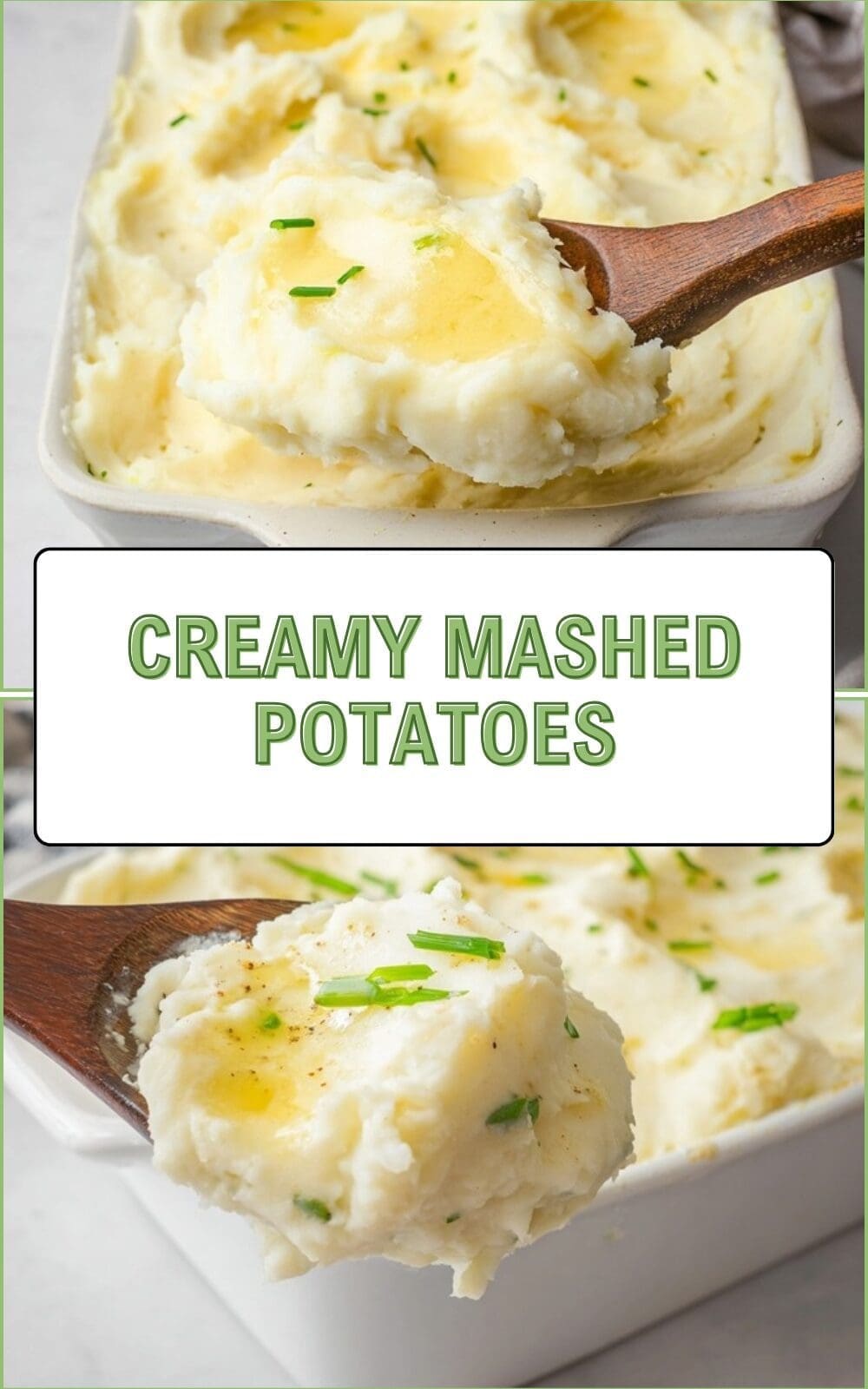
FAQs: Frequently Asked Questions About Creamy Mashed Potatoes
What potatoes work best for creamy mashed potatoes?
How do I prevent mashed potatoes from getting watery or gummy?
Should I use a mixer or mash potatoes by hand for the creamiest results?
How do I keep mashed potatoes warm without drying out?
How do you store and reheat leftover creamy mashed potatoes?
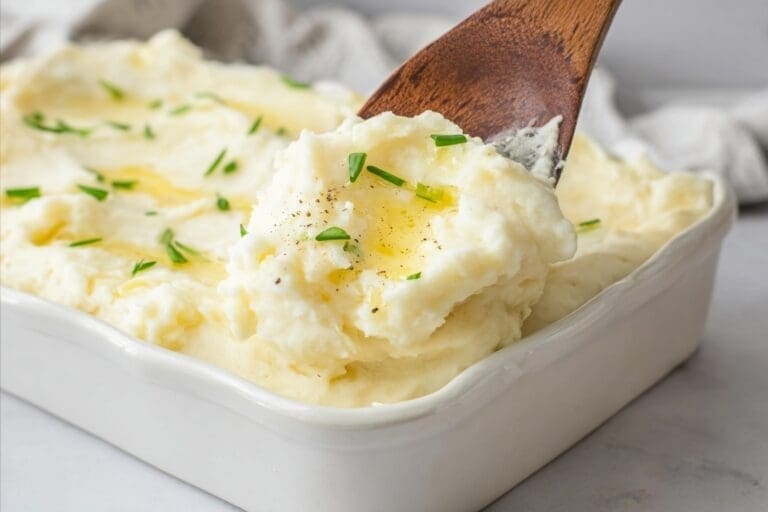
Creamy Mashed Potatoes
🥔 Ultra-fluffy mashed potatoes whipped with hot milk and soft butter – creamy dream side elevates any meal!
🍲 Foolproof russet potato magic yields gum-free richness, holiday staple ready in 40 minutes.
- Total Time: 40 minutes
- Yield: 8 servings
Ingredients
– 4 lbs russet potatoes (about 12 medium), peeled
– 1 to 1 1/4 cups hot whole milk
– 16 tablespoons unsalted butter (2 sticks), at room temperature
– 1 1/2 teaspoons salt, or to taste
– 1 tablespoon fresh parsley or chives, finely chopped (optional garnish)
Instructions
1-Step 1: Prepare the Potatoes Start by peeling your russet potatoes completely. Rinse them thoroughly with cold water to remove any dirt or debris. For the smoothest texture, take a small spoon or the edge of your potato peeler and carefully remove any knots, eyes, or blemishes from the potato surface. These imperfections can create lumps in your finished potatoes. If you have particularly large potatoes, cut them in half so they cook evenly. Smaller potatoes can remain whole. According to potato nutrition experts, keeping potatoes in larger pieces during cooking helps prevent them from absorbing too much water, which can lead to gummy mashed potatoes. Place all your prepared potatoes in a large pot and cover them completely with cold water. Starting with cold water ensures the potatoes cook evenly from the inside out. Add a generous pinch of salt to the water to season the potatoes as they cook.
2-Step 2: Cook Until Tender Bring the pot to a boil over high heat, then reduce to medium-high and partially cover with a lid. This speeds up cooking while allowing some steam to escape. Cook for 20-25 minutes, or until the potatoes are tender when pierced with a fork. Test doneness by inserting a fork or paring knife into the center of the largest potato. It should slide in easily with no resistance. Be careful not to overcook, as potatoes that fall apart in the water absorb too much liquid and become watery. The timing may vary slightly depending on the size of your potato pieces.
3-Step 3: Drain and Dry Once tender, drain the potatoes thoroughly in a colander. Let them sit for 1-2 minutes to allow excess moisture to steam off. This drying step is crucial for achieving fluffy potatoes rather than a gummy texture. Some cooks even return the drained potatoes to the warm pot (with heat turned off) for a minute to evaporate any remaining moisture.
4-Step 4: Initial Mash Transfer the hot potatoes to the bowl of a stand mixer or a large heat-safe mixing bowl. Before using any mixer, lightly mash the potatoes by hand using a potato masher. This breaks them down initially and makes the mixing process more efficient. Don’t skip this step, as it helps prevent overmixing later.
5-Step 5: Whip with Milk While the potatoes are still hot, attach the whisk attachment to your stand mixer or grab your hand mixer. Start on low speed for 30 seconds to begin breaking down the potatoes. Then increase to medium speed and slowly drizzle in 1 cup of your hot milk while the mixer runs. Continue mixing and add more milk as needed, up to 1 1/4 cups total, until you reach your desired consistency. The potatoes should be smooth and creamy but still hold their shape. Using hot milk keeps the potatoes warm and incorporates more smoothly than cold milk.
6-Step 6: Add Butter Gradually With the mixer still running on medium speed, add the softened butter one tablespoon at a time. Wait for each addition to incorporate before adding the next. This gradual addition is key to achieving that light, whipped texture that makes these potatoes so special. The butter must be softened (room temperature) rather than melted. Softened butter creates tiny air pockets as it whips into the potatoes, giving them their signature fluffiness. Melted butter simply coats the potato starch and can make them heavy or greasy.
7-Step 7: Season and Serve Add the salt and mix until just incorporated. Taste your potatoes and adjust the seasoning as needed. Remember, you can always add more salt, but you can’t remove it once added. Transfer to a serving bowl and top with optional fresh parsley or chives for a beautiful presentation. Serve immediately while hot.
Last Step:
Please leave a rating and comment letting us know how you liked this recipe! This helps our business to thrive and continue providing free, high-quality recipes for you.Notes
🔥 Use hot milk – keeps potatoes warm, blends seamlessly for fluff.
🧈 Butter at room temp, not melted – incorporates fully without separation.
🥄 Mixer yields smoothest results; avoid overmixing to prevent gumminess.
- Prep Time: 15 minutes
- Cook Time: 25 minutes
- Category: Side Dish
- Method: Boil
- Cuisine: American
- Diet: Vegetarian
Nutrition
- Serving Size: 1 cup
- Calories: 319 kcal
- Sugar: 3g
- Sodium: 374mg
- Fat: 19g
- Saturated Fat: 12g
- Unsaturated Fat: 6g
- Trans Fat: 1g
- Carbohydrates: 34g
- Fiber: 2g
- Protein: 5g
- Cholesterol: 51mg