Why You’ll Love This Dinner Rolls
Dinner rolls stand out as a simple yet satisfying addition to any meal, especially when they’re soft and fluffy like the ones in this easy recipe. These rolls offer a taste of comfort that’s perfect for novice bakers looking for quick wins in the kitchen. Let’s break down the benefits that make this dinner rolls recipe a go-to choice for home cooks everywhere.
- Ease of preparation: This recipe simplifies the process of making dinner rolls with straightforward steps that take just about an hour from start to finish, not counting rising time. You won’t need special tools or skills, making it ideal for busy parents and students who want fresh bread without much hassle. The quick cooking time means you can whip up these delicious rolls even on a weeknight, enhancing your everyday meals with minimal effort.
- Health benefits: Using whole milk and basic ingredients in dinner rolls provides essential nutrients like calcium and protein, which support overall wellness without overloading on sugars. These rolls can be part of a balanced diet when enjoyed in moderation, offering a lighter option compared to store-bought versions packed with preservatives. For those monitoring their intake, this recipe’s adaptability helps deliver nutritional advantages that fit various lifestyles, promoting better health through homemade choices.
- Versatility: Dinner rolls adapt easily to different dietary needs, such as gluten-free or vegan tweaks, so everyone at the table can enjoy them. You can pair these rolls with soups, salads, or dinners for any occasion, making them a flexible staple in your kitchen. Whether you’re a working professional grabbing a quick snack or a celebration planner adding a personal touch, this recipe’s adaptability shines through in countless ways.
- Distinctive flavor: What sets these dinner rolls apart is the rich, buttery taste from key ingredients that create a soft texture and subtle sweetness. The combination of fresh elements brings a homemade warmth that store-bought options can’t match, turning a simple side into a highlight of the meal. This flavor profile makes dinner rolls not just food, but a delightful addition that elevates family gatherings and everyday dinners alike.
As you can see, these benefits show how dinner rolls can become a favorite in your baking routine, blending convenience with great taste for all kinds of bakers.
Jump to:
- Why You’ll Love This Dinner Rolls
- Essential Ingredients for Dinner Rolls
- How to Prepare the Perfect Dinner Rolls: Step-by-Step Guide
- Gathering and Preparing Ingredients
- Mixing the Dough
- Rising and Shaping
- Baking and Finishing
- Protein and Main Component Alternatives
- Vegetable, Sauce, and Seasoning Modifications
- Mastering Dinner Rolls: Advanced Tips and Variations
- Pro Cooking Techniques
- Presentation Tips
- How to Store Dinner Rolls: Best Practices
- FAQs: Frequently Asked Questions About Dinner Rolls
- How do I make soft and fluffy dinner rolls at home?
- Can I prepare dinner rolls ahead of time and freeze them?
- What’s the difference between using all-purpose flour and bread flour in dinner rolls?
- Why aren’t my dinner rolls browning properly on top?
- How do I know when my dinner roll dough is kneaded enough?
- Dinner Rolls
- Ingredients
- Instructions
- Last Step:
- Notes
- Nutrition
- Did you make this recipe?
Essential Ingredients for Dinner Rolls
Gathering the right ingredients is key to creating delicious dinner rolls that turn out just right every time. Below is a detailed list of everything you need, with precise measurements and explanations for why each one matters. This setup helps beginners understand the role of each component while keeping things simple and clear.
- 1 cup whole milk, warmed to about 110°F – This provides moisture and richness, helping the dough rise and stay tender for that perfect soft texture.
- 2 and 1/4 teaspoons instant yeast (equivalent to 1 standard packet) – Acts as the leavening agent to make the dough puff up, ensuring your dinner rolls are light and airy.
- 2 tablespoons granulated sugar, divided – Adds a touch of sweetness to balance flavors and feeds the yeast for better rising, with part used in the dough and the rest for topping if desired.
- 1 large egg – Contributes to the structure and richness, making the rolls moist and giving them a golden color when baked.
- 1/4 cup unsalted butter, room temperature and cut into pieces – Brings in fat for a flaky texture and buttery taste, which is essential for that homemade flavor in dinner rolls.
- 1 teaspoon salt – Enhances the overall taste and controls yeast activity, preventing the rolls from tasting bland.
- 3 cups all-purpose or bread flour – Forms the base of the dough, providing the structure; all-purpose works for tender rolls while bread flour adds a bit more chew.
- 2 tablespoons melted unsalted butter mixed with 1 tablespoon honey (optional topping) – This optional mix brushes on top for extra shine and a hint of sweetness, making your dinner rolls even more irresistible.
For special dietary options, consider these swaps to suit different needs: For vegan versions, replace the milk with almond milk or another plant-based option, and swap the egg with flaxseed mixed with water for binding. If going gluten-free, use a gluten-free flour blend in place of all-purpose or bread flour to maintain the dough’s consistency. For low-calorie adjustments, reduce the butter and sugar slightly to lighten up the recipe without losing its charm.
How to Prepare the Perfect Dinner Rolls: Step-by-Step Guide
Gathering and Preparing Ingredients
Starting with the basics sets you up for success when making dinner rolls from Ohr scratch. First, warm the 1 cup of whole milk to about 110°F in a microwave or on the stove, then stir in the 2 and 1/4 teaspoons of instant yeast and 1 tablespoon of the granulated sugar. Let this mixture sit for 5-10 minutes until it becomes foamy, which means the yeast is active and ready to go. This step ensures your rolls will be light and fluffy, and you can adapt it by using non-dairy milk for a vegan twist.
Mixing the Dough
Second, in a large bowl, whisk together the 1 large egg, the remaining 1 tablespoon of granulated sugar, 1/4 cup of softened unsalted butter, and 1 teaspoon of salt until well combined. Gradually add in the 3 cups of flour, mixing with a wooden spoon or your hands until a sticky dough forms. If you’re kneading by hand, this takes about 5 minutes on a floured surface; for dinner rolls, proper mixing builds the gluten for that soft texture. Keep in mind, for gluten-free adaptations, use a gluten-free flour and knead gently to avoid a tough result.
Rising and Shaping
Third, cover the dough and let it rise in a warm spot for about 1 hour or until doubled in size. Once risen, punch down the dough gently to release air bubbles, then divide it into 12 equal pieces and shape each into a ball on a floured surface. Place the shaped balls in a greased baking pan, leaving space between them for expansion, and let them rise again for 30-45 minutes. This double rising step, which takes around 1.5 hours total, is key for fluffy dinner rolls and can be adjusted for quicker prep by using warmer spots.
Baking and Finishing
Fourth, preheat your oven to 350°F and bake the rolls on the middle rack for 20-25 minutes, or until they’re golden brown on top. For even cooking, rotate the pan halfway richiesto through if your oven heats unevenly. In the last few minutes, if you want that optional glossy finish, brush on the mixture of 2 tablespoons melted unsalted butter and 1 tablespoon honey. These dinner rolls are versatile, so if you’re watching calories, skip the honey topping to keep things lighter while still enjoying the fresh baked goodness. For reheating leftovers, pop them in a 300°F oven for 5 minutes to restore that just-baked feel.
Final step: Remove the rolls from the oven and let them cool on a wired rack for 10 minutes before serving. This allows the flavors to set, making them perfect for pulling warm from the价值的 pan at your next meal. Pair them with soups or use as a base for sandwiches, and remember, storing them properly as we’ll discuss later keeps them fresh. For more ideas on pairing, check out our favorite cake recipes that complement these rolls beautifully.
Protein and Main Component Alternatives
When making dinner rolls, swapping the main ingredients can suit different diets or what’s in your pantry. For instance, instead of whole milk, try almond milk for a lighter, vegan-friendly option that keeps the dough moist without altering the flavor much. If you want a protein bộ boost, replace the egg with a flaxseed egg, which provides similar binding while adding omega-3s and maintaining that soft texture with minimal changes to quantities.
Another alternative is using bread flour if you prefer chewier rolls, as it creates more gluten than all-purpose flour, though you might need to add a bit more liquid for the right consistency. These swaps ensure dinner rolls adapt easily, helping food enthusiasts experiment while keeping the recipe simple and effective.
Vegetable, Sauce, and Seasoning Modifications
Adding veggie elements or changing seasonings can refresh your dinner rolls for seasonal tastes. For example, mix in finely chopped herbs like rosemary instead of the honey topping to add a fresh, earthy note that pairs well with winter meals, with no major impact on cooking time. If you’re reducing salt, Amit cut the amount to 1/2 teaspoon and boost flavors with garlic powder, which helps low-FODMAP options stay tasty without bloating risks.
For sauce variations, brush on a garlic butter mix instead of plain butter for added zest, which might shorten baking time by a minuteor two due to the extra moisture. Regional twists, like using cumin in place of sugar for a savory spin, can make these rolls fit various cuisines while keeping them versatile for special occasions.
Mastering Dinner Rolls: Advanced Tips and Variations
Pro Cooking Techniques
To take your dinner rolls to the next level, focus on techniques like the windowpane test for perfect dough consistency, which ensures a light crumb. Flavor variations could include mixing in cheese or herbs for a unique twist that surprises your guests at gatherings.
Presentation Tips
For attractive plating, arrange the rolls in a circular pattern on a serving platter to make them look inviting for family meals. Make-ahead options let you prepare the dough in advance and freeze it, saving time for busy schedules while still delivering fresh-tasting results.
One handy tip is to use a stand mixer for kneading, which cuts down on effort and helps achieve even texture in your dinner rolls. For more techniques, explore helpful bread tips on our site that can enhance your baking skills effortlessly.
How to Store Dinner Rolls: Best Practices
Proper storage keeps your dinner rolls tasting great for longer. For refrigeration, wrap the rolls in plastic or place them in an airtight container for up to 3 days to maintain softness. Freezing works well for long-term needs, so cool the rolls completely and store in freezer bags for up to 3 months.
When reheating, use a 300°F oven for 5-10 minutes to bring back that fresh-baked warmth without drying them out. For meal prep, bake in batches and follow these methods to plan ahead for busy weeks, ensuring your dinner rolls stay a convenient option.

FAQs: Frequently Asked Questions About Dinner Rolls
How do I make soft and fluffy dinner rolls at home?
Can I prepare dinner rolls ahead of time and freeze them?
What’s the difference between using all-purpose flour and bread flour in dinner rolls?
Why aren’t my dinner rolls browning properly on top?
How do I know when my dinner roll dough is kneaded enough?
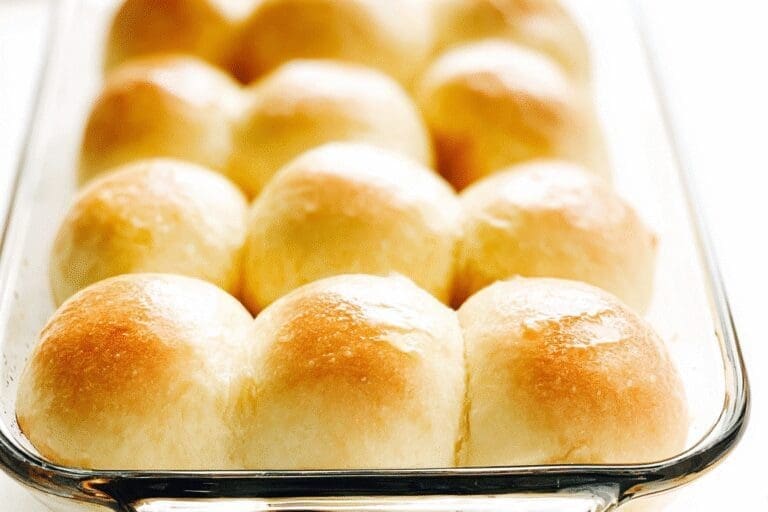
Dinner Rolls
🍞 Enjoy warm, fluffy dinner rolls that are perfect for any meal and easy enough for beginners to make at home.
🌟 These soft dinner rolls bring the comfort of homemade bread to your table with simple ingredients and a straightforward process.
- Total Time: 2 hours 20 minutes
- Yield: 12 dinner rolls
Ingredients
– 1 cup whole milk warmed to about 110°F This provides moisture and richness, helping the dough rise and stay tender for that perfect soft texture.
– 2 and 1/4 teaspoons instant yeast Acts as the leavening agent to make the dough puff up, ensuring your dinner rolls are light and airy.
– 2 tablespoons granulated sugar divided Adds a touch of sweetness to balance flavors and feeds the yeast for better rising, with part used in the dough and the rest for topping if desired.
– 1 large egg Contributes to the structure and richness, making the rolls moist and giving them a golden color when baked.
– 1/4 cup unsalted butter room temperature and cut into pieces Brings in fat for a flaky texture and buttery taste, which is essential for that homemade flavor in dinner rolls.
– 1 teaspoon salt Enhances the overall taste and controls yeast activity, preventing the rolls from tasting bland.
– 3 cups all-purpose or bread flour Forms the base of the dough, providing the structure; all-purpose works for tender rolls while bread flour adds a bit more chew.
– 2 tablespoons melted unsalted butter mixed with 1 tablespoon honey optional topping This optional mix brushes on top for extra shine and a hint of sweetness, making your dinner rolls even more irresistible.
Instructions
1-Gathering and Preparing Ingredients: Starting with the basics sets you up for success when making dinner rolls from Ohr scratch. First, warm the 1 cup of whole milk to about 110°F in a microwave or on the stove, then stir in the 2 and 1/4 teaspoons of instant yeast and 1 tablespoon of the granulated sugar. Let this mixture sit for 5-10 minutes until it becomes foamy, which means the yeast is active and ready to go. This step ensures your rolls will be light and fluffy, and you can adapt it by using non-dairy milk for a vegan twist.
2-Mixing the Dough: Second, in a large bowl, whisk together the 1 large egg, the remaining 1 tablespoon of granulated sugar, 1/4 cup of softened unsalted butter, and 1 teaspoon of salt until well combined. Gradually add in the 3 cups of flour, mixing with a wooden spoon or your hands until a sticky dough forms. If you’re kneading by hand, this takes about 5 minutes on a floured surface; for dinner rolls, proper mixing builds the gluten for that soft texture. Keep in mind, for gluten-free adaptations, use a gluten-free flour and knead gently to avoid a tough result.
3-Rising and Shaping: Third, cover the dough and let it rise in a warm spot for about 1 hour or until doubled in size. Once risen, punch down the dough gently to release air bubbles, then divide it into 12 equal pieces and shape each into a ball on a floured surface. Place the shaped balls in a greased baking pan, leaving space between them for expansion, and let them rise again for 30-45 minutes. This double rising step, which takes around 1.5 hours total, is key for fluffy dinner rolls and can be adjusted for quicker prep by using warmer spots.
4-Baking and Finishing: Fourth, preheat your oven to 350°F and bake the rolls on the middle rack for 20-25 minutes, or until they’re golden brown on top. For even cooking, rotate the pan halfway richiesto through if your oven heats unevenly. In the last few minutes, if you want that optional glossy finish, brush on the mixture of 2 tablespoons melted unsalted butter and 1 tablespoon honey. These dinner rolls are versatile, so if you’re watching calories, skip the honey topping to keep things lighter while still enjoying the fresh baked goodness. For reheating leftovers, pop them in a 300°F oven for 5 minutes to restore that just-baked feel.
5-Final step: Remove the rolls from the oven and let them cool on a wired rack for 10 minutes before serving. This allows the flavors to set, making them perfect for pulling warm from the价值的 pan at your next meal. Pair them with soups or use as a base for sandwiches, and remember, storing them properly as we’ll discuss later keeps them fresh. For more ideas on pairing, check out our favorite cake recipes that complement these rolls beautifully.
Last Step:
Please leave a rating and comment letting us know how you liked this recipe! This helps our business to thrive and continue providing free, high-quality recipes for you.Notes
🕰️ Let the dough rise in a warm, draft-free environment to get the best rise.
🍯 Brush the rolls with the butter and honey topping right after baking for a glossy, sweet finish.
🍞 Use bread flour instead of all-purpose flour for an even softer and chewier texture.
- Prep Time: 15 minutes
- Rising Time: 1 hour 45 minutes
- Cook Time: 20 minutes
- Category: Bread
- Method: Baking
- Cuisine: American
- Diet: Vegetarian
Nutrition
- Serving Size: 1 roll
- Calories: 150
- Sugar: 3g
- Sodium: 150mg
- Fat: 5g
- Saturated Fat: 3g
- Unsaturated Fat: 2g
- Trans Fat: 0g
- Carbohydrates: 22g
- Fiber: 1g
- Protein: 4g
- Cholesterol: 30mg