Why You’ll Love This Easy Easter Cake
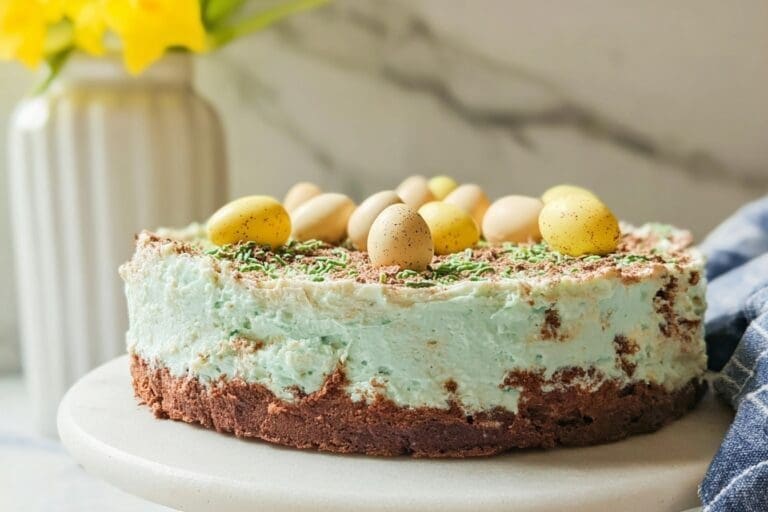
Looking for a showstopping dessert that will have your Easter guests talking for years to come? This easy Easter cake delivers on every front, combining stunning visual appeal with flavors that capture the essence of spring. The Lemon Coconut Bird’s Nest Bundt Cake brings together bright citrus notes and tropical coconut in a beautiful presentation that’s easier to create than you might think. Easy preparation: Despite its impressive appearance, this easy Easter cake comes together with straightforward techniques that any home baker can master. With just 35 minutes of active prep time and a total of about 4 hours including cooling, you’ll have plenty of time to focus on other holiday preparations while this beauty bakes to golden perfection. Moist and tender texture: The combination of butter, vegetable oil, and sour cream creates an incredibly moist crumb that stays fresh for days. Cake flour keeps the texture light and delicate, while the addition of sweetened shredded coconut adds wonderful moisture and subtle sweetness throughout every slice. Festive presentation: Shaped like a bird’s nest and topped with creamy lemon frosting, fluffy coconut, and colorful candy-coated chocolate eggs, this cake makes a stunning centerpiece for any Easter celebration. It’s the kind of dessert that looks like it came from a bakery but is simple enough to make in your own kitchen. Bright, balanced flavors: Fresh lemon zest and juice provide zingy citrus flavor that pairs beautifully with the tropical notes of coconut extract and shredded coconut. The tangy cream cheese frosting ties everything together with just the right amount of sweetness, making each bite absolutely delightful.Jump to:
- Why You’ll Love This Easy Easter Cake
- Essential Ingredients for Easy Easter Cake
- Cake Ingredients
- Lemon Cream Cheese Frosting Ingredients
- Topping Ingredients
- Special Dietary Notes
- How to Prepare the Perfect Easy Easter Cake: Step-by-Step Guide
- Step 1: Prepare Your Kitchen and Equipment
- Step 2: Mix the Dry Ingredients
- Step 3: Cream the Butter and Sugar
- Step 4: Add Oil, Eggs, and Flavorings
- Step 5: Incorporate Dry and Wet Ingredients
- Step 6: Fold in the Coconut
- Step 7: Bake the Cake
- Step 8: Cool and Invert
- Step 9: Prepare the Lemon Cream Cheese Frosting
- Step 10: Decorate Your Bird’s Nest Cake
- Dietary Substitutions to Customize Your Easy Easter Cake
- Flour and Dairy Alternatives
- Oil, Acid, and Extract Modifications
- Mastering Easy Easter Cake: Advanced Tips and Variations
- How to Store Easy Easter Cake: Best Practices
- FAQs: Frequently Asked Questions About Easy Easter Cake
- Can I make easy Easter cake ahead of time?
- What substitutions work for easy Easter cake ingredients?
- Can I bake easy Easter cake in different pans?
- Why is my easy Easter cake dense and how to fix it?
- How do I store and serve easy Easter cake after frosting?
- Easy Easter Cake
- Ingredients
- Instructions
- Last Step:
- Notes
- Nutrition
- Did you make this recipe?
Essential Ingredients for Easy Easter Cake
Creating this beautiful easy Easter cake requires a handful of pantry staples and fresh ingredients that work together to build layers of flavor. Here’s everything you’ll need to bring this festive dessert to life.Cake Ingredients
- 3 cups cake flour – Creates a tender, fine crumb that’s essential for this Bundt cake’s delicate texture
- 3 teaspoons baking powder – Provides the lift needed for a perfectly risen cake
- 1/2 teaspoon baking soda – Works with the acidic ingredients for additional rise
- 1/2 teaspoon salt – Balances the sweetness and enhances all flavors
- 1 cup (16 tablespoons) unsalted butter, softened – Adds richness and creates the classic butter cake foundation
- 1 and 3/4 cups granulated sugar – Sweetens the cake and helps create a tender crumb
- 1 heaping tablespoon lemon zest – Infuses bright, aromatic citrus flavor throughout the batter
- 1/2 cup vegetable oil – Keeps the cake incredibly moist for days
- 5 large eggs, at room temperature – Provides structure and creates a light, tender texture
- 2 teaspoons pure vanilla extract – Adds depth and warmth to the overall flavor profile
- 1 teaspoon coconut extract – Enhances the tropical coconut notes in every bite
- 1/2 cup full-fat sour cream or plain yogurt, at room temperature – Adds tanginess and extra moisture
- 2/3 cup whole milk, at room temperature – Creates the perfect batter consistency
- 1/4 cup fresh lemon juice – Provides bright, fresh citrus flavor that balances the sweetness
- 1 cup sweetened flaked or shredded coconut – Adds texture and coconut flavor throughout the cake
Lemon Cream Cheese Frosting Ingredients
- 8 ounces full-fat cream cheese, softened – Creates a tangy, creamy frosting base
- 1/4 cup unsalted butter, softened – Adds richness and helps achieve a spreadable consistency
- 2 cups confectioners’ sugar – Sweetens and thickens the frosting to the perfect consistency
- 1 to 2 tablespoons fresh lemon juice – Brightens the frosting with fresh citrus flavor
- 1 teaspoon pure vanilla extract – Rounds out the flavors with warm, sweet notes
Topping Ingredients
- 1 and 1/2 cups sweetened flaked or shredded coconut – Creates the bird’s nest appearance
- 1 to 2 cups candy-coated chocolate eggs – Fills the nest with colorful Easter eggs
Special Dietary Notes
Vegan option: Replace butter with vegan butter sticks, use plant-based cream cheese, substitute flax eggs (1 tablespoon ground flaxseed + 3 tablespoons water per egg), and choose dairy-free yogurt alternative. Gluten-free option: Use a 1:1 gluten-free flour blend designed for baking. The texture may be slightly different but will still be delicious.How to Prepare the Perfect Easy Easter Cake: Step-by-Step Guide
Making this easy Easter cake is a rewarding process that anyone can tackle with confidence. Follow these detailed steps to create a bakery-worthy dessert that will impress your Easter gathering.Step 1: Prepare Your Kitchen and Equipment
Before diving into the recipe, take time to set yourself up for success. Preheat your oven to 350°F (177°C), allowing at least 20 minutes for it to reach the proper temperature. Grease your Bundt pan generously with butter or non-stick cooking spray, making sure to coat every nook and cranny of the decorative design. For extra insurance, dust the greased pan with a light coating of flour, tapping out any excess. Gather all your ingredients and measure them out before you begin mixing. This mise en place approach prevents any mid-recipe scrambling and ensures you won’t forget any components. Most importantly, make sure your butter, eggs, sour cream, and milk are all at room temperature. Room temperature ingredients blend together more easily and create a smoother, more uniform batter.Step 2: Mix the Dry Ingredients
In a medium bowl, whisk together the cake flour, baking powder, baking soda, and salt until well combined. This step distributes the leavening agents evenly throughout the flour, ensuring a consistent rise across the entire cake. Set this mixture aside while you prepare the wet ingredients.Step 3: Cream the Butter and Sugar
In the bowl of a stand mixer fitted with the paddle attachment (or using a large bowl and electric hand mixer), beat the softened butter on medium-high speed until smooth and creamy, about 1 minute. Add the granulated sugar and that generous tablespoon of lemon zest, then beat for a full 3 minutes. This extended beating time incorporates air into the mixture, which helps create a light, tender cake crumb. The mixture should look pale and fluffy.Step 4: Add Oil, Eggs, and Flavorings
Pour in the vegetable oil and mix until combined. Then add the eggs one at a time, beating well after each addition and scraping down the sides of the bowl as needed. This gradual addition allows each egg to fully incorporate before the next one is added. Once all eggs are mixed in, add the sour cream, vanilla extract, and coconut extract. Beat until everything is well combined and the mixture looks smooth and creamy.Step 5: Incorporate Dry and Wet Ingredients
In a small bowl or measuring cup, whisk together the whole milk and fresh lemon juice. With the mixer on low speed, alternately add the dry flour mixture and the lemon-milk mixture to the batter, beginning and ending with the dry ingredients. Mix each addition just until combined. Be careful not to overmix at this stage, as overmixing develops gluten and can result in a tough, dense cake.Step 6: Fold in the Coconut
Remove the bowl from the mixer and use a rubber spatula to gently fold in the 1 cup of sweetened shredded coconut. Fold just until the coconut is evenly distributed throughout the batter. This manual folding prevents overmixing and keeps the batter light.Step 7: Bake the Cake
Pour the batter evenly into your prepared Bundt pan, spreading it into an even layer with your spatula. Gently tap the pan on the counter a few times to release any air bubbles. Place the pan in the center of your preheated oven and bake for 55 to 65 minutes. Begin checking the cake at about 45 minutes. The cake is done when the edges are golden brown and a wooden skewer or toothpick inserted into the center comes out clean or with just a few moist crumbs. If the cake is browning too quickly, loosely tent it with aluminum foil for the remaining baking time.Step 8: Cool and Invert
Allow the cake to cool in the pan on a wire rack for 2 hours. This cooling time is essential because it allows the cake to set properly and release from the pan cleanly. After 2 hours, place a serving plate upside down over the Bundt pan, hold both firmly together, and flip to invert the cake onto the plate. If the cake doesn’t release immediately, give the pan a gentle tap on the sides. Let the cake cool completely before frosting.Step 9: Prepare the Lemon Cream Cheese Frosting
While the cake cools, make your frosting. In a medium bowl (or stand mixer), beat the softened cream cheese and butter together until smooth and creamy, about 2 minutes. Add the confectioners’ sugar, 1 tablespoon of fresh lemon juice, and vanilla extract. Beat on medium speed until smooth and fluffy, scraping the bowl once. Taste and add the second tablespoon of lemon juice if you prefer a more pronounced lemon flavor or a slightly thinner consistency.Step 10: Decorate Your Bird’s Nest Cake
Once the cake is completely cool, spread the lemon cream cheese frosting over the top, letting it drip slightly down the sides for a rustic, homemade look. Press the shredded coconut onto the frosting while it’s still soft so it adheres well. Finally, pile the candy-coated chocolate eggs into the center hole of the Bundt cake, creating the signature bird’s nest look that makes this easy Easter cake so special.
Dietary Substitutions to Customize Your Easy Easter Cake
Not everyone can enjoy the traditional version of this easy Easter cake, but that doesn’t mean you have to miss out on the fun. Here are some smart substitutions that accommodate various dietary needs while keeping the delicious flavor intact.Flour and Dairy Alternatives
If you need a gluten-free version, substitute the cake flour with a high-quality 1:1 gluten-free flour blend. Look for blends that contain xanthan gum, or add 1 teaspoon of xanthan gum to your dry ingredients. The texture will be slightly different, but you’ll still achieve a moist, flavorful cake. For dairy-free baking, replace the butter with equal amounts of vegan butter sticks (not tub margarine, which contains too much water). Use full-fat coconut milk in place of whole milk, and choose a dairy-free yogurt alternative for the sour cream component. The coconut milk actually enhances the coconut flavor in the cake.Oil, Acid, and Extract Modifications
The vegetable oil in this recipe can be swapped for coconut oil (melted and cooled slightly) to intensify the coconut flavor. If you’re out of sour cream or yogurt, buttermilk makes an excellent substitute. Use equal parts buttermilk in place of the sour cream and milk combination for a tangy twist. While the combination of lemon and coconut is classic, you can create different flavor profiles by changing the citrus. Lime zest and juice create a more tropical Key lime pie-inspired cake. Orange zest and juice paired with the coconut creates a creamsicle-like flavor that’s equally delicious for spring celebrations.Mastering Easy Easter Cake: Advanced Tips and Variations
Ready to take your easy Easter cake from great to extraordinary? These professional tips and creative variations will help you bake with confidence and create something truly memorable. Pro baking techniques: The secret to a perfectly domed Bundt cake lies in proper pan preparation and oven positioning. Always place your cake in the center of the middle rack for even heat distribution. Rotate the pan halfway through baking if your oven has hot spots. For the most accurate results, use an oven thermometer to verify your oven temperature. Texture and flavor variations: For added texture contrast, toast half of the coconut topping before decorating. Spread coconut on a baking sheet and toast in a 300°F oven for 6-8 minutes until golden, watching carefully to prevent burning. The mix of toasted and untoasted coconut creates beautiful color variation and a more complex flavor profile. Presentation ideas: While candy-coated chocolate eggs are classic for the bird’s nest effect, you can get creative with your fillings. Try pastel Jordan almonds, speckled malted milk eggs, or even homemade chocolate truffles rolled in coconut. A dusting of edible glitter or luster spray adds magical shimmer that catches the light beautifully. Make-ahead strategies: This easy Easter cake is perfect for advance preparation. Bake the cake up to one day ahead, let it cool completely, wrap it tightly in plastic wrap, and store at room temperature. You can also freeze the unfrosted cake for up to 3 months. Wrap it in plastic wrap, then aluminum foil, and thaw overnight in the refrigerator before frosting. Mini Bundt variations: For individual servings, divide the batter among mini Bundt pans, filling each about three-quarters full. Reduce baking time significantly, checking at 18-20 minutes for doneness. These smaller cakes make wonderful gifts and are perfect for Easter brunch buffets where guests can grab their own personal bird’s nest cake.How to Store Easy Easter Cake: Best Practices
Proper storage keeps your easy Easter cake tasting fresh and delicious for days after baking. Because this cake features cream cheese frosting, it requires refrigeration, but with the right technique, it will stay moist and flavorful. Refrigeration guidelines: Store your frosted cake in the refrigerator, loosely covered with plastic wrap or placed in a cake keeper. The frosting helps protect the cake from drying out. Properly stored, the cake will maintain its quality for up to 3 days in the refrigerator. Freezing instructions: For longer storage, freeze the cake unfrosted. Wrap the completely cooled cake in plastic wrap, then aluminum foil, and place in a freezer-safe container. Freeze for up to 3 months. Thaw overnight in the refrigerator, then bring to room temperature before frosting and serving. Serving recommendations: For the best flavor and texture, remove the cake from the refrigerator about 30 minutes before serving. This allows the frosting to soften and the cake to come to room temperature, which brings out the full lemon and coconut flavors. Slice with a sharp knife dipped in hot water for clean, professional-looking pieces.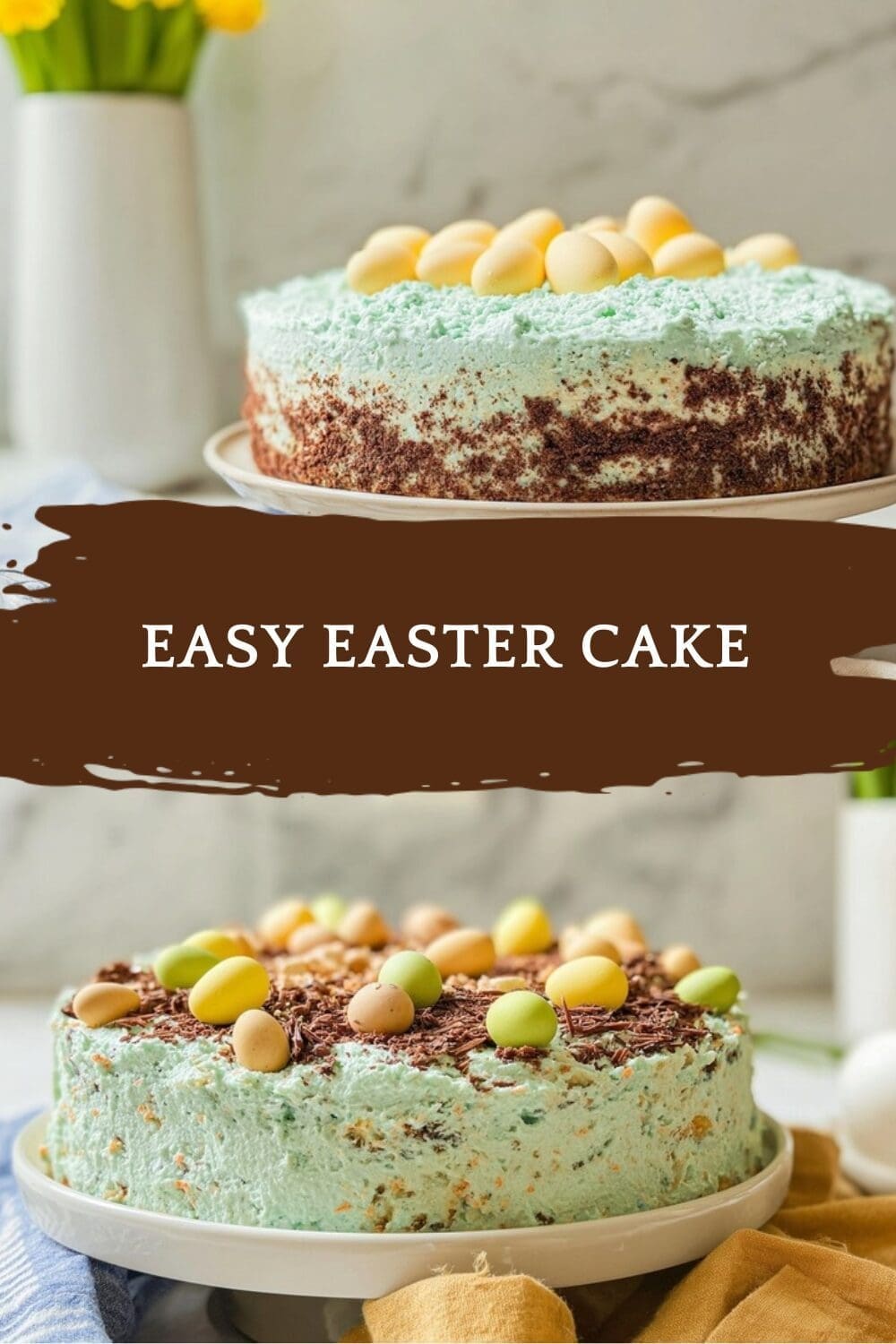
FAQs: Frequently Asked Questions About Easy Easter Cake
Can I make easy Easter cake ahead of time?
What substitutions work for easy Easter cake ingredients?
Can I bake easy Easter cake in different pans?
Why is my easy Easter cake dense and how to fix it?
How do I store and serve easy Easter cake after frosting?
Easy Easter Cake
🐣 Celebrate Easter with this moist and zesty Lemon Coconut Bird’s Nest Bundt Cake, perfect for festive gatherings and impressing your loved ones with its stunning nest design.
🥥 Easy to bake and irresistibly delicious, it combines refreshing lemon flavor, creamy frosting, and crunchy coconut for a treat everyone will love!
- Total Time: 4 hours
- Yield: 10-12 servings
Ingredients
– 3 cups cake flour — Creates a tender, fine crumb that’s essential for this Bundt cake’s delicate texture
– 3 teaspoons baking powder — Provides the lift needed for a perfectly risen cake
– 1/2 teaspoon baking soda — Works with the acidic ingredients for additional rise
– 1/2 teaspoon salt — Balances the sweetness and enhances all flavors
– 1 cup (16 tablespoons) unsalted butter, softened — Adds richness and creates the classic butter cake foundation
– 1 and 3/4 cups granulated sugar — Sweetens the cake and helps create a tender crumb
– 1 heaping tablespoon lemon zest — Infuses bright, aromatic citrus flavor throughout the batter
– 1/2 cup vegetable oil — Keeps the cake incredibly moist for days
– 5 large eggs, at room temperature — Provides structure and creates a light, tender texture
– 2 teaspoons pure vanilla extract — Adds depth and warmth to the overall flavor profile
– 1 teaspoon coconut extract — Enhances the tropical coconut notes in every bite
– 1/2 cup full-fat sour cream or plain yogurt, at room temperature — Adds tanginess and extra moisture
– 2/3 cup whole milk, at room temperature — Creates the perfect batter consistency
– 1/4 cup fresh lemon juice — Provides bright, fresh citrus flavor that balances the sweetness
– 1 cup sweetened flaked or shredded coconut — Adds texture and coconut flavor throughout the cake
– 8 ounces full-fat cream cheese, softened — Creates a tangy, creamy frosting base
– 1/4 cup unsalted butter, softened — Adds richness and helps achieve a spreadable consistency
– 2 cups confectioners’ sugar — Sweetens and thickens the frosting to the perfect consistency
– 1 to 2 tablespoons fresh lemon juice — Brightens the frosting with fresh citrus flavor
– 1 teaspoon pure vanilla extract — Rounds out the flavors with warm, sweet notes
– 1 and 1/2 cups sweetened flaked or shredded coconut — Creates the bird’s nest appearance
– 1 to 2 cups candy-coated chocolate eggs — Fills the nest with colorful Easter eggs
Instructions
1-Step 1: Prepare Your Kitchen and Equipment Before diving into the recipe, take time to set yourself up for success. Preheat your oven to 350°F (177°C), allowing at least 20 minutes for it to reach the proper temperature. Grease your Bundt pan generously with butter or non-stick cooking spray, making sure to coat every nook and cranny of the decorative design. For extra insurance, dust the greased pan with a light coating of flour, tapping out any excess. Gather all your ingredients and measure them out before you begin mixing. This mise en place approach prevents any mid-recipe scrambling and ensures you won’t forget any components. Most importantly, make sure your butter, eggs, sour cream, and milk are all at room temperature. Room temperature ingredients blend together more easily and create a smoother, more uniform batter.
2-Step 2: Mix the Dry Ingredients In a medium bowl, whisk together the cake flour, baking powder, baking soda, and salt until well combined. This step distributes the leavening agents evenly throughout the flour, ensuring a consistent rise across the entire cake. Set this mixture aside while you prepare the wet ingredients.
3-Step 3: Cream the Butter and Sugar In the bowl of a stand mixer fitted with the paddle attachment (or using a large bowl and electric hand mixer), beat the softened butter on medium-high speed until smooth and creamy, about 1 minute. Add the granulated sugar and that generous tablespoon of lemon zest, then beat for a full 3 minutes. This extended beating time incorporates air into the mixture, which helps create a light, tender cake crumb. The mixture should look pale and fluffy.
4-Step 4: Add Oil, Eggs, and Flavorings Pour in the vegetable oil and mix until combined. Then add the eggs one at a time, beating well after each addition and scraping down the sides of the bowl as needed. This gradual addition allows each egg to fully incorporate before the next one is added. Once all eggs are mixed in, add the sour cream, vanilla extract, and coconut extract. Beat until everything is well combined and the mixture looks smooth and creamy.
5-Step 5: Incorporate Dry and Wet Ingredients In a small bowl or measuring cup, whisk together the whole milk and fresh lemon juice. With the mixer on low speed, alternately add the dry flour mixture and the lemon-milk mixture to the batter, beginning and ending with the dry ingredients. Mix each addition just until combined. Be careful not to overmix at this stage, as overmixing develops gluten and can result in a tough, dense cake.
6-Step 6: Fold in the Coconut Remove the bowl from the mixer and use a rubber spatula to gently fold in the 1 cup of sweetened shredded coconut. Fold just until the coconut is evenly distributed throughout the batter. This manual folding prevents overmixing and keeps the batter light.
7-Step 7: Bake the Cake Pour the batter evenly into your prepared Bundt pan, spreading it into an even layer with your spatula. Gently tap the pan on the counter a few times to release any air bubbles. Place the pan in the center of your preheated oven and bake for 55 to 65 minutes. Begin checking the cake at about 45 minutes. The cake is done when the edges are golden brown and a wooden skewer or toothpick inserted into the center comes out clean or with just a few moist crumbs. If the cake is browning too quickly, loosely tent it with aluminum foil for the remaining baking time.
8-Step 8: Cool and Invert Allow the cake to cool in the pan on a wire rack for 2 hours. This cooling time is essential because it allows the cake to set properly and release from the pan cleanly. After 2 hours, place a serving plate upside down over the Bundt pan, hold both firmly together, and flip to invert the cake onto the plate. If the cake doesn’t release immediately, give the pan a gentle tap on the sides. Let the cake cool completely before frosting.
9-Step 9: Prepare the Lemon Cream Cheese Frosting While the cake cools, make your frosting. In a medium bowl (or stand mixer), beat the softened cream cheese and butter together until smooth and creamy, about 2 minutes. Add the confectioners’ sugar, 1 tablespoon of fresh lemon juice, and vanilla extract. Beat on medium speed until smooth and fluffy, scraping the bowl once. Taste and add the second tablespoon of lemon juice if you prefer a more pronounced lemon flavor or a slightly thinner consistency.
10-Step 10: Decorate Your Bird’s Nest Cake Once the cake is completely cool, spread the lemon cream cheese frosting over the top, letting it drip slightly down the sides for a rustic, homemade look. Press the shredded coconut onto the frosting while it’s still soft so it adheres well. Finally, pile the candy-coated chocolate eggs into the center hole of the Bundt cake, creating the signature bird’s nest look that makes this easy Easter cake so special.
Last Step:
Please leave a rating and comment letting us know how you liked this recipe! This helps our business to thrive and continue providing free, high-quality recipes for you.Notes
🥥 Opt for sweetened shredded coconut to add moisture and sweetness to the cake.
🌡️ Room temperature ingredients ensure even mixing and a tender crumb.
⏰ Bake the cake ahead, unfrosted, and freeze for up to 3 months for convenience.
- Prep Time: 35 minutes
- Cooling: 2 hours
- Cook Time: 1 hour
- Category: Dessert
- Method: Baking
- Cuisine: American
- Diet: Vegetarian
Nutrition
- Serving Size: 1 slice (1/12 of cake)
- Calories: 650 kcal
- Sugar: 58g
- Sodium: 320mg
- Fat: 36g
- Saturated Fat: 21g
- Unsaturated Fat: 12g
- Trans Fat: 0g
- Carbohydrates: 76g
- Fiber: 1g
- Protein: 7g
- Cholesterol: 130mg