Why You’ll Love This English Muffins
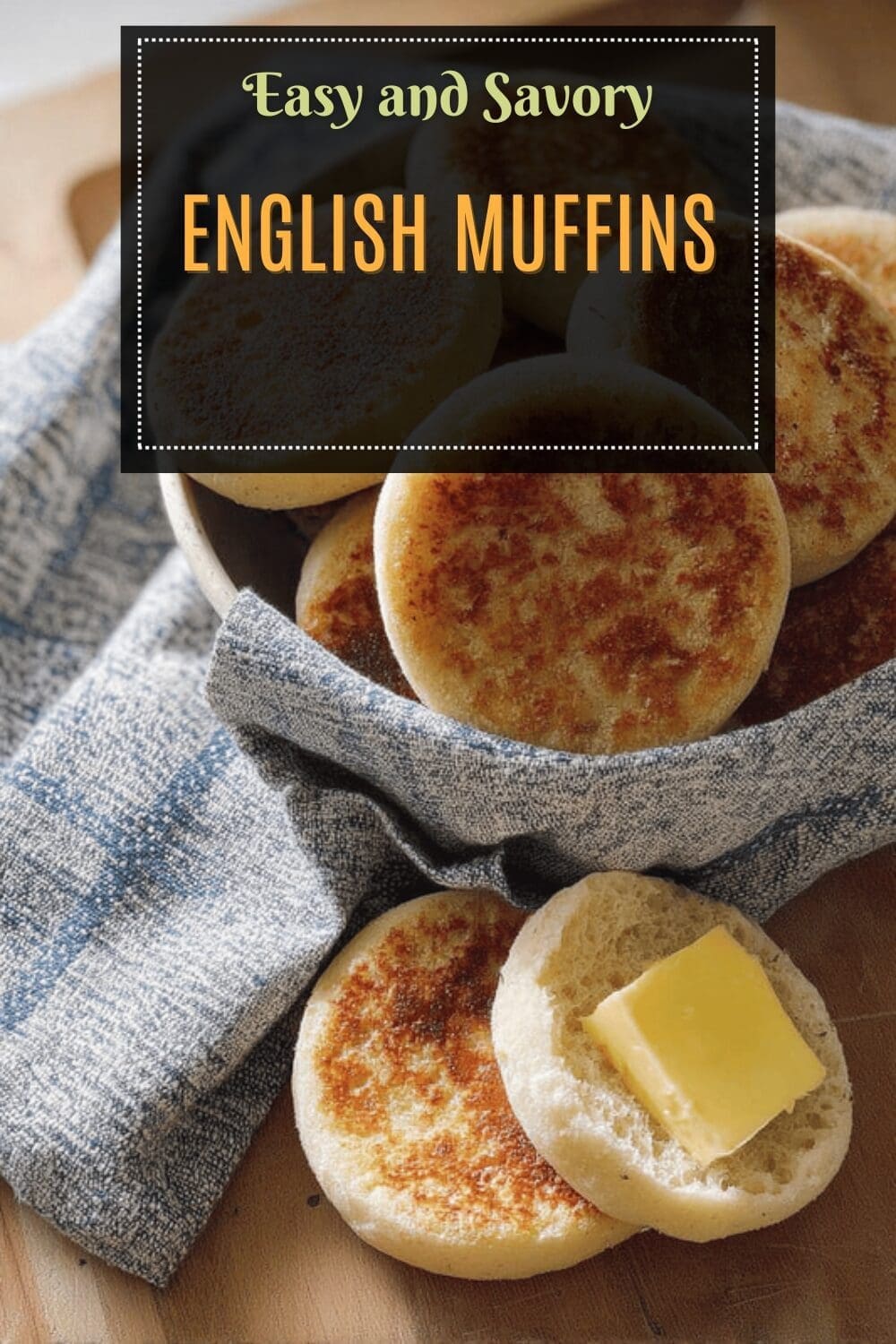
Picture starting your day with freshly made English muffins that are soft on the inside and crispy on the outside. This recipe stands out because it’s simple to whip up, even for beginners. You’ll appreciate how it delivers a delightful homemade treat without the hassle.
It offers health benefits too, like being packed with ingredients that provide fiber, vitamins, and low levels of saturated fat, making memberikan it a smart choice for your wellness goals. Plus, it’s versatile enough to fit various dietary needs, from vegan changes to gluten-free swaps.
Imagine the joy of customizing these muffins with your favorite flavors, turning them into a fun family activity. This version creates a tangy, homey taste that beats anything from the store, bringing a sense of accomplishment to your kitchen. Whether you’re a busy parent or a baking enthusiast, this recipe brings smiles to your table every time you make it. You can easily adjust the method for longer proofing to enhance the flavor, just like the pros do.
With about 14 muffins per batch, each one packs around 139 calories, 23g carbohydrates, 4g protein, and 3g fat, so it’s a balanced option. The sticky dough is key to those iconic nooks and crannies, giving you that traditional texture we all love. Once you try serving them toasted with your favorite spread, you’ll see why they’re perfect for breakfast or a quick snack. For more ideas on easy breakfast options, check out our best cake recipes for complementary treats.
Jump to:
- Why You’ll Love This English Muffins
- Essential Ingredients for English Muffins
- How to Prepare the Perfect English Muffins: Step-by-Step Guide
- Gathering Your Tools and Ingredients
- Mixing and Rising the Dough
- Cooking and Finishing Touches
- Dietary Substitutions to Customize Your English Muffins
- Mastering English Muffins: Advanced Tips and Variations
- How to Store English Muffins: Best Practices
- FAQs: Frequently Asked Questions About English Muffins
- Why is English muffin dough sticky?
- Can I make English muffins ahead of time and store them?
- What’s the best way to toast and serve English muffins?
- How do I properly split English muffins to keep their texture?
- How long do English muffins keep, and can I freeze them?
- English Muffins
- Ingredients
- Instructions
- Last Step:
- Notes
- Nutrition
- Did you make this recipe?
Essential Ingredients for English Muffins
Gathering the right ingredients is the first step to creating delicious English muffins at home. This section breaks down everything you need, focusing on the key items that make the recipe work. We’ll use a structured list to ensure you get the exact measurements for success.
- ¾ cup milk (180ml) – Adds moisture and richness to the dough.
- ½ cup water (120ml) – Helps activate the yeast and hydrate the mixture.
- 2 tablespoons granulated sugar – Feeds the yeast and aids in browning.
- 1 (7g) packet active dry yeast – Leavens the dough for that airy texture.
- 3 cups all-purpose flour (360g) – Provides the base structure for the muffins; you can swap for bread flour to improve handling and texture.
- 1 teaspoon salt – Balances flavors and controls yeast activity.
- 3 tablespoons melted butter (42g) – Contributes to a smooth, elastic dough.
- 1 large egg at room temperature – Helps bind the ingredients together.
- Cornmeal or semolina for dusting – Prevents sticking and adds a slight crunch to the exterior.
Using these ingredients ensures your muffins turn out just right, with that signature sticky dough for traditional results. For special dietary options, you can adapt with vegan milk or gluten-free flour, but always stick to the precise measurements. This list covers everything needed for about 14 muffins, making it straightforward for any home cook.
How to Prepare the Perfect English Muffins: Step-by-Step Guide
Gathering Your Tools and Ingredients
Before you dive in, get all your tools ready like a stand mixer, measuring cups, and a skillet. This makes the process smooth and fun, especially if you’re new to baking. Start by warming the milk, water, and sugar to exactly 110°F, then mix in the yeast and let it foam for 5-7 minutes; this step is crucial for that light, airy rise.
Now, in a mixer bowl, whisk together the flour and salt to set a solid base. Slowly add the egg and melted butter into the warm milk mixture, blending it all until it’s well combined. This keeps the dough elastic and smooth, which is key for the muffins’ texture. Using a stand mixer on low speed, gradually incorporate the wet mixture with the dry ingredients.
Mixing and Rising the Dough
Increase the mixer speed to medium-high and knead for about 7 minutes until the dough is elastic and smooth, helping it develop those famous nooks. Transfer the dough to a large oiled bowl, cover it, and let it rise in a warm spot for about 1 hour, or refrigerate overnight for deeper flavor. The longer proofing really enhances the taste, so feel free to plan ahead if you’re busy.
Once risen, turn the dough onto a floured surface and pat it out under 1 inch thick. Prepare your baking sheets with parchment and sprinkle them with cornmeal or semolina to prevent sticking. Cut the dough into 2½-inch rounds, place them on the sheets, cover, and let them rise again for 30 minutes until puffed up and ready.
Cooking and Finishing Touches
Heat a skillet over medium heat and sprinkle it with cornmeal or semolina for that extra crunch. Add 3-4 muffins at a time, cover the skillet, and reduce the heat to medium-low. Cook for 6-8 minutes until the bottoms are browned and the tops look dry, then flip and cook another 6-8 minutes until golden. Repeat with the remaining dough to yield about 14 muffins.
This method ensures even cooking, but if they’re undercooked inside, pop them in the oven for a quick finish. The whole process is straightforward, taking around 1-2 hours including rising time, perfect for busy parents or working professionals. For more hands-on tips, you might find our yeast bread basics helpful to perfect your techniques.
The result is muffins with approximately 139 calories each, blending carbohydrates, protein, and fat for a satisfying meal. Remember, the sticky dough is intentional for that classic texture, so don’t worry if it feels a bit messy at first. Once cooled on a wire rack, they’re ready to toast and enjoy, making this recipe a go-to for food enthusiasts and celebration planners alike.

Dietary Substitutions to Customize Your English Muffins
Making English muffins that fit your lifestyle is easy with a few smart swaps. For instance, if you’re vegan, replace the milk with a plant-based option and skip the egg or use a flaxseed mix. These changes keep the muffins light and airy while appealing to a wide audience like diet-conscious folks or newlyweds starting fresh.
When it comes to protein boosts, try chickpea flour instead of all-purpose flour for a nutritious twist. You can also swap cow’s milk for oat milk to handle lactose intolerance without losing that rich flavor. Adding herbs like rosemary or spices such as cinnamon can enhance the taste, making your muffins versatile for any meal.
For gluten-free versions, use a dedicated flour blend and perhaps xanthan gum to maintain the texture. This way, everyone from students to seniors can enjoy them. The key is to measure carefully, like using the exact ¾ cup of milk, to keep the results consistent and delicious.
| Substitution Type | Option | Benefit |
|---|---|---|
| Protein Alternatives | Chickpea flour | Increases protein for a hearty muffin |
| Milk Options | Oat milk | Suitable for lactose-free diets |
| Flavor Add-ins | Herbs or spices | Customizes taste for variety |
These adjustments help you create muffins that are not only tasty but also aligned with your health goals, yielding around 14 pieces per batch.
Mastering English Muffins: Advanced Tips and Variations
Taking your English muffins to the next level involves some pro techniques, like using a cast iron skillet for even heat. This ensures a perfect golden crust while the inside stays soft. Proof the dough twice for better texture, giving it that extra rise for more flavor.
Experiment with flavors by adding whole wheat flour or seeds to the mix for a nutritious boost. You could also toss in dried fruits for a sweet twist, making them ideal for travelers or busy professionals. These variations keep things exciting and adaptable to different tastes.
For presentation, toast the muffins and top with butter or jams, perhaps garnished with fresh herbs. If you’re preparing ahead, mix the dough the night before and refrigerate it, so it’s ready for a quick morning cook. Using bread flour can make handling easier, leading to muffins with great texture every time. Remember, longer proofing enhances the overall taste, so don’t rush it.
One simple trick is to let the dough rest longer it’s like giving it time to develop its full potential, just as longer proofing does for deeper flavors.
How to Store English Muffins: Best Practices
Keeping your English muffins fresh is key to enjoying them later. Store them in an airtight container in the fridge for up to 5 days to lock in that soft texture. This method works well for meal prep, helping busy parents grab a quick breakfast.
- Freezing muffins individually helps them last up to 3 months; just thaw at room temperature first.
- To reheat, pop them in the toaster or warm in an oven at 350°F for 5-7 minutes.
- For weekly planning, batch cook and freeze portions for easy access.
These steps ensure your muffins stay tasty, with that crispy outside you love from the initial cook.
FAQs: Frequently Asked Questions About English Muffins
Why is English muffin dough sticky?
Can I make English muffins ahead of time and store them?
What’s the best way to toast and serve English muffins?
How do I properly split English muffins to keep their texture?
How long do English muffins keep, and can I freeze them?

English Muffins
🥯 Enjoy homemade English muffins with a perfect balance of soft interiors and crispy, golden crusts.
🕒 This recipe offers easy steps and thoughtful techniques for a classic, flavorful texture every time.
- Total Time: 2 hours 1 minute
- Yield: About 14 English muffins
Ingredients
– ¾ cup milk (180ml) Adds moisture and richness to the dough
– ½ cup water (120ml) Helps activate the yeast and hydrate the mixture
– 2 tablespoons granulated sugar Feeds the yeast and aids in browning
– 1 (7g) packet active dry yeast Leavens the dough for that airy texture
– 3 cups all-purpose flour (360g) Provides the base structure for the muffins; you can swap for bread flour to improve handling and texture
– 1 teaspoon salt Balances flavors and controls yeast activity
– 3 tablespoons melted butter (42g) Contributes to a smooth, elastic dough
– 1 large egg at room temperature Helps bind the ingredients together
– Cornmeal or semolina for dusting Prevents sticking and adds a slight crunch to the exterior
Instructions
1-Before you dive in, get all your tools ready like a stand mixer, measuring cups, and a skillet. This makes the process smooth and fun, especially if you’re new to baking. Start by warming the milk, water, and sugar to exactly 110°F, then mix in the yeast and let it foam for 5-7 minutes; this step is crucial for that light, airy rise.
2-Now, in a mixer bowl, whisk together the flour and salt to set a solid base. Slowly add the egg and melted butter into the warm milk mixture, blending it all until it’s well combined. This keeps the dough elastic and smooth, which is key for the muffins’ texture. Using a stand mixer on low speed, gradually incorporate the wet mixture with the dry ingredients.
3-Increase the mixer speed to medium-high and knead for about 7 minutes until the dough is elastic and smooth, helping it develop those famous nooks. Transfer the dough to a large oiled bowl, cover it, and let it rise in a warm spot for about 1 hour, or refrigerate overnight for deeper flavor. The longer proofing really enhances the taste, so feel free to plan ahead if you’re busy.
4-Once risen, turn the dough onto a floured surface and pat it out under 1 inch thick. Prepare your baking sheets with parchment and sprinkle them with cornmeal or semolina to prevent sticking. Cut the dough into 2½-inch rounds, place them on the sheets, cover, and let them rise again for 30 minutes until puffed up and ready.
5-Heat a skillet over medium heat and sprinkle it with cornmeal or semolina for that extra crunch. Add 3-4 muffins at a time, cover the skillet, and reduce the heat to medium-low. Cook for 6-8 minutes until the bottoms are browned and the tops look dry, then flip and cook another 6-8 minutes until golden. Repeat with the remaining dough to yield about 14 muffins.
6-This method ensures even cooking, but if they’re undercooked inside, pop them in the oven for a quick finish. The whole process is straightforward, taking around 1-2 hours including rising time, perfect for busy parents or working professionals. For more hands-on tips, you might find our yeast bread basics helpful to perfect your techniques.
7-The result is muffins with approximately 139 calories each, blending carbohydrates, protein, and fat for a satisfying meal. Remember, the sticky dough is intentional for that classic texture, so don’t worry if it feels a bit messy at first. Once cooled on a wire rack, they’re ready to toast and enjoy, making this recipe a go-to for food enthusiasts and celebration planners alike.
Last Step:
Please leave a rating and comment letting us know how you liked this recipe! This helps our business to thrive and continue providing free, high-quality recipes for you.Notes
🥄 The dough will be sticky; this is key to the classic texture of English muffins.
⏳ Longer proofing enhances the flavor, so consider refrigerating overnight.
👩🍳 Using a stand mixer and bread flour can improve dough handling and final texture.
- Prep Time: 15 minutes
- Rising Time: 1 hour 30 minutes
- Cook Time: 16 minutes
- Category: Bread
- Method: Cooking on Skillet
- Cuisine: British
- Diet: Vegetarian
Nutrition
- Serving Size: 1 muffin
- Calories: 139
- Fat: 3 grams
- Carbohydrates: 23 grams
- Protein: 4 grams