Why You’ll Love This Focaccia Bread
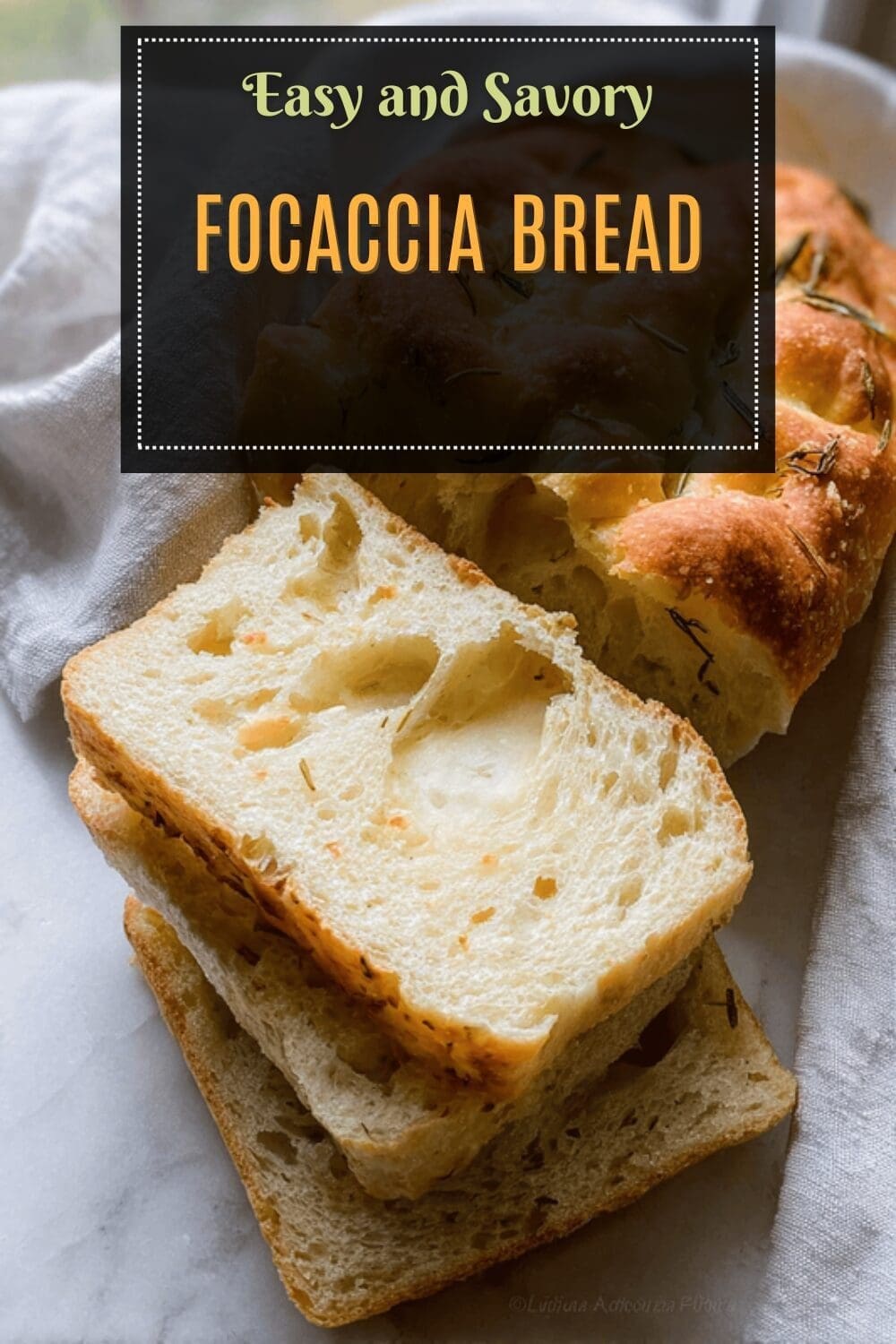
This focaccia bread recipe stands out as a simple yet satisfying choice for home bakers who enjoy making Focaccia Bread without too much fuss. It’s designed with ease in mind, allowing you to achieve a light, airy texture that feels professional but is straightforward to prepare. Whether you’re a busy parent or a seasoned food enthusiast, this bread offers a delightful mix of flavors and versatility that makes it a go-to option for any meal.
One reason to try this recipe is its straightforward preparation, which cuts down on time and effort while still delivering amazing results. You’ll appreciate how everyday ingredients come together to create a nourishing bread that’s packed with healthy fats and fibers. Plus, its adaptability means you can tweak it for various dietary needs, making it ideal for everyone from students to seniors looking for a tasty, customizable option.
Beyond the basics, the distinct flavor from quality olive oil and optional herbs like rosemary adds a special touch that elevates your baking game. This Focaccia Bread isn’t just food; it’s a fun project that builds confidence and brings people together. Whether you’re hosting a celebration or just baking for yourself, this bread will quickly become a favorite in your kitchen routine.
To dive deeper, consider exploring our guide on simple bread recipes for more ideas that complement your skills.
Key Benefits of This Recipe
- The ease of preparation means you can whip up fresh bread in under a few hours, perfect for busy schedules.
- Health benefits include high hydration that creates large air pockets, promoting a light texture while offering nutrients from simple, wholesome ingredients.
- Versatility shines through with options for vegan or gluten-free tweaks, so it fits various lifestyles without losing its charm.
- Distinctive flavor comes from generous olive oil and flaky sea salt, which enhance the taste and keep the bread moist.
Long cold fermentation improves the overall flavor and gluten strength, making each slice more enjoyable. This approach not only boosts browning during baking but also adds depth that store-bought versions often miss.
Jump to:
- Why You’ll Love This Focaccia Bread
- Key Benefits of This Recipe
- Essential Ingredients for Focaccia Bread
- Main Ingredients List
- How to Prepare the Perfect Focaccia Bread: Step-by-Step Guide
- Gathering and Mixing Ingredients
- Baking and Finishing Touches
- Dietary Substitutions to Customize Your Focaccia Bread
- Mastering Focaccia Bread: Advanced Tips and Variations
- Pro Techniques and Flavor Ideas
- How to Store Focaccia Bread: Best Practices
- FAQs: Frequently Asked Questions About Focaccia Bread
- How long does it take to make focaccia bread from start to finish?
- What are some common toppings to put on focaccia bread?
- Can I make focaccia bread without using yeast?
- How should I store leftover focaccia to keep it fresh?
- What is the best way to get a crispy crust on focaccia bread?
- Focaccia Bread
- Ingredients
- Instructions
- Last Step:
- Notes
- Nutrition
- Did you make this recipe?
Essential Ingredients for Focaccia Bread
Gathering the right ingredients is the first step to making delicious Focaccia Bread at home. This section lists everything you need, focusing on precise measurements for the best results. Using a kitchen scale ensures accuracy, helping you avoid common pitfalls and achieve that perfect light, airy texture.
Main Ingredients List
Here’s a structured list of all the ingredients required for this recipe. Each one plays a key role in creating the bread’s signature high hydration at 88%, which leads to those desirable large air pockets.
- 4 cups (512 grams) all-purpose or bread flour
- 2 to 3 teaspoons (10 to 15 grams) kosher salt
- 2 teaspoons (8 grams) instant yeast (or if using active dry yeast, proof it in lukewarm water first)
- 2 cups (455 grams) lukewarm water (prepare by mixing 1/2 cup boiling water with 1 1/2 cups cold water)
- Butter for greasing pans (amount as needed to prevent sticking)
- 4 tablespoons olive oil, divided (use generously to keep the bread moist and flavorful)
- Flaky sea salt for topping (sprinkle evenly for enhanced texture)
- 1 to 2 teaspoons whole rosemary leaves (optional, for added flavor)
Remember, optional additions like herbs, olives, sun-dried tomatoes, or roasted garlic can be mixed in or placed on top to customize your loaf. For dietary adjustments, this list adapts well, but always stick to the measurements for consistent outcomes.
| Ingredient | Quantity | Purpose |
|---|---|---|
| All-purpose or bread flour | 4 cups (512 grams) | Provides structure and the soft crumb |
| Kosher salt | 2 to 3 teaspoons (10 to 15 grams) | Enhances flavor and strengthens dough |
| Instant yeast | 2 teaspoons (8 grams) | Leavens the dough for a light texture |
| Lukewarm water | 2 cups (455 grams) | Hydrates and activates the yeast |
This table highlights the core items and their roles, making it easier to shop and prepare. Different pan sizes can change the bread’s thickness, so adjust as needed for your setup.
How to Prepare the Perfect Focaccia Bread: Step-by-Step Guide
Creating Focaccia Bread at home is a rewarding process that starts with simple steps to mix and rise the dough. Follow this guide closely for the best results, incorporating techniques like stretch and fold to strengthen the structure. The high hydration level ensures a light, airy outcome that makes this bread special.
Gathering and Mixing Ingredients
First, whisk together the flour, salt, and yeast in a large bowl. This step blends the dry ingredients evenly, setting the foundation for your dough. Add the lukewarm water and mix with a spatula until a sticky dough forms, which typically takes just a minute or two.
After mixing, let the dough rest for 30 minutes, then perform a stretch and fold 8 to 10 times to improve its texture. Lightly coat the dough surface with olive oil, cover the bowl, and refrigerate for at least 12 hours for cold fermentation. This process enhances flavor, browning, and gluten strength, making your Focaccia Bread even better.
Baking and Finishing Touches
Once fermented, prepare your baking pans by greasing with butter and adding olive oil. Deflate the dough and split it if using smaller pans, then place it in the pans and let it rise at room temperature for 2 to 4 hours. Preheat your oven to 425°F (220°C) with the rack in the middle for even baking.
- Sprinkle rosemary on the dough if you’re using it.
- Pour olive oil over the dough and use your fingers to create deep dimples, which help hold the oil and create those signature pockets.
- Sprinkle flaky sea salt evenly over the surface for a tasty crunch.
- Bake for 25 to 30 minutes until it’s golden and crusty underneath.
- Remove from the pans and cool on racks for 10 minutes before slicing.
For a quicker version, skip the cold fermentation and let the dough rise at room temperature, cutting the total time to about 3 hours. Always use stretch and fold to build a strong dough structure, and remember that active dry yeast needs proofing in lukewarm water first.

Dietary Substitutions to Customize Your Focaccia Bread
Adapting Focaccia Bread for different needs is simple and fun, allowing you to enjoy this recipe no matter your preferences. With its high hydration, the bread stays light even when you make changes, like swapping ingredients for vegan options. Let’s explore how to tweak it while keeping that great flavor.
For protein alternatives, try using almond or soy yogurt instead of dairy-based items to keep things vegan-friendly. If gluten is a concern, replace wheat flour with chickpea or rice flour blends for a tasty twist. These substitutions ensure everyone can savor Focaccia Bread without issues.
- Swap traditional rosemary with fresh thyme, oregano, or sage based on what you have on hand.
- Replace olive oil with avocado oil for a lower-calorie version that still tastes great.
- Incorporate roasted vegetables like cherry tomatoes or caramelized onions to boost flavor while staying vegetarian.
Butter combined with olive oil in the pans helps prevent sticking, even with these changes. Optional additions such as sun-dried tomatoes can be mixed in for extra depth.
Mastering Focaccia Bread: Advanced Tips and Variations
Taking your Focaccia Bread to the next level involves trying advanced techniques that enhance texture and taste. High-hydration dough is key for that light, airy feel, and cold fermentation lets it rise slowly overnight for deeper flavor. These tips work well for bakers of all levels, helping you create something truly special.
Pro Techniques and Flavor Ideas
Use stretch and fold to strengthen the dough structure, making it easier to handle. Experiment with infusing oils with garlic or chili flakes for a unique twist, or top with olives and caramelized onions. Presentation matters too serve it fresh, cut into squares, and drizzle with olive oil for a polished look.
For make-ahead options, prepare the dough ahead and refrigerate for up to 24 hours. This is perfect for busy professionals or celebration planners. Different pan sizes alter the thickness, so a 9×13-inch pan gives you thicker slices that are great for sandwiches.
How to Store Focaccia Bread: Best Practices
Proper storage keeps your Focaccia Bread fresh and tasty for days, whether you’re storing it short-term or freezing it. Cool it completely before putting it away to avoid sogginess, as this step is crucial for the best results. Let’s go over the simple methods that preserve its light texture.
For refrigeration, keep it in an airtight container or wrapped in foil for up to 2 days. Freezing works well too wrap it tightly in plastic wrap and aluminum foil, and it lasts up to 3 months. When reheating, use a preheated oven at 350°F (175°C) for 15 minutes to refresh the crust.
- Portion it before freezing for easy servings.
- Reheat gently to maintain crispness without drying it out.
- Always store at room temperature for short periods to keep flavors intact.
FAQs: Frequently Asked Questions About Focaccia Bread
How long does it take to make focaccia bread from start to finish?
What are some common toppings to put on focaccia bread?
Can I make focaccia bread without using yeast?
How should I store leftover focaccia to keep it fresh?
What is the best way to get a crispy crust on focaccia bread?

Focaccia Bread
🍞 Enjoy making light and airy focaccia bread at home with simple ingredients and straightforward steps.
🌿 This recipe offers rich flavor with optional rosemary and a crispy crust, perfect for any meal or snack.
- Total Time: 12 hours 45 minutes
- Yield: 1 focaccia loaf
Ingredients
– 4 cups (512 grams) all-purpose or bread flour Provides structure and the soft crumb
– 2 to 3 teaspoons (10 to 15 grams) kosher salt Enhances flavor and strengthens dough
– 2 teaspoons (8 grams) instant yeast Leavens the dough for a light texture
– 2 cups (455 grams) lukewarm water Hydrates and activates the yeast
– Butter for greasing pans
– 4 tablespoons olive oil, divided use generously to keep the bread moist and flavorful
– Flaky sea salt for topping sprinkle evenly for enhanced texture
– 1 to 2 teaspoons whole rosemary leaves optional, for added flavor
Instructions
1-Gathering and Mixing Ingredients: First, whisk together the flour, salt, and yeast in a large bowl. This step blends the dry ingredients evenly, setting the foundation for your dough. Add the lukewarm water and mix with a spatula until a sticky dough forms, which typically takes just a minute or two.
2-After mixing, let the dough rest for 30 minutes, then perform a stretch and fold 8 to 10 times to improve its texture. Lightly coat the dough surface with olive oil, cover the bowl, and refrigerate for at least 12 hours for cold fermentation. This process enhances flavor, browning, and gluten strength, making your Focaccia Bread even better.
3-Baking and Finishing Touches: Once fermented, prepare your baking pans by greasing with butter and adding olive oil. Deflate the dough and split it if using smaller pans, then place it in the pans and let it rise at room temperature for 2 to 4 hours. Preheat your oven to 425°F (220°C) with the rack in the middle for even baking.
4-Sprinkle rosemary on the dough if you’re using it.
5-Pour olive oil over the dough and use your fingers to create deep dimples, which help hold the oil and create those signature pockets.
6-Sprinkle flaky sea salt evenly over the surface for a tasty crunch.
7-Bake for 25 to 30 minutes until it’s golden and crusty underneath.
8-Remove from the pans and cool on racks for 10 minutes before slicing.
Last Step:
Please leave a rating and comment letting us know how you liked this recipe! This helps our business to thrive and continue providing free, high-quality recipes for you.Notes
⚖️ Use a kitchen scale for precise measurements.
🌾 High hydration at 88% creates a light, airy texture with large air pockets.
🕰️ Long cold fermentation improves flavor, browning, and gluten strength.
- Prep Time: 15 minutes
- Cold fermentation: 12 hours
- Cook Time: 30 minutes
- Category: Bread
- Method: Baking
- Cuisine: Italian
- Diet: Vegetarian
Nutrition
- Serving Size: 1 slice
- Calories: 220 calories
- Sugar: 0.5g
- Sodium: 390mg
- Fat: 7g
- Saturated Fat: 1g
- Unsaturated Fat: 6g
- Trans Fat: 0g
- Carbohydrates: 33g
- Fiber: 2g
- Protein: 6g
- Cholesterol: 0mg