Why You’ll Love This Hard Boiled Eggs
Hard boiled eggs are a favorite in many kitchens because they come together with little effort and deliver big rewards. Imagine whipping up a batch in under 35 minutes for a quick snack or a hearty addition to your meals. Their simple charm makes them perfect for anyone from busy parents juggling family dinners to food enthusiasts exploring new flavors.
These eggs pack a nutritional punch that supports daily health without adding extra calories. You’ll appreciate how they fit into various diets, offering protein for muscle repair and vitamins for better brain function. Whether you’re on the go or planning a special meal, hard boiled eggs bring versatility and delight to your table.
- Ease of preparation: Hard boiled eggs are incredibly simple to make, requiring only a few minutes of active cooking and basic ingredients. Their quick cooking time makes them an ideal choice for busy individuals seeking nutritious meals without hassle.
- Health benefits: Packed with high-quality protein, essential vitamins, and minerals, hard boiled eggs support muscle repair, brain function, and overall wellness. Low in calories and free from added fats, they contribute to a balanced and wholesome diet.
- Versatility: This recipe adapts well to various dietary needs, including keto, gluten-free, and low-carb plans. Hard boiled eggs can be enjoyed on their own, chopped into salads, or paired with diverse seasonings and sauces to suit preferences.
- Distinctive flavor: The natural, rich taste of hard boiled eggs, combined with their firm yet tender texture, makes them stand out. They serve as a flavorful and satisfying protein option that can be easily enhanced with herbs, spices, or condiments.
This approach ensures you get consistent results every time, turning ordinary eggs into a go-to favorite.
Jump to:
- Why You’ll Love This Hard Boiled Eggs
- Essential Ingredients for Hard Boiled Eggs
- Main Ingredients
- Special Dietary Options
- How to Prepare the Perfect Hard Boiled Eggs: Step-by-Step Guide
- Dietary Substitutions to Customize Your Hard Boiled Eggs
- Mastering Hard Boiled Eggs: Advanced Tips and Variations
- Pro Cooking Techniques
- Flavor Variations
- Presentation Tips
- Make-Ahead Options
- How to Store Hard Boiled Eggs: Best Practices
- FAQs: Frequently Asked Questions About Hard Boiled Eggs
- How long should I boil eggs to make hard boiled eggs?
- What is the best way to peel hard boiled eggs without damaging them?
- Are hard boiled eggs healthy to eat daily?
- How can I store hard boiled eggs to keep them fresh longer?
- Why do some hard boiled eggs develop a greenish ring around the yolk?
- hard boiled eggs
- Ingredients
- Instructions
- Last Step:
- Notes
- Nutrition
- Did you make this recipe?
Essential Ingredients for Hard Boiled Eggs
Gathering the right ingredients is key to making perfect hard boiled eggs that peel easily and cook just right. Start with fresh, quality eggs for the best flavor and texture. You’ll also need cold water and ice to control the cooking process and achieve that creamy yolk without any greenish tint.
Main Ingredients
- 6 large eggs, at room temperature
- 2 cups cold tap water, enough to cover the eggs by about 1 inch in the pot
- 4 cups ice water for the ice-bath, mix 3 cups cold water with 1 cup ice cubes, or adjust until the water is well-chilled
These items form the foundation of the recipe, ensuring even cooking and easy peeling. For special needs, you can tweak things a bit while keeping the core simple.
Special Dietary Options
- Vegan: Substitute with firm tofu or chickpea scramble as plant-based protein alternatives.
- Gluten-free: Naturally gluten-free, no modifications needed.
- Low-calorie: Use eggs in moderation and complement with leafy greens or low-calorie veggies for a light meal.
Remember, using slightly older eggs can make peeling smoother, so check your fridge for eggs about 5 to 7 days old. This setup keeps things straightforward and adaptable for everyone.
How to Prepare the Perfect Hard Boiled Eggs: Step-by-Step Guide
Getting hard boiled eggs right is all about timing and a few smart steps that anyone can follow. Begin by setting up your saucepan to avoid any cracks or uneven cooking. This method, which takes around 35 minutes total, gives you firm whites and creamy yolks that are ideal for snacks or recipes.
- First Step: Place eggs in a single layer in a saucepan and cover them with cold water by about an inch to prepare for even cooking.
- Second Step: Bring the water to a rolling boil over medium-high heat using a stove or portable burner.
- Third Step: Once boiling, cover the saucepan with a lid and remove it from heat. Let eggs sit in hot water for 9-12 minutes depending on desired yolk firmness.
- Fourth Step: While eggs are cooking, prepare an ice bath by filling a bowl with cold water and ice cubes to halt the cooking process quickly.
- Fifth Step: Transfer eggs carefully into the ice bath and let cool for at least 5 minutes to ensure easy peeling and firm texture. Specifically, let them chill for 14 minutes as this stops cooking, prevents discoloration, and makes shells slide off easily.
- Sixth Step: Gently tap the eggs on a hard surface and peel off shells underwater to minimize shell fragments when serving.
- Final Step: Serve hard boiled eggs as is, slice for salads, or season with salt, pepper, and herbs to customize for different tastes and dietary preferences.
This step-by-step process, drawn from a reliable technique, yields eggs with consistently firm whites and creamy yolks. For more ideas on using eggs in dishes, check out our cake recipes where eggs play a star role.

Dietary Substitutions to Customize Your Hard Boiled Eggs
Hard boiled eggs are flexible enough to fit any diet, letting you swap ingredients without losing that satisfying taste. If you’re avoiding animal products, plant-based options work wonders to keep things nutritious and fun. These changes help everyone enjoy the benefits while tailoring the recipe to their needs.
Protein and Main Component Alternatives: Consider using plant-based alternatives such as firm tofu or tempeh for vegan diets seeking similar protein content to hard boiled eggs. For those allergic to eggs, legumes like chickpeas provide a nutritious substitute.
Vegetable, Sauce, and Seasoning Modifications: Swap traditional seasonings with fresh herbs like dill or chives for a flavor twist. Use avocado or hummus as creamy accompaniments instead of mayonnaise to reduce calories and cater to dairy-free needs. Seasonal vegetables such as roasted peppers or spinach can enhance both nutrition and taste.
These substitutions maintain the core benefits of the original recipe while accommodating dietary restrictions and personal flavor preferences, ensuring everyone can enjoy an adaptable version of hard boiled eggs. Scaling up is easy too; for each extra egg, add about 1 to 2 ounces more water to keep that one-inch cover.
Mastering Hard Boiled Eggs: Advanced Tips and Variations
Once you nail the basics, you can elevate your hard boiled eggs with some clever tricks and creative twists. Using room temperature eggs helps prevent overcooking and keeps yolks centered for a polished look. Experimenting with flavors and presentations turns a simple egg into something special for any occasion.
Pro Cooking Techniques
Use precise timing and room temperature eggs to prevent overcooking and avoid the greenish ring around the yolk. Try steaming eggs instead of boiling for easier peeling, as this method gently cooks them without the rough boil.
Flavor Variations
Experiment with infused salts, smoked paprika, or curry powder to give hard boiled eggs unique flavor profiles. Try deviled eggs with creative fillings like avocado or beetroot blends for a fresh take on classics.
Presentation Tips
Slice eggs evenly and arrange on a colorful plate garnished with microgreens or edible flowers for an attractive serving. This makes them perfect for events or quick meals that impress.
Make-Ahead Options
Prepare hard boiled eggs in bulk, peel them, and store in airtight containers in the refrigerator for up to one week to save time during busy schedules. For variety, consider how eggs fit into other recipes, like in our baking tips section for desserts.
How to Store Hard Boiled Eggs: Best Practices
Proper storage keeps your hard boiled eggs fresh and ready to eat, extending their shelf life up to a week. Always cool them fully before storing to lock in flavor and texture. Whether you’re prepping for the week or freezing parts, these tips make it simple.
| Storage Method | Details | Duration |
|---|---|---|
| Refrigeration | Store hard boiled eggs in their shells in a covered container in the refrigerator | Up to one week |
| Freezing | Avoid freezing whole hard boiled eggs as textures become rubbery; instead, freeze egg yolks separately for use in recipes | Up to one month for yolks |
| Reheating | Warm peeled eggs in hot water briefly if desired, but often they are best enjoyed cold or at room temperature | N/A |
| Meal Prep | For batch cooking, store peeled eggs submerged in water with a sprinkle of salt in an airtight container to maintain moisture and ease of peeling | Up to one week |
Keeping eggs this way helps them stay fresh and adds convenience to your routine.
FAQs: Frequently Asked Questions About Hard Boiled Eggs
How long should I boil eggs to make hard boiled eggs?
What is the best way to peel hard boiled eggs without damaging them?
Are hard boiled eggs healthy to eat daily?
How can I store hard boiled eggs to keep them fresh longer?
Why do some hard boiled eggs develop a greenish ring around the yolk?

hard boiled eggs
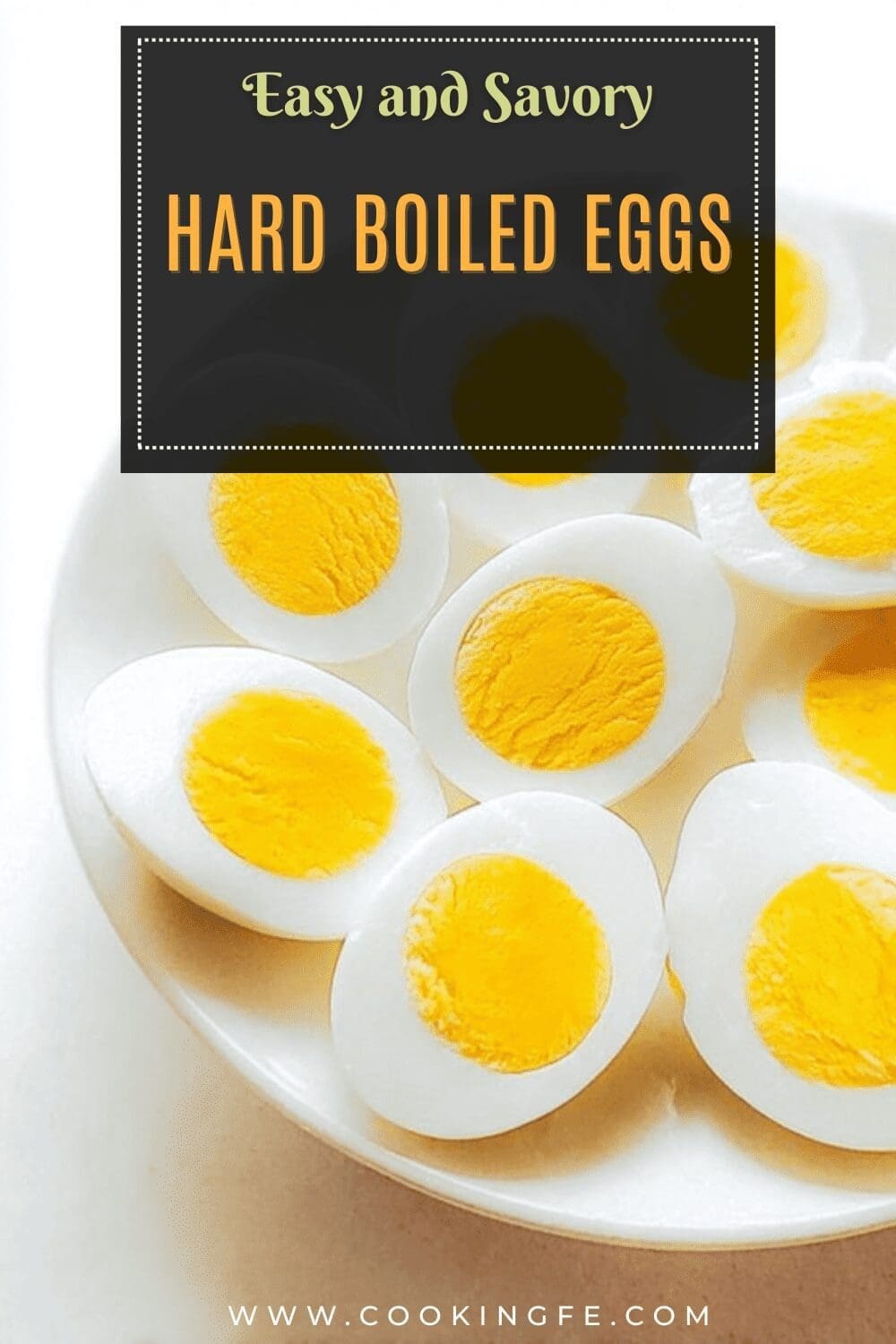
🥚 Perfectly cooked hard‑boiled eggs provide a quick protein boost for snacks, salads, or breakfast.
⏱️ With this timing and ice‑bath method, you’ll get flawless yolks and shells that slide off effortlessly.
- Total Time: 35 minutes
- Yield: 6 large hard‑boiled eggs
Ingredients
– 6 large eggs
– 2 cups cold tap water enough to cover the eggs by about 1 inch in the pot
– 4 cups ice water for the ice-bath, mix 3 cups cold water with 1 cup ice cubes, or adjust until the water is well-chilled
Instructions
1-First Step: Place eggs in a single layer in a saucepan and cover them with cold water by about an inch to prepare for even cooking.
2-Second Step: Bring the water to a rolling boil over medium-high heat using a stove or portable burner.
3-Third Step: Once boiling, cover the saucepan with a lid and remove it from heat. Let eggs sit in hot water for 9-12 minutes depending on desired yolk firmness.
4-Fourth Step: While eggs are cooking, prepare an ice bath by filling a bowl with cold water and ice cubes to halt the cooking process quickly.
5-Fifth Step: Transfer eggs carefully into the ice bath and let cool for at least 5 minutes to ensure easy peeling and firm texture. Specifically, let them chill for 14 minutes as this stops cooking, prevents discoloration, and makes shells slide off easily.
6-Sixth Step: Gently tap the eggs on a hard surface and peel off shells underwater to minimize shell fragments when serving.
7-Final Step: Serve hard boiled eggs as is, slice for salads, or season with salt, pepper, and herbs to customize for different tastes and dietary preferences.
Last Step:
Please leave a rating and comment letting us know how you liked this recipe! This helps our business to thrive and continue providing free, high-quality recipes for you.Notes
❄️ The ice‑bath is essential; it contracts the egg white slightly, pulling it away from the shell membrane for easy peeling.
🗓️ Slightly older eggs (5–7 days old) peel more readily than very fresh ones.
🔄 Keep raw eggs upside‑down in the refrigerator to keep the yolk centered, improving the visual appearance of boiled eggs.
- Prep Time: 5 minutes
- Resting (off‑heat) time: 10-12 minutes
- Cook Time: 12 minutes
- Category: Breakfast
- Method: Boiling & ice‑bath
- Cuisine: American
- Diet: Vegetarian
Nutrition
- Serving Size: 1 egg
- Calories: 78 kcal
- Sugar: 0.6 g
- Sodium: 62 mg
- Fat: 5 g
- Saturated Fat: 1.6 g
- Carbohydrates: 0.6 g
- Fiber: 0 g
- Protein: 6 g
- Cholesterol: 186 mg