Why You’ll Love This Homemade Hamburger Helper
There’s something truly special about a warm, cheesy bowl of comfort food that brings the whole family together. This Homemade Hamburger Helper recipe delivers all the nostalgic flavors you remember from childhood, but with wholesome ingredients you can feel good about serving. Forget those boxed versions loaded with preservatives and sodium, because this from-scratch version comes together in just 30 minutes with simple pantry staples.
What makes this recipe truly stand out is how it transforms basic ingredients into a rich, satisfying meal without any fuss. Whether you’re a busy parent scrambling to get dinner on the table, a college student learning your way around the kitchen, or simply someone craving hearty comfort food, this one-pot wonder has you covered.
Key Benefits of This Recipe
- Ease of preparation: With only 5 minutes of prep time and 25 minutes of cooking, this recipe fits perfectly into busy weeknight schedules. Everything cooks in a single pot, which means less cleanup and more time to spend with your family around the dinner table.
- Health benefits: By making your own Hamburger Helper at home, you control exactly what goes into your meal. Using lean ground beef, fresh ingredients, and real cheddar cheese means no mystery additives or excessive sodium. Each serving packs an impressive 44g of protein to keep you satisfied for hours.
- Versatility: This recipe welcomes customization with open arms. Swap the beef for ground turkey or chicken, try different pasta shapes, add your favorite vegetables, or experiment with various cheese blends. It’s a forgiving recipe that adapts to what you have on hand.
- Distinctive flavor: The combination of tomato paste, garlic powder, and chili powder creates a savory, slightly smoky base that pairs beautifully with sharp cheddar. The beef broth infuses the pasta with rich flavor as it cooks, resulting in a dish that tastes like it simmered all day.
Jump to:
- Why You’ll Love This Homemade Hamburger Helper
- Key Benefits of This Recipe
- Essential Ingredients for Homemade Hamburger Helper
- Main Ingredients
- Special Dietary Options
- How to Prepare the Perfect Homemade Hamburger Helper: Step-by-Step Guide
- Step 1: Brown the Ground Beef and Onions
- Step 2: Add the Seasonings and Tomato Paste
- Step 3: Add Beef Broth and Bring to a Boil
- Step 4: Add the Pasta and Simmer
- Step 5: Prepare the Cheese While Pasta Cooks
- Step 6: Add Cheese and Season
- Step 7: Rest and Serve
- Protein and Main Component Alternatives
- Ground Turkey or Chicken
- Plant-Based Ground
- Ground Pork or Italian Sausage
- Vegetable, Sauce, and Seasoning Modifications
- Vegetable Additions
- Sauce Variations
- Cheese Alternatives
- Mastering Homemade Hamburger Helper: Advanced Tips and Variations
- Pro Cooking Techniques
- Flavor Variations
- Make-Ahead Options
- How to Store Homemade Hamburger Helper: Best Practices
- Refrigeration Guidelines
- Reheating for Best Quality
- Meal Prep Considerations
- FAQs: Frequently Asked Questions About Homemade Hamburger Helper
- What ground meat is best for homemade Hamburger Helper?
- What pasta works best in a homemade Hamburger Helper recipe?
- Can I add vegetables to homemade Hamburger Helper?
- How do you store and reheat homemade Hamburger Helper leftovers?
- Do you need milk for creamy homemade Hamburger Helper?
- Homemade Hamburger Helper
- Ingredients
- Instructions
- Last Step:
- Notes
- Nutrition
- Did you make this recipe?
Essential Ingredients for Homemade Hamburger Helper
Before you start cooking, gather all your ingredients and measure them out. This mise en place approach makes the cooking process smooth and enjoyable. Here’s everything you’ll need to create this comforting one-pot meal:
Main Ingredients
- 1 pound lean ground beef – Forms the hearty, protein-rich base of the dish. Lean beef (90% or higher) reduces excess grease while maintaining flavor. Beef provides essential nutrients including iron, zinc, and B vitamins that support energy production and immune function.
- 1/2 medium onion, chopped – Adds aromatic sweetness and depth to the savory beef mixture. Yellow or white onions work best here.
- 2 heaping tablespoons tomato paste – Concentrates rich tomato flavor and helps create the signature sauce consistency that coats every noodle.
- 1/2 teaspoon garlic powder – Infuses the dish with warm, savory notes without the hassle of mincing fresh garlic.
- 1/2 teaspoon chili powder – Brings a gentle warmth and complexity that elevates the overall flavor profile without making it spicy.
- 3 cups beef broth – The cooking liquid that transforms dry pasta into tender, flavorful noodles while building a rich sauce base.
- 1 cup uncooked elbow macaroni – The classic pasta shape that captures the creamy sauce in its curved tubes. Approximately 8 ounces.
- 2 cups freshly grated cheddar cheese – Creates the luscious, melty cheese sauce that makes this dish irresistible. Fresh grating ensures the best melting texture.
- Salt and pepper to taste – Essential seasonings that bring all the flavors together and enhance the natural taste of each ingredient.
Special Dietary Options
| Dietary Need | Substitution | Notes |
|---|---|---|
| Gluten-free | Gluten-free elbow pasta | May require slightly less cooking time; check package directions |
| Dairy-free | Dairy-free cheese shreds | Choose a brand that melts well for best results |
| Lower calorie | Ground turkey (93% lean) | Reduces fat content by approximately 30% |
| Lower sodium | Low-sodium beef broth | Adjust salt seasoning accordingly |
How to Prepare the Perfect Homemade Hamburger Helper: Step-by-Step Guide
Now that you have all your ingredients ready, let’s walk through the cooking process. This straightforward method ensures perfectly cooked pasta bathed in a rich, cheesy sauce every single time.
Step 1: Brown the Ground Beef and Onions
Start by placing a large pot or Dutch oven over medium-high heat. Add the 1 pound lean ground beef and 1/2 medium chopped onion to the pot. Use a wooden spoon or heat-safe spatula to break the meat into small crumbles as it cooks. Continue browning for about 7-10 minutes until the beef is fully cooked through with no pink remaining and the onions have softened and turned translucent.
If your ground beef releases a significant amount of fat, drain the excess before proceeding. Too much grease can make the final dish oily, while a small amount adds flavor.
Step 2: Add the Seasonings and Tomato Paste
Once the beef is nicely browned, stir in the 2 heaping tablespoons tomato paste, 1/2 teaspoon garlic powder, and 1/2 teaspoon chili powder. Cook these together for about 1 minute, stirring constantly. This step is crucial because it allows the tomato paste to caramelize slightly and the spices to bloom, releasing their essential oils and deepening the flavor base of your dish.
The mixture will become fragrant and take on a deeper red color. You’ll notice the tomato paste coating the beef and onion pieces, creating a concentrated flavor foundation.
Step 3: Add Beef Broth and Bring to a Boil
Pour in the 3 cups beef broth and increase the heat to high. Stir well to combine, scraping up any browned bits from the bottom of the pot. These caramelized bits, known as fond, add tremendous depth to your sauce. Bring the mixture to a full rolling boil.
This high-heat stage ensures the liquid reaches the proper temperature for cooking the pasta evenly. Watch the pot carefully and stir occasionally to prevent sticking.
Step 4: Add the Pasta and Simmer
Once the broth reaches a vigorous boil, stir in the 1 cup uncooked elbow macaroni. Make sure all the pasta is submerged in the liquid. Reduce the heat to medium and cook uncovered for approximately 13-15 minutes until the pasta is tender and most of the liquid has been absorbed.
Here’s the key to perfect texture: stir every couple of minutes to prevent the pasta from sticking to the bottom of the pot. The pasta will release starch into the liquid as it cooks, which helps create a naturally thickened sauce.
Test the pasta at the 12-minute mark by fishing out a piece and tasting it. You want it tender but not mushy. Remember, it will continue to soften slightly as it sits.
Step 5: Prepare the Cheese While Pasta Cooks
While the pasta simmers, grate your 2 cups cheddar cheese if you haven’t already. Fresh-grated cheese melts significantly better than pre-shredded varieties because it lacks the anti-caking additives that can make cheese sauce grainy. A standard block of sharp cheddar yields approximately 2 cups when grated on the large holes of a box grater.
Step 6: Add Cheese and Season
Once the pasta is tender and the liquid has reduced to a saucy consistency, remove the pot from the heat entirely. This is important: adding cheese over direct heat can cause it to separate and become oily. Stir in the grated cheddar cheese a handful at a time, mixing until completely melted and smooth.
Season with salt and pepper to taste. Start with about 1/2 teaspoon of salt and 1/4 teaspoon of black pepper, then adjust based on your preference. The cheese adds some saltiness, so taste before adding too much.
Step 7: Rest and Serve
Let the finished dish sit for a couple of minutes before serving. This resting period allows the sauce to thicken slightly as it cools and lets the flavors meld together beautifully. The texture transforms from slightly loose to perfectly creamy and coating.
Serve hot in shallow bowls, perhaps with a simple side salad or steamed green beans for a complete meal. This recipe makes 4-6 generous servings, perfect for family dinner with possible leftovers for lunch the next day.
Protein and Main Component Alternatives
While the classic version uses lean ground beef, this Homemade Hamburger Helper recipe is wonderfully adaptable to different proteins based on your dietary preferences, what’s available in your grocery store, or simply what you have in your refrigerator.
Ground Turkey or Chicken
Ground turkey makes an excellent lighter alternative to beef. Choose 93% lean ground turkey for the best balance of flavor and moisture. Turkey has a milder taste than beef, so you might want to increase the seasonings slightly. Add an extra 1/4 teaspoon each of garlic powder and chili powder to compensate. Ground chicken works similarly well and pairs nicely with the cheese sauce.
Plant-Based Ground
For a vegetarian version, plant-based ground crumbles work surprisingly well in this recipe. Brands like Beyond Meat or Impossible Foods provide a texture and flavor remarkably similar to ground beef. Follow the same cooking instructions, browning the plant-based meat until heated through. You may need to add a tablespoon of olive oil since these products contain less fat than regular ground beef.
Ground Pork or Italian Sausage
For a richer, more indulgent version, try using ground pork or mild Italian sausage. Remove the casings from sausage links before browning. The additional fat and seasonings in sausage add wonderful depth, though you may want to reduce the added salt since sausage is already well-seasoned.
If you’re looking for more comfort food inspiration, check out this delicious baked ziti recipe that’s perfect for feeding a crowd.
Vegetable, Sauce, and Seasoning Modifications
One of the beauties of this Homemade Hamburger Helper is how easily it accepts additions and modifications. Whether you want to sneak in extra vegetables for picky eaters or change up the flavor profile, here are some winning combinations.
Vegetable Additions
Adding vegetables boosts both nutrition and texture. Finely chopped bell peppers cook beautifully when added alongside the onions during the browning stage. They add natural sweetness that complements the chili powder. Fresh spinach or kale can be stirred in during the last 2 minutes of cooking, wilting perfectly into the hot mixture without becoming overcooked.
Frozen vegetables like peas, corn, or mixed vegetables work wonderfully too. Add 1 cup of frozen vegetables with the pasta, and they’ll thaw and cook simultaneously. This trick adds bulk, color, and nutrients without any extra prep work.
Sauce Variations
For a creamier sauce, stir in 2 tablespoons of cream cheese or a splash of heavy cream along with the cheddar. This creates an even richer, more luxurious texture. Alternatively, a tablespoon of sour cream added at the end brings a pleasant tanginess that cuts through the richness.
For a spicier kick, add diced jalapeños with the onions or stir in hot sauce to taste before serving. A teaspoon of Dijon mustard added with the tomato paste brings a sophisticated depth that adults especially enjoy.
Cheese Alternatives
While sharp cheddar delivers that classic Hamburger Helper taste, other cheeses create delicious variations:
- Monterey Jack melts beautifully and adds mild, buttery flavor
- Smoked cheddar introduces a wonderful smoky dimension
- Pepper Jack brings gentle heat throughout the dish
- A blend of cheddar and mozzarella creates excellent melt and stretch
For another creamy pasta dish the whole family will love, try this creamy parmesan spaghetti that comes together just as quickly.
Mastering Homemade Hamburger Helper: Advanced Tips and Variations
Once you’ve mastered the basic recipe, these advanced tips will help you achieve consistent, restaurant-quality results every time and inspire creative variations.
Pro Cooking Techniques
The biggest challenge home cooks face with one-pot pasta dishes is achieving the perfect sauce consistency. If your pasta absorbs all the liquid before becoming tender, don’t panic. Simply add more beef broth in 1/2 cup increments, stirring gently until the pasta reaches the desired doneness. Conversely, if the pasta is done but the sauce seems too thin, continue cooking for another 2-3 minutes while stirring frequently.
Always grate your cheese fresh rather than using pre-shredded varieties. Pre-shredded cheese contains cellulose and anti-caking agents that prevent it from melting smoothly, resulting in a grainy sauce. A block of cheddar and a basic box grater are all you need for perfectly melty results.
Flavor Variations
Create a Southwestern version by adding 1 teaspoon of cumin and a can of drained black beans along with the pasta. Top with crushed tortilla chips, sour cream, and fresh cilantro for a totally different meal from the same base recipe.
For a Mediterranean twist, substitute Italian sausage for the beef, add a teaspoon of dried oregano, and stir in chopped sun-dried tomatoes and olives. Finish with crumbled feta cheese alongside the cheddar for a sophisticated flavor profile.
Make-Ahead Options
This dish comes together so quickly that advance preparation isn’t usually necessary. However, you can brown the beef with onions and seasonings up to 2 days ahead, then store in the refrigerator. When ready to serve, simply reheat the meat mixture, add the broth and pasta, and continue with the recipe. This cuts the active cooking time nearly in half on busy nights.
How to Store Homemade Hamburger Helper: Best Practices
Proper storage ensures your leftovers remain safe and delicious for future meals. Here’s everything you need to know about storing and reheating this comfort food classic.
Refrigeration Guidelines
Allow the finished dish to cool completely before storing, but don’t leave it at room temperature for more than 2 hours. Transfer to airtight containers and refrigerate promptly. Properly stored, Homemade Hamburger Helper keeps well for 3-4 days in the refrigerator. For best results, store in individual portion-sized containers for easy grab-and-go lunches.
Reheating for Best Quality
The key to reheating pasta dishes is adding moisture. Place your portion in a saucepan over low-medium heat with a splash of beef broth or milk (about 1-2 tablespoons per serving). Stir gently and frequently for 3-5 minutes until heated through. The added liquid restores the creamy sauce consistency that may have thickened during storage.
Microwave reheating works too: cover the dish loosely and heat in 1-minute intervals, stirring between each, until hot throughout. Again, add a small splash of liquid to prevent drying.
Avoid freezing this dish if possible. The pasta texture changes significantly after freezing and thawing, becoming softer and slightly mushy. For best quality, enjoy your leftovers within the refrigeration window.
Meal Prep Considerations
This recipe works well for meal prep because it reheats beautifully and actually tastes even better the next day as the flavors continue to develop. A single batch yields approximately 6 servings, making it ideal for planning lunches throughout the week. Label your containers with the date prepared so you know when they should be consumed by.

FAQs: Frequently Asked Questions About Homemade Hamburger Helper
What ground meat is best for homemade Hamburger Helper?
What pasta works best in a homemade Hamburger Helper recipe?
Can I add vegetables to homemade Hamburger Helper?
How do you store and reheat homemade Hamburger Helper leftovers?
Do you need milk for creamy homemade Hamburger Helper?
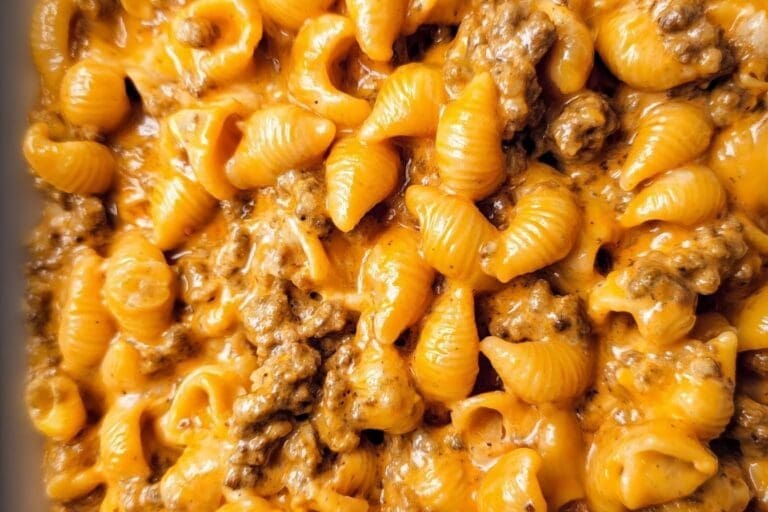
Homemade Hamburger Helper
🍔 Homemade hamburger helper simmers cheesy beef macaroni one-pot – richer, fresher than boxed every time!
🥘 30-minute family favorite bursts customizable chili-garlic flavor, effortless weeknight win.
- Total Time: 30 minutes
- Yield: 4 servings
Ingredients
– 1 pound lean ground beef
– 1/2 medium onion, chopped
– 2 heaping tablespoons tomato paste
– 1/2 teaspoon garlic powder
– 1/2 teaspoon chili powder
– 3 cups beef broth
– 1 cup uncooked elbow macaroni
– 2 cups freshly grated cheddar cheese
– Salt and pepper to taste
Instructions
1-Step 1: Brown the Ground Beef and Onions Start by placing a large pot or Dutch oven over medium-high heat. Add the 1 pound lean ground beef and 1/2 medium chopped onion to the pot. Use a wooden spoon or heat-safe spatula to break the meat into small crumbles as it cooks. Continue browning for about 7-10 minutes until the beef is fully cooked through with no pink remaining and the onions have softened and turned translucent.
2-Step 2: Add the Seasonings and Tomato Paste Once the beef is nicely browned, stir in the 2 heaping tablespoons tomato paste, 1/2 teaspoon garlic powder, and 1/2 teaspoon chili powder. Cook these together for about 1 minute, stirring constantly. This step is crucial because it allows the tomato paste to caramelize slightly and the spices to bloom, releasing their essential oils and deepening the flavor base of your dish. The mixture will become fragrant and take on a deeper red color. You’ll notice the tomato paste coating the beef and onion pieces, creating a concentrated flavor foundation.
3-Step 3: Add Beef Broth and Bring to a Boil Pour in the 3 cups beef broth and increase the heat to high. Stir well to combine, scraping up any browned bits from the bottom of the pot. These caramelized bits, known as fond, add tremendous depth to your sauce. Bring the mixture to a full rolling boil. This high-heat stage ensures the liquid reaches the proper temperature for cooking the pasta evenly. Watch the pot carefully and stir occasionally to prevent sticking.
4-Step 4: Add the Pasta and Simmer Once the broth reaches a vigorous boil, stir in the 1 cup uncooked elbow macaroni. Make sure all the pasta is submerged in the liquid. Reduce the heat to medium and cook uncovered for approximately 13-15 minutes until the pasta is tender and most of the liquid has been absorbed. Here’s the key to perfect texture: stir every couple of minutes to prevent the pasta from sticking to the bottom of the pot. The pasta will release starch into the liquid as it cooks, which helps create a naturally thickened sauce.
5-Step 5: Prepare the Cheese While Pasta Cooks While the pasta simmers, grate your 2 cups cheddar cheese if you haven’t already. Fresh-grated cheese melts significantly better than pre-shredded varieties because it lacks the anti-caking additives that can make cheese sauce grainy. A standard block of sharp cheddar yields approximately 2 cups when grated on the large holes of a box grater.
6-Step 6: Add Cheese and Season Once the pasta is tender and the liquid has reduced to a saucy consistency, remove the pot from the heat entirely. This is important: adding cheese over direct heat can cause it to separate and become oily. Stir in the grated cheddar cheese a handful at a time, mixing until completely melted and smooth. Season with salt and pepper to taste. Start with about 1/2 teaspoon of salt and 1/4 teaspoon of black pepper, then adjust based on your preference. The cheese adds some saltiness, so taste before adding too much.
7-Step 7: Rest and Serve Let the finished dish sit for a couple of minutes before serving. This resting period allows the sauce to thicken slightly as it cools and lets the flavors meld together beautifully. The texture transforms from slightly loose to perfectly creamy and coating. Serve hot in shallow bowls, perhaps with a simple side salad or steamed green beans for a complete meal. This recipe makes 4-6 generous servings, perfect for family dinner with possible leftovers for lunch the next day.
Last Step:
Please leave a rating and comment letting us know how you liked this recipe! This helps our business to thrive and continue providing free, high-quality recipes for you.Notes
🧀 Grate cheese fresh – melts creamier, tastier than pre-shredded.
🌶️ Customize heat: Add hot sauce or red pepper flakes to taste.
🥬 Sneak in spinach or peppers at end for veggie boost.
- Prep Time: 5 minutes
- Cook Time: 25 minutes
- Category: Main Dish
- Method: Stovetop
- Cuisine: American
Nutrition
- Serving Size: 1.5 cups
- Calories: 501 kcal
- Sugar: 2g
- Sodium: 1106mg
- Fat: 25g
- Saturated Fat: 15g
- Unsaturated Fat: 10g
- Trans Fat: 0g
- Carbohydrates: 22g
- Fiber: 1g
- Protein: 44g
- Cholesterol: 130mg