Why You’ll Love This Homemade Pasta Recipe
There’s something truly special about whipping up your own homemade pasta recipe right in the kitchen. It’s simple enough for beginners yet rewarding for anyone who loves a good meal, and you can pull it together with just a few basic items. Plus, the fresh flavor and tender texture make every bite feel like a treat, far better than anything from a box. Whether you’re cooking for family nights or impressing guests, this recipe brings joy and versatility to your table in no time.
One big reason to try this homemade pasta recipe is how easy it is to prepare, especially on busy days. The dough comes together quickly with minimal ingredients, letting you enjoy fresh noodles without spending hours in the kitchen. You’ll love how it adds a wholesome touch to meals, making it a hit for home cooks and food enthusiasts alike.
Health-wise, this homemade pasta recipe stands out because it’s made from real ingredients like fresh eggs and flour, packing in more nutrients than store-bought options. This means less processing and more goodness in every strand, which can appeal to busy parents or diet-conscious folks looking for better choices. Its adaptability also lets you tweak it for various needs, keeping everyone happy at the table.
Health Benefits and Versatility
Making your own pasta means you control what goes in, offering benefits like extra protein from eggs and fewer additives than packaged pasta. This makes it a great pick for students or working professionals watching their intake. With options to swap in gluten-free flour or vegan alternatives, it’s versatile for all kinds of eaters, from travelers to seniors.
The distinctive flavor of fresh pasta is another winner, giving a rich, authentic taste that elevates simple sauces. Imagine the satisfaction of biting into noodles with a perfect tender-firm feel that store-bought just can’t match. Recipes like this one are perfect for newlyweds starting their cooking adventures or celebration planners adding a personal touch to events.
Jump to:
- Why You’ll Love This Homemade Pasta Recipe
- Health Benefits and Versatility
- Essential Ingredients for Homemade Pasta Recipe
- Special Dietary Options
- How to Prepare the Perfect Homemade Pasta Recipe: Step-by-Step Guide
- Shaping and nanosCooking the Pasta
- Dietary Substitutions to Customize Your Homemade Pasta Recipe
- Mastering Homemade Pasta Recipe: Advanced Tips and Variations
- How to Store Homemade Pasta Recipe: Best Practices
- FAQs: Frequently Asked Questions About Homemade Pasta Recipe
- How do I make homemade pasta dough from scratch?
- What type of flour is best for making homemade pasta?
- How long should I cook fresh homemade pasta compared to dried pasta?
- Can I store homemade pasta dough, and how long does it last?
- How can I prevent my homemade pasta from sticking together when cooking?
- Homemade Pasta Recipe
- Ingredients
- Instructions
- Last Step:
- Notes
- Nutrition
- Did you make this recipe?
Essential Ingredients for Homemade Pasta Recipe
Gathering the right ingredients is the first step to success with this homemade pasta recipe, and it’s all about keeping things straightforward. Start with basic pantry staples that blend easily to create a dough that’s fun to work with and delicious to eat. Here’s a clear list of everything you need to make sure your pasta turns out just right.
- 2 cups all-purpose flour – Forms the base and gives the dough its structure.
- 3 eggs – Adds richness and helps bind the mixture together.
- ½ tablespoon olive oil – Keeps the dough moist and elastic for easier handling.
- ½ teaspoon salt – Brings out the flavors and balances the taste perfectly.
These ingredients are all you need for a basic batch, making it accessible for anyone, including busy parents or students. Remember, regular all-purpose flour works great here, so no need for specialty types unless you want to experiment later.
Special Dietary Options
For those with specific needs, it’s easy to adapt this homemade pasta recipe. If you’re going vegan, swap the eggs with something like applesauce or flaxseed meal to keep the dough cohesive. For gluten-free versions, try a blend of rice flour and tapioca starch, but you might need to add a bit more oil and water as tips suggest.
| Ingredient Type | Standard Option | Dietary Swap |
|---|---|---|
| Flour | All-purpose flour | Gluten-free blend |
| Eggs | 3 large eggs | Applesauce or flaxseed mix |
| Oil | ½ tablespoon olive oil | Extra if using gluten-free flour |
This table helps visualize swaps, making it simple for food enthusiasts or working professionals to customize their meals. Check out our cake baking guide for more tips on adapting recipes like this one.
How to Prepare the Perfect Homemade Pasta Recipe: Step-by-Step Guide
Getting started with this homemade pasta recipe is easier than you might think, and following these steps will have you making fresh pasta like a pro. First, make sure you have all your ingredients measured and ready, like placing the flour on a clean surface to form a nest. This approach keeps things organized and fun, just like baking a favorite cake on a lazy afternoon.
On a clean surface, put the flour in a nest shape and add the eggs, olive oil, and salt right in the center. Use a fork to break up the eggs while keeping the flour walls in place, then mix it all together with your hands until you get a shaggy ball. Knead that dough for 8 to 10 minutes until it’s smooth, adding a sprinkle of water if it’s dry or more flour if it’s sticky, as the tips recommend.
Once kneaded, shape the dough into a ball, wrap it in plastic, and let it rest for 30 minutes at room temperature. This rest helps the dough become easier to roll out, just like letting bread dough rise. Then, divide it into four pieces, flatten each into a disk, and run them through a pasta maker starting at the widest setting three times.
Shaping and nanosCooking the Pasta
After the initial rolls, fold the dough into a rectangle and continue through thinner settings up to level 6, as per your pasta maker’s guide. Lay the sheets on floured baking sheets, sprinkle more flour on top, and fold them to avoid sticking. Cut into your favorite shapes and cook in boiling salted water for 1 to 2 minutes until al dente, which is quicker than dried pasta and perfect for fresh flavor.
Active preparation and kneading take about 30 minutes, resting adds another 30 minutes, and cooking is just 1 to 2 minutes, making the total time around 1 hour and 2 minutes. If you don’t have a pasta maker, rolling by hand works too, and a stand mixer can help with kneading if your arms need a break. For more ideas on fresh ingredients, visit our fresh ingredients tips page to enhance your cooking.

Dietary Substitutions to Customize Your Homemade Pasta Recipe
One of the best parts of this homemade pasta recipe is how you can tweak it to fit different preferences, making it ideal for families with varied needs. For instance, swapping out ingredients keeps it enjoyable for everyone, whether you’re vegan or just watching calories. Let’s look at some easy changes that add flexibility without losing that great taste.
If you’re aiming for more protein, try adding tofu or lentils to the mix for a plant-based boost. Seasonal veggies like spinach or zucchini can also go into the dough, giving it extra color and nutrients for diet-conscious individuals. You can switch up sauces too, going for pesto instead of tomato for a lighter option that suits busy lifestyles.
- Swap eggs with applesauce for vegan-friendly dough.
- Use chickpea flour for a low-calorie, fiber-rich version.
- Add herbs like basil directly into the mix for flavor variations.
These adjustments make the recipe versatile for travelers or seniors who might have specific tastes, ensuring mealtime is always exciting.
Mastering Homemade Pasta Recipe: Advanced Tips and Variations
Once you’re comfortable with the basics, diving into advanced tips can take your homemade pasta recipe to the next level, like turning a simple dinner into something memorable. Using a stand mixer for kneading ensures even consistency, and letting the dough rest overnight can improve its texture for the best results. Experimenting with flavors, such as mixing in herbs or using beetroot powder, adds a fun twist that home cooks will enjoy.
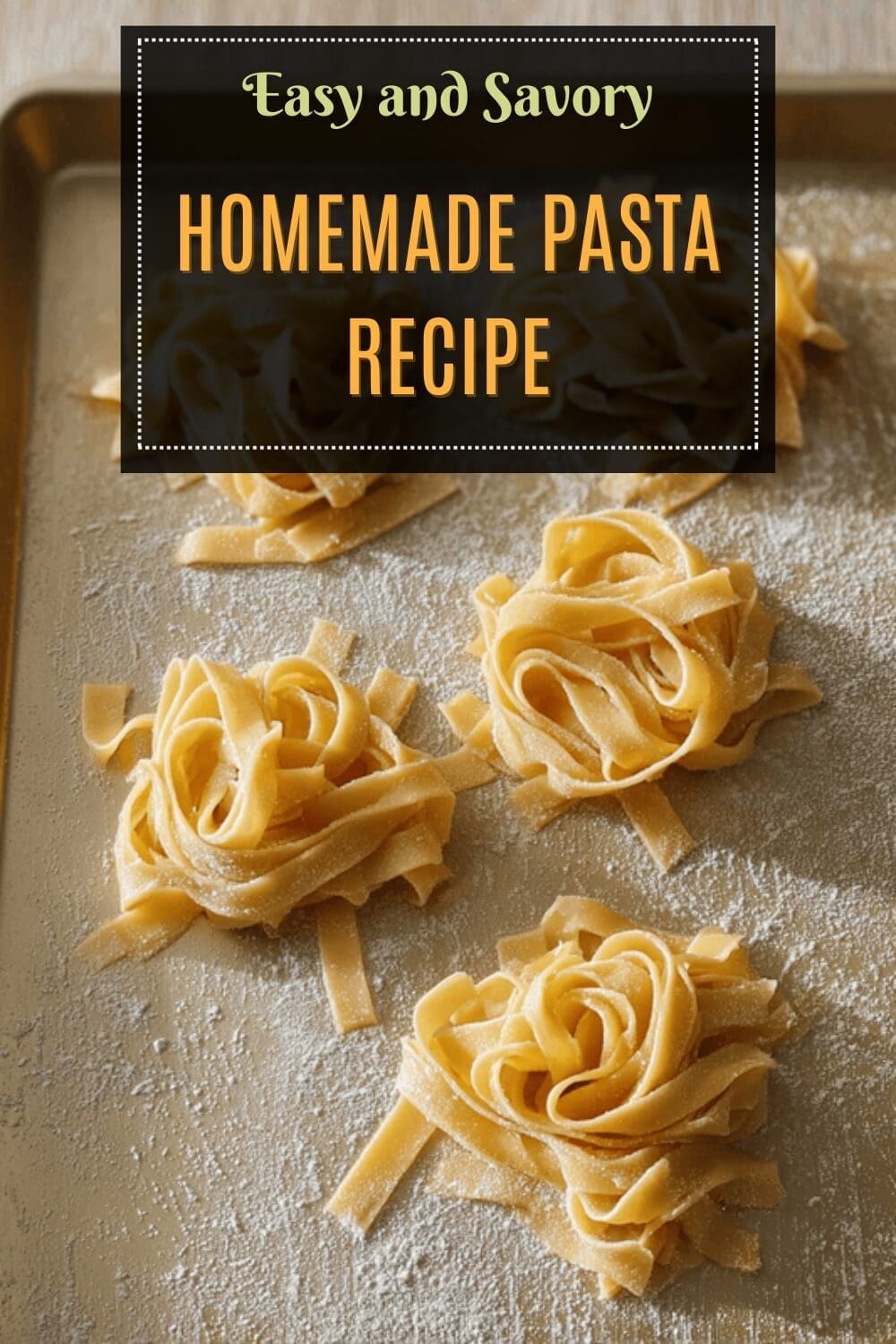
Presentation matters too, so try serving your pasta in neat nests with a drizzle of olive oil and fresh herbs for an elegant look. If you’re prepping ahead, make the dough and freeze it for later, keeping that fresh taste intact. These techniques are perfect for baking enthusiasts who also love savory dishes.
When it comes to pasta, a little extra care in kneading makes all the difference, just like perfecting a cake’s crumb.
How to Store Homemade Pasta Recipe: Best Practices
Knowing how to store your homemade pasta recipe properly keeps it fresh and ready for quick meals, which is a game-changer for working professionals. Fresh pasta can be wrapped tightly in plastic and stored in the fridge for up to 2 days, with a touch of olive oil to keep it from sticking. This method preserves the smooth texture and makes reheating a breeze.
For longer storage, freeze the uncooked pasta on parchment paper before sealing it in bags, where it can last up to 2 months. When you’re ready to use it, cook from frozen or give cooked pasta a quick sauté to refresh its flavor. Meal prep like this helps busy parents and students save time without sacrificing quality.
FAQs: Frequently Asked Questions About Homemade Pasta Recipe
How do I make homemade pasta dough from scratch?
What type of flour is best for making homemade pasta?
How long should I cook fresh homemade pasta compared to dried pasta?
Can I store homemade pasta dough, and how long does it last?
How can I prevent my homemade pasta from sticking together when cooking?

Homemade Pasta Recipe
🍝 Enjoy the fresh flavor and delicate texture of homemade pasta made from simple ingredients.
🥄 This recipe guides you through easy steps to create authentic pasta from scratch, perfect for any meal.
- Total Time: 1 hour 2 minutes
- Yield: 4 servings 1x
Ingredients
2 cups all-purpose flour Forms the base and gives the dough its structure
3 eggs Adds richness and helps bind the mixture together
½ tablespoon olive oil Keeps the dough moist and elastic for easier handling
½ teaspoon salt Brings out the flavors and balances the taste perfectly
Instructions
1-Getting started with this homemade pasta recipe: First, make sure you have all your ingredients measured and ready, like placing the flour on a clean surface to form a nest. This approach keeps things organized and fun, just like baking a favorite cake on a lazy afternoon.
2-On a clean surface, put the flour in a nest shape and add the eggs, olive oil, and salt right in the center. Use a fork to break up the eggs while keeping the flour walls in place, then mix it all together with your hands until you get a shaggy ball. Knead that dough for 8 to 10 minutes until it’s smooth, adding a sprinkle of water if it’s dry or more flour if it’s sticky, as the tips recommend.
3-Once kneaded, shape the dough into a ball, wrap it in plastic, and let it rest for 30 minutes at room temperature. This rest helps the dough become easier to roll out, just like letting bread dough rise. Then, divide it into four pieces, flatten each into a disk, and run them through a pasta maker starting at the widest setting three times.
4-After the initial rolls, fold the dough into a rectangle and continue through thinner settings up to level 6, as per your pasta maker’s guide. Lay the sheets on floured baking sheets, sprinkle more flour on top, and fold them to avoid sticking. Cut into your favorite shapes and cook in boiling salted water for 1 to 2 minutes until al dente, which is quicker than dried pasta and perfect for fresh flavor.
Last Step:
Please leave a rating and comment letting us know how you liked this recipe! This helps our business to thrive and continue providing free, high-quality recipes for you.Notes
🍞 Regular all-purpose flour works well; specialty flours aren’t necessary.
⏳ Kneading time is key to achieving the perfect dough consistency.
💧 Add water or flour gradually to adjust dough moisture while kneading.
- Prep Time: 30 minutes
- Dough Resting: 30 minutes
- Cook Time: 2 minutes
- Category: Pasta
- Method: Kneading, Rolling, Boiling
- Cuisine: Italian
- Diet: Vegetarian
Nutrition
- Serving Size: 1 serving