Why You’ll Love This Japanese Pancakes
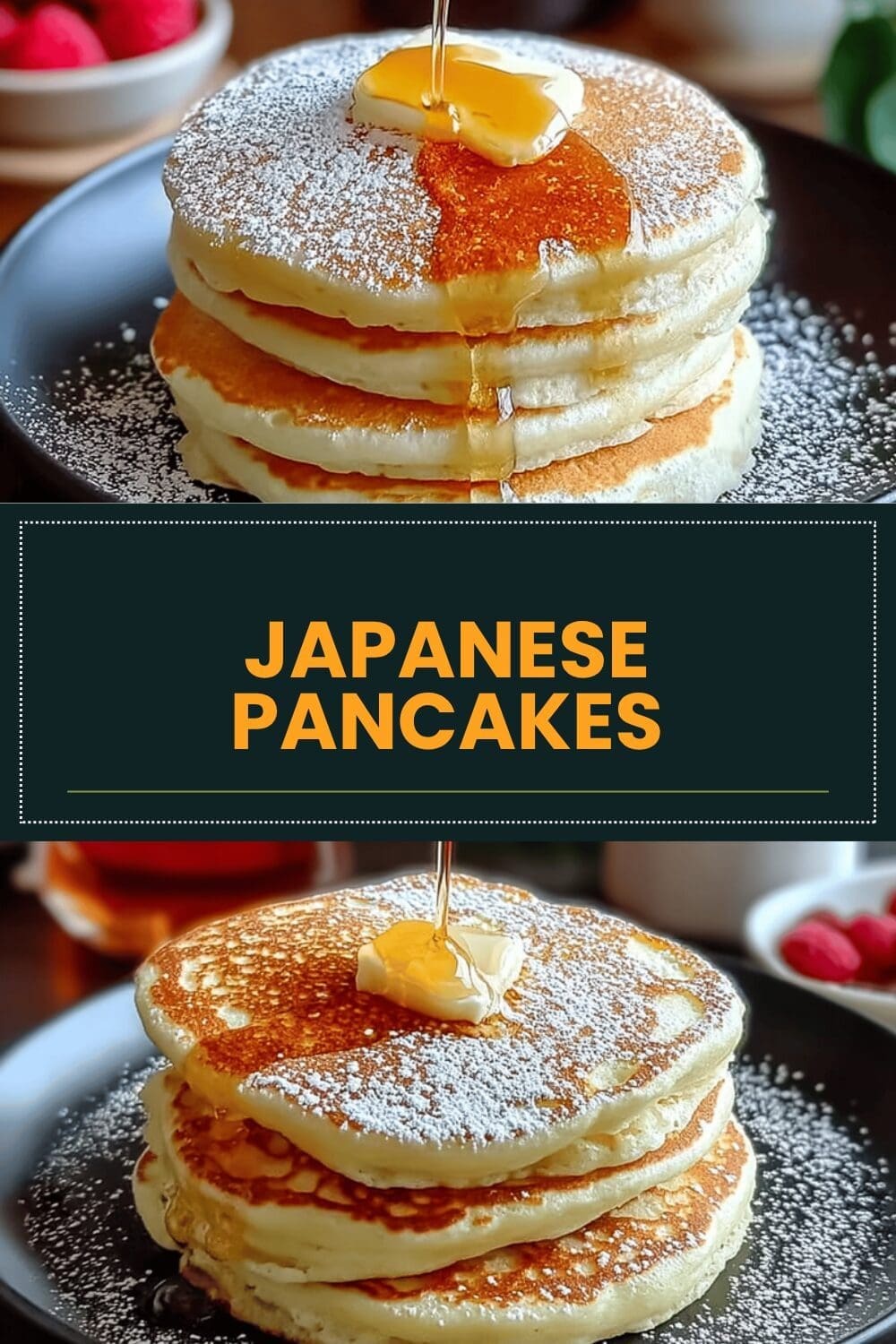
Imagine starting your day with tall, fluffy stacks that taste like a mix of clouds and magic this recipe for Japanese pancakes is just that fun. These aren’t your average flapjacks; they’re light, airy, and simple to make, turning a regular morning into something special. With just a short time in the kitchen, you’ll have a dish that feels both easy and impressive, perfect for anyone from busy parents to baking lovers looking for a quick treat.
One big plus is how straightforward the steps are, using basic items you likely have on hand. This means less stress and more enjoyment, whether you’re a student rushing out the door or a senior easing into the day. You’ll love how these pancakes provide a satisfying meal that keeps you going, making them ideal for food enthusiasts who appreciate meals that balance taste and ease.
Reasons to Try It Today
These Japanese pancakes stand out for their health perks, too. Packed with protein from eggs and nutrients from fresh add-ins, they offer a boost that supports your energy levels without the heavy feel. For diet-conscious folks or working pros, swapping ingredients can make them fit your needs, like going gluten-free or lighter options.
Plus, the flavor? It’s that gentle sweetness and soft bite that sets them apart, turning simple ingredients into pure joy. Whether you’re a newlywed sharing a cozy breakfast or a traveler craving comfort food, this recipe adapts beautifully and brings smiles all around.
- Quick prep for busy schedules
- Nutritious and adaptable
- Fun flavors for everyone
The best part is how versatile they are, fitting into any lifestyle from family brunches to solo treats. Once you try them, you’ll see why they’re a go-to favorite in my kitchen, just like the classics on this blog. For more ideas on breakfast favorites, check out our guide to even fluffier versions that pair perfectly with these.
Jump to:
- Why You’ll Love This Japanese Pancakes
- Reasons to Try It Today
- Essential Ingredients for Japanese Pancakes
- Full Ingredients List
- How to Prepare the Perfect Japanese Pancakes: Step-by-Step Guide
- Step-by-Step Directions
- Dietary Substitutions to Customize Your Japanese Pancakes
- Mastering Japanese Pancakes: Advanced Tips and Variations
- Pro Tips for Better Results
- How to Store Japanese Pancakes: Best Practices
- FAQs: Frequently Asked Questions About Japanese Pancakes
- Why do Japanese pancakes turn out flat instead of fluffy?
- How can I keep my Japanese pancakes from deflating after cooking?
- What is the best way to separate eggs for whipping egg whites in Japanese pancakes?
- Why is it important to fold the meringue into the batter gently?
- Can I make Japanese pancakes without a special ring mold?
- Japanese Pancakes
- Ingredients
- Instructions
- Last Step:
- Notes
- Nutrition
- Did you make this recipe?
Essential Ingredients for Japanese Pancakes
Gathering the right ingredients is key to nailing these fluffy Japanese pancakes, and I’ve got the exact list to make it simple. This recipe keeps things basic yet precise, ensuring your pancakes rise tall and taste amazing. Below is a full breakdown of each item with measurements, so you can shop and measure with ease.
Full Ingredients List
- 1 egg yolk (18g)
- 1 tablespoon sugar (12g) for yolks
- 1.5 tablespoons sugar (18g) for whites
- 2 tablespoons milk (30g)
- 3 tablespoons flour (30g)
- 1/4 teaspoon baking powder (1g)
- 2 large egg whites (60g)
- 1/8 teaspoon cream of tartar (0.4g)
Each of these plays a role in creating that signature light texture, from the egg yolk for richness to the cream of tartar for stable whites. If you’re new to baking, remember that fresh ingredients make a difference, just like in my favorite cake recipes.
How to Prepare the Perfect Japanese Pancakes: Step-by-Step Guide
Let’s dive into making these fluffy wonders step by step it’s easier than you think and ready in no time. Start by setting up your space with all the ingredients measured out, just like I do for my go-to cakes. This keeps everything smooth and fun, even if you’re a busy parent juggling morning routines.
Step-by-Step Directions
- Whisk the egg yolk with 1 tablespoon sugar until it turns pale and frothy; this creates a strong base for your batter.
- Gradually mix in the milk to keep the mixture even and smooth.
- Sift the flour and baking powder over the yolk mix, then whisk well until everything combines nicely.
- Whip the egg whites with cream of tartar until frothy and pale, adding 1.5 tablespoons sugar slowly until you get stiff, glossy peaks; be careful not to overbeat.
- Fold one-third of the whipped egg whites into the yolk mixture until fully mixed in.
- Gently whisk in half of the remaining whites, then add the batter to the rest of the egg whites and fold it all together using a spatula.
- Heat a large non-stick pan over very low heat and lightly brush it with oil.
- Pour the batter onto the pan for one or two pancakes at a time, cover, and cook for 4-5 minutes.
- Remove the lid, add more batter on top of each pancake, cover again, and cook for another 4-5 minutes.
- Carefully stack any remaining batter on top, flip the pancakes, cover, and cook for 5-6 minutes until golden and done.
- Serve right away with toppings like powdered sugar, butter, whipped cream, or maple syrup for that extra touch.
The whole process takes about 15 minutes to prep and 15 minutes to cook, for a total of 30 minutes perfect for quick meals. Remember, tips like using room temperature eggs can make your pancakes even better, and for more tweaks, check out our basics for perfect cakes that apply here too.

Dietary Substitutions to Customize Your Japanese Pancakes
One of the best things about this recipe is how easy it is to tweak for different needs, whether you’re vegan or watching calories. These swaps let you enjoy the same fluffy goodness without missing a beat, making it a hit for food enthusiasts and busy folks alike.
- Swap eggs for flaxseed mixtures or silken tofu to keep things plant-based.
- Use gluten-free flour like almond flour, though it might change the fluff a bit.
- Opt for stevia instead of sugar and low-fat milk for a lighter version.
This flexibility means everyone from travelers to seniors can join in, adding their own spin like matcha for a fun twist.
Mastering Japanese Pancakes: Advanced Tips and Variations
Once you’re comfortable with the basics, leveling up your Japanese pancakes is all about smart techniques and creative ideas. Using a ring mold in the pan helps get that tall, perfect shape, while keeping the heat low ensures they cook through without burning.
Pro Tips for Better Results
Flavor variations can include adding matcha powder or fresh fruits to the batter for exciting tastes. Presentation is key too stack them high and top with powdered sugar for a wow factor that impresses at any gathering.
- Cook on low heat with a lid to lock in moisture.
- Prepare batter ahead and store in the fridge for busy mornings.
- Experiment with herbs or extracts for new flavors.
These pancakes might deflate a little after cooking, so enjoy them fresh, just like my favorite cakes straight from the oven.
How to Store Japanese Pancakes: Best Practices
Keeping your Japanese pancakes fresh doesn’t have to be tricky, and with a few simple steps, you can save leftovers for later. Store them in an airtight container in the fridge for up to 2 days to maintain that soft texture.
- Freeze layers with parchment paper in between for up to a month.
- Reheat in a toaster or microwave with a damp towel to keep them moist.
- Plan ahead by making batches for easy meals on the go.
This way, even working professionals can have a quick breakfast ready.
FAQs: Frequently Asked Questions About Japanese Pancakes
Why do Japanese pancakes turn out flat instead of fluffy?
How can I keep my Japanese pancakes from deflating after cooking?
What is the best way to separate eggs for whipping egg whites in Japanese pancakes?
Why is it important to fold the meringue into the batter gently?
Can I make Japanese pancakes without a special ring mold?

Japanese Pancakes
🥞 These Japanese Pancakes offer an irresistibly fluffy souffle texture that transforms your breakfast into a special occasion.
🍽️ Light and airy, they pair perfectly with sweet toppings for a delightful and satisfying treat.
- Total Time: 30 minutes
- Yield: 2–3 pancakes (1–2 servings) 1x
Ingredients
1 egg yolk (18g)
1 tablespoon sugar (12g) for yolks
1.5 tablespoons sugar (18g) for whites
2 tablespoons milk (30g)
3 tablespoons flour (30g)
1/4 teaspoon baking powder (1g)
2 large egg whites (60g)
1/8 teaspoon cream of tartar (0.4g)
Instructions
1- Whisk the egg yolk with 1 tablespoon sugar until it turns pale and frothy; this creates a strong base for your batter.
2- Gradually mix in the milk to keep the mixture even and smooth.
3- Sift the flour and baking powder over the yolk mix, then whisk well until everything combines nicely.
4- Whip the egg whites with cream of tartar until frothy and pale, adding 1.5 tablespoons sugar slowly until you get stiff, glossy peaks; be careful not to overbeat.
5- Fold one-third of the whipped egg whites into the yolk mixture until fully mixed in.
6- Gently whisk in half of the remaining whites, then add the batter to the rest of the egg whites and fold it all together using a spatula.
7- Heat a large non-stick pan over very low heat and lightly brush it with oil.
8- Pour the batter onto the pan for one or two pancakes at a time, cover, and cook for 4-5 minutes.
9- Remove the lid, add more batter on top of each pancake, cover again, and cook for another 4-5 minutes.
10- Carefully stack any remaining batter on top, flip the pancakes, cover, and cook for 5-6 minutes until golden and done.
11- Serve right away with toppings like powdered sugar, butter, whipped cream, or maple syrup for that extra touch.
Last Step:
Please leave a rating and comment letting us know how you liked this recipe! This helps our business to thrive and continue providing free, high-quality recipes for you.Notes
🥚 Use room temperature eggs for best results.
🍽️ Whip egg whites in clean, grease-free stainless steel or glass bowls.
🧈 Cook on very low heat with a lid to retain moisture and achieve fluffiness.
- Prep Time: 15 minutes
- Cook Time: 15 minutes
- Category: Breakfast
- Method: Pan-frying
- Cuisine: Japanese
- Diet: Vegetarian
Nutrition
- Serving Size: 1-2 pancakes
- Calories: 303 kcal
- Sugar: 32 g
- Sodium: 91 mg
- Fat: 5.5 g
- Saturated Fat: 2 g
- Trans Fat: 0 g
- Carbohydrates: 51.3 g
- Fiber: 0.7 g
- Protein: 13.3 g
- Cholesterol: 212 mg