Why You’ll Love This Korean Naengmyeon
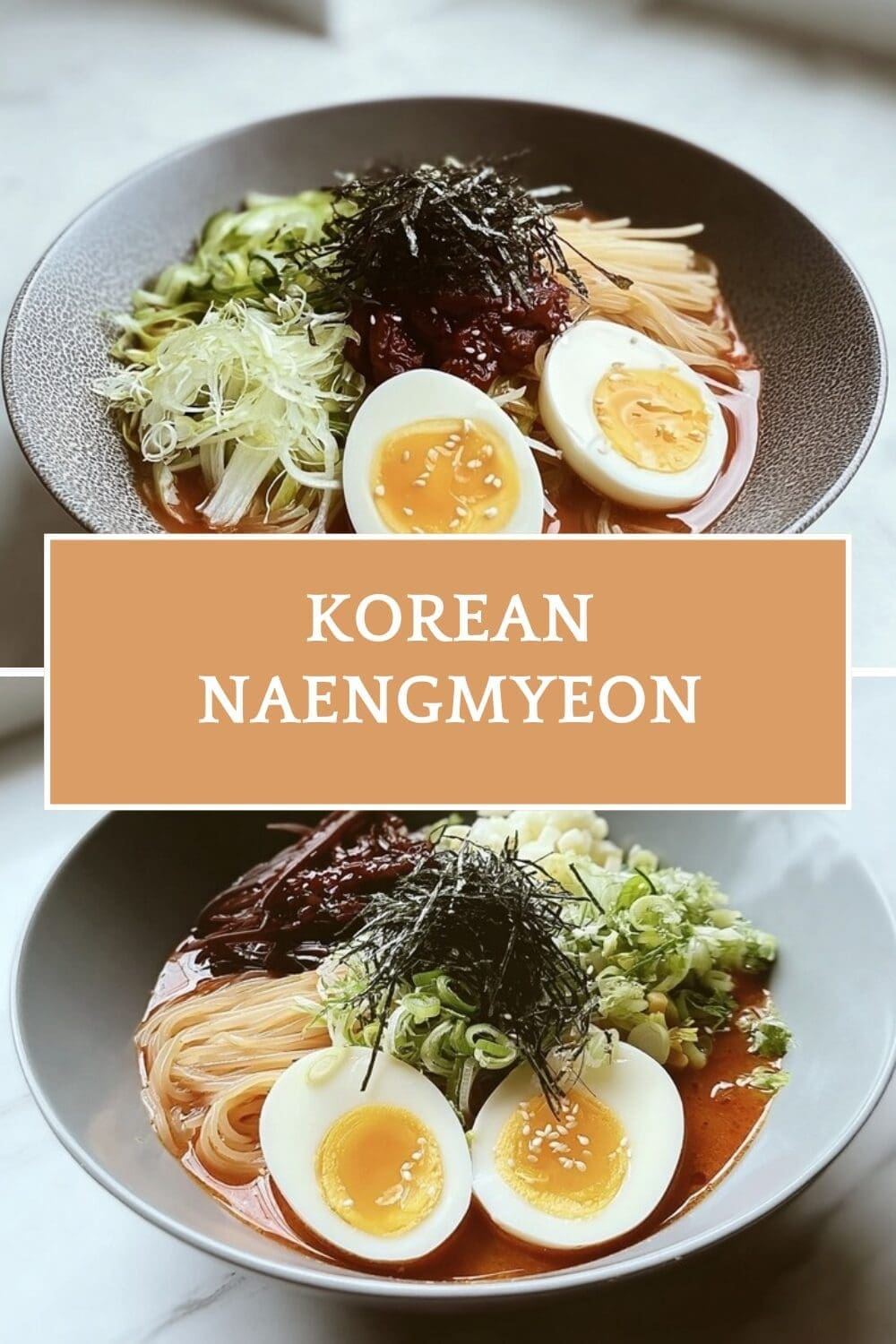
Korean Naengmyeon, often called Mul-naengmyeon, is a refreshing cold noodle dish served in chilled broth. It is popular year-round, but it shines most in summer when you want something light, cooling, and satisfying. The thin, chewy buckwheat noodles float in icy, tangy soup, usually built on fermented radish kimchi brine and beef stock, or a simpler packet version brightened with pear juice and cucumber pickle brine.
Here are the reasons this Korean Naengmyeon recipe works so well for home cooks:
- Ease of preparation: You can make the quick packet version in under 1 hour, and the noodle cook time is only 3 to 5 minutes.
- Health benefits: Buckwheat noodles, cucumber, and pear add hydration, fiber, and naturally refreshing flavor. You can also choose lighter broth styles if you prefer.
- Versatility: Swap the broth method for vegan or make a traditional beef version with optional lean beef garnish.
- Distinctive flavor: Cucumber brine and pear juice create a sweet-tang balance, while mustard oil adds a sharp, aromatic finish.
Best part: you serve it chilled and slushy, so the flavors taste brighter and the noodles stay pleasantly chewy.
If you also love noodle dinners that feel comforting but not heavy, you might enjoy this Vietnamese noodle soup style of pairing fresh toppings with chilled or lightly warm broth.
Jump to:
- Why You’ll Love This Korean Naengmyeon
- Essential Ingredients for Korean Naengmyeon
- Main ingredients (2 servings)
- Special dietary options
- How to Prepare the Perfect Korean Naengmyeon: Step-by-Step Guide
- Step-by-step instructions
- Timing cheat sheet
- Broth variations (choose one)
- Variation 1: Anchovy-mushroom-kelp stock
- Variation 2: Traditional beef brisket broth
- Dietary Substitutions to Customize Your Korean Naengmyeon
- Protein and main component alternatives
- Vegetable, sauce, and seasoning modifications
- Mastering Korean Naengmyeon: Advanced Tips and Variations
- Pro cooking techniques
- Flavor variations to try
- Presentation tips
- Make-ahead options for busy schedules
- How to Store Korean Naengmyeon: Best Practices
- Refrigeration
- Freezing
- Reheating
- Meal prep considerations
- FAQs: Frequently Asked Questions About Korean Naengmyeon
- What is mul naengmyeon?
- How do you cook naengmyeon noodles?
- How do you make mul naengmyeon broth at home?
- What garnishes go on mul naengmyeon?
- What are substitutes for mul naengmyeon ingredients?
- Korean Naengmyeon
- Ingredients
- Instructions
- Last Step:
- Notes
- Nutrition
- Did you make this recipe?
Essential Ingredients for Korean Naengmyeon
Below are the ingredients for 2 servings of Korean Naengmyeon (Mul-naengmyeon). This version uses a concentrated broth packet method, plus quick-pickled cucumber and pear.
Main ingredients (2 servings)
- 10 ounces buckwheat noodles – Thin, chewy noodles that hold their springy texture in icy broth
- 2 packets concentrated broth (liquid or powdered) – Forms the chilled broth base quickly
- 2 packets mustard oil – Adds signature aroma and savory brightness
- ½ English cucumber, cut into thin strips – Quick-pickled for crunch and tang
- 1 or 2 Bosc or Korean pears – Adds natural sweetness and juice for balance
- ½ teaspoon kosher salt – Used for quick-pickling cucumbers and to season the overall flavor
- 1½ teaspoons sugar – Softens sharp flavors and helps the brine taste pleasantly sweet-tangy
- 1 tablespoon white or apple cider vinegar – Brings acidity to the cucumber pickle brine
- 1 hard-boiled egg, cut into halves – Creamy garnish that rounds out the meal
- 2 tablespoons toasted sesame seeds, ground – Adds nutty depth and classic Korean noodle aroma
- Ice cubes (2½ cups if using quick method; additional for serving) – Creates that icy, slushy experience
- 4 cups water (for broth; or 2 cups water if using ice cubes) – Dilutes broth packets and chills the soup
Special dietary options
- Vegan: Use vegan concentrated broth packets, skip the hard-boiled egg, and add extra tofu slices or mushrooms for protein. For broth from scratch, use the anchovy-mushroom-kelp style (only if your version is vegan-friendly).
- Gluten-free: Choose certified gluten-free buckwheat noodles and confirm your concentrated broth packets are gluten-free.
- Low-calorie: Keep garnish portions smaller, use extra cucumber and pear slices, and choose a lighter broth approach with less fat and fewer rich add-ons.
Quick note: Korean Naengmyeon (Mul-naengmyeon) is typically served year-round in chilled broth, so chilling is part of the recipe, not an optional step.
How to Prepare the Perfect Korean Naengmyeon: Step-by-Step Guide
There are two good paths here: the quick packet method, or stock-based variations that take longer. Below is the packet method for speed, plus notes on the broth variations as you go.
Step-by-step instructions
- First Step: Make and chill the broth base. Dissolve 2 packets concentrated broth in 4 cups water. If you want the quick method, dissolve the packets in 2 cups water and add 2½ cups ice cubes instead. Mix well, then chill in the freezer until slushy.
- Second Step: Quick-pickle the cucumber strips. In a bowl, mix the ½ English cucumber with ½ teaspoon kosher salt, 1½ teaspoons sugar, and 1 tablespoon white or apple cider vinegar. Let it sit while you prep the pears and noodles so the flavors mingle.
- Third Step: Prep the pears for sweet-tangy balance. Peel and slice the pears. Soak some slices in sugar water to help prevent browning. Grate the remaining pears for juice, then reserve the juice to flavor the broth.
- Fourth Step: Combine pear and cucumber brine into the broth. Add the cucumber brine to the slushy broth. Stir in the pear juice. Mix again, then return it to the freezer briefly if it needs to re-chill.
- Fifth Step: Boil the buckwheat noodles until tender but chewy. Bring water to a boil and cook the noodles for 3 to 5 minutes. Taste one strand to confirm it is tender but still chewy.
- Sixth Step: Rinse thoroughly in cold water and ice water. Strain the noodles and rinse in cold and ice water to remove excess starch and stop cooking. Drain well so the bowls do not turn watery.
- Seventh Step: Assemble bowls right before serving. Divide noodles into serving bowls. Top with icy broth, then add pickled cucumber, pear slices, contents of 2 mustard oil packets, and ground sesame seeds. Finish with half of a hard-boiled egg per bowl.
- Final Step: Add extra ice and serve immediately. Add additional ice cubes if desired for extra chill, then serve right away while the broth stays icy.
Timing cheat sheet
| Task | Time | Goal |
|---|---|---|
| Chill broth (packet method) | Freezer time until slushy | Near-freezing, slushy broth |
| Pickle cucumbers | While you prep other items | Crunch with sweet-tang flavor |
| Cook noodles | 3 to 5 minutes | Chewy center, not soft |
| Rinse and drain | 2 to 4 minutes | Stop cooking and reduce starch |
Tip for chewy noodles: don’t overcook. Buckwheat noodles firm up further when chilled.
Broth variations (choose one)
If you have more time or want a deeper, more traditional flavor, try one of these Korean Naengmyeon broth styles.
Variation 1: Anchovy-mushroom-kelp stock
- Boil 4 cups water with dried anchovies, dried shiitake mushrooms, and dried kelp for 40 minutes.
- Strain, chill until slushy, and proceed with pear juice and cucumber brine steps.
Variation 2: Traditional beef brisket broth
- Boil beef brisket in water for nearly 2 hours, then cool.
- Combine 2 to 3 cups stock with dongchimi (radish kimchi) brine, salt, and sugar; freeze.
- Garnish with beef slices.
Traditional broth can require hours of simmering plus 4 to 5 days for dongchimi fermentation. Quick packet version, on the other hand, takes under 1 hour.
If you like recipes that help stretch flavor with smart prep, you may also enjoy portable pizza oven ideas for meal planning and feeding a crowd.

Dietary Substitutions to Customize Your Korean Naengmyeon
Korean Naengmyeon is forgiving as long as you keep the chilled broth concept and the sweet-tang balance. Swap ingredients confidently, then taste and adjust the brine and fruit juice to keep the flavor in the same lane.
Protein and main component alternatives
- No egg: Skip the hard-boiled egg for a lighter bowl. Add tofu slices or extra sesame if you want more satiety.
- Lean beef preference: Use thinly sliced lean beef as a garnish in the traditional variation.
- Vegan: Use a vegan-friendly broth base and replace egg with tofu or mushrooms. You can also keep the garnish bright with cucumber, pears, and sesame.
- Noodle swaps: Buckwheat noodles are best for the signature chewy texture. If unavailable, use rice vermicelli, but expect a softer bite.
Vegetable, sauce, and seasoning modifications
- Cucumber: If English cucumber is not available, use another mild cucumber and slice thin to keep crunch.
- Pear: Bosc or Korean pears are ideal for juice. If you only have another pear type, use 1 to 2 pears and taste the sweetness.
- Mustard oil: If you cannot find mustard oil packets, mix mustard powder with water and let it rest 10 minutes before adding.
- Brine flavor: If you need a different tang, adjust vinegar amounts slightly and rely on pear juice to keep the sweet-tang balance.
Keep the core formula: icy broth plus chewy noodles plus crunchy cucumber plus sweet pear. Then everything else is flexible.
Mastering Korean Naengmyeon: Advanced Tips and Variations
Once you nail the basics, the fun part begins. You can improve texture, boost aroma, and make the bowl feel special for guests or busy weeknights.
Pro cooking techniques
- Chill the broth properly: Your goal is slushy, not just cold. For best refreshment, chill broth until it feels icy and thick.
- Rinse like you mean it: Cold and ice water rinsing removes excess starch so the noodles don’t turn gummy.
- Drain well: Excess water makes the soup dilute. Drain noodles before assembling bowls.
- Season in layers: Cucumber brine and pear juice bring balance, while mustard oil adds aroma at the end.
Flavor variations to try
- More savory broth: Use the anchovy-mushroom-kelp stock variation for deeper umami.
- More traditional punch: Try the traditional beef brisket broth and dongchimi brine approach.
- Extra crunch: Add more thin cucumber strips or thin radish pickles if you have them.
- Fruit balance: If it tastes too tangy, add a touch more sugar. If it tastes too sweet, add a small splash more vinegar.
Presentation tips
In Korean Naengmyeon, the bowl should look as cool and crisp as it tastes. Arrange cucumber and pears neatly on top. Place the egg halves so the yolk faces upward, then sprinkle sesame seeds across the center.
Make-ahead options for busy schedules
- Prep the broth early: Make broth and chill it until slushy. Keep it cold until you assemble.
- Pickle cucumbers ahead: You can quick-pickle a few hours before cooking noodles.
- Cook noodles last: Cook, rinse, and assemble close to serving time so the noodles stay chewy.
How to Store Korean Naengmyeon: Best Practices
Korean Naengmyeon is best right after assembling, but you can still store parts safely. Plan to store noodles and broth separately when possible so texture stays pleasant.
Refrigeration
- Broth: Store in a sealed container in the refrigerator for up to 2 days.
- Noodles: Store boiled noodles in the fridge for up to 1 day, rinsed and drained well. Add a tiny bit of cold water if they feel sticky, then drain again.
Freezing
- Broth: Freeze broth for longer storage. For the packet version, chilling until slushy is similar to what you want before serving.
- Quality note: Noodles can soften if frozen, so it is better to freeze only the broth.
Reheating
Do not reheat mul naengmyeon. It is meant to be cold. Instead, thaw broth in the fridge and keep the noodles chilled.
Meal prep considerations
- Cook and rinse noodles, then store them cold.
- Store pickled cucumber separately so it stays crisp.
- Assemble bowls just before eating for the best “icy broth” texture.
FAQs: Frequently Asked Questions About Korean Naengmyeon
What is mul naengmyeon?
How do you cook naengmyeon noodles?
How do you make mul naengmyeon broth at home?
What garnishes go on mul naengmyeon?
What are substitutes for mul naengmyeon ingredients?

Korean Naengmyeon
🍜 Refreshing Mul Naengmyeon: chewy buckwheat noodles in icy, tangy chilled broth with crisp cukes and sweet pear – perfect hydrating summer cooler.
🥶 Light Korean classic ready in under an hour, customizable with mustard oil aroma and sesame crunch for guilt-free noodle bliss anytime!
- Total Time: 55 minutes
- Yield: 2 servings
Ingredients
– 10 ounces buckwheat noodles
– 2 packets concentrated broth (liquid or powdered)
– 2 packets mustard oil
– ½ English cucumber, cut into thin strips
– 1 or 2 Bosc or Korean pears
– ½ teaspoon kosher salt
– 1½ teaspoons sugar
– 1 tablespoon white or apple cider vinegar
– 1 hard-boiled egg, cut into halves
– 2 tablespoons toasted sesame seeds, ground
– Ice cubes (2½ cups if using quick method; additional for serving)
– 4 cups water (for broth; or 2 cups water if using ice cubes)
Instructions
1-First Step: Make and chill the broth base. Dissolve 2 packets concentrated broth in 4 cups water. If you want the quick method, dissolve the packets in 2 cups water and add 2½ cups ice cubes instead. Mix well, then chill in the freezer until slushy.
2-Second Step: Quick-pickle the cucumber strips. In a bowl, mix the ½ English cucumber with ½ teaspoon kosher salt, 1½ teaspoons sugar, and 1 tablespoon white or apple cider vinegar. Let it sit while you prep the pears and noodles so the flavors mingle.
3-Third Step: Prep the pears for sweet-tangy balance. Peel and slice the pears. Soak some slices in sugar water to help prevent browning. Grate the remaining pears for juice, then reserve the juice to flavor the broth.
4-Fourth Step: Combine pear and cucumber brine into the broth. Add the cucumber brine to the slushy broth. Stir in the pear juice. Mix again, then return it to the freezer briefly if it needs to re-chill.
5-Fifth Step: Boil the buckwheat noodles until tender but chewy. Bring water to a boil and cook the noodles for 3 to 5 minutes. Taste one strand to confirm it is tender but still chewy.
6-Sixth Step: Rinse thoroughly in cold water and ice water. Strain the noodles and rinse in cold and ice water to remove excess starch and stop cooking. Drain well so the bowls do not turn watery.
7-Seventh Step: Assemble bowls right before serving. Divide noodles into serving bowls. Top with icy broth, then add pickled cucumber, pear slices, contents of 2 mustard oil packets, and ground sesame seeds. Finish with half of a hard-boiled egg per bowl.
8-Final Step: Add extra ice and serve immediately. Add additional ice cubes if desired for extra chill, then serve right away while the broth stays icy.
Last Step:
Please leave a rating and comment letting us know how you liked this recipe! This helps our business to thrive and continue providing free, high-quality recipes for you.Notes
❄️ Freeze broth until slushy for that signature icy, refreshing texture.
🍜 Rinse cooked noodles in ice water vigorously to achieve perfect chewiness.
🥒 Use pear juice and cuke brine in broth for balanced sweet-tangy flavor.
- Prep Time: 20 minutes
- Chilling: 30 minutes
- Cook Time: 5 minutes
- Category: Soups & Stews
- Method: Stovetop
- Cuisine: Korean
- Diet: Vegetarian
Nutrition
- Serving Size: 1 bowl
- Calories: 380 kcal
- Sugar: 12g
- Sodium: 900mg
- Fat: 10g
- Saturated Fat: 2g
- Unsaturated Fat: 8g
- Trans Fat: 0g
- Carbohydrates: 65g
- Fiber: 6g
- Protein: 12g
- Cholesterol: 93mg