Why You’ll Love This Lettuce Wraps
These Asian chicken lettuce wraps bring all the bold, savory flavors of your favorite restaurant right to your kitchen in just 30 minutes. Whether you’re looking for a quick weeknight dinner or a healthy lunch option, this recipe delivers on every front. The combination of seasoned ground chicken, crisp vegetables, and a rich homemade sauce creates a meal that satisfies without weighing you down.
- Ease of preparation: This recipe comes together in just 30 minutes total with only 10 minutes of prep work. Everything cooks in one pan or wok, which means less cleanup and more time to enjoy your meal with family.
- Health benefits: Each wrap contains only 209 calories while packing 18.7g of protein. You’ll also get a healthy dose of Vitamin C (55.2mg) and Vitamin A from the fresh vegetables, making this a nutritious choice for any meal.
- Versatility: Serve these wraps multiple ways as handheld lettuce cups, over steamed rice, tossed with noodles, or even as a salad topping. The filling works beautifully for meal prep and can be adapted for gluten-free, dairy-free, and various protein preferences.
- Distinctive flavor: The homemade sauce blends hoisin, soy sauce, sesame oil, and fresh ginger for that authentic Asian taste. Water chestnuts add a signature crunch that makes every bite satisfying and memorable.
Jump to:
- Why You’ll Love This Lettuce Wraps
- Essential Ingredients for Lettuce Wraps
- Main Filling Ingredients
- Sauce Ingredients
- To Serve
- Special Dietary Options
- How to Prepare the Perfect Lettuce Wraps: Step-by-Step Guide
- Step 1: Prepare the Homemade Sauce
- Step 2: Cook the Ground Chicken Mixture
- Step 3: Add Vegetables and Water Chestnuts
- Step 4: Add Sauce and Simmer
- Step 5: Serve Your Lettuce Wraps
- Dietary Substitutions to Customize Your Lettuce Wraps
- Protein and Main Component Alternatives
- Vegetable, Sauce, and Seasoning Modifications
- Mastering Lettuce Wraps: Advanced Tips and Variations
- Pro Cooking Techniques
- Flavor Variations
- Presentation Tips
- Make-Ahead Options
- How to Store Lettuce Wraps: Best Practices
- Refrigeration
- Freezing
- Reheating
- Meal Prep Considerations
- FAQs: Frequently Asked Questions About Lettuce Wraps
- What is the best lettuce for lettuce wraps?
- How do you cut and prepare lettuce for wraps?
- Can you make chicken lettuce wraps ahead of time?
- How do you keep lettuce wraps from falling apart?
- Can I substitute ingredients in chicken lettuce wraps for gluten-free or other diets?
- Lettuce Wraps
- Ingredients
- Instructions
- Last Step:
- Notes
- Nutrition
- Did you make this recipe?
Essential Ingredients for Lettuce Wraps
Creating delicious Asian chicken lettuce wraps starts with gathering the right ingredients. Each component plays an important role in building the layers of flavor that make this dish so irresistible. Here’s everything you need to make restaurant-quality wraps at home.
Main Filling Ingredients
- 1 pound ground chicken – The lean protein base that absorbs all the sauce flavors beautifully
- 1 tablespoon peanut oil (or olive oil/avocado oil as substitute) – Provides high-heat cooking capability and subtle nutty flavor
- ½ cup finely diced onion – Adds sweetness and aromatic depth to the filling
- ½ tablespoon minced garlic – Brings pungent, savory notes essential to Asian cooking
- 1 cup finely diced red or green bell pepper – Contributes sweetness, color, and fresh crunch
- 8 ounces drained and finely diced water chestnuts – The signature crunchy texture that defines great lettuce wraps
Sauce Ingredients
- 3 tablespoons hoisin sauce (gluten-free option recommended) – The sweet and savory foundation of the sauce
- 3 tablespoons soy sauce (or coconut aminos for soy allergy) – Adds salty umami depth
- 1 tablespoon peanut butter (any nut or seed butter as substitute for allergy) – Creates richness and helps thicken the sauce
- 1 tablespoon rice wine vinegar – Provides acidity to balance the sweetness
- 1 tablespoon sesame oil – Delivers toasted, nutty aroma and flavor
- 1 tablespoon sugar – Enhances the caramelization and rounds out flavors
- 2 teaspoons grated fresh ginger – Brings warm, spicy brightness to the dish
- ½ teaspoon garlic powder – Reinforces the fresh garlic notes
- ¼ teaspoon crushed red pepper flakes – Adds gentle heat that you can adjust to taste
To Serve
- ¼ cup crushed peanuts – For garnish and extra crunch
- ¼ cup chopped green onions – Fresh, mild onion flavor for finishing
- Lettuce leaves suitable for wraps (butterhead, green leaf, or romaine) – The crisp, refreshing vessel for your filling
Special Dietary Options
| Dietary Need | Substitutions |
|---|---|
| Gluten-free | Use gluten-free hoisin sauce and tamari or coconut aminos instead of soy sauce |
| Nut allergies | Replace peanut oil with olive oil or avocado oil; substitute peanut butter with sunflower seed butter |
| Low-sodium | Reduce soy sauce by half and use low-sodium alternatives; increase fresh ginger and garlic for flavor |
| Low-carb/Keto | Replace sugar with a sugar substitute; skip hoisin sauce and increase soy sauce with a sweetener |
According to WebMD’s guide to lettuce benefits, using fresh lettuce as your wrap not only cuts carbohydrates but also provides essential vitamins and hydration that support overall wellness.
How to Prepare the Perfect Lettuce Wraps: Step-by-Step Guide
Making Asian chicken lettuce wraps at home is easier than you might think. Follow these detailed steps to achieve restaurant-quality results every single time. The entire process takes just 30 minutes from start to finish.
Step 1: Prepare the Homemade Sauce
Start by making the sauce, which you can even do a day ahead to save time. In a medium bowl, whisk together the hoisin sauce, soy sauce, peanut butter, rice wine vinegar, sesame oil, sugar, grated fresh ginger, garlic powder, and crushed red pepper flakes. Whisk vigorously until the mixture becomes smooth and well combined.
If your peanut butter is firm from being stored in the refrigerator or cupboard, warm it slightly in the microwave for 10-15 seconds before mixing. This helps it blend seamlessly with the other sauce ingredients.
Set the sauce aside while you prepare the filling. The flavors will continue to meld together as it sits, creating an even more robust taste profile.
Step 2: Cook the Ground Chicken Mixture
Heat a large skillet or wok over medium-high heat. Add the tablespoon of peanut oil and let it warm for about 30 seconds. You’ll know the oil is ready when it shimmers slightly. Add the ground chicken, finely diced onion, and minced garlic to the hot pan.
Use a wooden spoon or spatula to break up the ground chicken into small crumbles as it cooks. This ensures even cooking and helps the meat absorb the onion and garlic flavors. Continue cooking for 5-10 minutes, stirring frequently, until the chicken is fully browned and cooked through and the onions have become translucent and fragrant.
The internal temperature of the chicken should reach 165°F for food safety. You’ll notice the meat changes from pink to white throughout with no pink spots remaining.
Step 3: Add Vegetables and Water Chestnuts
Once your chicken is properly browned, add the diced bell peppers and drained water chestnuts to the skillet. Stir everything together to combine the vegetables with the chicken mixture. Cook for approximately 5 minutes, stirring occasionally.
The bell peppers should soften slightly but still maintain some of their crunch. The water chestnuts provide that signature crisp texture that makes lettuce wraps so satisfying, so be careful not to overcook them. You want them to retain their characteristic snap when you bite into them.
During this step, the vegetables release some natural juices that help deglaze the pan, incorporating all those flavorful browned bits from the bottom of the skillet.
Step 4: Add Sauce and Simmer
Pour the prepared sauce over the chicken and vegetable mixture in the skillet. Use a spatula to scrape every bit of sauce from your bowl. Stir thoroughly to ensure every piece of chicken and vegetable gets coated with the flavorful sauce.
Reduce the heat to low and let the mixture simmer gently. The sauce will begin to thicken as it cooks, creating a glossy coating that clings to the filling. This typically takes 3-5 minutes. You can tell it’s ready when the sauce has reduced slightly and the mixture looks cohesive rather than soupy.
Remove the skillet from heat once the filling reaches your desired consistency. The sauce will continue to thicken slightly as it cools.
Step 5: Serve Your Lettuce Wraps
Transfer the hot filling to a serving bowl or platter. Arrange your prepared lettuce leaves on a separate plate. Set out bowls of crushed peanuts and chopped green onions for garnish so everyone can customize their own wraps.
To assemble, simply spoon about ¼ to ⅓ cup of filling into the center of a lettuce leaf, top with crushed peanuts and green onions, fold the sides inward, and enjoy immediately while still warm.
For a complete meal, serve the filling over steamed jasmine rice, rice noodles, or even atop a fresh Asian salad. Many families find that kids prefer the filling served over rice rather than in lettuce wraps, making this recipe versatile for different preferences.
If you enjoy Asian-inspired dishes, you might also love trying our mango chicken recipe for another flavorful dinner option.

Dietary Substitutions to Customize Your Lettuce Wraps
One of the best things about this lettuce wraps recipe is how easily it adapts to different dietary needs and preferences. Whether you’re cooking for someone with food allergies, following a specific diet, or simply want to use what’s in your pantry, these substitutions have you covered.
Protein and Main Component Alternatives
Ground chicken works wonderfully in this recipe, but several other proteins can create equally delicious results. Ground turkey makes an excellent lean alternative with a similar texture and milder flavor that absorbs the sauce beautifully. Ground pork offers a richer taste and slightly higher fat content for those who prefer more indulgent wraps.
For a heartier option, try using finely diced chicken breast instead of ground chicken. Cook it the same way, just allow a few extra minutes for the pieces to cook through completely. Shrimp also works well use small, chopped shrimp and reduce the cooking time to 3-4 minutes to avoid overcooking.
Vegetarians and vegans can substitute the chicken with crumbled firm tofu or a plant-based ground meat alternative. Press the tofu to remove excess moisture before crumbling and cooking. Another option is using a mixture of finely chopped mushrooms and walnuts, which creates a surprisingly meaty texture and earthy flavor profile.
Vegetable, Sauce, and Seasoning Modifications
The vegetable base can be customized based on what you have available or your family’s preferences. Finely diced carrots add natural sweetness and extra color. Chopped mushrooms contribute umami flavor and a meatier texture. Bamboo shoots can replace or supplement the water chestnuts for additional crunch.
For the sauce, those with soy allergies can use coconut aminos as a direct 1:1 substitute. It provides a similar salty, umami flavor with a slightly sweeter note. If hoisin sauce isn’t available, you can make a quick substitute by mixing soy sauce, peanut butter, and a touch of molasses or brown sugar.
Adjust the heat level by increasing the crushed red pepper flakes for spicier wraps or omitting them entirely for a milder version that kids typically prefer. Fresh chili peppers can also be added during the cooking process for those who enjoy more intense heat.
For more Asian-inspired flavors, check out our Hunan chicken recipe that brings bold, spicy notes to your dinner table.
Mastering Lettuce Wraps: Advanced Tips and Variations
Once you’ve mastered the basic recipe, these advanced techniques and creative variations will help you take your lettuce wraps to the next level. These tips come from years of making this recipe and discovering what works best.
Pro Cooking Techniques
The key to restaurant-quality texture lies in how you prepare your vegetables. Finely dicing everything to a uniform size about ¼ inch ensures even cooking and consistent flavor in every bite. Use a sharp chef’s knife and take your time with the prep work. The extra effort makes a noticeable difference in the final dish.
When cooking the chicken, avoid the temptation to stir constantly. Let the meat develop a slight brown crust before breaking it up. This caramelization adds depth of flavor that you won’t get if you constantly agitate the meat. Similarly, give the vegetables a moment to develop some color before adding the sauce.
Flavor Variations
Try these delicious variations to keep things interesting. For a Thai-inspired twist, add a tablespoon of red curry paste to the sauce and top with fresh basil and lime wedges. A Korean-style variation includes a tablespoon of gochujang (Korean chili paste) and a drizzle of sesame oil before serving.
For a Korean BBQ flavor profile, increase the sugar to 2 tablespoons and add a tablespoon of mirin to the sauce. This creates a sweeter, more caramelized coating similar to Korean bulgogi. Finish with a sprinkle of sesame seeds.
Presentation Tips
Beautiful presentation makes any meal feel more special. Arrange the lettuce leaves in a circular pattern on a large platter with the cup side facing up. Place the filling in a serving bowl in the center. Create a garnish station with small bowls of crushed peanuts, sliced green onions, shredded carrots, and additional chili flakes.
For parties, set up a DIY wrap station where guests can build their own creations. Provide extra sauce on the side for those who like theirs extra saucy. This interactive approach makes the meal more engaging and lets everyone customize to their taste.
Make-Ahead Options
Smart prep makes weeknight cooking much easier. The sauce can be made up to 5 days in advance and stored in an airtight container in the refrigerator. Vegetables can be diced up to 2 days ahead and kept in separate containers. The cooked filling freezes beautifully for up to 2 months simply thaw overnight in the refrigerator and reheat gently before serving.
According to nutritional information for chicken wraps, this recipe provides a balanced meal that fits well into most healthy eating plans while delivering satisfying flavor.
How to Store Lettuce Wraps: Best Practices
Proper storage ensures you can enjoy your lettuce wraps for days after cooking without sacrificing flavor or texture. The key is storing components separately and following these guidelines.
Refrigeration
Store leftover filling in an airtight container in the refrigerator for up to 5 days. Keep the lettuce leaves separate in a sealed container lined with paper towels to absorb excess moisture. The paper towels should be replaced every 1-2 days to keep the lettuce crisp and fresh.
Prepared but unassembled wraps will stay fresh for about 3 days when stored this way. Never store assembled wraps as the lettuce will become soggy and lose its appealing crunch.
Freezing
The chicken filling freezes exceptionally well for up to 2 months. Portion the cooled filling into freezer-safe bags or containers, leaving about an inch of headspace for expansion. Label with the date and contents. Thaw frozen filling in the refrigerator overnight before reheating gently on the stovetop with a splash of water to restore moisture.
Reheating
Reheat the filling gently in a skillet over medium-low heat, stirring occasionally. Add a tablespoon of water or broth if the mixture seems dry. Microwave reheating works in a pinch use 30-second intervals, stirring between each, until heated through. Always use fresh lettuce leaves for serving rather than trying to reheat previously used leaves.
Meal Prep Considerations
For efficient meal prep, prepare a double batch of filling on Sunday. Portion into individual containers for quick lunches throughout the week. Store washed and dried lettuce leaves separately in a container with a paper towel. This approach gives you grab-and-go meals that are both healthy and satisfying.
FAQs: Frequently Asked Questions About Lettuce Wraps
What is the best lettuce for lettuce wraps?
How do you cut and prepare lettuce for wraps?
Can you make chicken lettuce wraps ahead of time?
How do you keep lettuce wraps from falling apart?
Can I substitute ingredients in chicken lettuce wraps for gluten-free or other diets?
Lettuce Wraps
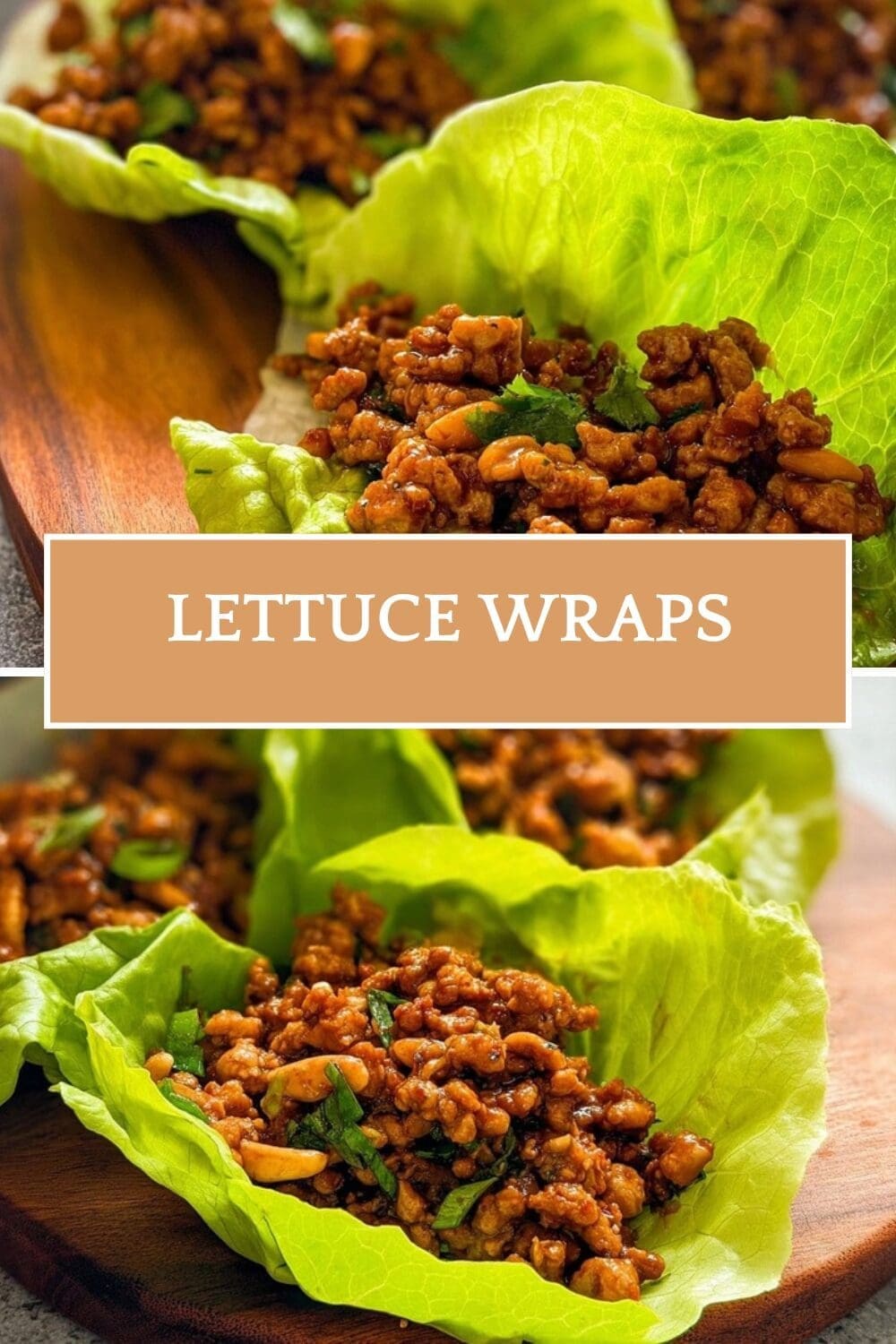
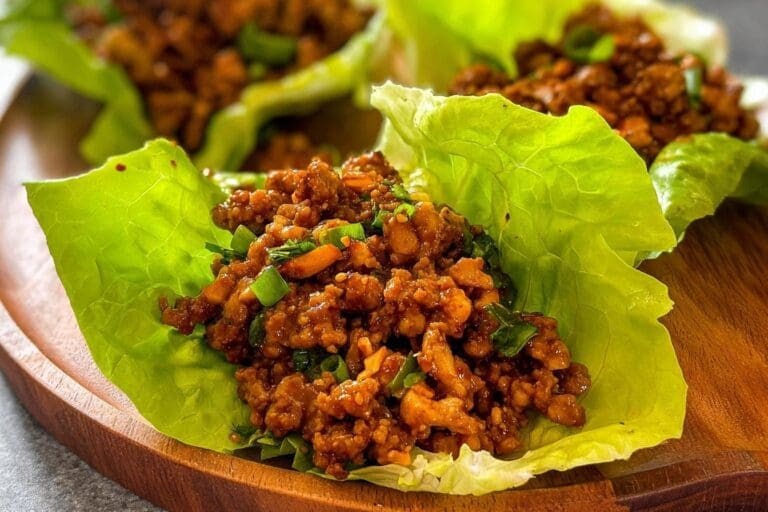
🍗🥬 Savor bold Asian flavors in fresh lettuce wraps filled with savory ground chicken – healthier, quicker, and tastier than your favorite takeout!
🌿 Low-carb, customizable, and fun to eat, these wraps are perfect for weeknight dinners, parties, or meal prep that keeps everyone coming back.
- Total Time: 30 minutes
- Yield: 8 wraps
Ingredients
– 1 pound ground chicken for lean protein base
– 1 tablespoon peanut oil (or olive oil/avocado oil as substitute) for high-heat cooking and nutty flavor
– ½ cup finely diced onion for sweetness and aromatic depth
– ½ tablespoon minced garlic for pungent savory notes
– 1 cup finely diced red or green bell pepper for sweetness color and fresh crunch
– 8 ounces drained and finely diced water chestnuts for signature crunchy texture
– 3 tablespoons hoisin sauce (gluten-free option recommended) for sweet and savory foundation
– 3 tablespoons soy sauce (or coconut aminos for soy allergy) for salty umami depth
– 1 tablespoon peanut butter (any nut or seed butter as substitute for allergy) for richness and thickening
– 1 tablespoon rice wine vinegar for acidity balance
– 1 tablespoon sesame oil for toasted nutty aroma and flavor
– 1 tablespoon sugar for caramelization and flavor rounding
– 2 teaspoons grated fresh ginger for warm spicy brightness
– ½ teaspoon garlic powder for reinforcing garlic notes
– ¼ teaspoon crushed red pepper flakes for gentle heat
– ¼ cup crushed peanuts for garnish and extra crunch
– ¼ cup chopped green onions for fresh mild onion finishing
– Lettuce leaves suitable for wraps (butterhead, green leaf, or romaine) for crisp refreshing vessel
Instructions
1-Step 1: Prepare the Homemade Sauce Start by making the sauce, which you can even do a day ahead to save time. In a medium bowl, whisk together the hoisin sauce, soy sauce, peanut butter, rice wine vinegar, sesame oil, sugar, grated fresh ginger, garlic powder, and crushed red pepper flakes. Whisk vigorously until the mixture becomes smooth and well combined. Set the sauce aside while you prepare the filling. The flavors will continue to meld together as it sits, creating an even more robust taste profile.
2-Step 2: Cook the Ground Chicken Mixture Heat a large skillet or wok over medium-high heat. Add the tablespoon of peanut oil and let it warm for about 30 seconds. You’ll know the oil is ready when it shimmers slightly. Add the ground chicken, finely diced onion, and minced garlic to the hot pan. Use a wooden spoon or spatula to break up the ground chicken into small crumbles as it cooks. This ensures even cooking and helps the meat absorb the onion and garlic flavors. Continue cooking for 5-10 minutes, stirring frequently, until the chicken is fully browned and cooked through and the onions have become translucent and fragrant. The internal temperature of the chicken should reach 165°F for food safety. You’ll notice the meat changes from pink to white throughout with no pink spots remaining.
3-Step 3: Add Vegetables and Water Chestnuts Once your chicken is properly browned, add the diced bell peppers and drained water chestnuts to the skillet. Stir everything together to combine the vegetables with the chicken mixture. Cook for approximately 5 minutes, stirring occasionally. The bell peppers should soften slightly but still maintain some of their crunch. The water chestnuts provide that signature crisp texture that makes lettuce wraps so satisfying, so be careful not to overcook them. You want them to retain their characteristic snap when you bite into them. During this step, the vegetables release some natural juices that help deglaze the pan, incorporating all those flavorful browned bits from the bottom of the skillet.
4-Step 4: Add Sauce and Simmer Pour the prepared sauce over the chicken and vegetable mixture in the skillet. Use a spatula to scrape every bit of sauce from your bowl. Stir thoroughly to ensure every piece of chicken and vegetable gets coated with the flavorful sauce. Reduce the heat to low and let the mixture simmer gently. The sauce will begin to thicken as it cooks, creating a glossy coating that clings to the filling. This typically takes 3-5 minutes. You can tell it’s ready when the sauce has reduced slightly and the mixture looks cohesive rather than soupy. Remove the skillet from heat once the filling reaches your desired consistency. The sauce will continue to thicken slightly as it cools.
5-Step 5: Serve Your Lettuce Wraps Transfer the hot filling to a serving bowl or platter. Arrange your prepared lettuce leaves on a separate plate. Set out bowls of crushed peanuts and chopped green onions for garnish so everyone can customize their own wraps. To assemble, simply spoon about ¼ to ⅓ cup of filling into the center of a lettuce leaf, top with crushed peanuts and green onions, fold the sides inward, and enjoy immediately while still warm.
Last Step:
Please leave a rating and comment letting us know how you liked this recipe! This helps our business to thrive and continue providing free, high-quality recipes for you.Notes
🔪 Finely dice all vegetables for even texture and easy wrapping without bulk.
🥬 Choose large, flexible lettuce leaves like butterhead to hold the filling securely.
🫙 Prep sauce and chop veggies ahead for an even faster 20-minute meal.
- Prep Time: 10 minutes
- Cook Time: 20 minutes
- Category: Appetizer
- Method: Stir-Fry
- Cuisine: Asian
- Diet: Low-Carb
Nutrition
- Serving Size: 1 lettuce wrap
- Calories: 209 kcal
- Sugar: 8.6g
- Sodium: 675mg
- Fat: 9.2g
- Saturated Fat: 1.9g
- Unsaturated Fat: 7.3g
- Trans Fat: 0g
- Carbohydrates: 14.3g
- Fiber: 1.4g
- Protein: 18.7g
- Cholesterol: 44mg