Why You’ll Love This Mashed Potatoes
When it comes to comforting side dishes, this mashed potatoes recipe stands out as a go-to choice for home cooks looking for something simple yet satisfying. It’s prized for its creamy texture and rich flavor, making it a hit at family dinners or special occasions. You’ll appreciate how quickly it comes together, allowing you to focus on enjoying the meal with your loved ones.
One key benefit is the ease of preparation, which takes just 35 minutes from start to finish. This mashed potatoes recipe uses straightforward steps and common ingredients, perfect for busy parents and students who need a quick option without sacrificing taste. Whether you’re a beginner or a seasoned cook, the simple process ensures consistent results every time, helping you serve up a dish that’s both fluffy and smooth.
- Ease of preparation: With a prep time of only 15 minutes and cook time of 20 minutes, this recipe is ideal for quick weeknight meals. It involves basic steps like boiling and mashing, making it accessible for anyone, even those new to cooking mashed potatoes. This simplicity saves time and reduces kitchen stress, letting you get back to what matters most.
- Health benefits: Each serving of mashed potatoes provides essential nutrients, like 798mg of potassium and 11mg of Vitamin C, supporting heart health and immune function. It’s a versatile side that can be adapted for diet-conscious individuals, offering 34g of carbohydrates for energy while keeping calories at 209 per half-cup. This makes it a balanced option that fits into various wellness routines without feeling heavy.
- Versatility: You can easily tweak this recipe to suit different dietary needs, such as using plant-based milk for vegans or low-fat options for those watching their intake. Mashed potatoes pair wonderfully with proteins like turkey or chicken, making them adaptable for meals from everyday dinners to holiday feasts. This flexibility ensures it’s a staple for working professionals and celebration planners alike.
- Distinctive flavor: What sets this dish apart is the option to add garlic for a subtle depth or herbs for extra zest, creating a comforting yet customizable taste. Using real butter and warm milk enhances the creamy consistency, while ingredients like salt and pepper bring out the natural earthiness of the potatoes. It’s this blend that makes every bite feel special and satisfying.
As you explore this recipe, remember that external resources like potato health benefits can offer more insights into why spuds are a smart choice. Overall, this mashed potatoes option delivers comfort and convenience, making it a favorite for all kinds of eaters. For more ideas on pairing sides, check out our easy recipes collection on the site.
Jump to:
- Why You’ll Love This Mashed Potatoes
- Essential Ingredients for Mashed Potatoes
- Main Ingredients
- Special Dietary Options
- How to Prepare the Perfect Mashed Potatoes: Step-by-Step Guide
- Dietary Substitutions to Customize Your Mashed Potatoes
- Protein and Main Component Alternatives
- Vegetable, Sauce, and Seasoning Modifications
- Mastering Mashed Potatoes: Advanced Tips and Variations
- Pro Cooking Techniques
- Flavor Variations
- Presentation Tips
- Make-Ahead Options
- How to Store Mashed Potatoes: Best Practices
- Refrigeration Guidelines
- Freezing Options
- Reheating Practices
- Meal Prep Considerations
- FAQs: Frequently Asked Questions About Mashed Potatoes
- What type of potatoes are best for making creamy mashed potatoes?
- How can I add extra flavor to my mashed potatoes?
- What’s the best way to reheat leftover mashed potatoes without drying them out?
- Can I freeze mashed potatoes, and how should I do it?
- What tools should I use to mash potatoes for the best texture?
- Mashed Potatoes
- Ingredients
- Instructions
- Last Step:
- Notes
- Nutrition
- Did you make this recipe?
Essential Ingredients for Mashed Potatoes
Main Ingredients
- 4 pounds potatoes (russet or Yukon gold) – These form the base, providing starch for a fluffy texture; russet potatoes yield lighter results, while Yukon gold adds creaminess and subtle sweetness.
- 3 cloves garlic (optional) – Adds a mild, aromatic flavor when boiled with the potatoes, enhancing the overall dish without overpowering it.
- ⅓ cup melted salted butter – Contributes richness and smoothness, helping to bind the mashed potatoes while adding a savory taste that makes them irresistible.
- 1 cup milk or cream – Provides moisture and creaminess; warming it first ensures better absorption and a velvety finish to your mashed potatoes.
- Salt to taste – Seasons the potatoes, balancing flavors and drawing out their natural earthiness during cooking.
- Black pepper to taste – Offers a gentle kick and depth, rounding out the dish for a more complex, enjoyable flavor profile.
Special Dietary Options
- Vegan: Swap milk or cream for plant-based alternatives like almond or oat milk, and use melted vegan butter to keep the creamy texture while making the recipe fully plant-based.
- Gluten-free: This recipe is naturally gluten-free, so no changes are needed; just ensure all ingredients, like any added herbs, are certified gluten-free.
- Low-calorie: Opt for low-fat milk instead of cream and reduce the butter to ¼ cup to lower the fat content while maintaining a light, satisfying consistency.
By choosing these ingredients, you’ll create mashed potatoes that are not only delicious but also adaptable to various preferences. Each one plays a key role in achieving that perfect balance of flavor and texture.
How to Prepare the Perfect Mashed Potatoes: Step-by-Step Guide
Getting the best mashed potatoes starts with gathering your ingredients and tools for smooth results. Begin by selecting fresh potatoes and prepping your workspace to make the process enjoyable and straightforward.
First Step: Peel and quarter the potatoes, then place them in a pot of cold salted water. This helps ensure even cooking and allows the salt to flavor the potatoes from the inside out, setting the stage for creamy mashed potatoes.
Second Step: If using garlic, add the 3 cloves to the pot with the potatoes. Bring the mixture to a boil over high heat, then reduce to a simmer and cook uncovered for about 15 minutes, or until the potatoes are fork-tender. This step infuses subtle flavor and makes the potatoes easy to mash, adapting well for vegan swaps by using garlic-infused oil.
Third Step: Drain the potatoes thoroughly to remove excess water, which can make your mashed potatoes watery. Return them to the warm pot and let them sit for a minute to dry out a bit, helping maintain that fluffy texture loved by food enthusiasts and busy parents.
Fourth Step: Heat the 1 cup of milk or cream on the stove or in the microwave until warm. Meanwhile, add the ⅓ cup of melted salted butter to the drained potatoes and start mashing by hand with a potato masher or ricer. For dietary needs, use plant-based milk here to keep it gluten-free or low-calorie.
Fifth Step: Gradually pour in the heated milk while continuing to mash until you reach your desired consistency. This slow addition prevents lumpiness and ensures even creaminess, allowing for modifications like lighter dairy options for diet-conscious individuals.
Final Step: Season with salt and black pepper to taste, then give it a final stir. Serve hot as a side to meals like turkey or chicken, adjusting for preferences such as adding herbs for extra flavor. This method takes about 35 minutes total, making it ideal for working professionals and celebration hosts.

Dietary Substitutions to Customize Your Mashed Potatoes
Protein and Main Component Alternatives
For those looking to swap the main elements, consider using cauliflower instead of some potatoes for a lower-carb version, which maintains creaminess while reducing carbs by half. You might replace butter with olive oil in a 1:1 ratio to add heart-healthy fats, noting that it creates a lighter texture suitable for seniors or diet-conscious eaters. Always adjust proportions to keep the mix balanced, as these changes can subtly alter the flavor.
Vegetable, Sauce, and Seasoning Modifications
Experiment with roasted garlic for a deeper taste, adding 2-3 cloves per batch to boost aroma without overwhelming the dish. Try alternative milks like coconut milk for a tropical twist, using the same 1 cup measurement, or incorporate fresh herbs such as thyme in 1 teaspoon amounts for seasonal flair. These options work well for gluten-free needs, and you can add them at the mashing stage to enhance flavor easily.
Mastering Mashed Potatoes: Advanced Tips and Variations
Pro Cooking Techniques
To achieve the best texture, always drain potatoes well and mash by hand to avoid gumminess. Baking potatoes ahead at 400°F for an hour can save time for busy schedules, allowing you to prepare mashed potatoes in advance.
Flavor Variations
Enhance your dish by boiling garlic with the potatoes or mixing in herbs like rosemary for a fresh twist. These additions provide endless ways to customize your mashed potatoes for different tastes.
Presentation Tips
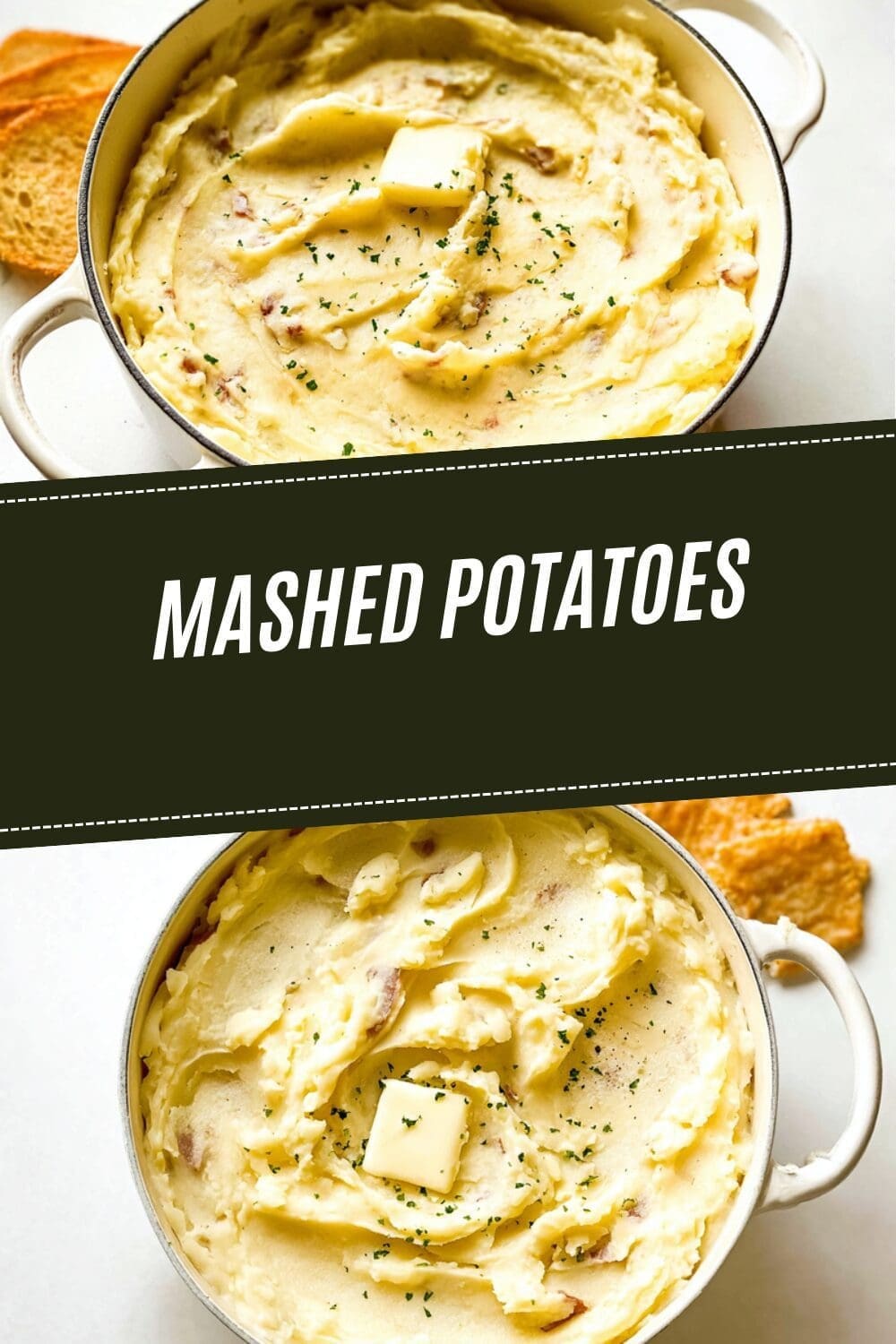
For a polished look, top with a pat of butter or fresh parsley before serving. This makes your mashed potatoes more appealing for special occasions.
Make-Ahead Options
Refrigerate cooled mashed potatoes in an airtight container for up to three days, then reheat at 325°F with added milk. Freezing in flat bags works great for leftovers, ensuring you have an easy meal prep solution.
How to Store Mashed Potatoes: Best Practices
Refrigeration Guidelines
For short-term storage, cool the mashed potatoes completely before placing them in an airtight container in the fridge. They can last up to three days this way, maintaining their creamy quality.
Freezing Options
To freeze, portion the mashed potatoes into freezer-safe bags, removing excess air to prevent freezer burn. Thaw overnight in the fridge and reheat with milk for the best results.
Reheating Practices
When reheating, add a splash of milk and stir to restore creaminess, using the oven at 325°F for even warming. This keeps your mashed potatoes safe and tasty for future meals.
Meal Prep Considerations
For batch cooking, prepare larger quantities and store in portions, making it simple for working professionals to have ready sides. Always check for freshness before eating.
| Nutrient | Per 0.5 Cup Serving |
|---|---|
| Calories | 209 |
| Carbohydrates | 34g |
| Protein | 5g |
| Fat | 7g |
FAQs: Frequently Asked Questions About Mashed Potatoes
What type of potatoes are best for making creamy mashed potatoes?
How can I add extra flavor to my mashed potatoes?
What’s the best way to reheat leftover mashed potatoes without drying them out?
Can I freeze mashed potatoes, and how should I do it?
What tools should I use to mash potatoes for the best texture?

Mashed Potatoes
🥔 This mashed potatoes recipe is perfected for creamy, smooth results, offering a comforting and classic side dish everyone loves.
🧈 Using the right potatoes and technique guarantees a luscious texture that pairs well with any main course.
- Total Time: 35 minutes
- Yield: About 8 servings
Ingredients
– 4 pounds potatoes (russet or Yukon gold)
– 3 cloves garlic (optional)
– ⅓ cup melted salted butter
– 1 cup milk or cream
– Salt to taste
– Black pepper to taste
Instructions
1-First Step: Peel and quarter the potatoes, then place them in a pot of cold salted water. This helps ensure even cooking and allows the salt to flavor the potatoes from the inside out, setting the stage for creamy mashed potatoes.
2-Second Step: If using garlic, add the 3 cloves to the pot with the potatoes. Bring the mixture to a boil over high heat, then reduce to a simmer and cook uncovered for about 15 minutes, or until the potatoes are fork-tender. This step infuses subtle flavor and makes the potatoes easy to mash, adapting well for vegan swaps by using garlic-infused oil.
3-Third Step: Drain the potatoes thoroughly to remove excess water, which can make your mashed potatoes watery. Return them to the warm pot and let them sit for a minute to dry out a bit, helping maintain that fluffy texture loved by food enthusiasts and busy parents.
4-Fourth Step: Heat the 1 cup of milk or cream on the stove or in the microwave until warm. Meanwhile, add the ⅓ cup of melted salted butter to the drained potatoes and start mashing by hand with a potato masher or ricer. For dietary needs, use plant-based milk here to keep it gluten-free or low-calorie.
5-Fifth Step: Gradually pour in the heated milk while continuing to mash until you reach your desired consistency. This slow addition prevents lumpiness and ensures even creaminess, allowing for modifications like lighter dairy options for diet-conscious individuals.
6-Final Step: Season with salt and black pepper to taste, then give it a final stir. Serve hot as a side to meals like turkey or chicken, adjusting for preferences such as adding herbs for extra flavor. This method takes about 35 minutes total, making it ideal for working professionals and celebration hosts.
Last Step:
Please leave a rating and comment letting us know how you liked this recipe! This helps our business to thrive and continue providing free, high-quality recipes for you.Notes
🥔 For fluffy texture, use russet potatoes or Idaho; for creamier results, use Yukon gold and leave some skin on.
🧈 Heat the milk or cream before adding for better absorption and flavor.
🔪 Avoid overmixing with electric tools to prevent gummy texture; mash by hand or use a ricer.
- Prep Time: 15 minutes
- Cook Time: 20 minutes
- Category: Side Dish
- Method: Boiling and mashing
- Cuisine: American
- Diet: Vegetarian
Nutrition
- Serving Size: 0.5 cup
- Calories: 209
- Sugar: 2 g
- Sodium: 74 mg
- Fat: 7 g
- Saturated Fat: 4 g
- Unsaturated Fat: 3 g
- Trans Fat: 1 g
- Carbohydrates: 34 g
- Fiber: 2 g
- Protein: 5 g
- Cholesterol: 17 mg