Why You’ll Love This Mung Bean Curry
If you’ve ever found yourself staring at a bag of mung beans in your pantry, wondering how to transform them into something truly delicious, this mung bean curry recipe is your answer. It’s a dish that combines wholesome ingredients with bold Indian-inspired flavors, creating a meal that satisfies on every level. Whether you’re a seasoned home cook or just starting your culinary journey, this recipe delivers comfort in a bowl.
- Ease of preparation: This mung bean curry comes together in just one hour from start to finish. With straightforward stovetop instructions or a quick electric pressure cooker method, you can have dinner on the table without any complicated techniques or hard-to-find ingredients.
- Health benefits: Mung beans are nutritional powerhouses, packed with plant-based protein, fiber, and essential vitamins. According to Healthline, these tiny legumes support digestion, heart health, and provide sustained energy throughout your day.
- Versatility: This vegan mung bean curry adapts beautifully to different dietary preferences. Serve it as a hearty soup, pair it with brown rice for a complete meal, or spoon it over naan for a satisfying dinner. You can easily adjust the spice level to suit your family’s taste.
- Distinctive flavor: The combination of coconut milk, fresh cilantro, and bright lime juice creates a creamy, aromatic curry that tastes like it came from a restaurant. Nine cloves of garlic might sound like a lot, but they mellow during cooking, infusing the dish with deep, savory goodness.
Jump to:
- Why You’ll Love This Mung Bean Curry
- Essential Ingredients for Mung Bean Curry
- Complete Ingredient List
- Special Dietary Options
- How to Prepare the Perfect Mung Bean Curry: Step-by-Step Guide
- Stovetop Method: Classic Approach
- Step One: Prepare Your Ingredients
- Step Two: Build the Aromatic Base
- Step Three: Add Tomatoes and Spices
- Step Four: Cook the Mung Beans
- Step Five: Finish with Coconut Milk
- Step Six: Season and Serve
- Electric Pressure Cooker Method: Quick and Convenient
- Step One: Sauté the Aromatics
- Step Two: Build Flavor
- Step Three: Pressure Cook
- Step Four: Natural Release and Finish
- Dietary Substitutions to Customize Your Mung Bean Curry
- Protein and Main Component Alternatives
- Vegetable, Sauce, and Seasoning Modifications
- Mastering Mung Bean Curry: Advanced Tips and Variations
- Pro Cooking Techniques
- Creative Flavor Variations
- Presentation Tips
- Make-Ahead Strategies
- How to Store Mung Bean Curry: Best Practices
- Refrigeration Guidelines
- Freezing for Long-Term Storage
- Reheating Instructions
- Meal Prep Considerations
- FAQs: Frequently Asked Questions About Mung Bean Curry
- What’s the difference between mung beans and moong dal?
- Can I use moong dal instead of whole mung beans in mung bean curry?
- How do you make mung bean curry in an Instant Pot?
- Can I adjust the spice level or garlic in mung bean curry?
- How should I store and reheat mung bean curry leftovers?
- Mung Bean Curry
- Ingredients
- Instructions
- Last Step:
- Notes
- Nutrition
- Did you make this recipe?
Essential Ingredients for Mung Bean Curry
Before you begin cooking, gather these ingredients to ensure a smooth cooking process. Each component plays a specific role in building the rich, complex flavors that make this curry so memorable.
Complete Ingredient List
- 4 tablespoons canola oil or other neutral-flavored oil – Provides the base for sautéing aromatics and spices without competing flavors
- 1 tablespoon whole cumin seeds – Adds warm, earthy notes and releases aromatic oils when heated
- 9 cloves garlic, crushed (about 3 tablespoons) – Creates a robust, savory foundation that mellows beautifully during cooking
- 14 oz can crushed tomatoes – Contributes acidity, body, and a rich tomato flavor to the curry base
- 2 tablespoons freshly grated ginger – Brings brightness and a subtle heat that complements the other spices
- 2 tablespoons ground coriander – Adds citrusy, floral notes that balance the warm spices
- 1 teaspoon turmeric – Provides golden color and anti-inflammatory benefits
- 1 teaspoon sea salt – Enhances all flavors and seasons the beans properly
- ½ teaspoon cayenne pepper – Delivers gentle heat; adjust based on your spice tolerance
- 4 cups water (3 cups if using electric pressure cooker) – Creates the cooking liquid that transforms beans into a creamy curry
- 1 cup mung beans, picked over for stones and well rinsed – The star protein that cooks without soaking and becomes tender and creamy
- 14 oz can coconut milk – Adds luxurious richness and helps mellow the spices into a smooth, cohesive sauce
- Juice of 1-2 medium limes – Brightens the finished dish with fresh citrus acidity
- ½ cup fresh cilantro, chopped – Provides a fresh, herbal finish that lifts all the flavors
Special Dietary Options
Vegan: This recipe is naturally vegan, containing no animal products whatsoever. The protein comes entirely from mung beans, making it perfect for plant-based diets.
Gluten-free: All ingredients in this mung bean curry are naturally gluten-free, so those with celiac disease or gluten sensitivity can enjoy it without worry.
Low-calorie option: To reduce calories, use light coconut milk instead of full-fat. The texture will be slightly less rich, but the flavor remains excellent.
How to Prepare the Perfect Mung Bean Curry: Step-by-Step Guide
This comprehensive guide walks you through creating this flavorful curry using either the traditional stovetop method or a modern electric pressure cooker. Both techniques yield delicious results, so choose the one that fits your schedule and equipment.
Stovetop Method: Classic Approach
Step One: Prepare Your Ingredients
Start by gathering and prepping all your ingredients. Pick through the mung beans to remove any stones or debris, then rinse them thoroughly under cold water. Crush the garlic cloves and grate the fresh ginger. Having everything ready before you begin cooking makes the process smoother and more enjoyable.
Pro tip: Store ginger in your freezer it lasts longer and is actually easier to grate when frozen. Just pull it out when you’re ready to cook.
Step Two: Build the Aromatic Base
Heat 4 tablespoons of canola oil in a large pot over medium-high heat. Once the oil shimmers, add 1 tablespoon of whole cumin seeds. Let them cook for about 1 minute, watching carefully as they begin to darken and release their fragrance. This blooming step wakes up the essential oils in the spices, creating a more flavorful foundation for your curry.
Add the crushed garlic to the hot oil and sauté for 3-4 minutes. The garlic should turn golden brown but not burnt burnt garlic tastes bitter and can ruin your dish. Stir frequently and keep the heat manageable.
Step Three: Add Tomatoes and Spices
Stir in the 14 oz can of crushed tomatoes, then immediately add the freshly grated ginger, ground coriander, turmeric, sea salt, and cayenne pepper. Sauté this mixture for 5 minutes, stirring frequently to prevent sticking. The tomatoes will bubble and reduce slightly, concentrating their flavor while the spices toast and bloom in the hot mixture.
This step is crucial for developing the deep, complex flavor profile that makes this mung bean curry so special. The spices need time to release their essential oils and marry with the tomatoes.
Step Four: Cook the Mung Beans
Add 4 cups of water and the rinsed mung beans to the pot. Bring everything to a boil over high heat, then reduce the temperature to low. Cover the pot with a tight-fitting lid and simmer for 30 minutes, stirring occasionally to prevent the beans from sticking to the bottom.
One of the beauties of mung beans is that they don’t require pre-soaking. Unlike larger legumes such as kidney beans or chickpeas, mung beans cook relatively quickly and become tender within 30-40 minutes of simmering. They’re also easier to digest than many other beans, making them gentle on sensitive stomachs.
Step Five: Finish with Coconut Milk
After 30 minutes, check that the mung beans are fully cooked they should be soft and creamy. Stir in the 14 oz can of coconut milk and raise the heat to medium-high until the curry returns to a boil. The coconut milk transforms the brothy mixture into a luxuriously creamy curry.
Step Six: Season and Serve
Turn off the heat and stir in the chopped fresh cilantro and lime juice. Taste and add more lime if desired the acidity brightens all the flavors and brings balance to the rich coconut. Serve your mung bean curry hot, either as a standalone soup or accompanied by brown rice or warm naan bread.
Electric Pressure Cooker Method: Quick and Convenient
If you own an Instant Pot or similar electric pressure cooker, you can significantly reduce the hands-on cooking time. The pressure cooker method delivers the same delicious results with less monitoring.
Step One: Sauté the Aromatics
Set your electric pressure cooker to the sauté function on normal heat. Add the canola oil and cumin seeds, cooking for about 1 minute until the seeds begin to sizzle and release their aroma.
Step Two: Build Flavor
Add the crushed garlic and sauté for 3-4 minutes until browned, watching carefully to avoid burning. Pressure cookers trap moisture, so you need to be extra attentive during sautéing.
Add the crushed tomatoes, ginger, coriander, turmeric, salt, and cayenne pepper. Continue sautéing for 5 minutes, stirring frequently to combine all the spices with the tomato base.
Step Three: Pressure Cook
Add 3 cups of water (notice the reduced amount pressure cookers need less liquid) and the rinsed mung beans. Seal the lid and set the pressure cooker to cook on high pressure for 10 minutes. It will take approximately 15 minutes for the pot to reach pressure before the actual cooking time begins.
Step Four: Natural Release and Finish
Allow the pressure to release naturally for 20-30 minutes. This gradual release helps the beans maintain their texture and prevents foaming. Once you’ve removed the lid, stir in the coconut milk, cilantro, and lime juice. Your curry is ready to serve.

Dietary Substitutions to Customize Your Mung Bean Curry
Protein and Main Component Alternatives
While this recipe shines with mung beans, you have several options if you want to experiment or adapt based on what’s available in your pantry.
Moong dal (split mung beans): You can substitute moong dal for whole mung beans, though it changes the texture significantly. Moong dal creates a softer, more porridge-like consistency since the split beans break down during cooking. If making this swap, use the same 1 cup measurement but reduce cooking time by 10-20 minutes and decrease water to 2.5-3 cups to prevent a soupy result.
Other legumes: Red lentils cook in similar timeframes and can work as a substitute. Yellow split peas also pair well with curry flavors but may require slightly longer cooking. For a similar curry recipe with different proteins, check out this beef curry for inspiration on adapting flavors.
Vegetable, Sauce, and Seasoning Modifications
This mung bean curry welcomes all sorts of additions and modifications to suit your preferences or use up vegetables in your refrigerator.
Adding vegetables: Chopped spinach stirred in at the end of cooking adds vibrant color and extra nutrients. Diced carrots or potatoes can be added with the water and beans they’ll cook alongside the mung beans and contribute substance. Sweet potatoes add natural sweetness that balances the spices beautifully.
Sauce variations: While coconut milk creates the traditional creamy base, you can experiment with different consistencies. For a lighter version, use light coconut milk or replace half with vegetable broth. If you enjoy hearty bean-based soups, you might also appreciate this ham and bean soup for another comforting option.
Spice adjustments: The cayenne pepper amount can be modified based on your spice tolerance. Start with 1/4 teaspoon if you prefer milder dishes, or increase to 3/4 teaspoon for more heat. A pinch of garam masala added at the end brings warming spices like cinnamon and cardamom to the finished dish.
Citrus substitutions: While lime juice is traditional and adds a distinctive brightness, lemon juice works as a substitute with a slightly different flavor profile lemon tends to be less floral and more sharply acidic.
Mastering Mung Bean Curry: Advanced Tips and Variations
Once you’ve mastered the basic recipe, these advanced techniques and creative variations will help you make this mung bean curry your own signature dish.
Pro Cooking Techniques
Bloom your spices properly: Taking time to toast the cumin seeds and sauté the spices with the tomatoes makes an enormous difference in flavor development. Raw spices taste flat and one-dimensional, while properly bloomed spices release complex aromatic compounds that permeate the entire dish.
Don’t skimp on garlic: Nine cloves might sound excessive, but garlic mellows dramatically during cooking. In related research, cooked garlic provides numerous health benefits without the pungent bite of raw garlic. The slow sauté transforms sharp, raw garlic into sweet, aromatic goodness.
Salt in stages: While the recipe calls for 1 teaspoon of sea salt, taste your curry before serving and adjust if needed. Different brands of crushed tomatoes and coconut milk have varying salt levels, so final seasoning is always personal.
Creative Flavor Variations
| Variation | What to Add | When to Add |
|---|---|---|
| Thai-inspired | Lemongrass, fish sauce (for non-vegans) | With tomatoes and spices |
| Extra greens | 2 cups chopped spinach or kale | After pressure release, before serving |
| Creamier texture | 1/2 cup additional coconut milk | With original coconut milk |
| More protein | 1 cup cooked chickpeas | With mung beans |
| Warmer spices | 1/2 teaspoon garam masala | Just before serving |
Presentation Tips
Transform your mung bean curry from a weeknight dinner to a dinner-party-worthy dish with thoughtful presentation. Serve in wide, shallow bowls that show off the creamy texture and golden color. Garnish with extra fresh cilantro and a wedge of lime on the side. A drizzle of coconut milk in a spiral pattern creates visual interest, while a sprinkle of red pepper flakes adds a pop of contrasting color.
Make-Ahead Strategies
This curry reheats beautifully, making it ideal for meal prep. You can prepare a double batch on Sunday and portion it into containers for quick weekday lunches. The flavors actually improve after a day in the refrigerator as the spices continue to meld. For faster weeknight cooking, prepare the garlic-ginger-spice paste in advance and store it in the refrigerator for up to a week.
How to Store Mung Bean Curry: Best Practices
Proper storage ensures you can enjoy this delicious curry for days or even weeks after cooking. Follow these guidelines to maintain quality and safety.
Refrigeration Guidelines
Transfer cooled mung bean curry to airtight containers and refrigerate within two hours of cooking. Properly stored, it will keep for up to 5 days in the refrigerator. The flavors often improve after the first day as the spices continue to develop and meld together. When you’re ready to eat, simply reheat the portion you need.
Freezing for Long-Term Storage
This curry freezes exceptionally well, making it perfect for batch cooking and meal planning. Portion the cooled curry into freezer-safe containers or heavy-duty freezer bags, leaving about an inch of headspace for expansion. Flatten bags to create thin portions that freeze and thaw quickly. Label with the date and contents frozen mung bean curry maintains best quality for up to 3 months.
To thaw, transfer frozen curry to the refrigerator overnight. For faster thawing, place the sealed container in a bowl of cold water, changing the water every 30 minutes until thawed.
Reheating Instructions
For stovetop reheating, place the curry in a saucepan with a splash of water to prevent sticking. Heat over medium-low, stirring occasionally, until it reaches 165°F throughout about 5-7 minutes depending on portion size. For microwave reheating, use 1-minute intervals, stirring between each, until heated through. Add fresh cilantro and a squeeze of lime after reheating to brighten the flavors.
Meal Prep Considerations
One batch of this mung bean curry serves 6 people and works wonderfully for planned meals throughout the week. Portion into individual containers with a side of cooked brown rice for complete, grab-and-go lunches. The curry reheats without losing its creamy texture or robust flavor, making it a reliable option for busy weekdays.
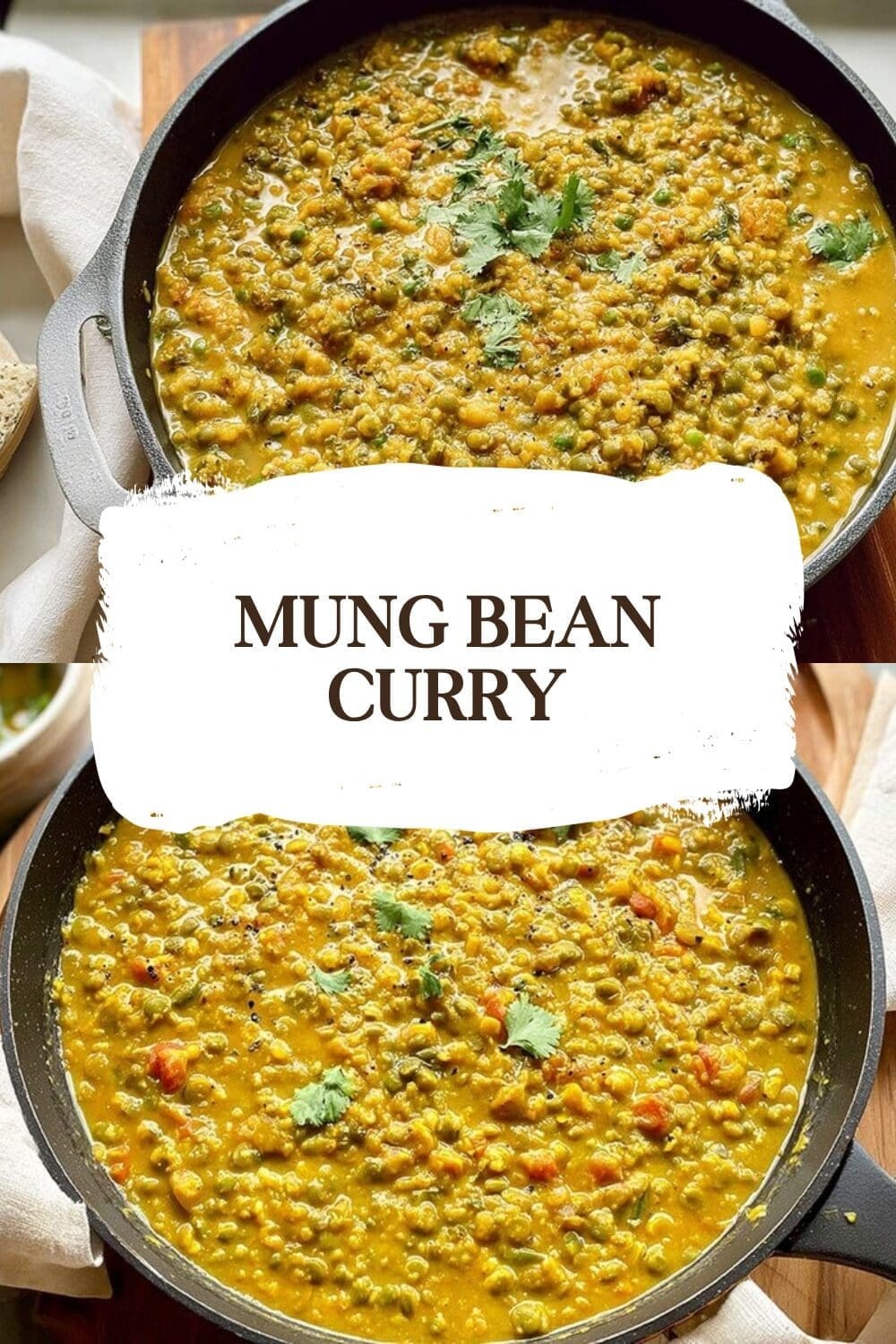
FAQs: Frequently Asked Questions About Mung Bean Curry
What’s the difference between mung beans and moong dal?
Can I use moong dal instead of whole mung beans in mung bean curry?
How do you make mung bean curry in an Instant Pot?
Can I adjust the spice level or garlic in mung bean curry?
How should I store and reheat mung bean curry leftovers?

Mung Bean Curry
🥥 Dive into creamy mung bean coconut curry – vegan, protein-rich comfort with aromatic Indian spices!
🌿 Nourishing, easy-digest beans in a one-pot wonder, ideal for meal prep and healthy weeknights!
- Total Time: 1 hour
- Yield: 6 servings
Ingredients
– 4 tablespoons canola oil or other neutral-flavored oil for sautéing aromatics and spices
– 1 tablespoon whole cumin seeds for warm, earthy notes
– 9 cloves garlic, crushed (about 3 tablespoons) for savory foundation
– 14 oz can crushed tomatoes for acidity, body, and tomato flavor
– 2 tablespoons freshly grated ginger for brightness and subtle heat
– 2 tablespoons ground coriander for citrusy, floral notes
– 1 teaspoon turmeric for golden color
– 1 teaspoon sea salt for enhancing flavors
– ½ teaspoon cayenne pepper for heat
– 4 cups water (3 cups if using electric pressure cooker) for cooking liquid
– 1 cup mung beans, picked over for stones and well rinsed for star protein
– 14 oz can coconut milk for luxurious richness
– Juice of 1-2 medium limes for brightening
– ½ cup fresh cilantro, chopped for fresh, herbal finish
Instructions
1-Step One: Prepare Your Ingredients Start by gathering and prepping all your ingredients. Pick through the mung beans to remove any stones or debris, then rinse them thoroughly under cold water. Crush the garlic cloves and grate the fresh ginger. Having everything ready before you begin cooking makes the process smoother and more enjoyable.
2-Step Two: Build the Aromatic Base Heat 4 tablespoons of canola oil in a large pot over medium-high heat. Once the oil shimmers, add 1 tablespoon of whole cumin seeds. Let them cook for about 1 minute, watching carefully as they begin to darken and release their fragrance. This blooming step wakes up the essential oils in the spices, creating a more flavorful foundation for your curry. Add the crushed garlic to the hot oil and sauté for 3-4 minutes. The garlic should turn golden brown but not burnt burnt garlic tastes bitter and can ruin your dish. Stir frequently and keep the heat manageable.
3-Step Three: Add Tomatoes and Spices Stir in the 14 oz can of crushed tomatoes, then immediately add the freshly grated ginger, ground coriander, turmeric, sea salt, and cayenne pepper. Sauté this mixture for 5 minutes, stirring frequently to prevent sticking. The tomatoes will bubble and reduce slightly, concentrating their flavor while the spices toast and bloom in the hot mixture. This step is crucial for developing the deep, complex flavor profile that makes this mung bean curry so special. The spices need time to release their essential oils and marry with the tomatoes.
4-Step Four: Cook the Mung Beans Add 4 cups of water and the rinsed mung beans to the pot. Bring everything to a boil over high heat, then reduce the temperature to low. Cover the pot with a tight-fitting lid and simmer for 30 minutes, stirring occasionally to prevent the beans from sticking to the bottom. One of the beauties of mung beans is that they don’t require pre-soaking. Unlike larger legumes such as kidney beans or chickpeas, mung beans cook relatively quickly and become tender within 30-40 minutes of simmering. They’re also easier to digest than many other beans, making them gentle on sensitive stomachs.
5-Step Five: Finish with Coconut Milk After 30 minutes, check that the mung beans are fully cooked they should be soft and creamy. Stir in the 14 oz can of coconut milk and raise the heat to medium-high until the curry returns to a boil. The coconut milk transforms the brothy mixture into a luxuriously creamy curry.
6-Step Six: Season and Serve Turn off the heat and stir in the chopped fresh cilantro and lime juice. Taste and add more lime if desired the acidity brightens all the flavors and brings balance to the rich coconut. Serve your mung bean curry hot, either as a standalone soup or accompanied by brown rice or warm naan bread.
7-Step One: Sauté the Aromatics Set your electric pressure cooker to the sauté function on normal heat. Add the canola oil and cumin seeds, cooking for about 1 minute until the seeds begin to sizzle and release their aroma.
8-Step Two: Build Flavor Add the crushed garlic and sauté for 3-4 minutes until browned, watching carefully to avoid burning. Pressure cookers trap moisture, so you need to be extra attentive during sautéing. Add the crushed tomatoes, ginger, coriander, turmeric, salt, and cayenne pepper. Continue sautéing for 5 minutes, stirring frequently to combine all the spices with the tomato base.
9-Step Three: Pressure Cook Add 3 cups of water (notice the reduced amount pressure cookers need less liquid) and the rinsed mung beans. Seal the lid and set the pressure cooker to cook on high pressure for 10 minutes. It will take approximately 15 minutes for the pot to reach pressure before the actual cooking time begins.
10-Step Four: Natural Release and Finish Allow the pressure to release naturally for 20-30 minutes. This gradual release helps the beans maintain their texture and prevents foaming. Once you’ve removed the lid, stir in the coconut milk, cilantro, and lime juice. Your curry is ready to serve.
Last Step:
Please leave a rating and comment letting us know how you liked this recipe! This helps our business to thrive and continue providing free, high-quality recipes for you.Notes
🧄 Use all 9 garlic cloves for bold, authentic flavor.
❄️ Freeze ginger for easy grating and extended freshness.
🌱 Add chopped spinach at end for extra nutrition.
- Prep Time: 20 minutes
- Cook Time: 40 minutes
- Category: Main Dishes
- Method: Stovetop
- Cuisine: Indian
- Diet: Vegan
Nutrition
- Serving Size: 1 serving
- Calories: 392 kcal
- Sugar: 7 g
- Sodium: 503 mg
- Fat: 26 g
- Saturated Fat: 14 g
- Unsaturated Fat: 12 g
- Trans Fat: 0 g
- Carbohydrates: 33 g
- Fiber: 8 g
- Protein: 11 g
- Cholesterol: 0 mg