Why You’ll Love This Oatmeal Cookies
Oatmeal cookies are a timeless treat that combines simplicity with deliciousness, making them a go-to choice for many home bakers. They offer ease of preparation, allowing you to whip up a batch quickly with just a few basic ingredients and steps that fit into busy schedules. Plus, these cookies bring health benefits by packing in fiber and essential nutrients from oats, supporting digestive health and providing a wholesome snack option that feels indulgent yet nutritious.
Beyond that, the recipe’s versatility means you can adapt it to various dietary needs, whether you’re aiming for vegan, gluten-free, or low-calorie versions, so everyone in your family can enjoy them. The distinctive flavor comes from the hearty mix of rolled oats, warm cinnamon, and natural sweeteners, creating a unique taste that’s far from ordinary cookies. Oatmeal cookies make for perfect snacking, whether you’re a busy parent grabbing a quick bite or a student needing a study fuel-up, and they’re easy to customize for celebrations or everyday moments.
This recipe yields soft and chewy oatmeal cookies that are ideal for sharing. With the preparation time clocking in at about 20 minutes for prep, 30 minutes minimum for chilling, 10 minutes for cooking, and a total of roughly 1 hour including chilling, it’s straightforward for bakers of all levels. According to nutritional information per cookie (estimated for 24 cookies), each one has about 200 calories, 27g of carbohydrates, 3g of protein, and 9g of fat, making it a balanced option for diet-conscious individuals.
Health Benefits and Adaptability
These cookies aren’t just tasty; they’re packed with benefits like fiber from oats that can help with digestion and provide steady energy, which is great for working professionals or seniors. You can easily tweak the recipe for different preferences, such as using substitutes for a low-calorie twist, ensuring it fits travelers or newlyweds looking for portable treats. To learn more about the advantages of oats, check out this resource on oat benefits.
Jump to:
- Why You’ll Love This Oatmeal Cookies
- Health Benefits and Adaptability
- Essential Ingredients for Oatmeal Cookies
- How to Prepare the Perfect Oatmeal Cookies: Step-by-Step Guide
- Tips for Success in Baking
- Dietary Substitutions to Customize Your Oatmeal Cookies
- Mastering Oatmeal Cookies: Advanced Tips and Variations
- How to Store Oatmeal Cookies: Best Practices
- FAQs: Frequently Asked Questions About Oatmeal Cookies
- Can I add raisins, chocolate chips, or nuts to oatmeal cookies?
- What happens if I use quick oats instead of old-fashioned oats in oatmeal cookies?
- How can I keep oatmeal cookies soft and chewy?
- Can I freeze oatmeal cookie dough or baked cookies?
- What can I use instead of cornstarch in oatmeal cookies for softness?
- Oatmeal Cookies
- Ingredients
- Instructions
- Last Step:
- Notes
- Nutrition
- Did you make this recipe?
Essential Ingredients for Oatmeal Cookies
Gathering the right ingredients is the first step to baking perfect oatmeal cookies, and this recipe uses a precise list to ensure great results every time. Below is a comprehensive structured list of all the ingredients needed, based on the detailed recipe provided. Each item includes its exact measurement to make your shopping and measuring straightforward.
- 1 cup (226 g) softened unsalted butter
- 1 cup (200 g) light brown sugar, firmly packed
- ½ cup (100 g) granulated sugar
- 2 large eggs, room temperature preferred
- 1 ½ teaspoons vanilla extract
- 1 ¾ cup (215 g) all-purpose flour
- 2 teaspoons cornstarch (can substitute arrowroot starch or equal amount of flour if unavailable)
- 1 teaspoon baking soda
- ¾ teaspoon table salt
- ¾ teaspoon ground cinnamon
- 3 cups (285 g) old-fashioned rolled oats
- 1 ½ cups optional add-ins such as chocolate chips, chopped nuts, or raisins
These ingredients come together to create that signature soft and chewy texture. For special dietary options, you can make swaps like using coconut oil instead of butter for a vegan version or certified gluten-free oats and flour blends for gluten-free baking. Remember, accurate measuring with a kitchen scale helps achieve the best results, as noted in the tips for this recipe.
How to Prepare the Perfect Oatmeal Cookies: Step-by-Step Guide
Baking oatmeal cookies is a fun and rewarding process that starts with preheating your oven to 375°F (190°C) and lining a baking sheet with parchment paper to avoid sticking. Begin by beating the softened unsalted butter in a stand mixer or with an electric beater for about 30 seconds until it’s smooth. Then, add 1 cup (200 g) light brown sugar and ½ cup (100 g) granulated sugar, beating until the mixture is light and fluffy while scraping the bowl as needed.
Next, add 2 large eggs one at a time, beating until fully combined, and stir in 1 ½ teaspoons vanilla extract for that extra flavor boost. In a separate bowl, whisk together 1 ¾ cup (215 g) all-purpose flour, 2 teaspoons cornstarch, 1 teaspoon baking soda, ¾ teaspoon table salt, and ¾ teaspoon ground cinnamon to ensure even distribution. Gradually mix this dry blend into the butter mixture until everything is fully incorporated, then stir in 3 cups (285 g) old-fashioned rolled oats and any optional 1 ½ cups add-ins like chocolate chips or nuts.
After mixing, cover the dough and chill it in the refrigerator for at least 30 minutes or up to 3 days to enhance texture. Once chilled, drop the dough by rounded 2 tablespoon-sized balls onto the prepared baking sheet, spacing them about 2 inches apart. Bake for 10-12 minutes until the edges are slightly browned, keeping in mind the centers might still be a bit underbaked for that perfect chewiness. Let the cookies cool completely on the sheet before serving to maintain their softness.
Tips for Success in Baking
For the best texture, cream the butter and sugars well, and use an oven thermometer to keep your baking temperature spot-on. If you’re looking for more dessert ideas, try this no-churn ice cream recipe to pair with your cookies. Following these steps will help you master the recipe’s total time of about 1 hour.

Dietary Substitutions to Customize Your Oatmeal Cookies
Making oatmeal cookies adaptable is key for different lifestyles, and you can easily tweak ingredients to suit your needs. For protein and main component alternatives, try using almond flour or chickpea flour as gluten-free substitutes that add a nutritional punch. If you’re avoiding eggs, replace them with flax or chia seeds mixed with water for a plant-based binding option that works wonders.
When it comes to vegetable, sauce, and seasoning modifications, incorporate shredded zucchini or pumpkin puree to add moisture and nutrients without overpowering the flavor. You can swap cinnamon with nutmeg, ginger, or cardamom for a fresh twist, and even add natural nut butters or fruit preserves as enhancers. These changes let you tailor the cookies to seasonal ingredients or personal tastes, keeping them wholesome and delicious for everyone from food enthusiasts to celebration planners.
As per the recipe tips, options like dark brown sugar can replace light brown sugar for a softer result, and old-fashioned rolled oats ensure that hearty texture, though quick oats are an okay substitute with some trade-offs. With nutritional info showing just 13g of sugar per cookie, these substitutions can help keep things diet-friendly.
Mastering Oatmeal Cookies: Advanced Tips and Variations
To take your oatmeal cookies to the next level, start with pro cooking techniques like chilling the dough for at least 30 minutes to prevent spreading and improve the final texture. Always use parchment paper or silicone mats for even baking, which helps achieve those golden edges we all love. Flavor variations are endless experiment by adding dried fruits like cranberries, chopped nuts such as walnuts or pecans, or chocolate chips to make each batch unique and exciting.
Presentation is important too; dust your cookies lightly with powdered sugar or drizzle melted dark chocolate for a visually appealing finish that impresses at gatherings. If you’re planning ahead, prepare dough in batches and freeze it for up to 3 months, then bake from frozen with a bit more time for fresh treats anytime. These methods, combined with the recipe’s nutritional balance, make oatmeal cookies a smart choice for busy parents or baking enthusiasts.
Remember the tips from the recipe, like using a kitchen scale for accuracy and baking until edges are set but centers are soft. For more inspiration, the no-churn ice cream recipe on our site pairs perfectly with these cookies for a complete dessert experience.
How to Store Oatmeal Cookies: Best Practices
Proper storage keeps your oatmeal cookies fresh and tasty, so let’s cover the basics. Store them in an airtight container at room temperature for up to 5 days to maintain that soft and chewy texture, as recommended in the recipe tips. If you need them to last longer, refrigeration works well just keep them in an airtight container in the fridge for up to one week.
For longer-term options, freezing is a great choice; place cookies in a freezer-safe bag or container, separating layers with parchment paper to avoid sticking, and they can last up to three months. When you’re ready to enjoy, reheat them in a microwave for 10-15 seconds or in a preheated oven at 300°F (150°C) for about 5 minutes to bring back that just-baked softness. Meal prep lovers will appreciate baking in large batches and portioning them for easy grab-and-go snacks, which is perfect for students or working professionals on the move.
| Storage Method | Duration | Tips |
|---|---|---|
| Room Temperature | Up to 5 days | Use airtight container to keep them soft |
| Refrigeration | Up to 1 week | Ideal for maintaining freshness |
| Freezing | Up to 3 months | Separate layers and reheat as needed |
FAQs: Frequently Asked Questions About Oatmeal Cookies
Can I add raisins, chocolate chips, or nuts to oatmeal cookies?
What happens if I use quick oats instead of old-fashioned oats in oatmeal cookies?
How can I keep oatmeal cookies soft and chewy?
Can I freeze oatmeal cookie dough or baked cookies?
What can I use instead of cornstarch in oatmeal cookies for softness?

Oatmeal Cookies
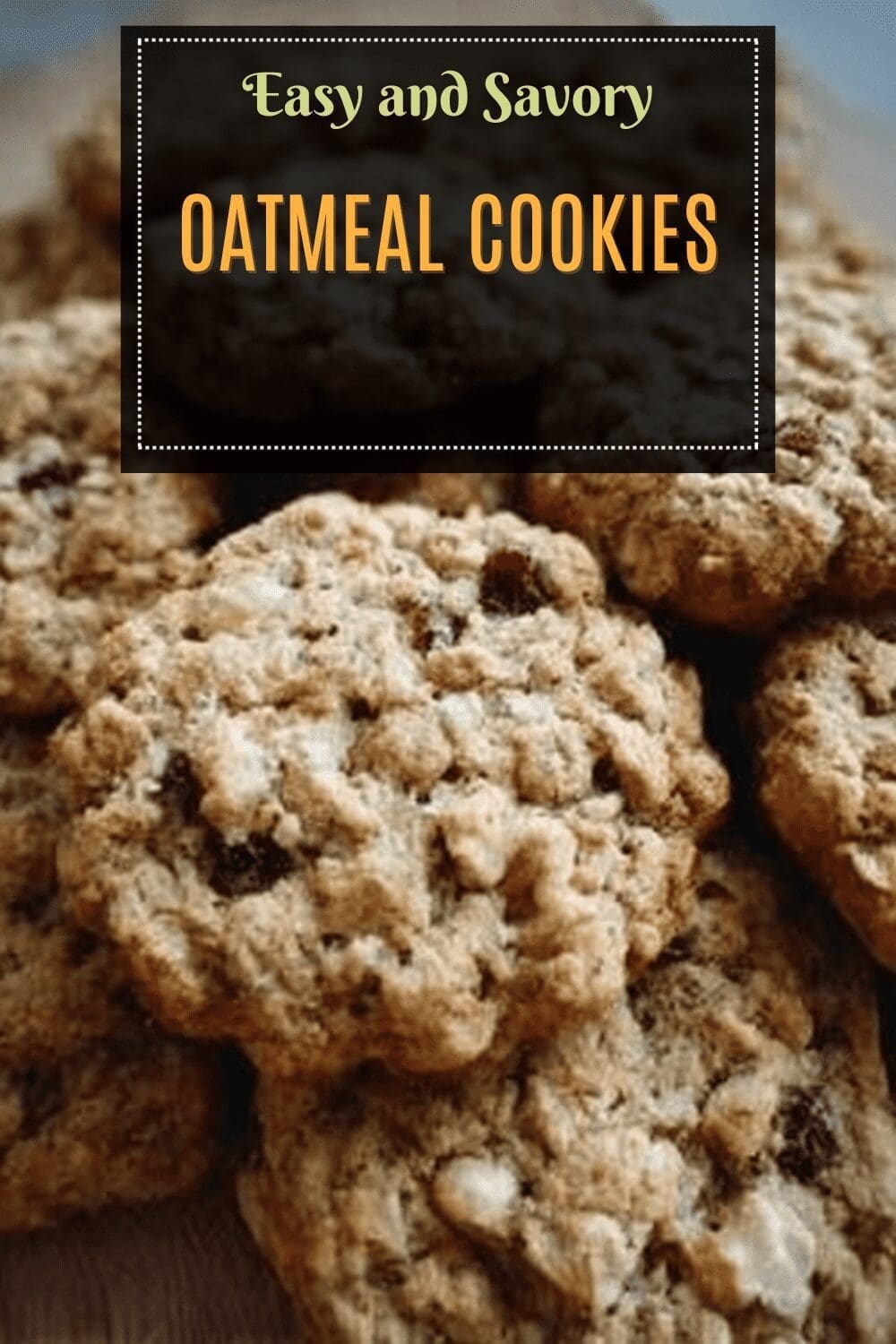
🍪 Enjoy irresistibly soft and chewy oatmeal cookies that make a perfect snack any time of day.
🥄 This recipe offers helpful tips to achieve ideal texture and flavor in every batch you bake.
- Total Time: 1 hour
- Yield: 24 cookies
Ingredients
– 1 cup (226 g) softened unsalted butter
– 1 cup (200 g) light brown sugar, firmly packed
– ½ cup (100 g) granulated sugar
– 2 large eggs, room temperature preferred
– 1 ½ teaspoons vanilla extract
– 1 ¾ cup (215 g) all-purpose flour
– 2 teaspoons cornstarch (can substitute arrowroot starch or equal amount of flour if unavailable)
– 1 teaspoon baking soda
– ¾ teaspoon table salt
– ¾ teaspoon ground cinnamon
– 3 cups (285 g) old-fashioned rolled oats
– 1 ½ cups optional add-ins such as chocolate chips, chopped nuts, or raisins
Instructions
1-Preheat and prepare baking sheet: Baking oatmeal cookies is a fun and rewarding process that starts with preheating your oven to 375°F (190°C) and lining a baking sheet with parchment paper to avoid sticking.
2-Beat butter and sugars: Begin by beating the softened unsalted butter in a stand mixer or with an electric beater for about 30 seconds until it’s smooth. Then, add 1 cup (200 g) light brown sugar and ½ cup (100 g) granulated sugar, beating until the mixture is light and fluffy while scraping the bowl as needed.
3-Add eggs and vanilla: Next, add 2 large eggs one at a time, beating until fully combined, and stir in 1 ½ teaspoons vanilla extract for that extra flavor boost.
4-Prepare dry ingredients: In a separate bowl, whisk together 1 ¾ cup (215 g) all-purpose flour, 2 teaspoons cornstarch, 1 teaspoon baking soda, ¾ teaspoon table salt, and ¾ teaspoon ground cinnamon to ensure even distribution.
5-Mix dry ingredients into wet: Gradually mix this dry blend into the butter mixture until everything is fully incorporated, then stir in 3 cups (285 g) old-fashioned rolled oats and any optional 1 ½ cups add-ins like chocolate chips or nuts.
6-Chill dough: After mixing, cover the dough and chill it in the refrigerator for at least 30 minutes or up to 3 days to enhance texture.
7-Portion and bake: Once chilled, drop the dough by rounded 2 tablespoon-sized balls onto the prepared baking sheet, spacing them about 2 inches apart. Bake for 10-12 minutes until the edges are slightly browned, keeping in mind the centers might still be a bit underbaked for that perfect chewiness.
8-Cool and serve: Let the cookies cool completely on the sheet before serving to maintain their softness.
Last Step:
Please leave a rating and comment letting us know how you liked this recipe! This helps our business to thrive and continue providing free, high-quality recipes for you.Notes
🎂 Cream butter and sugars well until light and fluffy for the best texture.
⚖️ Use a kitchen scale to weigh ingredients like flour for accuracy.
🍪 Roll dough into balls for even cookies and use an oven thermometer for precise baking temperature.
⏳ Bake until edges are set but centers slightly underbaked, then cool on the pan for softness.
🛍️ Store in an airtight container at room temperature for up to 5 days.
🌾 Use old-fashioned rolled oats for chewy texture; quick oats are a substitute but less chewy.
🍬 Dark brown sugar can replace light brown sugar for a softer cookie.
❄️ Cookies can be frozen as dough or baked for convenience.
- Prep Time: 20 minutes
- Chill Time: 30 minutes
- Cook Time: 10 minutes
- Category: Dessert
- Method: Baking
- Cuisine: American
- Diet: Vegetarian
Nutrition
- Serving Size: 1 cookie
- Calories: 200 calories
- Sugar: 13 grams
- Sodium: 138 mg
- Fat: 9 grams
- Saturated Fat: 5 grams
- Carbohydrates: 27 grams
- Fiber: 1 gram
- Protein: 3 grams
- Cholesterol: 37 mg