Why You'll Love This Panang Curry
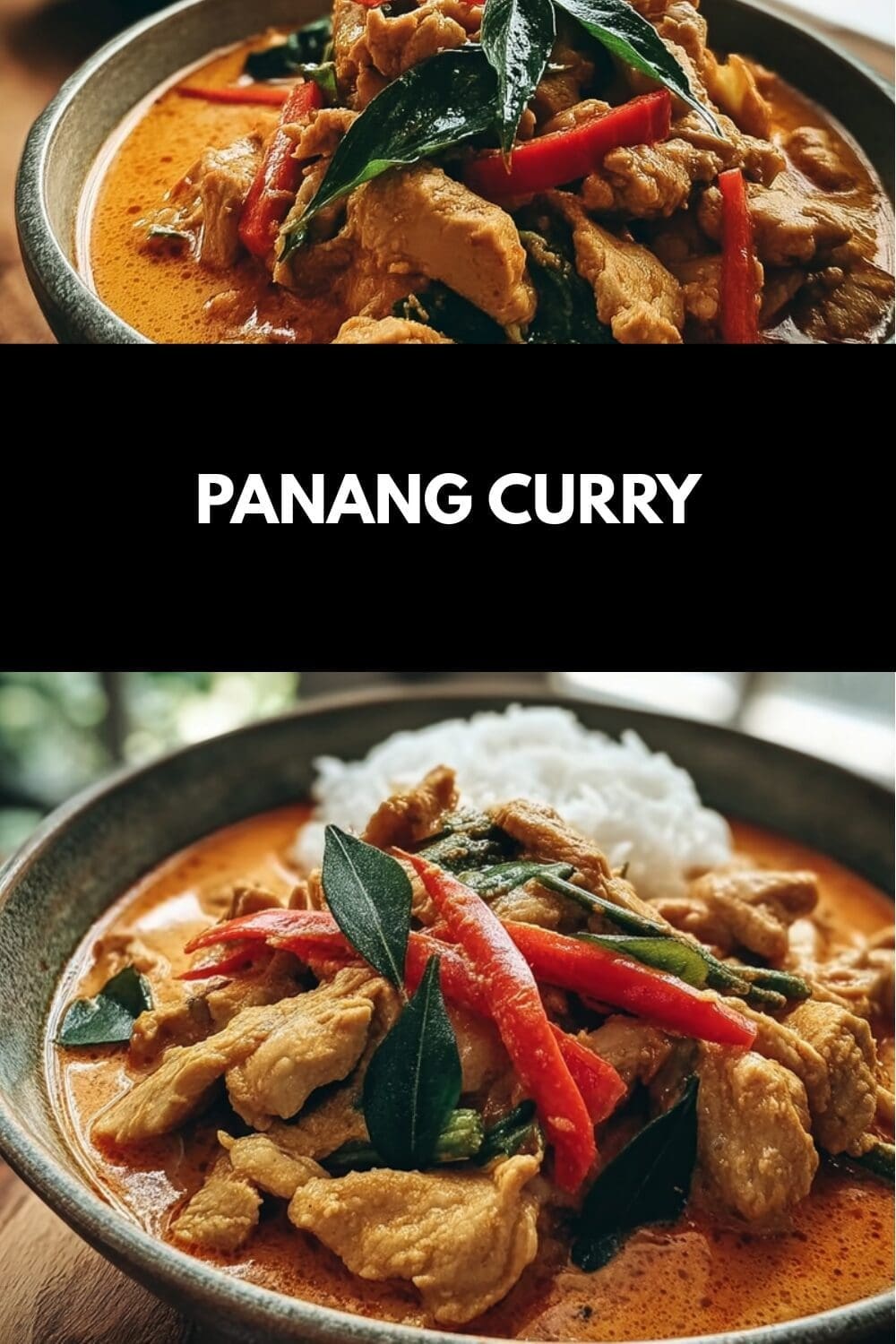
This panang curry recipe brings authentic Thai flavors right to your kitchen with minimal effort. Busy parents and working professionals appreciate how it comes together in under 30 minutes, perfect for weeknight dinners. Students and newlyweds find it budget-friendly, using pantry staples alongside fresh produce.
Health-conscious eaters enjoy its balance of proteins, healthy fats from coconut milk, and vegetables. Check out this insight on Panang curry health benefits for more details on its nutritional profile.
- Ease of preparation: With just one pot and basic steps, this easy homemade panang curry skips complicated techniques. Sauté the paste, add proteins and simmer, done in 25 minutes. No need for special equipment beyond a skillet, ideal for beginners or quick meals after a long day.
- Health benefits: Packed with lean proteins, coconut milk provides medium-chain triglycerides for energy. Vegetables add fiber and vitamins, while peanuts offer healthy fats and protein. Low in carbs, it suits diet-conscious individuals, with around 400 calories per serving when balanced.
- Versatility: Adapt for chicken, beef, or vegan options. Gluten-free by nature, tweak for low-calorie with light coconut milk. Travelers and food enthusiasts love recreating restaurant tastes at home, fitting busy schedules or special occasions.
- Distinctive flavor: Creamy from coconut milk and peanut butter, with nutty depth and mild spice. Kaffir lime leaves add citrus aroma, palm sugar balances savory notes. Less spicy than other Thai curries, it delivers rich, velvety sauce that clings to every bite.
Panang curry stands out for its thick, peanut-infused sauce that's comforting yet exotic, turning ordinary dinners into memorable feasts.
Food enthusiasts and celebration planners rave about its crowd-pleasing appeal.
Jump to:
- Why You'll Love This Panang Curry
- Essential Ingredients for Panang Curry
- Main Ingredients
- Special Dietary Options
- How to Prepare the Perfect Panang Curry: Step-by-Step Guide
- Gather Your Mise en Place
- First Step: Fry the Curry Paste
- Second Step: Cook the Protein
- Third Step: Simmer the Sauce
- Fourth Step: Add Vegetables
- Final Step: Finishing Touches and Serving
- Dietary Substitutions to Customize Your Panang Curry
- Protein and Main Component Alternatives
- Vegetable, Sauce, and Seasoning Modifications
- Mastering Panang Curry: Advanced Tips and Variations
- How to Store Panang Curry: Best Practices
- FAQs: Frequently Asked Questions About Panang Curry
- What is Panang curry?
- What’s the difference between Panang curry and red curry?
- How do you make Panang curry at home?
- What are the key ingredients in Panang curry?
- Is Panang curry spicy and how can I make it milder?
- Panang Curry
- Ingredients
- Instructions
- Last Step:
- Notes
- Nutrition
- Did you make this recipe?
Essential Ingredients for Panang Curry
Main Ingredients
Gather these for a classic chicken panang curry serving 4. Each item contributes to the signature creamy Thai panang curry taste.
- 3 tablespoons Panang curry paste – Forms the spicy, aromatic base with chilies, lemongrass, galangal, coriander root, and shrimp paste for authentic flavor.
- 2 (14 oz) cans full-fat coconut milk – Creates creaminess and richness; first can for frying paste, second for sauce. Avoid low-fat to prevent separation.
- 1 lb boneless chicken breast or thigh, sliced thin – Absorbs flavors quickly; thighs stay juicier, breasts leaner for diet-conscious choices.
- 2 tablespoons fish sauce – Adds salty umami depth, essential for balance.
- 1 tablespoon palm sugar or brown sugar – Provides subtle sweetness to mellow spice.
- 1/4 cup smooth peanut butter or ground peanuts – Gives nutty thickness and signature taste.
- 4-5 kaffir lime leaves, torn – Infuses citrusy aroma without overpowering.
- 1 red bell pepper, sliced – Adds crunch, color, and mild sweetness.
- 1 cup green beans or eggplant, chopped – Boosts veggies for nutrition and texture.
- 1/4 cup crushed peanuts – For garnish, enhances nuttiness.
- Fresh Thai basil leaves – Garnish for freshness and color.
- Steamed jasmine rice – Perfect accompaniment to soak up sauce.
Special Dietary Options
- Vegan: Swap chicken for 1 lb firm tofu or tempeh, use soy sauce or tamari instead of fish sauce, ensure peanut butter is natural.
- Gluten-free: Naturally gluten-free; confirm curry paste and fish sauce labels, use tamari for soy alternative if needed.
- Low-calorie: Use light coconut milk, reduce peanut butter to 2 tablespoons, opt for chicken breast and extra veggies like zucchini.
These tweaks keep the panang curry with coconut milk essence intact.
| Nutrient | Amount |
|---|---|
| Calories | 450 |
| Protein | 25g |
| Fat | 32g |
| Carbs | 15g |
See coconut milk curry nutrition facts for detailed breakdowns.
How to Prepare the Perfect Panang Curry: Step-by-Step Guide
Gather Your Mise en Place
Prep time: 10 minutes. Slice 1 lb chicken thinly against the grain for tenderness. Chop 1 red bell pepper into thin strips and 1 cup green beans into 2-inch pieces. Tear 4-5 kaffir lime leaves, keeping them whole for easy removal. Measure 3 tablespoons Panang curry paste, 2 tablespoons fish sauce, 1 tablespoon palm sugar, and 1/4 cup peanut butter. Open 2 cans coconut milk, skimming cream off the top for frying. Have jasmine rice steaming nearby.
First Step: Fry the Curry Paste
Heat a large skillet or wok over medium heat. Add 1/2 cup coconut cream (thick part from one can) and 3 tablespoons Panang curry paste. Stir-fry for 3-5 minutes until fragrant, oil separates, and paste darkens. This "bangs" the paste, releasing lemongrass, galangal, garlic, and chili aromas. Watch heat to avoid burning; medium keeps it vibrant without bitterness. Smell the nutty, spicy perfume filling your kitchen.
Second Step: Cook the Protein
Add sliced chicken to the paste. Stir-fry 3-4 minutes until chicken turns white on outside and coats evenly. Chicken releases juices, blending with coconut. For beef panang curry, use thinly sliced beef tenderloin; it takes 4-5 minutes. This step builds flavor layers, ensuring meat stays tender, not tough.
Third Step: Simmer the Sauce
Pour in remaining coconut milk from first can plus second full can (about 3 cups total). Stir in 2 tablespoons fish sauce, 1 tablespoon palm sugar, and 1/4 cup peanut butter. Add torn kaffir lime leaves. Bring to gentle simmer over medium-low heat. Cook 10-12 minutes, stirring occasionally, until sauce thickens to coat a spoon. Bubbles should be lazy, not boiling, preserving coconut's creaminess.
Fourth Step: Add Vegetables
Toss in sliced red bell pepper and green beans. Simmer 3-5 more minutes until veggies crisp-tender. Bell peppers soften slightly, beans stay snappy. Taste sauce: adjust fish sauce for salt, sugar for sweet, or splash lime juice for tang. Sauce should be thick, glossy, clinging to chicken. If too thick, add splash water; too thin, simmer longer.
Final Step: Finishing Touches and Serving
Remove from heat. Discard lime leaves if desired. Serve hot over steamed jasmine rice, garnished with crushed peanuts and fresh basil. Pairs with cooling cucumber salad. Total cook time: 25 minutes. Leftovers taste better next day as flavors meld. This quick panang curry recipe yields velvety creamy thai panang chicken curry.
Tips: Full-fat coconut milk ensures separation for frying. Fresh paste beats jarred for punch, but store-bought works. Medium heat prevents splitting.

Dietary Substitutions to Customize Your Panang Curry
Protein and Main Component Alternatives
Switch proteins easily for preferences. For beef panang curry, use 1 lb flank steak sliced thin; sear first for chew. Tofu suits vegan panang curry: press 1 lb firm tofu, cube, fry crisp before adding. Shrimp cooks in 2 minutes; prawns add luxury. Pork tenderloin mimics chicken tenderness. Check our beef curry recipe for slicing tips applicable here. Each absorbs nutty sauce well, keeping dish hearty.
Vegetable, Sauce, and Seasoning Modifications
Seasonal veggies shine: zucchini or broccoli for green beans, eggplant roasts in sauce. For milder taste, halve paste. Low-sodium? Reduce fish sauce, add salt. Peanut allergy? Use cashew butter. Spicy boost: extra chilies. These keep authentic thai panang curry recipe flexible for seniors or kids.
Mastering Panang Curry: Advanced Tips and Variations
Take your panang curry paste recipe skills further with these.
- Pro cooking techniques: Fry paste in coconut oil if no cream separates. Use wok for better heat control. Simmer low to thicken naturally without cornstarch.
- Flavor variations: Add lemongrass stalk for extra zing. Make it coconut-free with chicken stock, though less creamy. Try shrimp paste boost for umami.
- Presentation tips: Plate rice in bowl, ladle curry center. Garnish peanuts, basil, lime wedge. Drizzle sauce artfully.
- Make-ahead options: Prep paste-chicken base, refrigerate overnight. Freeze sauce up to 2 months. Busy pros love batch cooking.
For sweet twist, incorporate mango like in our mango chicken ideas.
How to Store Panang Curry: Best Practices
- Refrigeration: Cool completely, store airtight container up to 3-4 days. Sauce thickens; stir before reheating.
- Freezing: Portion into freezer bags, flatten for space. Freeze 2-3 months. Thaw overnight in fridge.
- Reheating: Stovetop low heat with splash coconut milk. Microwave covered, stir midway. Avoid boil to keep creamy.
- Meal prep considerations: Divide into single servings. Add fresh garnishes post-reheat. Great for weekly lunches.
FAQs: Frequently Asked Questions About Panang Curry
What is Panang curry?
What’s the difference between Panang curry and red curry?
How do you make Panang curry at home?
What are the key ingredients in Panang curry?
Is Panang curry spicy and how can I make it milder?

Panang Curry
🌶️🍛 Indulge in rich, creamy Panang curry with authentic Thai flavors – peanutty, mildly spicy, and aromatic for an exotic home-cooked feast.
🥥 Easy one-pan recipe packed with tender chicken, veggies, and coconut goodness that’s restaurant-quality in just 30 minutes.
- Total Time: 35 minutes
- Yield: 4 servings
Ingredients
– 3 tablespoons Panang curry paste
– 2 (14 oz) cans full-fat coconut milk
– 1 lb boneless chicken breast or thigh, sliced thin
– 2 tablespoons fish sauce
– 1 tablespoon palm sugar or brown sugar
– 1/4 cup smooth peanut butter or ground peanuts
– 4-5 kaffir lime leaves, torn
– 1 red bell pepper, sliced
– 1 cup green beans or eggplant, chopped
– 1/4 cup crushed peanuts
– Fresh Thai basil leaves
– Steamed jasmine rice
Instructions
1-Gather Your Mise en Place: Prep time: 10 minutes. Slice 1 lb chicken thinly against the grain for tenderness. Chop 1 red bell pepper into thin strips and 1 cup green beans into 2-inch pieces. Tear 4-5 kaffir lime leaves, keeping them whole for easy removal. Measure 3 tablespoons Panang curry paste, 2 tablespoons fish sauce, 1 tablespoon palm sugar, and 1/4 cup peanut butter. Open 2 cans coconut milk, skimming cream off the top for frying. Have jasmine rice steaming nearby.
2-First Step: Fry the Curry Paste. Heat a large skillet or wok over medium heat. Add 1/2 cup coconut cream (thick part from one can) and 3 tablespoons Panang curry paste. Stir-fry for 3-5 minutes until fragrant, oil separates, and paste darkens. This "bangs" the paste, releasing lemongrass, galangal, garlic, and chili aromas. Watch heat to avoid burning; medium keeps it vibrant without bitterness. Smell the nutty, spicy perfume filling your kitchen.
3-Second Step: Cook the Protein. Add sliced chicken to the paste. Stir-fry 3-4 minutes until chicken turns white on outside and coats evenly. Chicken releases juices, blending with coconut. For beef panang curry, use thinly sliced beef tenderloin; it takes 4-5 minutes. This step builds flavor layers, ensuring meat stays tender, not tough.
4-Third Step: Simmer the Sauce. Pour in remaining coconut milk from first can plus second full can (about 3 cups total). Stir in 2 tablespoons fish sauce, 1 tablespoon palm sugar, and 1/4 cup peanut butter. Add torn kaffir lime leaves. Bring to gentle simmer over medium-low heat. Cook 10-12 minutes, stirring occasionally, until sauce thickens to coat a spoon. Bubbles should be lazy, not boiling, preserving coconut's creaminess.
5-Fourth Step: Add Vegetables. Toss in sliced red bell pepper and green beans. Simmer 3-5 more minutes until veggies crisp-tender. Bell peppers soften slightly, beans stay snappy. Taste sauce: adjust fish sauce for salt, sugar for sweet, or splash lime juice for tang. Sauce should be thick, glossy, clinging to chicken. If too thick, add splash water; too thin, simmer longer.
6-Final Step: Finishing Touches and Serving. Remove from heat. Discard lime leaves if desired. Serve hot over steamed jasmine rice, garnished with crushed peanuts and fresh basil. Pairs with cooling cucumber salad. Total cook time: 25 minutes. Leftovers taste better next day as flavors meld. This quick panang curry recipe yields velvety creamy thai panang chicken curry.
Last Step:
Please leave a rating and comment letting us know how you liked this recipe! This helps our business to thrive and continue providing free, high-quality recipes for you.Notes
🔥 Start with less curry paste if sensitive to spice, add more later.
🥥 Shake coconut milk can well before opening for creamy consistency.
🍋 Fresh lime leaves elevate authenticity – bruise before adding.
- Prep Time: 15 minutes
- Cook Time: 20 minutes
- Category: Main Course
- Method: Stovetop
- Cuisine: Thai
- Diet: Gluten-Free
Nutrition
- Serving Size: 1 cup
- Calories: 450 kcal
- Sugar: 8g
- Sodium: 1200mg
- Fat: 32g
- Saturated Fat: 18g
- Unsaturated Fat: 12g
- Trans Fat: 0g
- Carbohydrates: 15g
- Fiber: 3g
- Protein: 28g
- Cholesterol: 70mg