Why You’ll Love This Pancit Bihon
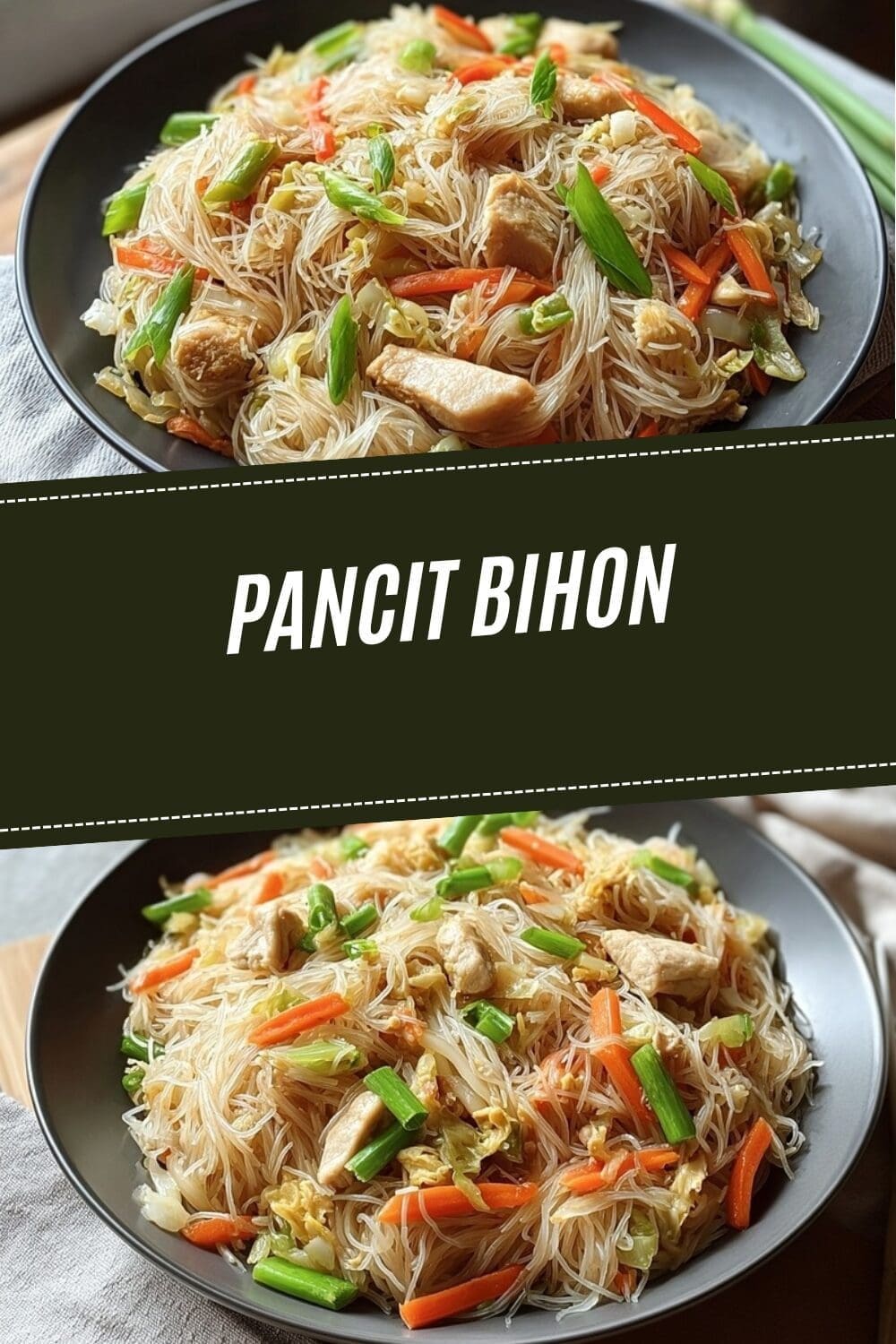
Pancit Bihon is a popular Filipino noodle dish made from rice stick noodles called bihon. You’ll usually see it at special occasions, and it’s known for being a crowd-pleaser because it’s savory, filling, and easy to customize. This pancit bihon guisado recipe keeps things simple while still delivering that classic, comforting flavor people crave.
- Ease of preparation: This quick pancit bihon recipe focuses on soaking, sautéing, then cooking in one big wok so you can get dinner on the table fast.
- Healthful veggie balance: With carrots, snow peas, cabbage, and celery leaves, your filipino pancit gets fiber and color in every bite.
- Versatility for different diets: You can make an authentic pancit bihon guisado with pork and chicken or swap in tofu and plant-based broth for a vegan-friendly option.
- Distinctive tang and umami: A drizzle of soy sauce plus the option to serve with calamansi gives your rice noodles stir fry bright, savory flavor.
Tip: Pancit Bihon is traditionally served during special occasions, and it pairs beautifully with sides like white bread or crispy lumpiang shanghai, plus calamansi for added tanginess.
Jump to:
- Why You’ll Love This Pancit Bihon
- Essential Ingredients for Pancit Bihon
- Main Ingredients
- Special Dietary Options
- How to Prepare the Perfect Pancit Bihon: Step-by-Step Guide
- Prep and Mise en Place
- Step-by-Step Instructions
- Quick Timing Guide (So You Don’t Get Behind)
- Easy Diet Adaptations While You Cook
- Dietary Substitutions to Customize Your Pancit Bihon
- Protein and Main Component Alternatives
- Vegetable, Sauce, and Seasoning Modifications
- Mastering Pancit Bihon: Advanced Tips and Variations
- Pro Cooking Techniques
- Flavor Variations You Can Try
- Make-Ahead Options for Busy Schedules
- How to Store Pancit Bihon: Best Practices
- Refrigeration
- Freezing
- Reheating (Keep the Texture)
- FAQs: Frequently Asked Questions About Pancit Bihon
- What is Pancit Bihon?
- Where does the name Pancit come from?
- How do you make Pancit Bihon step by step?
- How do you store and reheat Pancit Bihon?
- What should I serve with Pancit Bihon?
- Pancit Bihon
- Ingredients
- Instructions
- Last Step:
- Notes
- Nutrition
- Did you make this recipe?
Essential Ingredients for Pancit Bihon
Before you start, it helps to gather everything. This ingredient list follows the measurements for an authentic pancit bihon guisado style dish and makes it easier to cook without stopping mid-recipe.
Main Ingredients
- 1 lb pancit bihon rice noodles – thin rice stick noodles called bihon for the classic noodle base
- 1/2 lb pork, cut into small thin slices – adds savory richness and texture
- 1/2 lb cooked chicken, deboned, and cut into thin slices – boosts flavor and makes it extra satisfying
- 1/8 lb snow peas – for a tender-crisp crunch and freshness
- 1 cup carrot, sliced – brings sweetness and color
- 1/2 small cabbage, chopped – adds volume and a mild, comforting bite
- 1 cup finely chopped celery leaves – adds that signature aromatic taste
- 1 onion, chopped – deep savory flavor after sautéing
- 1/2 tbsp minced garlic – fragrant base for the sauce
- 2 teaspoons chicken powder – quick seasoning that blends into the cooking liquid
- 5 tbsp soy sauce – provides umami and the classic pancit color
- 3 to 4 cups water – helps simmer the meat and soften the noodles as needed
- 3 tbsp cooking oil – for sautéing the aromatics and browning the meat
Special Dietary Options
- Vegan: Replace pork and chicken with tofu. Use water or broth instead of oil for sautéing, and consider vegan chicken broth or oyster sauce for a savory boost.
- Gluten-free: Use gluten-free soy sauce (or tamari). The bihon itself is typically gluten-free since it’s made from rice noodles.
- Low-calorie: Keep oil to the minimum and add extra vegetables like cabbage or carrots to increase volume without going heavy.
If you love noodles but want a different style, you might also enjoy this chow mein recipe for another Filipino-Chinese inspired weeknight option.
How to Prepare the Perfect Pancit Bihon: Step-by-Step Guide
This section walks you through making a pancit bihon guisado recipe from start to finish. The goal is springy noodles, tender vegetables, and a glossy sauce that coats everything. You’ll also see timing cues so you can keep the dish on track.
Prep and Mise en Place
First, gather your ingredients: noodles, thin-sliced pork, cooked chicken, chopped onion and garlic, and your vegetables. Measure the soy sauce, chicken powder, oil, and water before you heat the wok. When everything is ready, cooking becomes much smoother and you avoid overcooking the veggies.
Step-by-Step Instructions
- First Step: Soak pancit bihon noodles in water for about 10 minutes. This softens the rice noodles so they cook evenly later.
- Second Step: Heat cooking oil in a large wok and sauté garlic and onion until fragrant. Keep the heat medium to avoid burning the garlic.
- Third Step: Add pork and chicken; cook for about 2 minutes until browned. Browning adds deeper flavor to your pancit bihon recipe.
- Fourth Step: Add chicken powder and water, then let it simmer for 15 minutes to meld flavors. If you want a slightly lighter sauce, start with 3 cups water and add more only if needed.
- Fifth Step: Add carrots, snow peas, cabbage, and celery leaves. Simmer for a few minutes until vegetables are tender but not overcooked. Avoid long simmering if you want that vibrant crunch.
- Sixth Step: Remove vegetables and meat, leaving the liquid in the pot. This keeps the noodle stage from turning everything mushy.
- Seventh Step: Stir soy sauce into the liquid. Taste gently and adjust if you like it saltier.
- Eighth Step: Add drained bihon noodles and cook, mixing well until the liquid completely evaporates and noodles are coated. Keep mixing so the noodles soak up the savory sauce.
- Ninth Step: Return vegetables and meat to the pot and simmer together for another 1 to 2 minutes. This brings everything together without overcooking the vegetables.
- Final Step: Serve hot. Optional: serve with white bread or crispy lumpiang shanghai, plus calamansi for squeezing right before eating.
Quick Timing Guide (So You Don’t Get Behind)
| Stage | Time | What to Watch |
|---|---|---|
| Noodle soaking | About 10 minutes | Noodles should soften, not turn overly mushy |
| Sauté aromatics and brown meat | About 5 minutes | Garlic fragrance without burning |
| Simmer with chicken powder | About 15 minutes | Let flavors meld, then get ready for veggies |
| Vegetable quick simmer | A few minutes | Tender but still crisp |
| Noodle coating stage | Mix until liquid evaporates | Liquid should reduce fully so noodles cling to sauce |
Easy Diet Adaptations While You Cook
Want to keep this recipe flexible? Here are simple swaps you can make without rewriting the whole method.
- Vegan option: Swap pork and cooked chicken for tofu. For sautéing, use water or broth instead of oil, and consider vegan chicken broth or oyster sauce for a similar savory depth.
- Vegetable-focused pancit bihon: If you want it lighter, increase the cabbage and carrots and reduce the meat slightly while keeping the soy sauce and chicken powder timing the same.
- Spice and color: Bell peppers can add taste and color, though they’re not common in the traditional pancit style. Add them with carrots so they stay crisp.
Remember: the vegetables are added first, then removed before the noodles go in. This trick helps your pancit guisado stay springy and not soggy.

Dietary Substitutions to Customize Your Pancit Bihon
Protein and Main Component Alternatives
If you want a different take on pancit bihon guisado, protein is the easiest adjustment. Traditional versions often include pork and chicken, but you can swap based on what’s in your fridge.
- Chinese sausage option: Alternative ingredients include Chinese sausage (Chorizo Macau). Slice it thinly and sauté with the meat for added flavor.
- Snap peas instead of snow peas: If snow peas are unavailable, use snap peas. They’ll still give a nice crunch.
- Plant-based: For a vegan or plant-based version, substitute meat with tofu and use water or broth instead of oil for sautéing.
Vegetable, Sauce, and Seasoning Modifications
Vegetables keep your Filipino pancit lively, while sauce and seasoning control the final taste. The key is keeping the vegetables from overcooking so they stay bright.
- Crunch-first veggies: Add carrots, snow peas, cabbage, and celery leaves and simmer only until tender-crisp. Avoid long cooking for best texture.
- Seasoning swaps: Soy sauce is essential for the classic umami profile, but you can use gluten-free soy sauce if needed.
- Broth adjustment: Use 3 to 4 cups water as needed. If your pot looks dry before noodles are coated, add a splash at a time.
If you’re cooking for a mixed crowd, pairing this with a bread or crunchy side makes meal planning easier. For more crunchy party ideas, browse this spring roll in a bowl recipe.
Mastering Pancit Bihon: Advanced Tips and Variations
Once you master the basic method, it becomes easier to make your own signature rice noodles stir fry. These tips help you avoid common mistakes and try fun variations while keeping the flavor true.
Pro Cooking Techniques
- Use a large wok: Space matters. A wide pan helps noodles cook evenly and evaporate sauce faster.
- Don’t skip soaking: Skipping the 10-minute soak can lead to mushy or uneven noodles.
- Evaporate the liquid fully: Mix until the liquid completely evaporates and noodles are coated. That’s when the noodles get glossy and flavorful.
- Keep vegetables vibrant: Simmer only until tender but not overcooked, so your pancit stays colorful and fresh.
Flavor Variations You Can Try
- Add bell peppers: Some cooks add bell peppers for extra taste and color, although it’s not a common traditional ingredient.
- Chinese sausage (Chorizo Macau): Sauté thinly sliced sausage with the meat for a deeper savory note.
- Calamansi finish: Serve with calamansi wedges for tang. It balances the richness of soy sauce and makes the flavors pop.
Make-Ahead Options for Busy Schedules
If you’re feeding a family or prepping for an event, you can make pancit ahead and reheat well. Cool the dish fully, store it properly, then reheat gently so the noodles stay tender and not watery.
Pancit is served hot, and calamansi juice is a classic add-on for balance. For the best taste, plate and squeeze calamansi right before eating.
How to Store Pancit Bihon: Best Practices
Leftovers are common with Pancit Bihon because it’s easy to make in a bigger batch. To keep it tasting great, cool it quickly and store it airtight.
Refrigeration
- Cool first: Cool pancit bihon to room temperature within 2 hours.
- Storage time: Keep in an airtight container in the fridge for up to 5 days.
Freezing
- Freeze: Freeze in portions for easier reheating.
- Storage time: Freeze for up to 1 month.
- Thaw: Thaw overnight in the refrigerator before reheating.
Reheating (Keep the Texture)
- Microwave: Reheat in the microwave with a damp towel covering to keep it moist, usually 1 to 2 minutes.
- Stir halfway: Stir during reheating so noodles warm evenly.
- Pan method: Stir-fry in a pan with a small splash of water or broth for 3 to 5 minutes if you want to refresh the texture.
For food safety, reheat leftovers until the center reaches 165°F. If you reheat often, the noodles may dry out, so try to reheat only what you need.
FAQs: Frequently Asked Questions About Pancit Bihon
What is Pancit Bihon?
Where does the name Pancit come from?
How do you make Pancit Bihon step by step?
How do you store and reheat Pancit Bihon?
What should I serve with Pancit Bihon?
Pancit Bihon
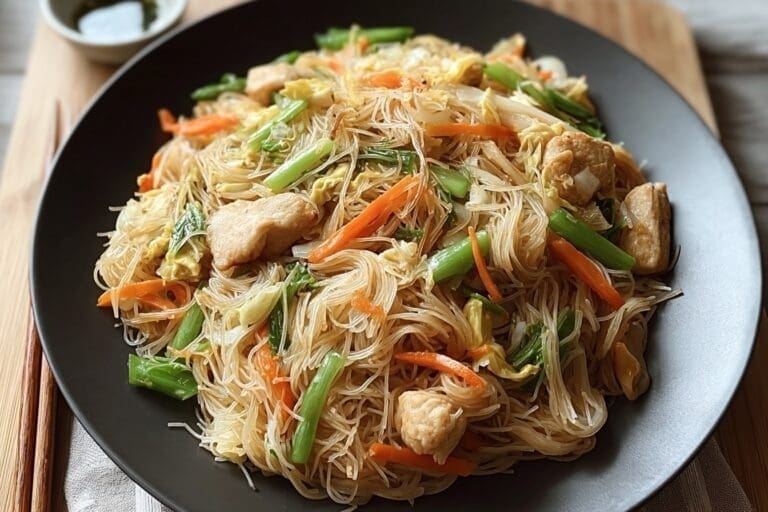
🍜🥦 Flavorful rice noodles stir-fried with pork, chicken & crunchy veggies in savory soy broth – quick Filipino pancit bihon guisado ready in 55 min!
🇵🇭 13g protein balanced meal, party staple or weeknight winner, customizable with calamansi zing.
- Total Time: 55 minutes
- Yield: 8 servings
Ingredients
– 1 lb pancit bihon rice noodles for the classic noodle base
– 1/2 lb pork, cut into small thin slices for savory richness and texture
– 1/2 lb cooked chicken, deboned, and cut into thin slices to boost flavor and make it extra satisfying
– 1/8 lb snow peas for a tender-crisp crunch and freshness
– 1 cup carrot, sliced for sweetness and color
– 1/2 small cabbage, chopped to add volume and a mild, comforting bite
– 1 cup finely chopped celery leaves for that signature aromatic taste
– 1 onion, chopped for deep savory flavor after sautéing
– 1/2 tbsp minced garlic for fragrant base for the sauce
– 2 teaspoons chicken powder for quick seasoning that blends into the cooking liquid
– 5 tbsp soy sauce for umami and the classic pancit color
– 3 to 4 cups water to help simmer the meat and soften the noodles as needed
– 3 tbsp cooking oil for sautéing the aromatics and browning the meat
Instructions
1-First Step: Soak pancit bihon noodles in water for about 10 minutes. This softens the rice noodles so they cook evenly later.
2-Second Step: Heat cooking oil in a large wok and sauté garlic and onion until fragrant. Keep the heat medium to avoid burning the garlic.
3-Third Step: Add pork and chicken; cook for about 2 minutes until browned. Browning adds deeper flavor to your pancit bihon recipe.
4-Fourth Step: Add chicken powder and water, then let it simmer for 15 minutes to meld flavors. If you want a slightly lighter sauce, start with 3 cups water and add more only if needed.
5-Fifth Step: Add carrots, snow peas, cabbage, and celery leaves. Simmer for a few minutes until vegetables are tender but not overcooked. Avoid long simmering if you want that vibrant crunch.
6-Sixth Step: Remove vegetables and meat, leaving the liquid in the pot. This keeps the noodle stage from turning everything mushy.
7-Seventh Step: Stir soy sauce into the liquid. Taste gently and adjust if you like it saltier.
8-Eighth Step: Add drained bihon noodles and cook, mixing well until the liquid completely evaporates and noodles are coated. Keep mixing so the noodles soak up the savory sauce.
9-Ninth Step: Return vegetables and meat to the pot and simmer together for another 1 to 2 minutes. This brings everything together without overcooking the vegetables.
10-Final Step: Serve hot. Optional: serve with white bread or crispy lumpiang shanghai, plus calamansi for squeezing right before eating.
Last Step:
Please leave a rating and comment letting us know how you liked this recipe! This helps our business to thrive and continue providing free, high-quality recipes for you.Notes
🌭 Sauté thinly sliced Chinese sausage with meats for extra flavor.
🥕 Don’t overcook veggies – keep them crisp and colorful.
❄️ Refrigerate airtight up to 5 days; reheat covered with damp towel.
- Prep Time: 15 minutes
- Cook Time: 40 minutes
- Category: Main Dishes
- Method: Stir-Fry
- Cuisine: Filipino
- Diet: Dairy Free
Nutrition
- Serving Size: 1/8 recipe
- Calories: 240 kcal
- Sugar: 4 g
- Sodium: 845 mg
- Fat: 11 g
- Saturated Fat: 4 g
- Unsaturated Fat: 7 g
- Trans Fat: 0 g
- Carbohydrates: 23 g
- Fiber: 3 g
- Protein: 13 g
- Cholesterol: 42 mg