Why You’ll Love This Pancit Bihon
- Easy to make, fast to serve: This Pancit Bihon recipe uses rice stick noodles (bihon) that you simply soak, then toss in a wok with aromatics and simmered seasonings. You get a big serving with prep time around 15 minutes and total cooking time near 40 minutes.
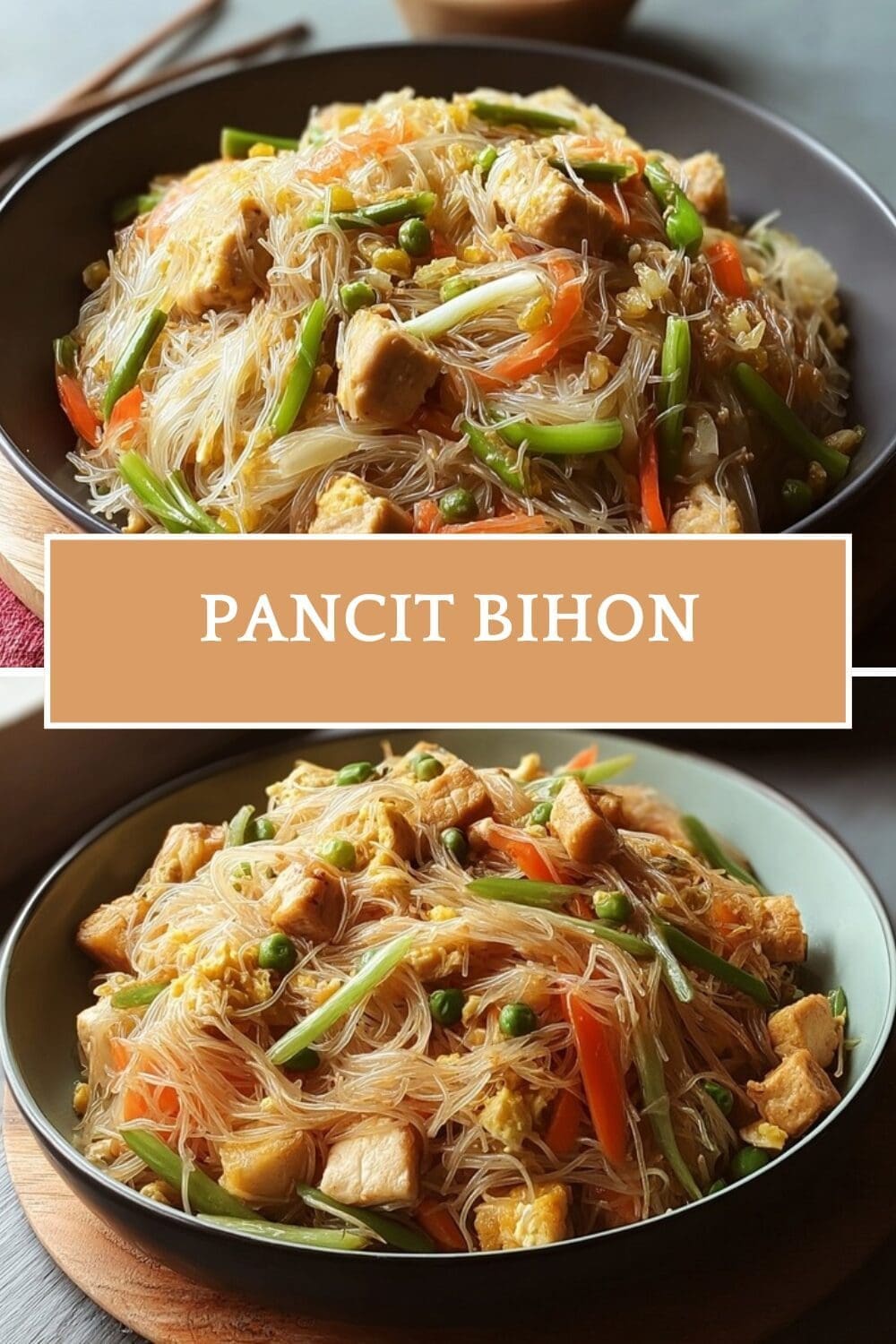
- A balanced, savory plate: Pancit Bihon brings together noodles, proteins, and colorful vegetables like carrots, cabbage, snow peas, and celery leaves. The result is a hearty Filipino noodle dish that feels satisfying without being complicated.
- Perfect for busy days and celebrations: Because it’s a stir-fry with flexible ingredients, this bihon guisado works for weeknight meals, potlucks, and party tables. It’s especially popular at gatherings where everyone loves sharing one large tray.
- Flavor you can customize: Soy sauce, chicken powder, garlic, and onions create that classic savory taste. You can also add Chinese sausage or swap vegetables depending on what you have at home.
Plus, the long noodles symbolize long life in Filipino culture, which is why many families make pancit during birthdays and special occasions.
Jump to:
- Why You’ll Love This Pancit Bihon
- Essential Ingredients for Pancit Bihon
- Ingredients (Serves 8)
- Special Dietary Options
- How to Prepare the Perfect Pancit Bihon: Step-by-Step Guide
- Prep and timing
- Step-by-step instructions
- Quick ingredient and flavor notes
- Dietary Substitutions to Customize Your Pancit Bihon
- Protein and main component alternatives
- Vegetable, sauce, and seasoning modifications
- Mastering Pancit Bihon: Advanced Tips and Variations
- Pro cooking techniques
- Flavor variations you can try
- Presentation and make-ahead ideas
- How to Store Pancit Bihon: Best Practices
- Refrigeration
- Freezing
- Reheating
- Nutrition and what it means
- FAQs: Frequently Asked Questions About Pancit Bihon
- What is pancit bihon?
- Where did pancit bihon originate?
- How do you prepare bihon noodles for pancit?
- How do you store and reheat cooked pancit bihon?
- What vegetables and add-ins work in pancit bihon?
- Pancit Bihon
- Ingredients
- Instructions
- Last Step:
- Notes
- Nutrition
- Did you make this recipe?
Essential Ingredients for Pancit Bihon
Below are the exact ingredients for serves 8. This dish is inspired by Chinese noodle traditions but made distinctly Filipino with local flavors, savory seasoning, and a veggie-protein balance that tastes great every time.
Ingredients (Serves 8)
- 1 lb pancit bihon rice noodles – soaked and tossed until tender and coated
- 1/2 lb pork, thinly sliced – savory protein and rich flavor
- 1/2 lb cooked chicken, deboned, thinly sliced – tender protein to keep it hearty
- 1/8 lb snow peas – sweet crunch and bright color
- 1 cup carrot, sliced – natural sweetness and extra texture
- 1/2 small cabbage, chopped – mild flavor and added fiber
- 1 cup celery leaves, finely chopped – fresh, herbal aroma
- 1 onion, chopped – sweetness base for the sauce
- 1/2 tbsp garlic, minced – classic Filipino savory aroma
- 2 teaspoons chicken powder – quick seasoning for deep taste
- 5 tbsp soy sauce – salty, umami-rich Filipino pancit flavor
- 3 to 4 cups water – used to simmer and help soften/coat the noodles
- 3 tbsp cooking oil – for sautéing and preventing sticking
Special Dietary Options
You can still enjoy a simple pancit bihon recipe even with different dietary needs. Here are easy ideas that keep the dish recognizable while adjusting ingredients.
- Vegan: Replace pork and chicken with cubed tofu or a plant-based meat alternative. Use vegetable broth instead of water if you like, and choose a soy sauce that fits your dietary preferences.
- Gluten-free: Rice noodles are naturally gluten-free, but check soy sauce labeling. Use gluten-free soy sauce or tamari.
- Low-calorie (lighter version): Reduce oil to 1 to 2 tbsp, add more vegetables (like bok choy or green beans), and use less meat or tofu while keeping the sauce flavorful.
Quick note: If you’re watching sodium, taste the sauce as you cook. Soy sauce amount is part of what makes pancit taste right, but small adjustments can help.
How to Prepare the Perfect Pancit Bihon: Step-by-Step Guide
This traditional pancit bihon guisado recipe follows a simple flow: soak the bihon noodles, sauté garlic and onion, cook the proteins, simmer with seasoning, then toss everything together until the noodles absorb the savory liquid.
Prep and timing
- Prep time: 15 minutes
- Cook time: 40 minutes
- Total time: 55 minutes
- Serves: 8
Tip for noodle success: soak just until softened but not mushy. This helps keep bihon noodles from breaking when you toss in the wok.
Step-by-step instructions
First Step: Soak the pancit bihon rice noodles in water for about 10 minutes. You want them flexible but still firm. Drain well and set aside.
Second Step: Heat 3 tbsp cooking oil in a large wok or wide pan. Sauté the minced garlic and chopped onion until fragrant, about 1 to 2 minutes. This is your flavor base for filipino pancit.
Third Step: Add the thinly sliced pork and cooked chicken. Cook for around 2 minutes until the pork starts to brown and the chicken warms through.
Fourth Step: Stir in chicken powder and add 3 to 4 cups water. Simmer for about 15 minutes so the broth becomes flavorful and helps soften the noodles later. Keep the heat steady, not wild boiling.
Fifth Step: Add sliced carrots, snow peas, chopped cabbage, and finely chopped celery leaves. Cook until tender-crisp. Avoid overcooking so the vegetables stay bright and snappy.
Sixth Step: Remove vegetables and meat from the wok, but reserve the liquid in the pan. This reserved liquid is what gives your pancit bihon its signature savory coating.
Seventh Step: Mix soy sauce into the reserved liquid. Stir well so the color and flavor distribute evenly.
Eighth Step: Add the drained noodles to the wok. Toss gently until the liquid is absorbed and the noodles are coated, usually 3 to 5 minutes. For gluten-free needs, use gluten-free soy sauce here to keep the dish safe for your diet.
Ninth Step: Return the meat and vegetables to the wok. Simmer everything together for 1 to 2 minutes so the flavors blend nicely without turning the vegetables soft.
Final Step: Serve hot. Traditionally, many families pair pancit with white bread, lumpiang shanghai, or fresh calamansi on the side for a bright, zesty finish.
Quick ingredient and flavor notes
- If the noodles look too dry before you toss, add a splash of water or broth. Add a little at a time so it doesn’t turn soupy.
- If the noodles seem too soft early, reduce simmer time next round. Softer noodles absorb faster.
- For a celebration feel, serve in a large platter and garnish with a few extra celery leaves right before serving.
If you like noodle dishes with a Chinese influence, you may also enjoy chow mein style flavors and the same stir-fry mindset. Different noodles, similar satisfaction.

Dietary Substitutions to Customize Your Pancit Bihon
One reason this Filipino pancit is so loved is that it’s flexible. You can swap proteins, adjust seasonings, and change vegetables without losing the dish’s identity. Keep the cooking flow the same, and your pancit bihon guisado will still taste right.
Protein and main component alternatives
- Chicken or pork swap: Use cooked shrimp, canned tuna, or thinly sliced beef. If you prefer plant-based, use tofu (fried or steamed) and add it at the same stage as the meat warming.
- Cooked meat shortcut: If you have leftover roast chicken or pork, this recipe works great. Adding pre-cooked protein keeps cooking time shorter.
- Vegetable-only pancit: Skip pork and chicken and increase the vegetables slightly. Add extra mushrooms or a firm vegetable like broccoli stems for more bite.
- Noodle swap: Stay with rice stick noodles when possible for the classic texture. If you must change, pick noodles that absorb sauce similarly and cook quickly.
Vegetable, sauce, and seasoning modifications
- Snow peas: Substitute snap peas for snow peas. You can also add bell peppers for a sweeter, colorful crunch.
- Cabbage: Replace with bok choy or napa cabbage if that’s what you have. Keep it crisp by adding it near the end.
- Seasoning: Keep garlic, onion, soy sauce, and chicken powder (or a vegetarian alternative). You can also use vegetable bouillon powder if going meat-free.
- Sodium control: Use low-sodium soy sauce and adjust slowly. You can always add more flavor, but it’s hard to remove salt once it’s in.
Here’s the mindset: keep your sauce strong, keep your veggies crisp, and toss the noodles until coated. That’s what makes the easy Filipino noodle dish feel like home.
Mastering Pancit Bihon: Advanced Tips and Variations
Once you nail the basic steps, you can level up your pancit with a few smart techniques. These tips help you get consistent results whether you’re cooking for 2 or hosting a full party table.
Pro cooking techniques
- Keep the wok hot: A wide wok helps noodles toss without clumping. If your pan is too cool, noodles absorb unevenly.
- Reserve the liquid: The reserved liquid mixed with soy sauce creates the glossy, savory coating. Don’t throw it away.
- Cook vegetables tender-crisp: Add them after simmering the meat so they stay colorful. If you notice the cabbage softening fast, reduce time.
- Use a gentle toss: Noodles are delicate. Toss with a spatula to coat without breaking.
Flavor variations you can try
- Chinese sausage addition: Add thinly sliced Chinese sausage cooked with the meats. It brings a slightly sweet, smoky depth that many families love.
- More veggie crunch: Add bell peppers or extra celery leaves if you want a fresher bite.
- Calamansi finish: Squeeze calamansi right before serving for a bright contrast to the soy sauce.
Presentation and make-ahead ideas
If you’re serving guests, presentation makes a difference. Use a wide platter and mound the pancit into a neat heap, then sprinkle a little extra celery leaves on top.
Make ahead tip: cook the pancit, cool it quickly, then refrigerate. Reheat with a splash of water to bring back moisture.
You can also pair this meal with other crowd-pleasing comfort foods like creamy chicken noodle soup for a cozy menu, especially during cooler months.
How to Store Pancit Bihon: Best Practices
Storing leftovers the right way keeps your pancit tasting fresh. Noodles dry out quickly, so the goal is moisture and safe temperature control.
Refrigeration
- Cool cooked pancit bihon to room temperature within 2 hours.
- Transfer to an airtight container.
- Refrigerate for up to 5 days.
Freezing
- Portion into freezer bags or containers.
- Freeze for up to 1 month for best quality.
- Thaw overnight in the fridge before reheating.
Reheating
- Microwave: cover the bowl and reheat for 1 to 2 minutes, stirring halfway.
- Pan reheat: stir-fry in a pan with a small splash of broth to restore moisture.
Safety reminder: Leftover pancit should not sit at room temperature for more than 2 hours.
| Storage method | Time | Best way to reheat |
|---|---|---|
| Room temp | Up to 2 hours | Serve immediately or refrigerate |
| Refrigerator | Up to 5 days | Microwave covered 1 to 2 minutes |
| Freezer | Up to 1 month | Thaw overnight, then microwave covered |
Nutrition and what it means
Per serving, this pancit bihon recipe has about 240 kcal with 23 g carbohydrates and 13 g protein. It also provides fiber (3 g) plus vitamins from the vegetables, including vitamin A and vitamin C.
If you’re aiming for better food choices, you can also read about nutrition topics such as chicken health benefits from WebMD’s overview of chicken benefits.
And since cabbage is one of the crunchy veggie stars here, check cabbage benefits for more reasons to keep it in your rotation.
FAQs: Frequently Asked Questions About Pancit Bihon
What is pancit bihon?
Where did pancit bihon originate?
How do you prepare bihon noodles for pancit?
How do you store and reheat cooked pancit bihon?
What vegetables and add-ins work in pancit bihon?
Pancit Bihon
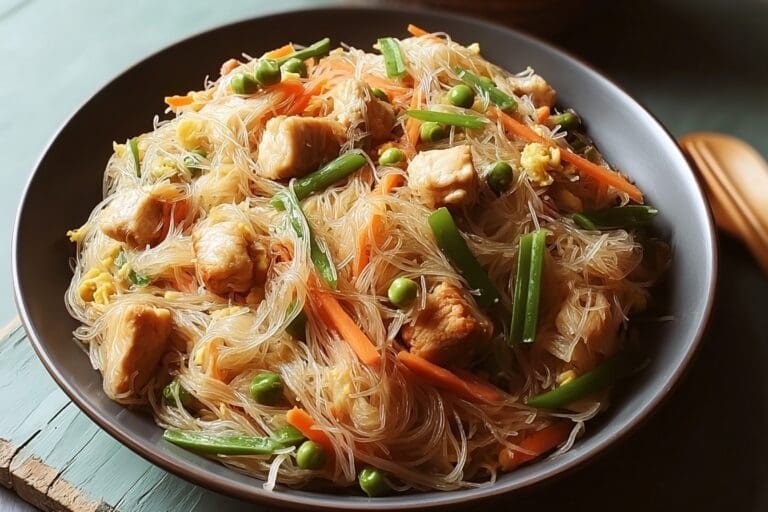
🍜🥬 Savory stir-fried rice noodles with pork, chicken & crisp veggies in umami soy broth – classic Filipino pancit bihon guisado!
🇵🇭 Balanced 13g protein veggie-packed dish, perfect for parties or quick family dinners in 55 minutes.
- Total Time: 55 minutes
- Yield: 8 servings
Ingredients
– 1 lb pancit bihon rice noodles
– 1/2 lb pork, thinly sliced
– 1/2 lb cooked chicken, deboned, thinly sliced
– 1/8 lb snow peas
– 1 cup carrot, sliced
– 1/2 small cabbage, chopped
– 1 cup celery leaves, finely chopped
– 1 onion, chopped
– 1/2 tbsp garlic, minced
– 2 teaspoons chicken powder
– 5 tbsp soy sauce
– 3 to 4 cups water
– 3 tbsp cooking oil
Instructions
1-First Step: Soak the pancit bihon rice noodles in water for about 10 minutes. You want them flexible but still firm. Drain well and set aside.
2-Second Step: Heat 3 tbsp cooking oil in a large wok or wide pan. Sauté the minced garlic and chopped onion until fragrant, about 1 to 2 minutes. This is your flavor base for filipino pancit.
3-Third Step: Add the thinly sliced pork and cooked chicken. Cook for around 2 minutes until the pork starts to brown and the chicken warms through.
4-Fourth Step: Stir in chicken powder and add 3 to 4 cups water. Simmer for about 15 minutes so the broth becomes flavorful and helps soften the noodles later. Keep the heat steady, not wild boiling.
5-Fifth Step: Add sliced carrots, snow peas, chopped cabbage, and finely chopped celery leaves. Cook until tender-crisp. Avoid overcooking so the vegetables stay bright and snappy.
6-Sixth Step: Remove vegetables and meat from the wok, but reserve the liquid in the pan. This reserved liquid is what gives your pancit bihon its signature savory coating.
7-Seventh Step: Mix soy sauce into the reserved liquid. Stir well so the color and flavor distribute evenly.
8-Eighth Step: Add the drained noodles to the wok. Toss gently until the liquid is absorbed and the noodles are coated, usually 3 to 5 minutes. For gluten-free needs, use gluten-free soy sauce here to keep the dish safe for your diet.
9-Ninth Step: Return the meat and vegetables to the wok. Simmer everything together for 1 to 2 minutes so the flavors blend nicely without turning the vegetables soft.
10-Final Step: Serve hot. Traditionally, many families pair pancit with white bread, lumpiang shanghai, or fresh calamansi on the side for a bright, zesty finish.
Last Step:
Please leave a rating and comment letting us know how you liked this recipe! This helps our business to thrive and continue providing free, high-quality recipes for you.Notes
🍖 Add thinly sliced Chinese sausage with meats for authentic flavor boost.
🥬 Cook veggies just until crisp-tender to retain color and crunch.
🍊 Squeeze fresh calamansi or lime over top for bright citrus zing.
- Prep Time: 15 minutes
- Cook Time: 40 minutes
- Category: Main Dishes
- Method: Stir-Fry
- Cuisine: Filipino
- Diet: Gluten Free
Nutrition
- Serving Size: 1/8 recipe
- Calories: 240 kcal
- Sugar: 4 g
- Sodium: 845 mg
- Fat: 11 g
- Saturated Fat: 4 g
- Unsaturated Fat: 7 g
- Trans Fat: 0 g
- Carbohydrates: 23 g
- Fiber: 3 g
- Protein: 13 g
- Cholesterol: 42 mg