Why You’ll Love This Peasant Bread
Imagine pulling a warm, freshly baked loaf from your oven that fills your kitchen with an irresistible aroma that’s the magic of peasant bread. This recipe stands out because it’s incredibly simple, perfect for anyone from busy parents to baking enthusiasts looking to create something special without much effort. Let’s dive into why this bread will quickly become your go-to choice for meals.
- Ease of preparation: With just a few minutes of active time, you can mix everything in one bowl and let the dough do the rest. The total time is about three hours, including rising and baking, making it ideal for beginners or those with packed schedules. You’ll appreciate how straightforward it is to go from ingredients to a golden loaf without needing advanced skills.
- Health benefits: Made from basic ingredients like flour, water, salt, sugar, yeast, and a touch of butter, this bread uses unbleached all-purpose or bread flour that can be swapped partially for whole wheat. It’s a wholesome option that supports everyday wellness with its simple, natural components, and you can tweak it for dietary needs like reducing sugar for a lighter version.
- Versatility: This recipe adapts easily to various occasions, whether you’re making loaves for a family dinner or turning the dough into rolls for a party. You can add nuts, seeds, or dried fruit to customize it, making it suitable for food enthusiasts and travelers alike. The soft, tender crumb pairs well with everything from soups to sandwiches, adding a touch of homemade goodness to any meal.
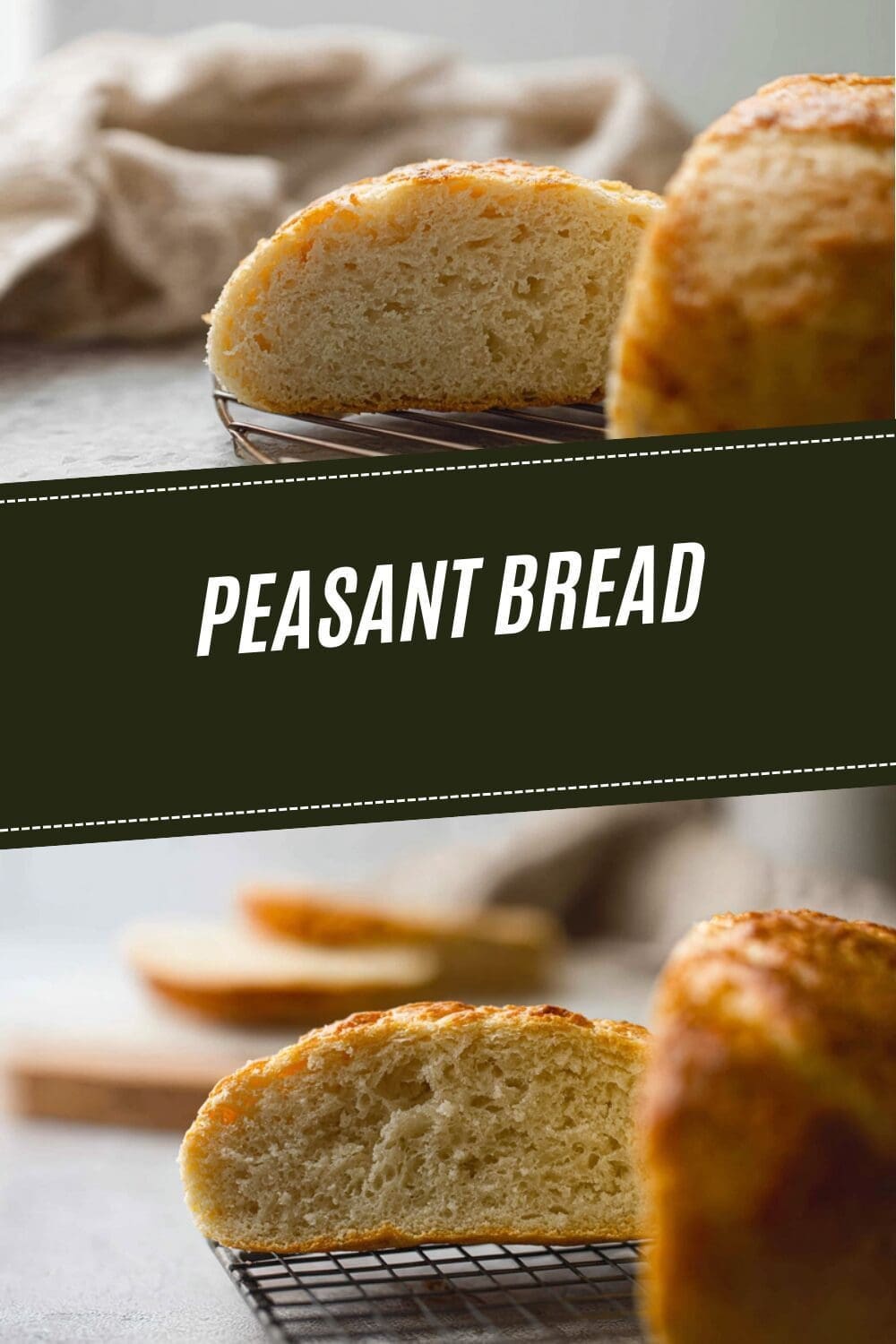
- Distinctive flavor: The golden, crisp crust and tender inside give this bread a unique appeal that’s hard to resist. Its high-hydration dough creates a soft texture with a slight tang from the yeast, perfect for everyday enjoyment or special events. Once you try it, you’ll see why it’s a reliable favorite that brings simple joy to your table.
This peasant bread recipe yields two loaves, ready in under three hours, and it’s as forgiving as it is delicious. For more baking inspiration on our blog, check out our classic red velvet cake that pairs wonderfully with fresh bread.
Jump to:
- Why You’ll Love This Peasant Bread
- Essential Ingredients for Peasant Bread
- Main Ingredients
- Special Dietary Options
- How to Prepare the Perfect Peasant Bread: Step-by-Step Guide
- Gathering and Mixing the Dough
- Shaping and Baking
- Dietary Substitutions to Customize Your Peasant Bread
- Protein and Main Component Alternatives
- Vegetable, Sauce, and Seasoning Modifications
- Mastering Peasant Bread: Advanced Tips and Variations
- Pro Cooking Techniques
- Flavor Variations
- How to Store Peasant Bread: Best Practices
- FAQs: Frequently Asked Questions About Peasant Bread
- What is peasant bread and how is it different from other types of bread?
- How do I make peasant bread at home without special equipment?
- What are the best flour types to use for an authentic peasant bread?
- How long does peasant bread stay fresh, and how should I store it?
- Can peasant bread be made without yeast, using natural fermentation instead?
- Peasant Bread
- Ingredients
- Instructions
- Last Step:
- Notes
- Nutrition
- Did you make this recipe?
Essential Ingredients for Peasant Bread
Gathering the right ingredients is the first step to baking success, and for peasant bread, everything comes together with pantry staples. Below, you’ll find a detailed list of all the ingredients needed, complete with precise measurements and explanations of their roles. This ensures your bread turns out perfect every time.
Main Ingredients
- 4 cups (512 g) unbleached all-purpose or bread flour – This forms the base of the dough, providing structure and gluten for a soft, tender crumb that makes the bread rise beautifully.
- 2 teaspoons (10 g) kosher salt – Essential for enhancing flavors and controlling yeast activity, helping create that crave-worthy taste without overpowering the dough.
- 2 cups (454 g) lukewarm water (prepared by mixing 1.5 cups cold water with 0.5 cup boiling water) – Activates the yeast and hydrates the flour, resulting in a sticky, high-hydration dough that leads to a moist interior.
- 2 teaspoons (8 g) sugar – Feeds the yeast for a proper rise and adds a subtle sweetness that balances the bread’s flavor.
- 2 teaspoons (8 g) instant yeast – The leavening agent that makes the dough double in size, ensuring a light and airy texture with minimal effort.
- About 2 tablespoons room temperature butter for greasing bowls – Keeps the dough from sticking and helps form a golden crust, adding a rich finish to the loaves.
Special Dietary Options
- Vegan: Swap the butter for a plant-based alternative like coconut oil or vegan margarine to grease the bowls, keeping the recipe entirely plant-based without altering the taste.
- Gluten-free: Use a gluten-free flour blend in place of all-purpose or bread flour, ensuring it’s a 1:1 substitute to maintain the dough’s texture, though you may need to adjust water slightly.
- Low-calorie: Reduce or omit the sugar entirely and opt for whole wheat flour to lower calories, focusing on the natural flavors for a healthier twist.
For a deeper look into bread-making basics, visit the essential baking tips section on our site.
How to Prepare the Perfect Peasant Bread: Step-by-Step Guide
Baking peasant bread is a breeze, and this guide walks you through every part with clear instructions. Start by gathering your ingredients and tools to make the process smooth and fun. With a total time of about two hours and 27 minutes, you’ll have fresh bread before you know it.
Gathering and Mixing the Dough
First Step: In a large bowl, whisk together the flour, salt, sugar, and instant yeast until everything is evenly combined. This sets the foundation for your dough and ensures the yeast distributes well for a consistent rise.
Second Step: Add the lukewarm water to the dry ingredients and mix with a spoon until the flour is fully absorbed, forming a sticky dough. Don’t worry if it’s messy this high-hydration mix is what gives the bread its soft crumb.
Third Step: Cover the bowl with a tea towel or plastic wrap and let the dough rise in a warm spot for 1 to 2 hours, until it doubles in size. To create a warm environment, briefly preheat your oven for one minute and then turn it off, but make sure it’s not too hot.
Shaping and Baking
Fourth Step: Preheat the oven to 425ºF and grease two 1-quart to 1.5-quart oven-safe bowls with the room temperature butter. Use two forks to gently deflate the dough by punching it down and scraping it from the sides, then divide it into two equal portions and place each into the prepared bowls.
Fifth Step: Let the dough rise again in the bowls for 20 to 30 minutes, until it rises above the rim. This second rise is key for that perfect, airy texture.
Sixth Step: Bake the loaves in the preheated oven for 15 minutes at 425ºF, then reduce the heat to 375ºF and bake for an additional 15 to 17 minutes. Keep an eye on them to ensure a golden crust forms.
Final Step: Remove the loaves from the oven, turn them out onto cooling racks, and if they look pale, bake them for an extra 5 minutes outside the bowls. Let them cool for 10 minutes before slicing to enjoy the full flavor. For the original inspiration, check out this original peasant bread recipe that started it all.
| Stage | Time Required | Tips |
|---|---|---|
| Rising | 1-2 hours | Use a warm spot for best results |
| Baking | 30-32 minutes | Monitor for golden crust |
| Cooling | 10 minutes | Prevents sogginess |

Dietary Substitutions to Customize Your Peasant Bread
Making peasant bread your own is easy with a few swaps, whether you’re catering to dietary needs or just experimenting. Let’s look at options for the main ingredients and other elements.
Protein and Main Component Alternatives
You can substitute up to 50% of the all-purpose flour with whole wheat flour, adjusting water slightly since whole wheat absorbs more moisture. For gluten-free versions, use a gluten-free flour blend to keep the dough’s structure intact.
Vegetable, Sauce, and Seasoning Modifications
Add nuts, seeds, or dried fruit to the dry ingredients for extra flavor and texture. For seasonings, coat the bowls with everything bagel seasoning for a twist, or reduce yeast slightly for high-altitude baking to maintain the rise.
Mastering Peasant Bread: Advanced Tips and Variations
Pro Cooking Techniques
Use a digital kitchen scale for accurate flour measurement to get consistent results every time. For a crustier loaf, bake in a preheated Dutch oven and reduce water by 20-30 grams for easier handling.
Flavor Variations
Mix in cheese or seeds for added taste, or make dinner rolls by dividing the dough into smaller portions and baking in muffin tins.
When I pull this bread from the oven, it always feels like a little victory in the kitchen.
How to Store Peasant Bread: Best Practices
- Refrigeration: Store at room temperature in sealed bags for short-term, as it stays fresh for 2-3 days.
- Freezing: Freeze sliced bread in sealed bags for up to three months to keep it fresh longer.
- Reheating: Warm day-old bread in a toaster or oven at 350ºF for 15-20 minutes to restore its texture.
- Meal Prep: Slice and freeze for easy batch cooking, making it simple for busy schedules.
FAQs: Frequently Asked Questions About Peasant Bread
What is peasant bread and how is it different from other types of bread?
How do I make peasant bread at home without special equipment?
What are the best flour types to use for an authentic peasant bread?
How long does peasant bread stay fresh, and how should I store it?
Can peasant bread be made without yeast, using natural fermentation instead?
Peasant Bread
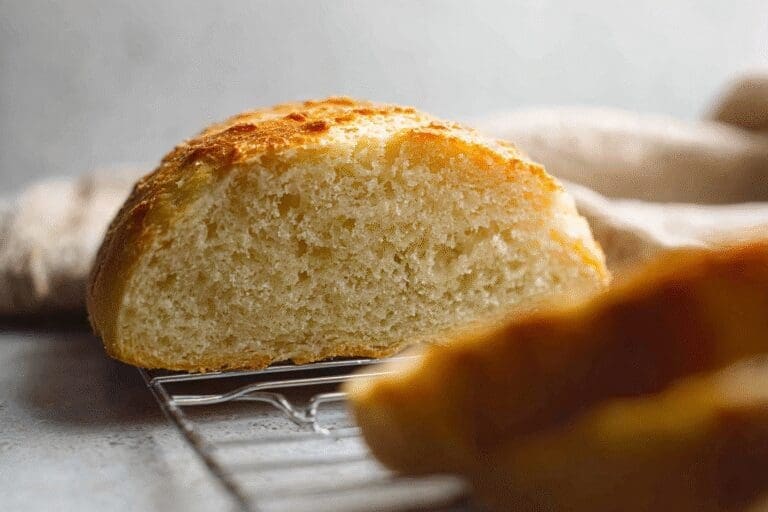
🍞 Peasant Bread is a simple no-knead recipe that produces two golden, crusty loaves with a soft and tender crumb.
🥖 This easy homemade bread is perfect for everyday meals, requiring minimal effort and no special equipment beyond oven-safe bowls.
- Total Time: 2 hours 27 minutes
- Yield: 2 loaves 1x
Ingredients
4 cups (512 g) unbleached all-purpose or bread flour This forms the base of the dough, providing structure and gluten for a soft, tender crumb that makes the bread rise beautifully.
2 teaspoons (10 g) kosher salt Essential for enhancing flavors and controlling yeast activity, helping create that crave-worthy taste without overpowering the dough.
2 cups (454 g) lukewarm water (prepared by mixing 1.5 cups cold water with 0.5 cup boiling water) Activates the yeast and hydrates the flour, resulting in a sticky, high-hydration dough that leads to a moist interior.
2 teaspoons (8 g) sugar Feeds the yeast for a proper rise and adds a subtle sweetness that balances the bread’s flavor.
2 teaspoons (8 g) instant yeast The leavening agent that makes the dough double in size, ensuring a light and airy texture with minimal effort.
About 2 tablespoons room temperature butter for greasing bowls Keeps the dough from sticking and helps form a golden crust, adding a rich finish to the loaves.
Instructions
First Step: In a large bowl, whisk together the flour, salt, sugar, and instant yeast until everything is evenly combined. This sets the foundation for your dough and ensures the yeast distributes well for a consistent rise.
Second Step: Add the lukewarm water to the dry ingredients and mix with a spoon until the flour is fully absorbed, forming a sticky dough. Don’t worry if it’s messy this high-hydration mix is what gives the bread its soft crumb.
Third Step: Cover the bowl with a tea towel or plastic wrap and let the dough rise in a warm spot for 1 to 2 hours, until it doubles in size. To create a warm environment, briefly preheat your oven for one minute and then turn it off, but make sure it’s not too hot.
Fourth Step: Preheat the oven to 425°F and grease two 1-quart to 1.5-quart oven-safe bowls with the room temperature butter. Use two forks to gently deflate the dough by punching it down and scraping it from the sides, then divide it into two equal portions and place each into the prepared bowls.
Fifth Step: Let the dough rise again in the bowls for 20 to 30 minutes, until it rises above the rim. This second rise is key for that perfect, airy texture.
Sixth Step: Bake the loaves in the preheated oven for 15 minutes at 425°F, then reduce the heat to 375°F and bake for an additional 15 to 17 minutes. Keep an eye on them to ensure a golden crust forms.
Final Step: Remove the loaves from the oven, turn them out onto cooling racks, and if they look pale, bake them for an extra 5 minutes outside the bowls. Let them cool for 10 minutes before slicing to enjoy the full flavor. For the original inspiration, check out this original peasant bread recipe that started it all.
Last Step:
Please leave a rating and comment letting us know how you liked this recipe! This helps our business to thrive and continue providing free, high-quality recipes for you.Notes
🍽 Use well-buttered oven-safe bowls to handle the sticky dough and get a great crust.
🌡 Create a warm rise environment by briefly preheating then turning off the oven for the first rise.
🍞 For variations, add nuts, seeds, dried fruit or substitute part of the flour with whole wheat to adjust flavor and texture.
- Prep Time: 5 minutes
- Rising time: 1 hour 30 minutes
- Cook Time: 32 minutes
- Category: Bread
- Method: No-knead baking
- Cuisine: American
- Diet: Vegetarian
Nutrition
- Serving Size: 1 slice