Why You’ll Love This Peasant Bread
Have you ever wanted a bread recipe that’s straightforward and rewarding without needing fancy tools or endless kneading? Peasant bread fits the bill perfectly, offering a delightful mix of simplicity and taste that appeals to home cooks, busy parents, and baking enthusiasts alike. This peasant bread recipe comes together quickly, using basic ingredients you likely have on hand, making it ideal for whipping up fresh loaves on a whim.
Beyond its ease, peasant bread brings some great perks for your health. It’s made with wholesome elements like flour and yeast, which can support digestion through fiber and deliver essential nutrients, making it a smart choice for diet-conscious individuals or anyone looking for a natural alternative to store-bought options. Plus, its rustic charm and soft, buttery crust create a comforting eating experience that feels like a warm hug from your kitchen.
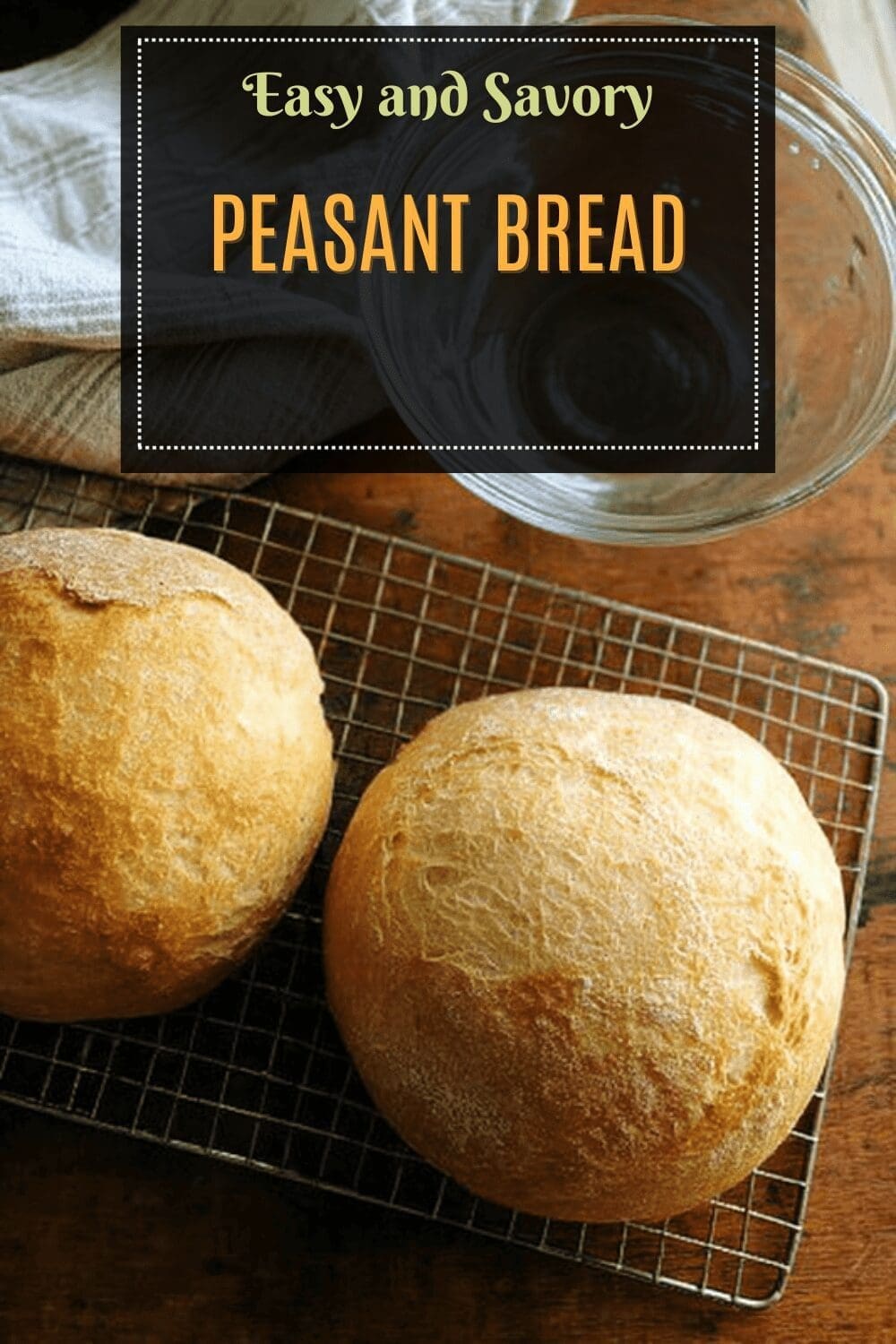
What really sets this peasant bread apart is its flexibility. You can tweak it for different dietary needs, such as going vegan or gluten-free, while keeping that signature flavor intact. Whether you’re baking for a family gathering or just enjoying a quiet meal, this recipe yields two soft loaves with a crispy exterior, proving that great bread doesn’t have to be complicated. It’s perfect for beginners to intermediate bakers aiming for that homemade magic in about 2 hours and 27 minutes from start to finish.
Jump to:
- Why You’ll Love This Peasant Bread
- Essential Ingredients for Peasant Bread
- Main Ingredients List
- Special Dietary Options
- How to Prepare the Perfect Peasant Bread: Step-by-Step Guide
- Gathering and Mixing the Dough
- Prepping for Baking
- Dietary Substitutions to Customize Your Peasant Bread
- Mastering Peasant Bread: Advanced Tips and Variations
- Flavor and Technique Boosts
- How to Store Peasant Bread: Best Practices
- FAQs: Frequently Asked Questions About Peasant Bread
- How can I store peasant bread to keep it fresh for several days?
- Can I make peasant bread using active dry yeast instead of instant yeast?
- What adjustments should I make to bake peasant bread in a Dutch oven?
- How do I add nuts, seeds, or dried fruit to peasant bread?
- Is it possible to make peasant bread with whole wheat flour, and how should I adjust the recipe?
- Peasant Bread
- Ingredients
- Instructions
- Last Step:
- Notes
- Nutrition
- Did you make this recipe?
Essential Ingredients for Peasant Bread
Gathering the right ingredients is key to making peasant bread that rises beautifully and tastes amazing. This recipe focuses on simple, high-quality items that create a sticky dough leading to a soft crumb and crispy crust. Let’s break down the essentials based on the reliable method we’ve got.
Main Ingredients List
- 4 cups unbleached all-purpose or bread flour
- 2 teaspoons kosher salt
- 2 teaspoons sugar
- 2 teaspoons instant yeast
- 2 cups lukewarm water (made by mixing 1.5 cups cold water with 0.5 cup boiling water)
- About 2 tablespoons room temperature butter for greasing bowls
These ingredients come together in minutes to form the base of your peasant bread. Each one plays a vital role, from the flour providing structure to the yeast helping it rise, ensuring a foolproof process for home cooks of all levels.
Special Dietary Options
For those adjusting for dietary preferences, consider these swaps. You can make it vegan by skipping the butter and using a plant-based alternative for greasing. If gluten-free is needed, replace the flour with a certified gluten-free blend, though you might need to experiment with hydration levels. For a healthier twist, swap up to 50% of the all-purpose flour with whole wheat flour and add a bit more water as needed to keep the dough consistent.
How to Prepare the Perfect Peasant Bread: Step-by-Step Guide
Ready to bake some peasant bread that smells like heaven and tastes even better? This no-knead method is as easy as it gets, taking you from mixing to enjoying fresh loaves in under three hours. Follow along, and you’ll see why it’s a favorite for busy families and food lovers.
Gathering and Mixing the Dough
In a large bowl, whisk together the 4 cups of unbleached all-purpose or bread flour, 2 teaspoons of kosher salt, 2 teaspoons of sugar, and 2 teaspoons of instant yeast. Pour in the 2 cups of lukewarm water and stir until the flour is fully absorbed, creating a sticky dough that holds everything together. Cover the bowl and let it rise in a warm spot for 1 to 2 hours, depending on your kitchen’s temperature this first rise is crucial for that soft crumb we’re after.
Prepping for Baking
Once the dough has doubled in size, preheat your oven to 425ºF and grease two 1-quart or 1.5-quart oven-safe bowls with about 2 tablespoons of room temperature butter. Use two forks to punch down the dough gently, then divide it into two equal portions and place each into the prepared bowls. Let it rise again for 20 to 30 minutes in a warm area until it crowns over the rim, giving you those beautiful, rounded tops.
Baking the Bread: Slide the bowls into the hot oven and bake for 15 minutes at 425ºF. Then, reduce the heat to 375ºF and continue baking for another 15 to 17 minutes. Keep an eye on it if the loaves look pale, pop them back in for an extra 5 minutes to get that perfect golden crust. Finally, turn the loaves out onto cooling racks and let them cool for at least 10 minutes before slicing to avoid a gummy texture.
| Step | Time Estimate | Tips |
|---|---|---|
| Mixing and first rise | 1 to 2 hours | Create a warm spot by briefly warming your oven and turning it off don’t overheat! |
| Second rise | 20 to 30 minutes | Ensure bowls are well-buttered for easy release. |
| Baking | 32 to 37 minutes | Use a digital scale for accurate measurements to nail the results every time. |

Dietary Substitutions to Customize Your Peasant Bread
Making peasant bread work for your lifestyle is simple with a few tweaks. Whether you’re dealing with allergies or just want to mix things up, these changes keep the bread delicious and adaptable. For instance, if you’re watching your diet, swapping flours can add nutrients without losing that cozy taste.
- Consider swapping the traditional wheat flour with spelt or rye for different flavors and protein profiles up to 50% can be replaced with whole wheat flour, just add a little extra water to adjust.
- For gluten sensitivity, use gluten-free flour blends like rice or almond flour to maintain the texture, though you may need to test hydration levels.
- Incorporate seasonal veggies or herbs, such as roasted garlic or rosemary, directly into the dry ingredients for added taste without extra effort.
- Go vegan by using a plant-based butter substitute for greasing, and ensure all add-ins are dairy-free.
These options make peasant bread a versatile staple. For more ideas on substitutions, check out our simple cake recipes page, where we share tips on adapting bakes for various needs.
Mastering Peasant Bread: Advanced Tips and Variations
Once you’ve nailed the basics, it’s fun to level up your peasant bread game with some pro tricks. Techniques like letting the dough rest after mixing can improve its structure, giving you a lighter crumb that’s worth the wait. This recipe’s flexibility means you can experiment while keeping things simple.
Flavor and Technique Boosts
Try adding nuts, seeds, dried fruit, or even cheese to the dry ingredients for a personalized twist stir in about 1/4 to 1/2 cup per loaf for even distribution. For deeper flavor, extend fermentation times or use the autolyse method by resting flour and water first. If you’re baking in a Dutch oven, reduce water by 20-30 grams and preheat it to 450ºF for 45 minutes to get that crispy crust.
If you’ve ever hesitated to try homemade bread because it seemed complicated, trust me this recipe will change your mind, and before you know it, your kitchen will smell like a cozy bakery without any fuss or special equipment.
Other variations include shaping the dough into rolls for a muffin tin or scaling up for sandwich loaves. At high altitudes, you might tweak yeast or water slightly, but this recipe often works as is. For seed coatings like everything bagel seasoning, sprinkle on before baking to enhance the crust.
How to Store Peasant Bread: Best Practices
Keeping your peasant bread fresh is easier than you think, helping you enjoy it longer without losing that wonderful texture. Store it properly to make the most of your baking efforts, especially if you’re prepping for the week ahead. This way, busy professionals or families can have homemade bread ready anytime.
- Keep it at room temperature in a paper bag or bread box for up to 2 days to preserve the crust’s crunch.
- For longer storage, slice and freeze in airtight bags thaw and reheat at 350ºF for 15 to 20 minutes to bring back that fresh-baked feel.
- Avoid refrigeration, as it can dry out the bread; instead, reheat in foil for 10-15 minutes if needed.
- Meal prep tip: Bake in batches and freeze portions to cut down on waste and save time during the week.
With these methods, your peasant bread stays tasty. For external inspiration on bread storage, visit this classic guide from a trusted source.
FAQs: Frequently Asked Questions About Peasant Bread
How can I store peasant bread to keep it fresh for several days?
Can I make peasant bread using active dry yeast instead of instant yeast?
What adjustments should I make to bake peasant bread in a Dutch oven?
How do I add nuts, seeds, or dried fruit to peasant bread?
Is it possible to make peasant bread with whole wheat flour, and how should I adjust the recipe?

Peasant Bread
🍞 This Peasant Bread recipe is easy to make, perfect for home bakers looking for a simple, rustic loaf with great flavor.
🥖 The buttery, crispy crust and soft crumb make this bread delicious every time, ideal for sandwiches or snacking.
- Total Time: 2 hours 27 minutes
- Yield: 2 loaves
Ingredients
– 4 cups unbleached all-purpose or bread flour
– 2 teaspoons kosher salt
– 2 teaspoons sugar
– 2 teaspoons instant yeast
– 2 cups lukewarm water (made by mixing 1.5 cups cold water with 0.5 cup boiling water)
– About 2 tablespoons room temperature butter for greasing bowls
Instructions
1-Gathering and Mixing the Dough: In a large bowl, whisk together the 4 cups of unbleached all-purpose or bread flour, 2 teaspoons of kosher salt, 2 teaspoons of sugar, and 2 teaspoons of instant yeast. Pour in the 2 cups of lukewarm water and stir until the flour is fully absorbed, creating a sticky dough that holds everything together. Cover the bowl and let it rise in a warm spot for 1 to 2 hours, depending on your kitchen’s temperature this first rise is crucial for that soft crumb we’re after.
2-Prepping for Baking: Once the dough has doubled in size, preheat your oven to 425ºF and grease two 1-quart or 1.5-quart oven-safe bowls with about 2 tablespoons of room temperature butter. Use two forks to punch down the dough gently, then divide it into two equal portions and place each into the prepared bowls. Let it rise again for 20 to 30 minutes in a warm area until it crowns over the rim, giving you those beautiful, rounded tops.
3-Baking the Bread: Slide the bowls into the hot oven and bake for 15 minutes at 425ºF. Then, reduce the heat to 375ºF and continue baking for another 15 to 17 minutes. Keep an eye on it if the loaves look pale, pop them back in for an extra 5 minutes to get that perfect golden crust. Finally, turn the loaves out onto cooling racks and let them cool for at least 10 minutes before slicing to avoid a gummy texture.
Last Step:
Please leave a rating and comment letting us know how you liked this recipe! This helps our business to thrive and continue providing free, high-quality recipes for you.Notes
⚖️ Use a digital scale for accurate measurements.
🧈 Grease your bowls well with butter to prevent sticking.
🌡️ Create a warm environment for rising by briefly warming oven, then turning it off but avoid overheating.
- Prep Time: 15 minutes active
- First rise time: 1 to 2 hours
- Cook Time: 32 to 37 minutes
- Category: Bread
- Method: No-knead rising and baking
- Cuisine: Rustic
- Diet: Vegetarian
Nutrition
- Serving Size: 1 slice