Why You’ll Love This Pot Roast
First off, this pot roast recipe stands out for its straightforward approach, making it ideal for home cooks who want a comforting meal without spending hours in the kitchen. The process involves simple steps that even busy parents or working professionals can handle, with prep time just around 30 minutes. By using ingredients like beef chuck roast and fresh vegetables, you’ll end up with a dish that delivers bold flavors while keeping things easy and efficient.
From a health perspective, pot roast offers a hearty dose of nutrients in every serving, with high protein from the beef and plenty of vitamins from vegetables such as carrots and potatoes. Each portion packs about 62g of protein, 10g of fiber, and essential minerals like potassium and iron, supporting a balanced diet for diet-conscious individuals or seniors. It’s a satisfying way to enjoy a meal that aligns with wellness goals without sacrificing taste.
The recipe’s versatility makes it adaptable to various dietary needs, such as low-calorie options or plant-based swaps, helping students, newlyweds, or family hosts tailor it to their preferences. Plus, the distinctive flavor comes from slow-cooking the beef chuck roast with herbs like thyme and red wine, creating tender, juicy results that food enthusiasts will savor. This combination of ease, nutrition, adaptability, and rich taste makes pot roast a go-to for any occasion, perfect for celebrations or everyday dinners.
Jump to:
- Why You’ll Love This Pot Roast
- Essential Ingredients for Pot Roast
- How to Prepare the Perfect Pot Roast: Step-by-Step Guide
- First Step: Prepare and Season the Beef
- Second Step: Sear the Beef
- Third Step: Sauté the Aromatics
- Fourth Step: Build the Broth and Cook the Roast
- Fifth Step: Add Vegetables
- Sixth Step: Thicken the Sauce
- Final Step: Serve the Pot Roast
- Dietary Substitutions to Customize Your Pot Roast
- Protein and Main Component Alternatives
- Vegetable, Sauce, and Seasoning Modifications
- Mastering Pot Roast: Advanced Tips and Variations
- Pro Cooking Techniques
- Flavor Variations
- Presentation Tips
- Make-Ahead Options
- How to Store Pot Roast: Best Practices
- FAQs: Frequently Asked Questions About Pot Roast
- What cut of beef is best for making a tender pot roast?
- How long should I cook a pot roast for the best texture?
- Can I prepare a pot roast without marinating it overnight?
- What vegetables pair best with pot roast?
- How can I reheat pot roast without drying it out?
- Pot Roast
- Ingredients
- Instructions
- Last Step:
- Notes
- Nutrition
- Did you make this recipe?
Essential Ingredients for Pot Roast
Choosing the right ingredients is key to making a delicious pot roast that brings out deep, satisfying flavors. Below is a structured list of all the ingredients needed, pulled directly from the recipe for clarity and precision. Each item includes its exact quantity, followed by a brief explanation of its role to help you understand why it’s important.
- 3 ½ to 4 pounds beef chuck roast – This tough cut becomes incredibly tender when slow-cooked, providing the main protein and rich beefy flavor that forms the heart of the dish.
- 2 tablespoons olive oil – Used for searing the meat, it adds a golden crust and helps lock in juices while enhancing the overall taste with its healthy fats.
- 1 yellow onion, peeled and julienned – Offers a sweet, caramelized base that builds depth in the broth and balances the savory elements of the pot roast.
- 2 leeks, thinly sliced and rinsed (using only white and yellow parts) – Adds a mild, onion-like flavor that complements the other vegetables without overpowering the dish.
- 6 garlic cloves, thinly sliced – Infuses the recipe with aromatic notes, boosting flavor and providing potential health benefits like immune support.
- 1 cup red wine – Deglazes the pot and adds acidity and complexity, helping to tenderize the meat and enrich the sauce.
- 3 tablespoons tomato paste – Thickens the broth and introduces a tangy sweetness that enhances the overall savoriness of the pot roast.
- 6 cups beef stock – Forms the liquid base, keeping everything moist and infusing the meat and vegetables with deep, beefy essence.
- 2 bay leaves – Provide subtle herbal undertones that elevate the flavor profile without dominating other ingredients.
- 8 to 10 sprigs fresh thyme – Brings earthy, fresh notes that pair well with the beef, adding layers of aroma to the final dish.
- 8 to 10 fresh parsley stems with leaves – Adds brightness and a touch of freshness, which can also serve as a garnish for visual appeal.
- 2 pounds baby Yukon potatoes – Absorb flavors from the broth and offer a creamy texture, making them a hearty, nutritious addition.
- 6 peeled regular carrots or 10 baby tri-colored carrots, cut into 2-inch pieces – Contribute natural sweetness and vitamins, becoming tender while soaking up the pot’s flavors.
- 4 ribs celery, cut into 2-inch pieces – Adds crunch and a slight bitterness that balances the richness, while providing essential nutrients.
- 2 parsnips, peeled and cut into 2-inch pieces – Bring a nutty sweetness and extra fiber, enhancing the vegetable medley’s variety.
- 1 rutabaga, peeled and cut into 1-inch cubes – Offers a hearty, earthy flavor and texture that complements the other root vegetables.
- 1/2 cup unsalted butter, softened – Helps thicken the sauce into a gravy-like consistency, adding richness and smoothness.
- Worcestershire sauce, to taste – Provides a tangy, umami boost that can be adjusted for personal flavor preferences.
- 1 tablespoon red wine vinegar – Adds acidity at the end to brighten the flavors and cut through the richness of the meat.
- Coarse salt and fresh cracked pepper, to taste – Essential for seasoning, enhancing all flavors and balancing the dish’s profile.
- Optional: Finely minced parsley, for garnish – Adds a pop of color and fresh taste, making the presentation more appealing.
For special dietary options, consider these adjustments to make your pot roast more inclusive:
- Vegan: Swap the beef chuck roast for plant-based proteins like seitan or large chunks of portobello mushrooms, and use vegetable stock instead of beef stock.
- Gluten-free: Ensure all ingredients, especially Worcestershire sauce, are certified gluten-free, and the butter can be replaced with a gluten-free alternative if needed.
- Low-calorie: Reduce the amount of butter or opt for low-fat versions, and use less red wine to cut down on calories while maintaining flavor.
How to Prepare the Perfect Pot Roast: Step-by-Step Guide
Getting pot roast right involves a few key steps that turn simple ingredients into a mouthwatering meal. Start by gathering all your ingredients and tools, as this sets the stage for smooth cooking. This method uses a Dutch oven for even heat distribution, ensuring the beef becomes fork-tender and flavorful.
First Step: Prepare and Season the Beef
Begin by generously seasoning the 3 ½ to 4 pounds beef chuck roast on all sides with coarse salt. Place the seasoned roast on a rack over a sheet tray, uncovered, in the refrigerator for 12 to 48 hours to enhance flavor and tenderness, which works well for busy schedules. This step can be skipped if you’re short on time, but it adds depth that diet-conscious individuals might appreciate for better nutrient absorption.
Second Step: Sear the Beef
Remove the beef from the fridge and season all sides with fresh cracked pepper. Heat 2 tablespoons olive oil in a large Dutch oven over high heat until it smokes lightly, then sear the beef on all sides until golden brown, about 3 to 4 minutes per side. This creates a tasty crust that locks in juices, making pot roast more flavorful and satisfying for food enthusiasts. For low-calorie adaptations, use a non-stick pan to reduce oil.
Third Step: Sauté the Aromatics
Set the seared beef aside, then add 1 julienned yellow onion and 2 thinly sliced leeks to the pot, seasoning with salt. Sauté for 4 to 6 minutes on low to medium heat until browned, which takes about 10 minutes total. Stir in 6 thinly sliced garlic cloves and cook for 30 to 45 seconds until fragrant, building a flavorful base that appeals to various tastes. Seniors might prefer this step for its gentle flavors that are easy to digest.
Fourth Step: Build the Broth and Cook the Roast
Deglaze the pot with ¼ cup of the red wine and cook until absorbed, then stir in 3 tablespoons tomato paste and cook for 2 to 3 minutes. Add the remaining ¾ cup red wine, 6 cups beef stock, 2 bay leaves, 8 to 10 sprigs fresh thyme, 8 to 10 fresh parsley stems, and more salt and pepper to taste; stir to combine. Return the beef to the pot, bring to a boil, cover, and place in the oven at 325°F for 3 ½ to 4 hours until it reaches 200° to 210°F internally. For travelers or working professionals, this slow-cooking method allows for hands-off time.
Fifth Step: Add Vegetables
With 70 minutes left in cooking, add 2 pounds baby Yukon potatoes, 6 peeled carrots or 10 baby tri-colored carrots cut into 2-inch pieces, 4 ribs celery cut into 2-inch pieces, 2 parsnips cut into 2-inch pieces, and 1 rutabaga cut into 1-inch pieces. This timing prevents overcooking, similar to Yankee pot roast style, and ensures veggies stay firm yet flavorful. Busy parents can use this to align with meal prep routines for dietary needs.
Sixth Step: Thicken the Sauce
Remove the beef from the pot, then mix 1/2 cup softened unsalted butter with flour to make a beurre manie. Add it to the pot’s liquid and vegetables, cooking over low to medium heat for 3 to 5 minutes until the sauce thickens like gravy. Stir in 1 tablespoon red wine vinegar and Worcestershire sauce to taste, adjusting for those with dietary restrictions like low-sodium options. This step enhances the pot roast’s appeal for special occasion hosts.
Final Step: Serve the Pot Roast
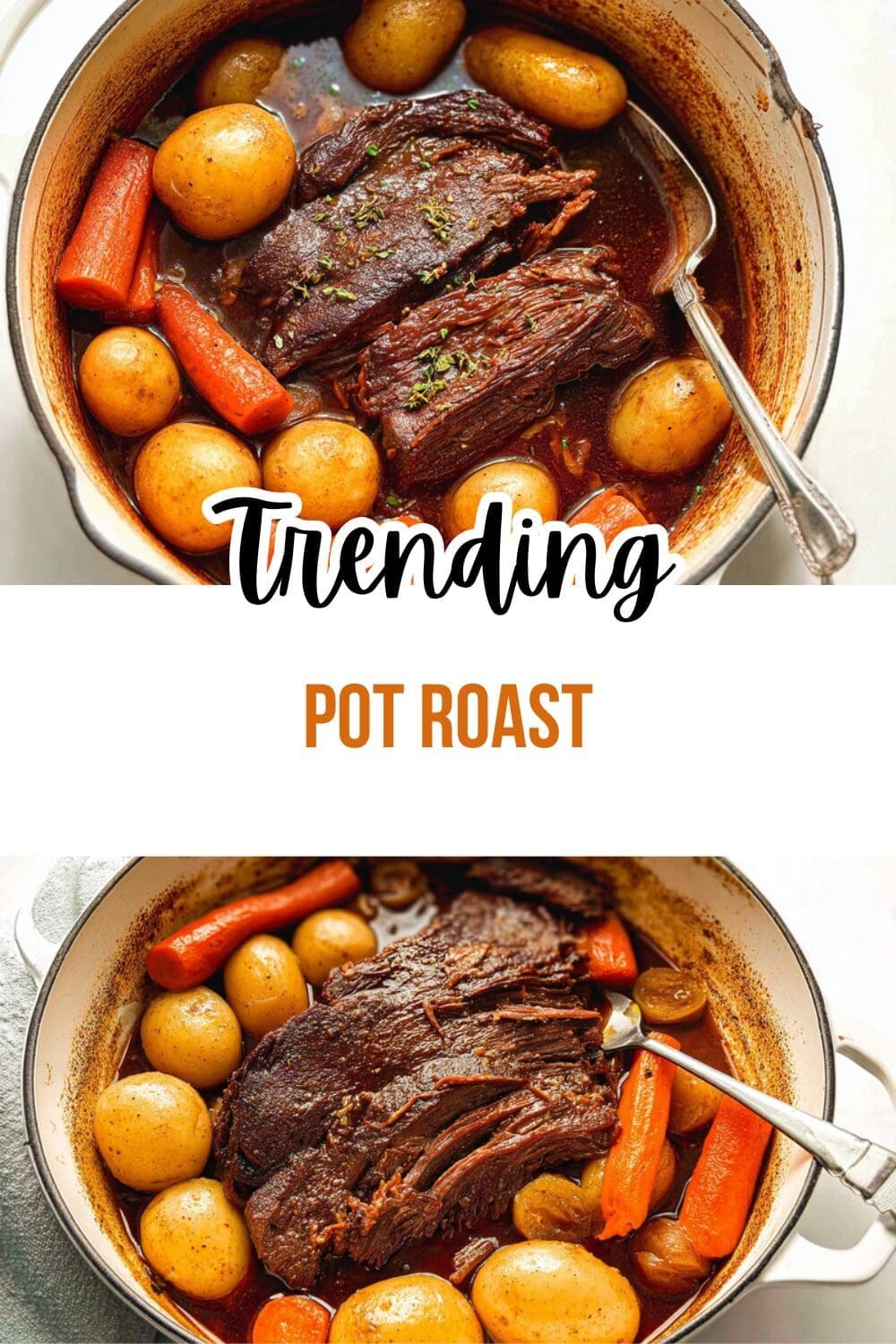
Return the beef to the pot and let it rest for a few minutes before serving. Garnish with finely minced parsley if desired, and plate with the vegetables and sauce. This pot roast serves as a complete meal, with each serving offering about 821 calories and a balance of carbs, protein, and fats. For a link to more ideas, check out our red velvet cake recipe for dessert pairings that complement hearty mains.

Dietary Substitutions to Customize Your Pot Roast
Protein and Main Component Alternatives
If beef isn’t suitable, try swapping the 3 ½ to 4 pounds beef chuck roast for alternatives like pork shoulder or lamb, which cook similarly and offer a different texture and flavor. For plant-based options, use large chunks of jackfruit or seitan to mimic the meat’s tenderness, reducing cooking time by about 30 minutes to avoid mushiness. These vegetarian substitutes maintain the pot roast’s heartiness while boosting nutrition, such as higher fiber, but may make the dish lighter in protein content.
Vegetable, Sauce, and Seasoning Modifications
For vegetable swaps, replace carrots with sweet potatoes for a lower-glycemic option, or use seasonal greens like kale in the last hour to add vitamins without altering cook time much. In the sauce, opt for low-sodium beef stock and gluten-free thickeners like arrowroot instead of flour-based beurre manie, and choose dairy-free butter for a vegan twist. Seasoning adjustments, such as swapping thyme for rosemary, can enhance flavor balance, ensuring the pot roast fits various dietary needs like low-calorie or gluten-free preferences.
Mastering Pot Roast: Advanced Tips and Variations
Pro Cooking Techniques
To elevate your pot roast, focus on even searing for better flavor development, and consider using a meat thermometer to hit the perfect 200° to 210°F. Adding vegetables later, as in this recipe, prevents overcooking and preserves their nutrients, making it ideal for health-focused meals.
Flavor Variations
Experiment with herbs by adding mushrooms for an earthy twist or using different wines for unique tastes. These changes can make pot roast more exciting for food enthusiasts while keeping the core recipe intact.
Presentation Tips
Garnish with fresh parsley and serve in a large bowl for a family-style appeal, which works well for celebration planners. For an external resource on beef nutrition, check out this guide.
Make-Ahead Options
Prep ingredients the night before to save time, perfect for busy parents, and reheat gently as suggested. This approach ensures pot roast remains a staple for weekly meals, with adjustments for dietary needs.
How to Store Pot Roast: Best Practices
Proper storage keeps pot roast fresh and tasty for later. For refrigeration, cool the dish completely and store in an airtight container for up to 4 days, which helps maintain its flavors for busy schedules.
When freezing, portion the pot roast into freezer-safe bags with some sauce to preserve moisture, lasting up to 3 months. For reheating, warm on low heat with added broth to avoid drying out, ideal for working professionals.
Meal prep tips include dividing into single-serve containers, allowing easy grabs for students or travelers while adapting to dietary substitutions.
FAQs: Frequently Asked Questions About Pot Roast
What cut of beef is best for making a tender pot roast?
How long should I cook a pot roast for the best texture?
Can I prepare a pot roast without marinating it overnight?
What vegetables pair best with pot roast?
How can I reheat pot roast without drying it out?

Pot Roast
🐄 This classic pot roast recipe delivers tender, slow-cooked beef bursting with rich, savory flavors for a comforting, hearty meal.
🥕 With a medley of vegetables and a flavorful gravy, it creates a satisfying one-pot dish perfect for family dinners.
- Total Time: 5 hours
- Yield: 6 to 8 servings 1x
Ingredients
3 ½ to 4 pounds beef chuck roast
2 tablespoons olive oil for searing the meat
1 yellow onion, peeled and julienned
2 leeks, thinly sliced and rinsed (using only white and yellow parts)
6 garlic cloves, thinly sliced
1 cup red wine for deglazing the pot
3 tablespoons tomato paste to thicken the broth
6 cups beef stock
2 bay leaves
8 to 10 sprigs fresh thyme
8 to 10 fresh parsley stems with leaves
2 pounds baby Yukon potatoes
6 peeled regular carrots or 10 baby tri-colored carrots, cut into 2-inch pieces
4 ribs celery, cut into 2-inch pieces
2 parsnips, peeled and cut into 2-inch pieces
1 rutabaga, peeled and cut into 1-inch cubes
1/2 cup unsalted butter, softened to thicken the sauce
Worcestershire sauce, to taste
1 tablespoon red wine vinegar to brighten the flavors
Coarse salt and fresh cracked pepper, to taste
Finely minced parsley, for garnish
Instructions
First Step: Prepare and Season the Beef Begin by generously seasoning the 3 ½ to 4 pounds beef chuck roast on all sides with coarse salt. Place the seasoned roast on a rack over a sheet tray, uncovered, in the refrigerator for 12 to 48 hours to enhance flavor and tenderness, which works well for busy schedules. This step can be skipped if you’re short on time, but it adds depth that diet-conscious individuals might appreciate for better nutrient absorption.
Second Step: Sear the Beef Remove the beef from the fridge and season all sides with fresh cracked pepper. Heat 2 tablespoons olive oil in a large Dutch oven over high heat until it smokes lightly, then sear the beef on all sides until golden brown, about 3 to 4 minutes per side. This creates a tasty crust that locks in juices, making pot roast more flavorful and satisfying for food enthusiasts. For low-calorie adaptations, use a non-stick pan to reduce oil.
Third Step: Sauté the Aromatics Set the seared beef aside, then add 1 julienned yellow onion and 2 thinly sliced leeks to the pot, seasoning with salt. Sauté for 4 to 6 minutes on low to medium heat until browned, which takes about 10 minutes total. Stir in 6 thinly sliced garlic cloves and cook for 30 to 45 seconds until fragrant, building a flavorful base that appeals to various tastes. Seniors might prefer this step for its gentle flavors that are easy to digest.
Fourth Step: Build the Broth and Cook the Roast Deglaze the pot with ¼ cup of the red wine and cook until absorbed, then stir in 3 tablespoons tomato paste and cook for 2 to 3 minutes. Add the remaining ¾ cup red wine, 6 cups beef stock, 2 bay leaves, 8 to 10 sprigs fresh thyme, 8 to 10 fresh parsley stems, and more salt and pepper to taste; stir to combine. Return the beef to the pot, bring to a boil, cover, and place in the oven at 325°F for 3 ½ to 4 hours until it reaches 200° to 210°F internally. For travelers or working professionals, this slow-cooking method allows for hands-off time.
Fifth Step: Add Vegetables With 70 minutes left in cooking, add 2 pounds baby Yukon potatoes, 6 peeled carrots or 10 baby tri-colored carrots cut into 2-inch pieces, 4 ribs celery cut into 2-inch pieces, 2 parsnips cut into 2-inch pieces, and 1 rutabaga cut into 1-inch pieces. This timing prevents overcooking, similar to Yankee pot roast style, and ensures veggies stay firm yet flavorful. Busy parents can use this to align with meal prep routines for dietary needs.
Sixth Step: Thicken the Sauce Remove the beef from the pot, then mix 1/2 cup softened unsalted butter with flour to make a beurre manie. Add it to the pot’s liquid and vegetables, cooking over low to medium heat for 3 to 5 minutes until the sauce thickens like gravy. Stir in 1 tablespoon red wine vinegar and Worcestershire sauce to taste, adjusting for those with dietary restrictions like low-sodium options. This step enhances the pot roast’s appeal for special occasion hosts.
Final Step: Serve the Pot Roast Return the beef to the pot and let it rest for a few minutes before serving. Garnish with finely minced parsley if desired, and plate with the vegetables and sauce. This pot roast serves as a complete meal, with each serving offering about 821 calories and a balance of carbs, protein, and fats. For a link to more ideas, check out our red velvet cake recipe for dessert pairings that complement hearty mains.
Last Step:
Please leave a rating and comment letting us know how you liked this recipe! This helps our business to thrive and continue providing free, high-quality recipes for you.Notes
🕰️ Salt the beef and refrigerate uncovered for up to 48 hours to deepen flavor.
🥕 Add vegetables later in cooking to avoid overcooking and achieve perfect tenderness.
🍲 Use a large Dutch oven or similar heavy pot for even cooking and heat retention.
- Prep Time: 30 minutes
- Cook Time: 4 hours 30 minutes
- Category: Main Dish
- Method: Slow-cooking, braising
- Cuisine: American
- Diet: Gluten-Free
Nutrition
- Serving Size: 1 serving
- Calories: 821
- Sugar: 13 g
- Sodium: 828 mg
- Fat: 36 g
- Saturated Fat: 14 g
- Unsaturated Fat: 22 g
- Trans Fat: 2 g
- Carbohydrates: 59 g
- Fiber: 10 g
- Protein: 62 g
- Cholesterol: 183 mg