Why You’ll Love This Pot Roast
This pot roast recipe brings together simple ingredients and easy steps to create a meal that’s both comforting and delicious. With its tender beef and rich vegetables, it fits perfectly into busy days while delivering deep, savory flavors that make every bite worthwhile. Home cooks will appreciate how this pot roast offers a balance of nutrition and taste, making it a go-to option for family dinners.
One of the biggest draws is the ease of preparation, which needs only a short time to get started before the oven does the rest. This pot roast supports balanced nutrition through proteins and fresh veggies, helping you feel good about what you’re serving. Its flexibility lets you tweak it for all kinds of dietary needs, ensuring everyone at the table can enjoy it.
Beyond that, the distinctive flavor from slow cooking and special seasonings sets this pot roast apart, giving you a dish that’s full of depth and warmth. Whether you’re new to cooking or a pro, this recipe shines with its straightforward approach and rewarding results. The pot roast’s rich taste makes it a favorite that you’ll want to make again and again.
Benefits of Simplicity
This recipe’s simple steps mean less time in the kitchen, letting you focus on other tasks. The pot roast’s convenience is ideal for busy parents and working professionals, offering a hearty meal without much effort. Plus, the fresh ingredients add a nutritious boost that fits diets for health-conscious folks.
Adapting to Preferences
You can easily adjust this pot roast for gluten-free or vegan options, making it versatile for any group. This flexibility helps food enthusiasts experiment while keeping the core flavors intact. In short, pot roast adapts to your lifestyle, enhancing its appeal for all kinds of eaters.
Jump to:
- Why You’ll Love This Pot Roast
- Benefits of Simplicity
- Adapting to Preferences
- Essential Ingredients for Pot Roast
- How to Prepare the Perfect Pot Roast: Step-by-Step Guide
- First Steps: Seasoning and Searing
- Building the Base
- Simmering and Cooking
- Finishing Touches
- Dietary Substitutions to Customize Your Pot Roast
- Options for Special Diets
- Mastering Pot Roast: Advanced Tips and Variations
- Flavor and Presentation Ideas
- How to Store Pot Roast: Best Practices
- FAQs: Frequently Asked Questions About Pot Roast
- What is the best cut of beef for making pot roast?
- How long should I cook pot roast to get the best tenderness?
- Can I make pot roast in a slow cooker or Instant Pot, and how do the methods differ?
- What vegetables should I add to pot roast, and when is the best time to add them?
- How can I make pot roast gravy from the cooking juices?
- Pot Roast
- Ingredients
- Instructions
- Last Step:
- Notes
- Nutrition
- Did you make this recipe?
Essential Ingredients for Pot Roast
Gathering the right ingredients is key to making a great pot roast, and this list covers everything you need for a flavorful dish. Below, you’ll find a structured list of all the ingredients from the recipe, ensuring you have precise measurements for success. This setup makes it easy to shop and prepare without missing a thing.
- 3 ½ to 4 pound beef chuck roast
- 2 tablespoons olive oil
- 1 peeled yellow onion, julienned
- 2 thinly sliced and rinsed leeks (white and yellow parts only)
- 6 thinly sliced garlic cloves
- 1 cup red wine
- 3 tablespoons tomato paste
- 6 cups beef stock (or substitute with water as needed)
- 2 bay leaves
- 8 to 10 sprigs fresh thyme
- 8 to 10 fresh parsley stems with leaves
- 2 pounds baby Yukon potatoes
- 6 peeled regular or 10 baby tri-colored carrots, cut into 2-inch pieces
- 4 ribs celery, cut into 2-inch pieces
- 2 peeled parsnips, cut into 2-inch pieces
- 1 peeled rutabaga, cut into 1-inch cubes
- ½ cup softened unsalted butter
- Worcestershire sauce to taste
- 1 tablespoon red wine vinegar
- Coarse salt and fresh cracked pepper to taste
- Optional: finely minced parsley for garnish
These ingredients come together to build layers of flavor, with the beef as the star and veggies adding color and nutrition. For special diets, you can swap in options like plant-based broth for vegan versions or check labels for gluten-free items.
How to Prepare the Perfect Pot Roast: Step-by-Step Guide
Creating the perfect pot roast starts with preheating your oven to 325°F, which sets the stage for tender results. Begin by preparing all ingredients, like washing and chopping vegetables, and patting the beef dry for a good sear that locks in flavors. This step-by-step guide walks you through the process, making it simple for anyone to follow along.
First Steps: Seasoning and Searing
Generously season the beef with salt on all sides and place it on a rack over a sheet tray, then refrigerate uncovered for 12 to 48 hours to enhance flavor. After that, remove the beef and season it with pepper all over. Heat olive oil in a large Dutch oven over high heat until it smokes lightly, then sear the beef on all sides until golden brown, about 3-4 minutes per side, and set it aside for later.
This initial sear adds a rich crust that boosts the overall taste of the pot roast. Once done, move on to the next steps to build the base flavors.
Building the Base
Add onions and leeks to the pot, season with salt, and sauté for 4 to 6 minutes. Reduce the heat to low-medium and cook for another 10 minutes until the onions are well browned. Stir in garlic and cook for 30 to 45 seconds until it’s fragrant, creating a solid foundation for your pot roast.
Next, deglaze the pot with ¼ cup red wine and cook until it’s absorbed, which helps lift those tasty bits from the bottom. Stir in tomato paste and cook for 2 to 3 minutes to deepen the flavors even more.
Simmering and Cooking
Add the remaining ¾ cup red wine, beef stock, bay leaves, thyme, parsley, salt, and pepper, then stir to combine everything. Return the seared beef to the pot, bring it to a boil, cover with a lid, and place it in the oven on the lower third rack.
Cook for 3 ½ to 4 hours until the beef is fork tender and reaches an internal temperature of 200° to 210°F. About 70 minutes before it’s done, add potatoes, carrots, celery, parsnips, and rutabaga to let them absorb flavors without overcooking.
Finishing Touches
Once cooked, carefully remove the beef and set it aside. Mix softened butter with flour to make a beurre manie, then add it to the pot with the vegetables and liquid. Cook over low to medium heat for 3 to 5 minutes until the sauce thickens to a gravy consistency.
Stir in red wine vinegar and Worcestershire sauce for a bright finish, then return the beef to the pot and serve, garnishing with parsley if desired. For more tips on slow cooking, check out our guide to slow cooking on the site. This pot roast recipe fits various diets by adjusting ingredients as needed.

Dietary Substitutions to Customize Your Pot Roast
Customizing your pot roast for different needs is straightforward, and this section covers key swaps to keep things tasty. For protein alternatives, try seitan or jackfruit in place of beef for vegan options, which maintain a similar texture. You can also use poultry or pork for a leaner twist, ensuring the pot roast stays hearty and satisfying.
When it comes to vegetables and seasonings, swap in parsnips or turnips for variety, or use mushroom gravy instead of the traditional one for a fresh take. Adjusting herbs like rosemary or thyme can cater to personal tastes, making your pot roast even more enjoyable. These changes help incorporate synonyms of pot roast naturally, like slow-cooked beef dishes, for better variety.
Options for Special Diets
For gluten-free versions, double-check broth and seasonings, and for low-calorie adjustments, increase veggies and reduce oil. These tweaks make the recipe adaptable for busy parents or seniors looking for lighter meals. Overall, pot roast variations ensure everyone finds a version they love.
Mastering Pot Roast: Advanced Tips and Variations
Taking your pot roast to the next level involves some pro techniques, like using a dry rub with spices overnight for deeper flavor. You can also opt for a slow cooker or pressure cooker to save time while keeping the meat tender and juicy. These methods add flexibility to your routine, making pot roast a reliable choice for any day.
Flavor and Presentation Ideas
For flavor variations, add wine or fresh herbs like sage to create unique profiles that elevate the dish. When serving, slice the roast against the grain for maximum tenderness and garnish with fresh greens for a nice look. Preparing ahead lets flavors intensify, so make it the day before and reheat gently.
As an external resource, see cooking tips for beginners to refine your skills. This approach keeps your pot roast fresh and exciting with each try.
How to Store Pot Roast: Best Practices
Proper storage keeps your pot roast fresh and safe to eat later, starting with refrigeration in an airtight container for up to 4 days. Freezing works well too, by wrapping portions tightly and storing them for up to 3 months. Reheating should be done gently in the oven or microwave to keep everything moist and tasty.
For meal prep, cook larger batches to have ready-made meals, which is great for students or working professionals. For more on preserving meals, check out our meal prep guide. Following these steps ensures your pot roast remains delicious over time.
FAQs: Frequently Asked Questions About Pot Roast
What is the best cut of beef for making pot roast?
How long should I cook pot roast to get the best tenderness?
Can I make pot roast in a slow cooker or Instant Pot, and how do the methods differ?
What vegetables should I add to pot roast, and when is the best time to add them?
How can I make pot roast gravy from the cooking juices?

Pot Roast
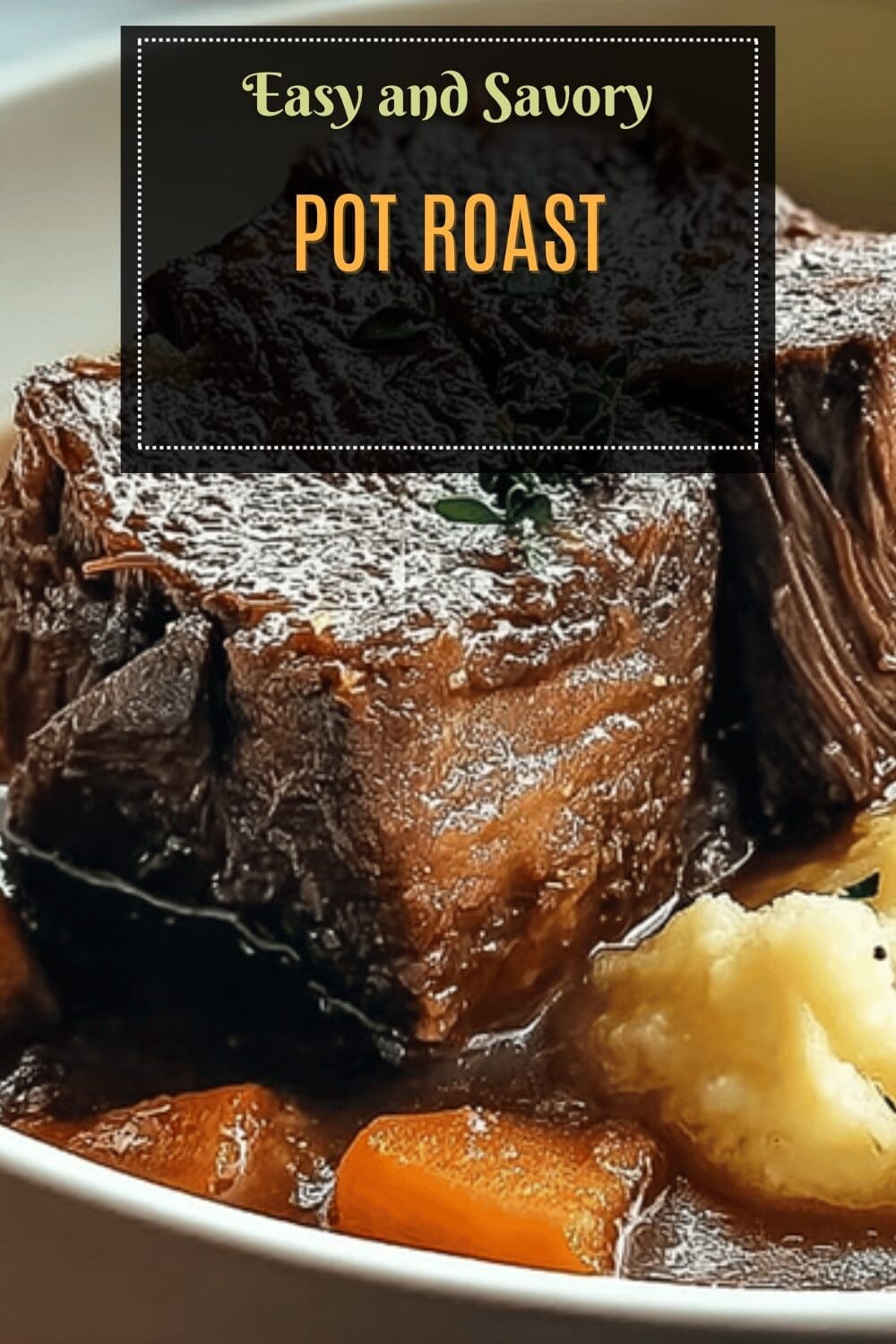
🥩 Classic Pot Roast features tender beef perfectly slow-cooked with rich, flavorful vegetables.
🍲 This comforting one-pot meal is ideal for family dinners, delivering hearty taste and nourishing ingredients.
- Total Time: 5 hours
- Yield: 6–8 servings 1x
Ingredients
3 ½ to 4 pound beef chuck roast
2 tablespoons olive oil
1 peeled yellow onion, julienned
2 thinly sliced and rinsed leeks (white and yellow parts only)
6 thinly sliced garlic cloves
1 cup red wine
3 tablespoons tomato paste
6 cups beef stock (or substitute with water as needed)
2 bay leaves
8 to 10 sprigs fresh thyme
8 to 10 fresh parsley stems with leaves
2 pounds baby Yukon potatoes
6 peeled regular or 10 baby tri-colored carrots, cut into 2-inch pieces
4 ribs celery, cut into 2-inch pieces
2 peeled parsnips, cut into 2-inch pieces
1 peeled rutabaga, cut into 1-inch cubes
½ cup softened unsalted butter
Worcestershire sauce to taste
1 tablespoon red wine vinegar
Coarse salt and fresh cracked pepper to taste
finely minced parsley for garnish
Instructions
1-How to Prepare the Perfect Pot Roast: Step-by-Step Guide: Creating the perfect pot roast starts with preheating your oven to 325°F, which sets the stage for tender results. Begin by preparing all ingredients, like washing and chopping vegetables, and patting the beef dry for a good sear that locks in flavors. This step-by-step guide walks you through the process, making it simple for anyone to follow along.
2-First Steps: Seasoning and Searing: Generously season the beef with salt on all sides and place it on a rack over a sheet tray, then refrigerate uncovered for 12 to 48 hours to enhance flavor. After that, remove the beef and season it with pepper all over. Heat olive oil in a large Dutch oven over high heat until it smokes lightly, then sear the beef on all sides until golden brown, about 3-4 minutes per side, and set it aside for later.
This initial sear adds a rich crust that boosts the overall taste of the pot roast. Once done, move on to the next steps to build the base flavors.
3-Building the Base: Add onions and leeks to the pot, season with salt, and sauté for 4 to 6 minutes. Reduce the heat to low-medium and cook for another 10 minutes until the onions are well browned. Stir in garlic and cook for 30 to 45 seconds until it’s fragrant, creating a solid foundation for your pot roast.
Next, deglaze the pot with ¼ cup red wine and cook until it’s absorbed, which helps lift those tasty bits from the bottom. Stir in tomato paste and cook for 2 to 3 minutes to deepen the flavors even more.
4-Simmering and Cooking: Add the remaining ¾ cup red wine, beef stock, bay leaves, thyme, parsley, salt, and pepper, then stir to combine everything. Return the seared beef to the pot, bring it to a boil, cover with a lid, and place it in the oven on the lower third rack.
Cook for 3 ½ to 4 hours until the beef is fork tender and reaches an internal temperature of 200° to 210°F. About 70 minutes before it’s done, add potatoes, carrots, celery, parsnips, and rutabaga to let them absorb flavors without overcooking.
5-Finishing Touches: Once cooked, carefully remove the beef and set it aside. Mix softened butter with flour to make a beurre manie, then add it to the pot with the vegetables and liquid. Cook over low to medium heat for 3 to 5 minutes until the sauce thickens to a gravy consistency.
Stir in red wine vinegar and Worcestershire sauce for a bright finish, then return the beef to the pot and serve, garnishing with parsley if desired. For more tips on slow cooking, check out our guide to slow cooking on the site. This pot roast recipe fits various diets by adjusting ingredients as needed.
Last Step:
Please leave a rating and comment letting us know how you liked this recipe! This helps our business to thrive and continue providing free, high-quality recipes for you.Notes
🍲 Use a large pot or Dutch oven to braise the beef for even cooking.
🥕 Add vegetables about 70 minutes before the end of cooking to prevent overcooking.
🧈 Beurre manie (butter and flour paste) thickens the sauce into a rich, silky gravy.
- Prep Time: 30 minutes
- Cook Time: 4 hours 30 minutes
- Category: Main Dish
- Method: Braising and roasting
- Cuisine: American
- Diet: Gluten-Free (check Worcestershire sauce), Dairy in beurre manie
Nutrition
- Serving Size: 1 serving
- Calories: 550
- Sugar: 7g
- Sodium: 600mg
- Fat: 35g
- Saturated Fat: 15g
- Unsaturated Fat: —
- Trans Fat: 0g
- Carbohydrates: 25g
- Fiber: 5g
- Protein: 45g
- Cholesterol: 135mg