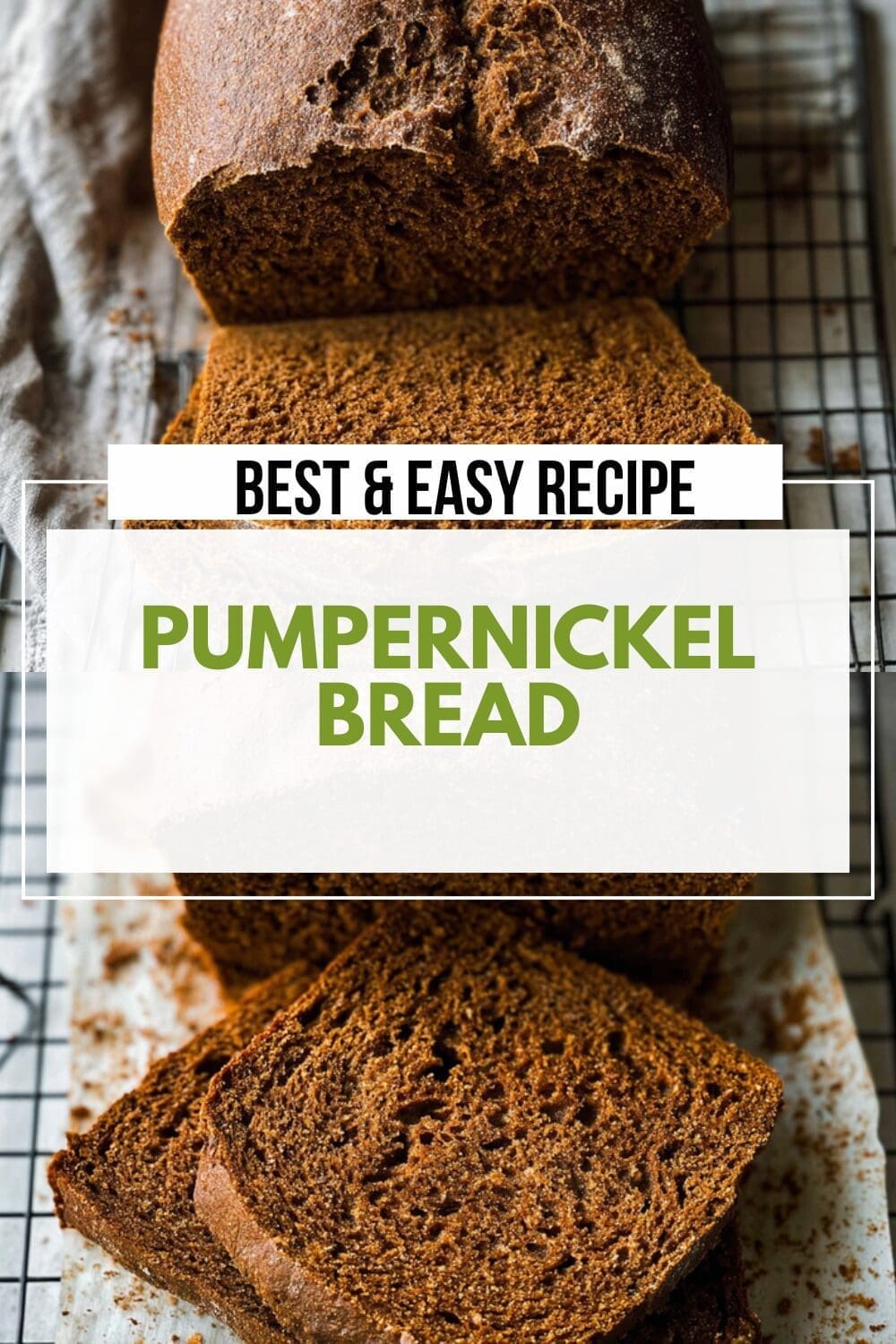
Why You’ll Love This Pumpernickel Bread
Have you ever bitten into a slice of pumpernickel bread and felt that warm, comforting hug from its rich, hearty texture? Pumpernickel bread is one of those classic recipes that brings a touch of authentic German tradition right into your kitchen, and trust me, once you try this homemade version, you’ll wonder why you didn’t make it sooner. It’s not just about the taste; it’s about how simple it is to whip up, even if you’re juggling a busy day. Let me walk you through a few reasons why this pumpernickel bread recipe stands out as a go-to for home cooks like me.
- Ease of preparation: This pumpernickel bread recipe is straightforward and takes only about 20 minutes of prep time, making it perfect for busy parents or working professionals who want a fresh loaf without spending all day in the kitchen. You’ll mix everything in one bowl and let the dough rise while you handle other tasks, so it’s less hands-on than you might think. Plus, with a total time of around 2 hours and 55 minutes, it’s quicker than many artisan breads and uses basic tools you likely already have.
- Health benefits: Packed with whole grains from rye flour, this homemade pumpernickel bread offers a nutritional boost that appeals to diet-conscious individuals and food enthusiasts alike. Each slice has about 397 calories, and the fiber from the rye helps with digestion while keeping you fuller longer it’s a smart swap for regular white bread if you’re watching your intake. I love how the recipe incorporates natural ingredients like molasses for a touch of sweetness without overloading on refined sugars, making it a healthier option for families.
- Versatility: Whether you’re a student grabbing a quick sandwich or a celebration planner turning it into a elegant appetizer, pumpernickel bread adapts to so many meals. It pairs beautifully with butter, soups, or even as a base for open-faced sandwiches, and you can tweak it for different dietary needs like vegan swaps. For baking enthusiasts, it’s a fun project that fits into various occasions, from casual dinners to holiday gatherings.
- Distinctive flavor: What really sets this German dark rye apart is its slightly sweet, earthy taste from molasses and cocoa powder, giving it that signature dark color and depth. It’s not your everyday bread; it’s got a dense, satisfying texture that makes homemade pumpernickel bread feel like a treat every time. I’ve shared this with friends, and they always come back asking for more because it elevates simple meals into something memorable.
This recipe’s blend of flours and natural sweeteners makes it a winner for anyone exploring authentic pumpernickel bread options. By keeping things simple yet flavorful, it’s become one of my favorites for weeknight baking or special events.
Jump to:
- Why You’ll Love This Pumpernickel Bread
- Essential Ingredients for Pumpernickel Bread
- Main Ingredients
- Special Dietary Options
- How to Prepare the Perfect Pumpernickel Bread: Step-by-Step Guide
- First Step: Prepare Your Tools and Ingredients
- Second Step: Mix the Dry Ingredients
- Third Step: Combine Wet Ingredients
- Fourth Step: Form the Dough
- Fifth Step: Let the Dough Rise
- Sixth Step: Shape and Second Rise
- Seventh Step: Bake the Bread
- Final Step: Cool and Store
- Dietary Substitutions to Customize Your Pumpernickel Bread
- Protein and Main Component Alternatives
- Vegetable, Sauce, and Seasoning Modifications
- Mastering Pumpernickel Bread: Advanced Tips and Variations
- Pro Cooking Techniques
- Flavor Variations
- How to Store Pumpernickel Bread: Best Practices
- Refrigeration
- Freezing
- Reheating and Meal Prep
- FAQs: Frequently Asked Questions About Pumpernickel Bread
- How can I make pumpernickel bread at home using a bread machine?
- What is the best way to store pumpernickel bread to keep it fresh?
- Can I freeze homemade or store-bought pumpernickel bread, and how should I do it?
- What are the main ingredients that give traditional pumpernickel bread its unique taste and texture?
- Is pumpernickel bread healthier than regular white bread?
- Pumpernickel Bread
- Ingredients
- Instructions
- Last Step:
- Notes
- Nutrition
- Did you make this recipe?
Essential Ingredients for Pumpernickel Bread
Gathering the right ingredients is the fun part of making pumpernickel bread, and I always get excited about how each one contributes to that amazing final product. This section breaks down everything you need for authentic pumpernickel bread, with precise measurements to make your baking smooth and successful. I’ll explain why each ingredient matters, so you can see how they come together for that rich, German dark rye flavor.
Main Ingredients
- 2 ½ cups (312.5 g) all-purpose flour – This forms the base of the dough, providing structure and a light texture while blending well with other flours for that hearty feel.
- 1 cup (127 g) bread flour – Adds extra strength to the dough, helping it rise beautifully and giving pumpernickel bread its chewy texture.
- 1 cup (102 g) medium rye flour (light rye or whole wheat flour can be substituted) – Brings the authentic nutty flavor and density to homemade pumpernickel bread, making it more nutritious with whole grains.
- 2 tablespoons unsweetened cocoa powder – Infuses a deep, dark color and subtle richness, enhancing the overall taste without overpowering it.
- 5 teaspoons instant yeast – Acts as the rising agent, ensuring the bread doubles in size quickly and easily when mixed with the dry ingredients.
- 1 tablespoon granulated sugar – Provides a hint of sweetness to balance the flavors and helps activate the yeast for a perfect rise.
- 1 tablespoon kosher salt – Seasons the dough and strengthens the gluten, giving your pumpernickel bread recipe that ideal texture and taste.
- 1 ½ cups warm water (between 105°F and 115°F) – Hydrates the ingredients and activates the yeast, so it’s crucial to get the temperature just right for the best results.
- ½ cup (168.5 g) molasses (can substitute honey or maple syrup, but flavor and color will change) – Adds the signature sweetness and dark hue, making this German pumpernickel bread truly stand out.
- 2 tablespoons vegetable oil – Keeps the bread moist and tender, while also helping with the kneading process for a smooth dough.
Special Dietary Options
For those with specific needs, here are some easy swaps to customize your pumpernickel bread. If you’re vegan, replace honey in substitutions with agave syrup to keep things plant-based. For gluten-free options, swap all flours with a certified gluten-free blend, though the texture might be lighter. Low-calorie versions could reduce sugar or use a sugar alternative, but remember it affects the rise and flavor.
How to Prepare the Perfect Pumpernickel Bread: Step-by-Step Guide
Let’s dive into the heart of this pumpernickel bread recipe it’s easier than you might think, and I’ll guide you through each step with my own tips to make it foolproof. I remember my first time baking this; it turned out so well that I shared it at a family gathering, and everyone raved about it. We’ll start with getting everything ready and move through to that fresh-from-the-oven moment. This homemade pumpernickel bread comes together in about 2 hours and 55 minutes total, including rising and baking time.
First Step: Prepare Your Tools and Ingredients
Begin by spraying a 9×5-inch loaf pan with nonstick cooking spray to prevent sticking that’s a simple trick I always use for easy removal. Gather all your ingredients in one spot, like the 2 ½ cups of all-purpose flour and the warm water, to make the process smooth. This mise en place step helps busy parents or students stay organized and reduces stress during baking.
Second Step: Mix the Dry Ingredients
In a large bowl, combine the all-purpose flour, bread flour, rye flour, cocoa powder, instant yeast, sugar, and salt. I like mixing these first because it ensures even distribution, which is key for that authentic pumpernickel bread texture. Stir them well; this only takes a minute and sets the foundation for your German dark rye bread.
Third Step: Combine Wet Ingredients
Now, in the bowl of a stand mixer fitted with a dough hook, add the warm water, molasses, and vegetable oil. Make sure the water is between 105°F and 115°F to activate the yeast properly I’ve messed this up before, and it makes a big difference. For dietary adaptations, you could swap molasses with honey if you’re aiming for a milder flavor.
Fourth Step: Form the Dough
Gradually add the dry mixture to the wet ingredients in the stand mixer, mixing on low speed until the dough comes together, about 1-2 minutes. If you’re kneading by hand, transfer it to a floured surface and work it for 8-10 minutes until it’s smooth and elastic. This step is where the magic happens for pumpernickel bread, building that dense, hearty quality we love.
Fifth Step: Let the Dough Rise
Place the kneaded dough in a large oiled bowl, cover it, and let it rise in a warm spot until it doubles in size, which takes 60-90 minutes. I often put mine near a sunny window, and it’s perfect for baking enthusiasts who want to multitask. If you’re short on time, a slightly warmer spot can speed this up while keeping the pumpernickel bread recipe intact.
Sixth Step: Shape and Second Rise
Roll the dough out on a floured surface into a rectangle about the width of your loaf pan, then roll it tightly from the short end to form a log, pinching the seams. Place it seam-side down in the prepared pan and cover it for another rise, about 45 minutes. Starting from the short side ensures the right shape, as I’ve learned from trial and error with homemade pumpernickel bread.
Seventh Step: Bake the Bread
Preheat your oven to 375°F (190°C) while the dough rises. Once ready, bake for 50-55 minutes until it sounds hollow when tapped this is my favorite part, that fresh bread aroma filling the house. For seniors or those with dietary preferences, check early to avoid over-baking and keep it moist.
Final Step: Cool and Store
Remove the bread from the oven and let it cool completely on a wire rack before slicing; this prevents sogginess and lets the flavors settle. Once cooled, you can enjoy it right away or store it as needed. I always cut the loaf in half before slicing to keep the ends fresh, making this pumpernickel bread a versatile addition to any meal.
Check out my red velvet cake recipe for another easy baking idea that’s perfect for celebrations.
Dietary Substitutions to Customize Your Pumpernickel Bread
Protein and Main Component Alternatives
If you’re looking to tweak the main ingredients in your pumpernickel bread, try swapping rye flour with whole wheat for a nuttier twist that still keeps the dense texture intact. For those with gluten sensitivities, a gluten-free flour blend can replace all-purpose and bread flour, though it might make the bread lighter. I find these changes help newlyweds or travelers adapt recipes easily without losing that homemade pumpernickel bread essence.
Vegetable, Sauce, and Seasoning Modifications
For added veggies, incorporate seeds or grains like sunflower seeds into the dough for extra crunch, especially if you’re a food enthusiast experimenting with flavors. Swap molasses with maple syrup for a lighter sauce option, which alters the color but suits low-calorie diets. Seasonings can be adjusted by reducing salt for seniors or adding herbs for a fresh take on German pumpernickel bread.
Mastering Pumpernickel Bread: Advanced Tips and Variations
Once you’re comfortable with the basic pumpernickel bread recipe, let’s explore some pro techniques to take it to the next level. I always experiment with flavors, like adding herbs for a savory twist, and these tips have made my baking more enjoyable. For instance, using a bread machine? Just add ingredients in the order your machine suggests and select the whole grain setting for authentic results.
Pro Cooking Techniques
One advanced method is extending the rising time for a deeper flavor, which works great for busy schedules. Presentation-wise, slice it thickly and arrange on a platter with cheeses for a stunning display at parties.
Flavor Variations
Try mixing in dried fruits for a sweeter German dark rye or spices like caraway for an extra kick. These make-ahead options let you prepare dough ahead and freeze it, perfect for working professionals.
I find that mastering these variations turns pumpernickel bread into a canvas for creativity, just like my favorite cake recipes.Discover the hummingbird cake recipe on my blog for more sweet baking inspiration.
How to Store Pumpernickel Bread: Best Practices
Storing your freshly baked pumpernickel bread keeps it tasty and fresh, and I’ve got some simple tricks from my own kitchen. Let’s cover the basics so you can enjoy it longer. For short-term needs, follow these guidelines to maintain that wonderful texture.
Refrigeration
Keep your pumpernickel bread in a cool, dark spot at room temperature wrapped in plastic to last up to 3 days. This prevents drying and keeps the flavor intact for quick meals.
Freezing
For long-term storage, freeze the cooled loaf tightly wrapped in plastic and sealed in a bag; it holds up to 8 weeks. Thaw it at room temperature in the bag to retain moisture.
Reheating and Meal Prep
Reheat slices in the oven for a few minutes to refresh them, and for meal prep, cut and freeze portions for easy access. These methods work well for batch cooking and daily routines.
| Storage Method | Duration | Tips |
|---|---|---|
| Room Temperature | Up to 3 days | Wrap tightly |
| Freezer | Up to 8 weeks | Thaw slowly |
FAQs: Frequently Asked Questions About Pumpernickel Bread
How can I make pumpernickel bread at home using a bread machine?
What is the best way to store pumpernickel bread to keep it fresh?
Can I freeze homemade or store-bought pumpernickel bread, and how should I do it?
What are the main ingredients that give traditional pumpernickel bread its unique taste and texture?
Is pumpernickel bread healthier than regular white bread?

Pumpernickel Bread
🍞 Pumpernickel Bread delivers a rich, slightly sweet flavor with a dense, hearty texture that complements sandwiches, soups, and stews.
🥖 This authentic German dark rye bread is homemade with a blend of flours, cocoa powder, and molasses, offering a unique taste and beautiful deep color.
- Total Time: 2 hours 55 minutes
- Yield: 12 slices
Ingredients
– 2 ½ cups (312.5 g) all-purpose flour This forms the base of the dough, providing structure and a light texture while blending well with other flours for that hearty feel.
– 1 cup (127 g) bread flour Adds extra strength to the dough, helping it rise beautifully and giving pumpernickel bread its chewy texture.
– 1 cup (102 g) medium rye flour (light rye or whole wheat flour can be substituted) Brings the authentic nutty flavor and density to homemade pumpernickel bread, making it more nutritious with whole grains.
– 2 tablespoons unsweetened cocoa powder Infuses a deep, dark color and subtle richness, enhancing the overall taste without overpowering it.
– 5 teaspoons instant yeast Acts as the rising agent, ensuring the bread doubles in size quickly and easily when mixed with the dry ingredients.
– 1 tablespoon granulated sugar Provides a hint of sweetness to balance the flavors and helps activate the yeast for a perfect rise.
– 1 tablespoon kosher salt Seasons the dough and strengthens the gluten, giving your pumpernickel bread recipe that ideal texture and taste.
– 1 ½ cups warm water (between 105°F and 115°F) Hydrates the ingredients and activates the yeast, so it’s crucial to get the temperature just right for the best results.
– ½ cup (168.5 g) molasses (can substitute honey or maple syrup, but flavor and color will change) Adds the signature sweetness and dark hue, making this German pumpernickel bread truly stand out.
– 2 tablespoons vegetable oil Keeps the bread moist and tender, while also helping with the kneading process for a smooth dough.
Instructions
First Step: Prepare Your Tools and Ingredients Begin by spraying a 9×5-inch loaf pan with nonstick cooking spray to prevent sticking that’s a simple trick I always use for easy removal. Gather all your ingredients in one spot, like the 2 ½ cups of all-purpose flour and the warm water, to make the process smooth. This mise en place step helps busy parents or students stay organized and reduces stress during baking.
Second Step: Mix the Dry Ingredients In a large bowl, combine the all-purpose flour, bread flour, rye flour, cocoa powder, instant yeast, sugar, and salt. I like mixing these first because it ensures even distribution, which is key for that authentic pumpernickel bread texture. Stir them well; this only takes a minute and sets the foundation for your German dark rye bread.
Third Step: Combine Wet Ingredients Now, in the bowl of a stand mixer fitted with a dough hook, add the warm water, molasses, and vegetable oil. Make sure the water is between 105°F and 115°F to activate the yeast properly I’ve messed this up before, and it makes a big difference. For dietary adaptations, you could swap molasses with honey if you’re aiming for a milder flavor.
Fourth Step: Form the Dough Gradually add the dry mixture to the wet ingredients in the stand mixer, mixing on low speed until the dough comes together, about 1-2 minutes. If you’re kneading by hand, transfer it to a floured surface and work it for 8-10 minutes until it’s smooth and elastic. This step is where the magic happens for pumpernickel bread, building that dense, hearty quality we love.
Fifth Step: Let the Dough Rise Place the kneaded dough in a large oiled bowl, cover it, and let it rise in a warm spot until it doubles in size, which takes 60-90 minutes. I often put mine near a sunny window, and it’s perfect for baking enthusiasts who want to multitask. If you’re short on time, a slightly warmer spot can speed this up while keeping the pumpernickel bread recipe intact.
Sixth Step: Shape and Second Rise Roll the dough out on a floured surface into a rectangle about the width of your loaf pan, then roll it tightly from the short end to form a log, pinching the seams. Place it seam-side down in the prepared pan and cover it for another rise, about 45 minutes. Starting from the short side ensures the right shape, as I’ve learned from trial and error with homemade pumpernickel bread.
Seventh Step: Bake the Bread Preheat your oven to 375°F (190°C) while the dough rises. Once ready, bake for 50-55 minutes until it sounds hollow when tapped this is my favorite part, that fresh bread aroma filling the house. For seniors or those with dietary preferences, check early to avoid over-baking and keep it moist.
Final Step: Cool and Store Remove the bread from the oven and let it cool completely on a wire rack before slicing; this prevents sogginess and lets the flavors settle. Once cooled, you can enjoy it right away or store it as needed. I always cut the loaf in half before slicing to keep the ends fresh, making this pumpernickel bread a versatile addition to any meal.
Last Step:
Please leave a rating and comment letting us know how you liked this recipe! This helps our business to thrive and continue providing free, high-quality recipes for you.Notes
🌡️ Use instant yeast combined with dry ingredients without proofing.
💧 Ensure warm water is between 105°F and 115°F to activate yeast properly.
❄️ Freeze fully cooled bread wrapped in plastic and stored in a sealed bag to maintain freshness and thaw before serving.
- Prep Time: 20 minutes
- Rising time: 1 hour 45 minutes
- Cook Time: 50 minutes
- Category: Bread
- Method: Baking
- Cuisine: German
- Diet: Vegetarian
Nutrition
- Serving Size: 1 slice
- Calories: 397