Why You’ll Love This Ribeye Roast
This ribeye roast recipe offers a straightforward way to create an impressive dinner that’s perfect for any home cooking adventure. With its simple steps and flavorful results, it’s ideal for busy parents or food enthusiasts looking to add a special touch to meals without overwhelming complexity. You’ll appreciate how it delivers tender, juicy ribeye roast that brings out the best in every bite, making it a go-to for various occasions.
- Ease of preparation: This ribeye roast comes together with minimal fuss, using basic steps that even beginners can handle quickly. For instance, it only requires rubbing the roast with salt ahead of time and a short cooking period, saving you valuable time in the kitchen. This simplicity means you can focus on enjoying the meal rather than stressing over complicated techniques, making ribeye roast a simple cooking method for busy schedules.
- Health benefits: Packed with high-quality protein and essential nutrients, this ribeye roast supports a balanced diet without sacrificing taste. Each serving provides about 61g of protein, which helps with muscle health, along with vitamins like A and C that boost immunity. It’s a great option for diet-conscious individuals who want flavorful ribeye roast perfect results while keeping an eye on their nutritional intake, offering wellness perks in every slice.
- Versatility: Whether you’re adapting for family needs or dietary preferences, this ribeye roast works wonders in different scenarios. You can easily tweak it for dairy-free options or pair it with sides for various meals, making it adaptable for students, newlyweds, or anyone exploring how to cook ribeye roast perfectly. This flexibility ensures it fits into diverse lifestyles, from everyday dinners to holiday feasts.
- Distinctive flavor: The rosemary butter elevates this ribeye roast to new heights with its herbaceous and garlicky notes, creating a standout dish that’s rich and satisfying. Fresh rosemary and garlic add a layer of taste that makes every bite memorable, setting it apart from basic roasts. If you’re seeking ribeye roast simple cooking method that delivers exceptional flavor, this recipe won’t disappoint and keeps things deliciously straightforward.
Overall, this approach to ribeye roast combines ease, nutrition, and taste in a way that appeals to a wide audience, from working professionals to celebration planners. Give it a try for your next gathering and experience how simple tweaks can lead to outstanding results.
Jump to:
- Why You’ll Love This Ribeye Roast
- Essential Ingredients for Ribeye Roast
- Main Ingredients
- Rosemary Butter Ingredients
- Special Dietary Options
- How to Prepare the Perfect Ribeye Roast: Step-by-Step Guide
- First Step: Prepare the Roast Ahead of Time
- Second Step: Preheat Your Oven
- Third Step: Make the Rosemary Butter
- Fourth Step: Position and Coat the Roast
- Fifth Step: Roast the Meat
- Sixth Step: Rest and Serve
- Dietary Substitutions to Customize Your Ribeye Roast
- Protein and Main Component Alternatives
- Vegetable, Sauce, and Seasoning Modifications
- Mastering Ribeye Roast: Advanced Tips and Variations
- Pro Cooking Techniques
- Flavor Variations
- Presentation Tips
- How to Store Ribeye Roast: Best Practices
- Refrigeration Tips
- Freezing and Reheating Methods
- FAQs: Frequently Asked Questions About Ribeye Roast
- What is the difference between ribeye roast and prime rib?
- How do I cook a ribeye roast to medium-rare?
- Is ribeye roast more tender than other beef roasts?
- Can I cook a ribeye roast without the bone?
- How should I season a ribeye roast for the best flavor?
- Ribeye Roast
- Ingredients
- Instructions
- Last Step:
- Notes
- Nutrition
- Did you make this recipe?
Essential Ingredients for Ribeye Roast
Gathering the right ingredients is key to making a delicious ribeye roast, and this section breaks it down for you. We’ll focus on the exact measurements to ensure your recipe turns out just right. Each item plays a role in building flavor and texture, so let’s get started with a clear, structured list.
Main Ingredients
- 4 pounds boneless ribeye roast, tied – This cut provides the main protein, offering tenderness and rich marbling that makes the roast juicy and flavorful during cooking.
- 1 tablespoon kosher salt – Used for seasoning, this helps enhance the natural taste of the meat and draws out moisture for a perfect sear.
Rosemary Butter Ingredients
- 4 tablespoons salted butter (or 2 tablespoons olive oil for a dairy-free option) – Adds richness and helps the herbs stick to the roast, with olive oil as a lighter alternative for those avoiding dairy.
- 1 clove garlic, minced – Infuses a pungent, aromatic flavor that complements the rosemary and elevates the overall taste of your ribeye roast.
- 1 tablespoon fresh rosemary, chopped – Brings a fresh, earthy note that makes this ribeye roast simple cooking method stand out with its distinctive herbal kick.
- 1 teaspoon sea salt – Provides additional seasoning to balance flavors in the butter mixture, ensuring every bite of your ribeye roast perfect results is well-seasoned.
- 1/2 teaspoon black pepper – Adds a subtle heat and depth, rounding out the rosemary butter for a more complex profile in this easy ribeye roast preparation.
Special Dietary Options
- Vegan: Swap the ribeye roast for a plant-based alternative like seitan or a large portobello mushroom, and use the 2 tablespoons olive oil option for the butter mixture to keep things dairy-free and vegan-friendly.
- Gluten-free: This recipe is naturally gluten-free as all ingredients listed are free of gluten, but double-check for any additives in your salt or other pantry items.
- Low-calorie: Opt for leaner cuts of ribeye or reduce the butter to 2 tablespoons, and focus on herbs for flavor to lower the fat content while maintaining ribeye roast perfect results.
Using these ingredients ensures your ribeye roast comes out just as planned, with options to adapt for different needs. Remember, fresh items like garlic and rosemary make a big difference in achieving that sought-after flavor.
How to Prepare the Perfect Ribeye Roast: Step-by-Step Guide
Cooking a ribeye roast doesn’t have to be complicated, and this guide walks you through each step for ribeye roast simple cooking method that yields amazing results. We’ll cover everything from prep to serving, with tips for timing and adapting to various preferences. Start by gathering your ingredients and tools for the best outcome.
First Step: Prepare the Roast Ahead of Time
Begin one to two days before cooking by rubbing the 4 pounds boneless ribeye roast, tied, all over with 1 tablespoon kosher salt. This step helps season the meat deeply and tenderize it. Cover the roast tightly and refrigerate it until you’re ready, or if you’re short on time, let it sit out for 2 hours to come to room temperature while rubbing in the salt.
Second Step: Preheat Your Oven
Turn on your oven to 425ºF for this 4-pound ribeye roast, as it kick-starts the cooking process. For larger roasts over 8 pounds, set it to 350ºF to ensure even cooking without over-browning. This adjustment makes the method flexible for different sizes, helping you achieve ribeye roast perfect results every time.
Third Step: Make the Rosemary Butter
Mix together 4 tablespoons salted butter (or 2 tablespoons olive oil), 1 clove minced garlic, 1 tablespoon chopped fresh rosemary, 1 teaspoon sea salt, and 1/2 teaspoon black pepper in a bowl until it’s well combined. For a link to more herb tips, check our herb-infused recipes section. This flavorful mixture will coat the roast and add that extra taste boost you want in your simple cooking method for ribeye roast.
Fourth Step: Position and Coat the Roast
Place the roast fat side up in a 10-inch cast iron skillet or on a rack in a roasting pan for even heat distribution. Spread the rosemary butter mixture evenly over the roast. If you have one, insert an oven-proof thermometer to monitor the internal temperature accurately.
Fifth Step: Roast the Meat
For roasts 4 pounds or smaller like this one, bake at 425ºF for 30 minutes to create a nice crust, then lower to 350ºF and cook until the internal temperature is about 10 degrees below your desired doneness, roughly 2 hours for medium-rare. Larger roasts over 8 pounds should stay at 350ºF for about 4 hours. This step ensures how to cook ribeye roast perfectly by preventing overcooking and keeping the meat juicy, with adaptations for dietary needs like using olive oil for dairy-free options.
Sixth Step: Rest and Serve
Take the roast out of the oven and cover it with foil, letting it rest for 20-30 minutes so the juices settle. For an external resource on resting meat, visit resting techniques guide. Finally, slice into three-quarter-inch pieces and serve right away for the best flavor and texture in your ribeye roast.
This guide makes preparing ribeye roast straightforward and adaptable, whether you’re cooking for a crowd or just for two.

Dietary Substitutions to Customize Your Ribeye Roast
Protein and Main Component Alternatives
If beef isn’t your thing, try swapping the 4 pounds boneless ribeye roast with pork loin for a lighter option or turkey breast for a leaner choice. These alternatives work well for diet-conscious individuals looking to reduce red meat intake while keeping the ribeye roast simple cooking method intact. Remember to adjust cooking times based on the protein, like reducing for turkey to avoid drying it out.
Vegetable, Sauce, and Seasoning Modifications
For veggies, add carrots or potatoes around the roast for extra flavor, or use thyme instead of the 1 tablespoon fresh rosemary in the butter mixture to suit seasonal tastes. In sauces, swap the butter for coconut oil if going dairy-free, and for seasonings, reduce the 1 teaspoon sea salt for low-sodium diets. These changes make your ribeye roast perfect results customizable for everyone, from seniors to travelers with specific needs.
Mastering Ribeye Roast: Advanced Tips and Variations
Taking your ribeye roast to the next level involves some expert tricks and creative spins. Here are ways to refine your skills for even better outcomes.
Pro Cooking Techniques
Use a meat thermometer, like a wireless one that alerts you, to nail the perfect internal temperature and avoid overcooking your ribeye roast.
Flavor Variations
- Experiment with different herbs beyond rosemary, such as adding thyme for a new twist on this simple cooking method for ribeye roast.
- Try a garlic rub for enhanced flavor without changing the base recipe.
Presentation Tips
Slice neatly and arrange on a platter for a polished look that impresses at gatherings. For make-ahead options, prepare the roast in advance and reheat gently to fit busy schedules.
How to Store Ribeye Roast: Best Practices
Proper storage keeps your ribeye roast fresh and tasty for later. Here are some helpful guidelines.
Refrigeration Tips
Store leftovers in an airtight container in the fridge for up to 3-4 days to maintain quality.
Freezing and Reheating Methods
For freezing, wrap tightly and keep for up to 3 months; reheat in the oven at low heat to preserve texture. These practices ensure your ribeye roast perfect results last longer.
| Storage Method | Duration | Tips |
|---|---|---|
| Refrigeration | 3-4 days | Use airtight containers |
| Freezing | Up to 3 months | Wrap in foil first |
FAQs: Frequently Asked Questions About Ribeye Roast
What is the difference between ribeye roast and prime rib?
How do I cook a ribeye roast to medium-rare?
Is ribeye roast more tender than other beef roasts?
Can I cook a ribeye roast without the bone?
How should I season a ribeye roast for the best flavor?

Ribeye Roast
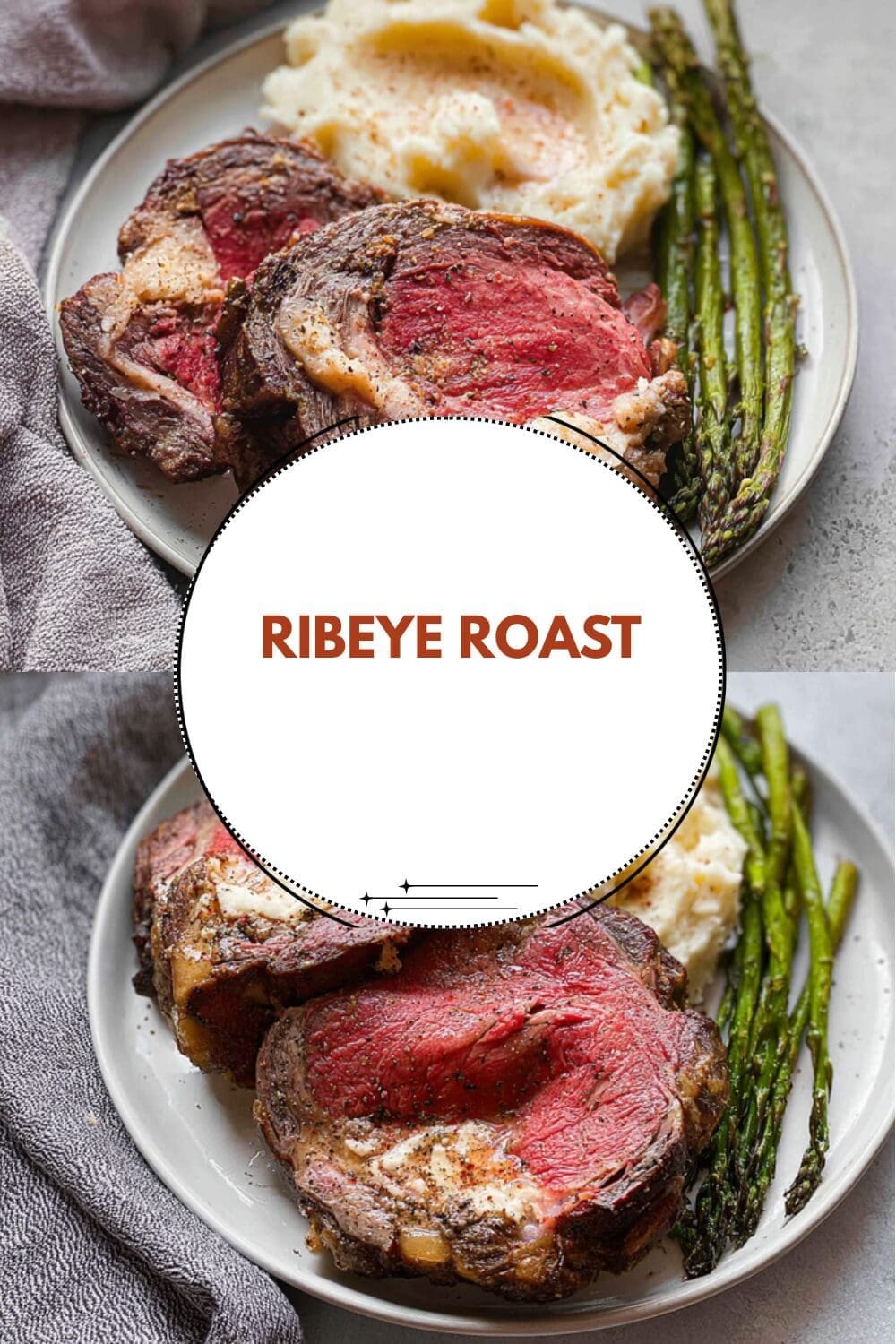
🥩 This Ribeye Roast recipe uses a simple cooking method to deliver juicy, flavorful results with a fragrant rosemary butter finish.
🍽️ Perfectly cooked with easy prep, this roast makes a stunning centerpiece for any special meal or holiday feast.
- Total Time: 2 hours 30 minutes (plus salting time)
- Yield: 6-8 servings
Ingredients
– 4 pounds boneless ribeye roast, tied
– 1 tablespoon kosher salt for seasoning
– 4 tablespoons salted butter (or 2 tablespoons olive oil for a dairy-free option) for richness and herb adhesion
– 1 clove garlic, minced for flavor
– 1 tablespoon fresh rosemary, chopped for herbal note
– 1 teaspoon sea salt for additional seasoning
– 1/2 teaspoon black pepper for subtle heat
Instructions
1-First Step: Prepare the Roast Ahead of Time Begin one to two days before cooking by rubbing the 4 pounds boneless ribeye roast, tied, all over with 1 tablespoon kosher salt. This step helps season the meat deeply and tenderize it. Cover the roast tightly and refrigerate it until you’re ready, or if you’re short on time, let it sit out for 2 hours to come to room temperature while rubbing in the salt.
2-Second Step: Preheat Your Oven Turn on your oven to 425ºF for this 4-pound ribeye roast, as it kick-starts the cooking process. For larger roasts over 8 pounds, set it to 350ºF to ensure even cooking without over-browning. This adjustment makes the method flexible for different sizes, helping you achieve ribeye roast perfect results every time.
3-Third Step: Make the Rosemary Butter Mix together 4 tablespoons salted butter (or 2 tablespoons olive oil), 1 clove minced garlic, 1 tablespoon chopped fresh rosemary, 1 teaspoon sea salt, and 1/2 teaspoon black pepper in a bowl until it’s well combined. For a link to more herb tips, check our herb-infused recipes section. This flavorful mixture will coat the roast and add that extra taste boost you want in your simple cooking method for ribeye roast.
4-Fourth Step: Position and Coat the Roast Place the roast fat side up in a 10-inch cast iron skillet or on a rack in a roasting pan for even heat distribution. Spread the rosemary butter mixture evenly over the roast. If you have one, insert an oven-proof thermometer to monitor the internal temperature accurately.
5-Fifth Step: Roast the Meat For roasts 4 pounds or smaller like this one, bake at 425ºF for 30 minutes to create a nice crust, then lower to 350ºF and cook until the internal temperature is about 10 degrees below your desired doneness, roughly 2 hours for medium-rare. Larger roasts over 8 pounds should stay at 350ºF for about 4 hours. This step ensures how to cook ribeye roast perfectly by preventing overcooking and keeping the meat juicy, with adaptations for dietary needs like using olive oil for dairy-free options.
6-Sixth Step: Rest and Serve Take the roast out of the oven and cover it with foil, letting it rest for 20-30 minutes so the juices settle. For an external resource on resting meat, visit resting techniques guide. Finally, slice into three-quarter-inch pieces and serve right away for the best flavor and texture in your ribeye roast.
Last Step:
Please leave a rating and comment letting us know how you liked this recipe! This helps our business to thrive and continue providing free, high-quality recipes for you.Notes
🌡️ Use a meat thermometer to avoid overcooking; a wireless one provides alerts and convenience.
🍖 For large roasts, use a roasting pan with a rack and skip the initial high heat.
🍽️ Tent the roast with foil if it browns too quickly during cooking.
- Prep Time: 10 minutes (plus 1-2 days for salting)
- Resting time: 20-30 minutes
- Cook Time: About 2 hours for 4-pound roast
- Category: Main Course
- Method: Roasting
- Cuisine: American
Nutrition
- Serving Size: 1 serving
- Calories: 698
- Sugar: 0.01 grams
- Sodium: 1768 mg
- Fat: 50 grams
- Saturated Fat: 24 grams
- Unsaturated Fat: 24 grams
- Trans Fat: 0.3 grams
- Carbohydrates: 0.3 grams
- Fiber: 0.1 grams
- Protein: 61 grams
- Cholesterol: 205 mg