Why You’ll Love This Sourdough Starter
Imagine turning a simple mix of flour and water into a bubbly, magically active starter that makes sourdough bread taste like something from a bakery this is the joy of starting your own sourdough adventure. As a beginner, you might worry about the process, but this recipe keeps things straightforward and fun, helping you create homemade bread that’s both delicious and rewarding. Not only does it pack health benefits like natural probiotics for better digestion, but it’s also versatile for all kinds of diets, making it a go-to for busy parents or anyone easing into baking.
One reason this sourdough starter stands out is its ease of preparation; it uses minimal ingredients and fits into your daily routine without much fuss. For food enthusiasts and baking novices alike, the health perks are a big plus, as it delivers nutrients that support overall wellness through fermentation. Whether you’re a working professional short on time or a family cook looking for vegan-friendly options, this starter adapts easily and brings a distinctive tangy flavor to your bread that elevates everyday meals.
Consider how it works with various lifestyles perfect for students experimenting in a dorm kitchen or newlyweds building traditions around fresh bread. This beginner sourdough starter recipe shines for its ability to fit gluten-free needs while keeping things simple and approachable. Plus, the satisfaction of watching your starter grow and thrive makes it a fun project that brings smiles to special occasions like family gatherings.
Simple Steps for Everyday Use
With just a few daily steps, you can maintain this sourdough starter without overwhelming your schedule, ideal for travelers who want to keep baking on the go. It’s especially great for seniors seeking gentle, health-focused recipes or diet-conscious folks aiming for low-calorie options. By the end, you’ll have a reliable base for easy homemade sourdough bread that fits right into your life.
Jump to:
- Why You’ll Love This Sourdough Starter
- Simple Steps for Everyday Use
- Essential Ingredients for Sourdough Starter
- How to Prepare the Perfect Sourdough Starter: Step-by-Step Guide
- Daily Progress and Feeding Routine
- Tips for Success Along the Way
- Dietary Substitutions to Customize Your Sourdough Starter
- Mastering Sourdough Starter: Advanced Tips and Variations
- How to Store Sourdough Starter: Best Practices
- FAQs: Frequently Asked Questions About Sourdough Starter
- What is a sourdough starter and how does it work?
- How do I know when my sourdough starter is ready to use for baking?
- Can I use only all-purpose flour to make a sourdough starter?
- How should I feed and store my sourdough starter to keep it healthy?
- What can I do if my sourdough starter isn’t bubbling or rising as expected?
- Sourdough Starter
- Ingredients
- Instructions
- Last Step:
- Notes
- Nutrition
- Did you make this recipe?
Essential Ingredients for Sourdough Starter
Gathering the right ingredients is the first fun step in making your sourdough starter, and it’s all about using precise measurements for the best results. Based on the recipe, here’s a clear list of everything you need to get started and keep it going through the days.
- 60 grams (1/2 cup) whole wheat flour (for Day 1)
- 60 grams (1/4 cup) water (warm, about 70-75°F) (for Day 1)
- 60 grams (1/2 cup) unbleached all-purpose flour or bread flour (for daily feedings on Days 3-7)
- 60 grams (1/4 cup) water (for daily feedings on Days 3-7)
- A 3/4 liter jar (for mixing and storing)
- A small rubber spatula (for stirring)
- A fork (for mixing)
These ingredients ensure your sourdough starter develops properly, with whole wheat flour kicking off fermentation and unbleached all-purpose flour maintaining it. Remember, measuring by weight helps you avoid mistakes, just like in many beginner sourdough starter recipes.
How to Prepare the Perfect Sourdough Starter: Step-by-Step Guide
Diving into making a sourdough starter feels like starting a little science experiment in your kitchen, and it’s easier than you might think for a beginner sourdough starter recipe. First, gather all your ingredients and make sure your water is warm, around 70-75°F, to get those natural yeasts excited and ready to work. This simple mix of flour and water will capture wild yeast from the air, turning into a bubbly culture that makes your homemade bread rise beautifully.
To begin on Day 1, mix 60 grams (1/2 cup) of whole wheat flour with 60 grams (1/4 cup) of warm water in your jar until it’s smooth and well combined. Cover it loosely and let it sit in a warm spot, ideally 70-75°F, for 24 hours to start the fermentation process. This initial step is key for how to make sourdough starter for bread, as it builds a strong foundation for the days ahead.
Daily Progress and Feeding Routine
On Day 2, check your mixture for those first signs of bubbles, which mean fermentation is underway; give it a quick stir if you like, then let it rest for another 24 hours. From Days 3 through 7, you’ll build on this by discarding half of the starter each day and refreshing it with new ingredients. For example, on Day 3, discard 60 grams of the starter, then add 60 grams (1/2 cup) of unbleached all-purpose flour or bread flour and 60 grams (1/4 cup) of water, mix well, scrape down the sides of the jar, cover it, and let it rest in that warm spot for 24 hours, resulting in about 180 grams of starter total.
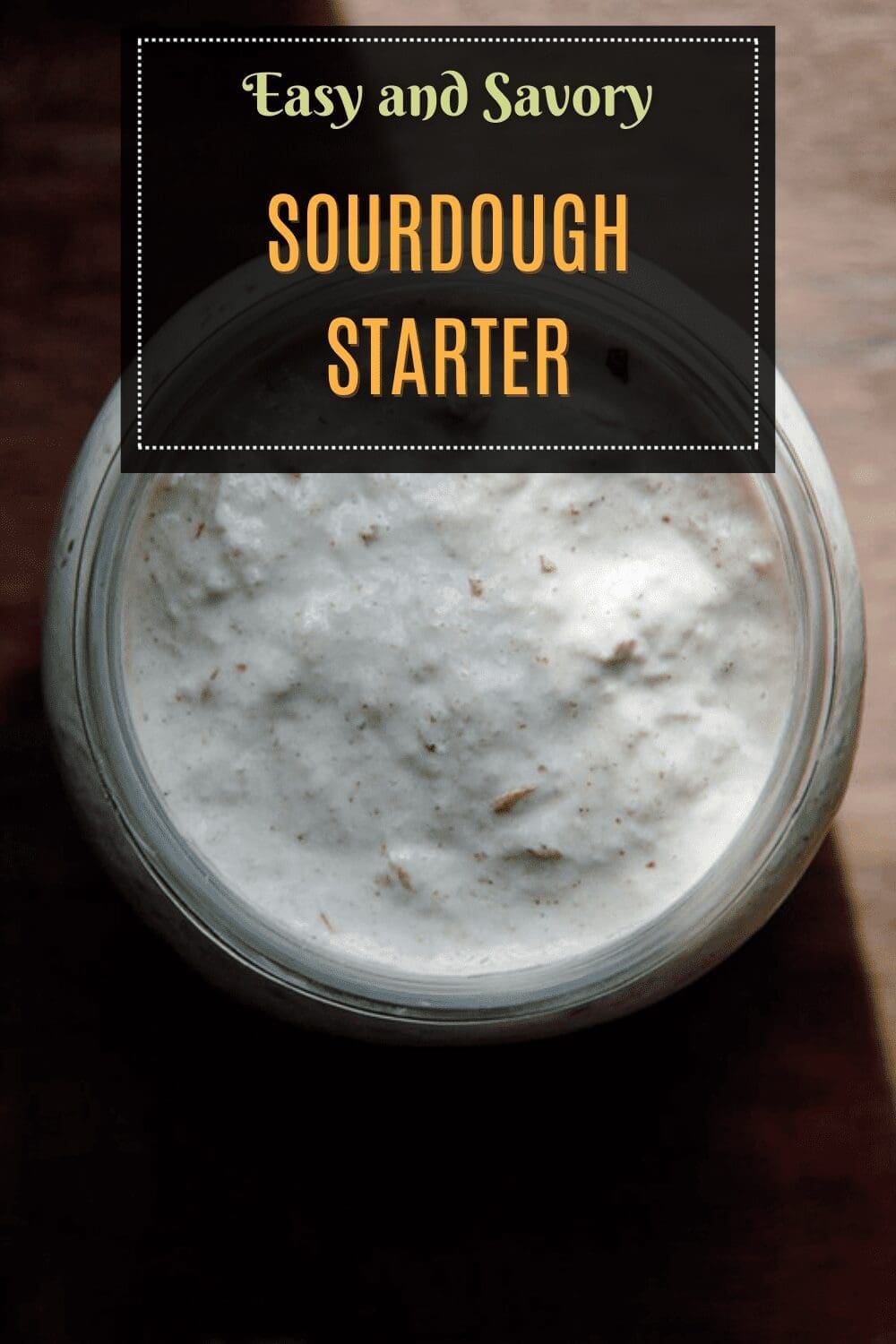
Continue this pattern: On Day 4, discard 90 grams, add the flour and water for 210 grams total; on Day 5, discard 105 grams for 225 grams; on Day 6, discard 112 grams for 232.5 grams; and on Day 7, discard 116 grams for 236 grams. Each feeding helps control acidity and keeps things balanced, and by Day 7 or 8, your starter should double in size, look bubbly and spongy, and smell pleasantly tangy. If it hasn’t reached this point, keep feeding it daily it might take up to two weeks, so patience is your best friend.
Tips for Success Along the Way
Throughout the process, maintain a consistent schedule, like feeding at the same time each day, and use a rubber band on the jar to track the rise. For an external resource, check out this guide on beginner sourdough starter basics for more ideas. Remember to remove any dark liquid on top before feeding, as it means your starter is hungry, and always measure by weight for accuracy. This method works well for easy homemade sourdough bread and can be adjusted for dietary needs, like using gluten-free flour if needed.
Once your starter is active, it’s ready for baking, and the whole thing takes about 7 days minimum, though it could go longer based on your kitchen’s temperature. Daily tasks are quick and mostly hands-off, making it ideal for busy parents or working professionals. By following these steps, you’ll have a lively culture full of wild yeast and bacteria, perfect for creating that signature sourdough flavor in your bread.

Dietary Substitutions to Customize Your Sourdough Starter
Making your sourdough starter fit your lifestyle is simple, and with a few tweaks, you can adapt it for various dietary needs like vegan or gluten-free options. For instance, substitute whole wheat flour with gluten-free alternatives such as sorghum or millet flour to keep things light and friendly for those watching their intake. This flexibility makes it a hit for diet-conscious individuals or anyone exploring how to make sourdough starter for bread without traditional ingredients.
If you’re aiming for a vegan version, stick to plant-based flours and water, perhaps adding herbs like rosemary for a flavor boost while keeping it dairy-free. You could also swap water for vegetable broth to add a richer taste, or mix in nutritional yeast for extra nutrients and depth. These changes help travelers or seniors customize their starter without much hassle, ensuring it’s versatile for every meal.
For low-calorie adjustments, opt for whole grain flours with a low glycemic index, and experiment with protein powders to enhance nutrition. Whether you’re a student or a celebration planner, these substitutions let you tailor your beginner sourdough starter recipe to suit your tastes and health goals seamlessly.
Mastering Sourdough Starter: Advanced Tips and Variations
Once you’re comfortable with the basics, leveling up your sourdough starter opens fun new doors, like experimenting with flavors to make your homemade bread even more exciting. Use a digital thermometer to keep the temperature steady at 70-75°F for better fermentation control, which helps your starter become more active and reliable. Adding toasted seeds or dried fruits during feedings can create unique tastes, perfect for baking enthusiasts wanting to impress at gatherings.
For presentation, shape your dough into fun forms and dust it with flour before baking to give it that artisanal look, making it ideal for special occasions. If you’re preparing ahead, make a larger batch and store portions in the fridge for quick use later, which saves time for busy parents or working professionals. Remember, the feeding ratio is equal parts starter, flour, and water by weight, and testing with the float test ensures it’s ready drop a bit in water and see if it floats.
Keep your jar clean and scrape the sides regularly to avoid mold, and don’t hesitate to try organic flours for a twist, though results might vary. This approach helps you focus on consistency and patience, turning your sourdough starter into a versatile tool for easy homemade sourdough bread variations.
How to Store Sourdough Starter: Best Practices
Storing your sourdough starter properly keeps it healthy and ready for whenever you want to bake, and it’s simpler than it sounds. For short-term needs, keep it in a sealed container in the fridge and feed it weekly to maintain its activity, which works great for less frequent baking. If you’re planning ahead, freeze portions in airtight bags, then thaw and feed them gradually to reactivate the yeast.
Bringing it back to room temperature before use ensures it’s bubbly and strong, and having extra in the fridge lets you whip up dough batches quickly. For those with busy schedules, like working professionals or travelers, this method reduces daily effort while keeping your starter fresh for homemade bread anytime.
FAQs: Frequently Asked Questions About Sourdough Starter
What is a sourdough starter and how does it work?
How do I know when my sourdough starter is ready to use for baking?
Can I use only all-purpose flour to make a sourdough starter?
How should I feed and store my sourdough starter to keep it healthy?
What can I do if my sourdough starter isn’t bubbling or rising as expected?

Sourdough Starter
🥖 This sourdough starter recipe helps you create a natural, homemade leavening agent from scratch, giving your bread unmatched flavor and texture.
🍞 Perfect for beginners, it guides you through a simple process that encourages patience and consistency to cultivate a healthy, bubbly starter.
- Total Time: 7 to 14 days (mostly hands-off)
- Yield: About 236 grams (1 cup) of active starter 1x
Ingredients
60 grams (1/2 cup) whole wheat flour for Day 1
60 grams (1/4 cup) water (warm, about 70-75°F) for Day 1
60 grams (1/2 cup) unbleached all-purpose flour or bread flour for daily feedings on Days 3-7
60 grams (1/4 cup) water for daily feedings on Days 3-7
Instructions
1-To begin on Day 1, mix 60 grams (1/2 cup) of whole wheat flour with 60 grams (1/4 cup) of warm water in your jar until it’s smooth and well combined. Cover it loosely and let it sit in a warm spot, ideally 70-75°F, for 24 hours to start the fermentation process. This initial step is key for how to make sourdough starter for bread, as it builds a strong foundation for the days ahead.
2-On Day 2, check your mixture for those first signs of bubbles, which mean fermentation is underway; give it a quick stir if you like, then let it rest for another 24 hours.
3-From Days 3 through 7, you’ll build on this by discarding half of the starter each day and refreshing it with new ingredients. For example, on Day 3, discard 60 grams of the starter, then add 60 grams (1/2 cup) of unbleached all-purpose flour or bread flour and 60 grams (1/4 cup) of water, mix well, scrape down the sides of the jar, cover it, and let it rest in that warm spot for 24 hours, resulting in about 180 grams of starter total.
4-Continue this pattern: On Day 4, discard 90 grams, add the flour and water for 210 grams total; on Day 5, discard 105 grams for 225 grams; on Day 6, discard 112 grams for 232.5 grams; and on Day 7, discard 116 grams for 236 grams. Each feeding helps control acidity and keeps things balanced, and by Day 7 or 8, your starter should double in size, look bubbly and spongy, and smell pleasantly tangy. If it hasn’t reached this point, keep feeding it daily it might take up to two weeks, so patience is your best friend.
5-Throughout the process, maintain a consistent schedule, like feeding at the same time each day, and use a rubber band on the jar to track the rise. For an external resource, check out this guide on beginner sourdough starter basics for more ideas. Remember to remove any dark liquid on top before feeding, as it means your starter is hungry, and always measure by weight for accuracy. This method works well for easy homemade sourdough bread and can be adjusted for dietary needs, like using gluten-free flour if needed.
6-Once your starter is active, it’s ready for baking, and the whole thing takes about 7 days minimum, though it could go longer based on your kitchen’s temperature. Daily tasks are quick and mostly hands-off, making it ideal for busy parents or working professionals. By following these steps, you’ll have a lively culture full of wild yeast and bacteria, perfect for creating that signature sourdough flavor in your bread.
Last Step:
Please leave a rating and comment letting us know how you liked this recipe! This helps our business to thrive and continue providing free, high-quality recipes for you.Notes
🌾 Use unbleached all-purpose or bread flour for best results during feedings.
⏲️ Maintain a consistent feeding schedule at the same time each day.
🔥 Keep the starter at steady warm temperatures (70-75°F) using a proofing box or oven light.
- Prep Time: 5 minutes per day
- Fermentation and resting time: 7 to 14 days
- Cook Time: 0 minutes
- Category: Bread Making
- Method: Fermentation
- Cuisine: Universal
- Diet: Vegan
Nutrition
- Serving Size: 1 tablespoon starter
- Calories: 15 kcal per tablespoon
- Sugar: Trace
- Sodium: Trace
- Fat: 0 g
- Saturated Fat: 0 g
- Unsaturated Fat: 0 g
- Trans Fat: 0 g
- Carbohydrates: 3 g
- Fiber: 0.2 g
- Protein: 0.5 g
- Cholesterol: 0 mg