Why You’ll Love These Sugar Cookies
These Sugar Cookies are the kind of treat that makes a regular afternoon feel a little more special. They come together fast, bake up soft in the middle, and have just the right amount of sweetness. If you need a dependable sugar cookie recipe for holidays, school events, birthday trays, or simple weeknight baking, this one fits the bill.
- Easy to make: You only need basic pantry ingredients, one bowl for dry ingredients, one bowl for the dough, and about 25 minutes from start to finish. That makes these soft sugar cookies a great pick for busy parents, students, and anyone who wants a homemade treat without a lot of fuss.
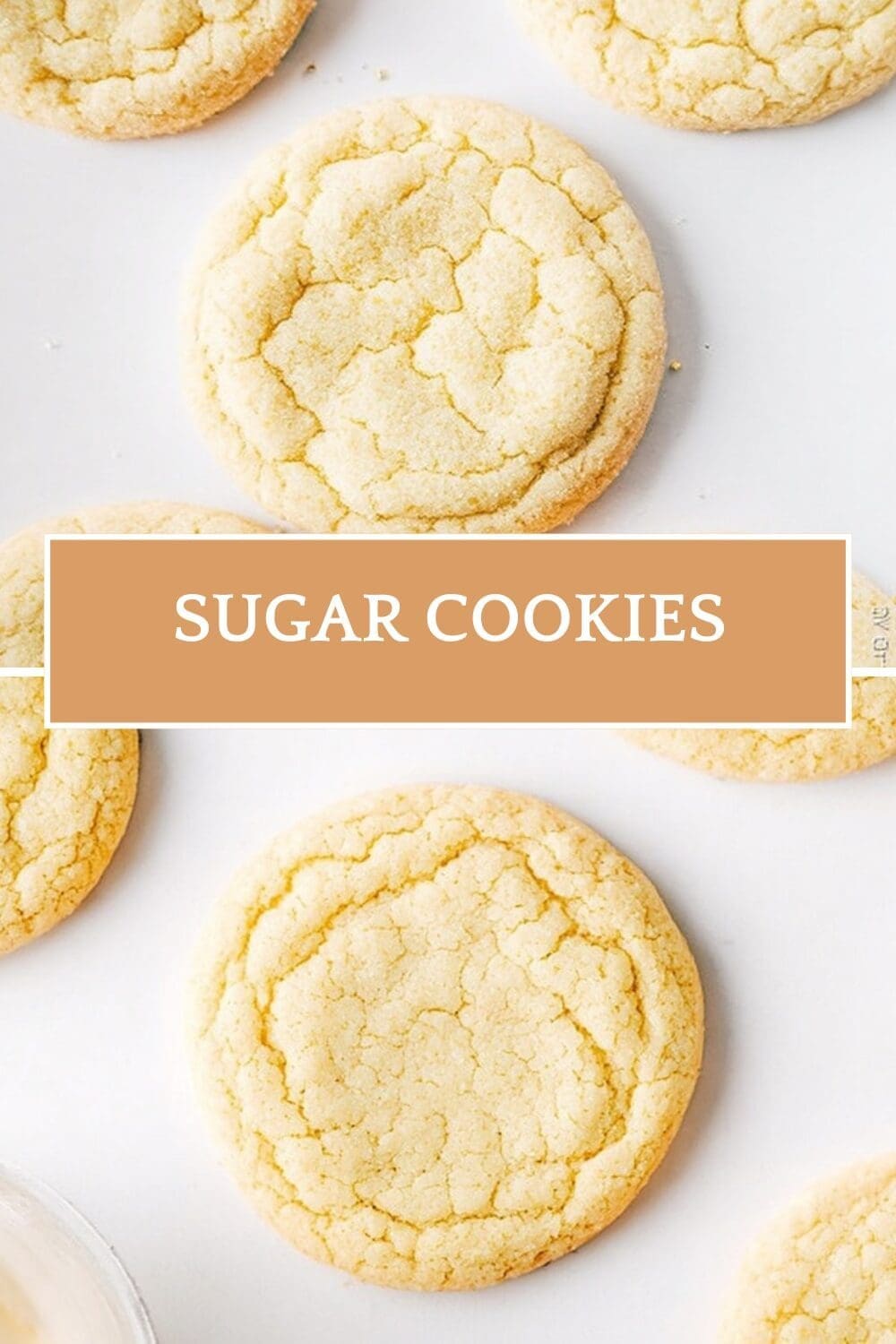
- Soft and chewy texture: The extra egg yolk, cool room temperature butter, and careful bake time help create chewy sugar cookies with tender centers and lightly browned edges.
- Great for sharing: These cookies are perfect for decorating, packing into lunchboxes, bringing to potlucks, or serving on a dessert table. They also fit right in next to other favorites like peanut butter blossom cookies and other classic bake-sale treats.
- Flexible for different tastes: You can add almond extract, sprinkles, or a holiday twist to make them your own. They work well as simple everyday cookies or dressed-up party cookies.
These are the kind of cookies that disappear fast, especially when they’re baked just until set and still look a little soft in the center.
If you love easy desserts with classic flavor, this soft chewy sugar cookies recipe is one you’ll want to keep close. The ingredient list is short, the method is simple, and the results feel bakery-worthy without any complicated steps.
Jump to:
- Why You’ll Love These Sugar Cookies
- Essential Ingredients for Sugar Cookies
- Main Ingredients
- Special Dietary Options
- How to Prepare the Perfect Sugar Cookies: Step-by-Step Guide
- First Step: Get the oven and pans ready
- Second Step: Mix the dry ingredients
- Third Step: Cream the butter and sugar
- Fourth Step: Add the egg, yolk, and vanilla
- Fifth Step: Mix in the flour mixture
- Sixth Step: Shape and roll the dough
- Seventh Step: Bake until just set
- Final Step: Cool and serve
- Dietary Substitutions to Customize Your Sugar Cookies
- Protein and Main Component Alternatives
- Vegetable, Sauce, and Seasoning Modifications
- Mastering Sugar Cookies: Advanced Tips and Variations
- Pro cooking techniques
- Flavor variations
- Presentation tips
- Make-ahead options
- How to Store Sugar Cookies: Best Practices
- Refrigeration
- Freezing
- Reheating
- Meal prep considerations
- FAQs: Frequently Asked Questions About Sugar Cookies
- Can I use a hand mixer to make sugar cookies?
- Can I use salted butter in sugar cookies?
- Why use a cookie scoop for sugar cookies?
- Can I add almond extract to sugar cookies?
- How do you store homemade sugar cookies?
- Sugar Cookies
- Ingredients
- Instructions
- Last Step:
- Notes
- Nutrition
- Did you make this recipe?
Essential Ingredients for Sugar Cookies
This chewy sugar cookie recipe uses simple ingredients that work together to create a soft, buttery cookie with a light sugar coating. For best results, measure carefully and use the exact amounts listed below.
Main Ingredients
- 2 1/2 cups all-purpose flour – Gives the cookies their structure while still keeping the texture tender.
- 2 teaspoons baking powder – Helps the cookies rise a little and creates those pretty crinkly tops.
- 3/4 teaspoon fine sea salt – Balances the sweetness and brings out the buttery flavor.
- 2 sticks unsalted butter at cool room temperature – Adds rich flavor and helps the dough stay soft without spreading too much.
- 1 1/4 cups granulated sugar, plus 1/4 cup for rolling – Sweetens the dough and gives the cookies a sparkly finish.
- 1 large egg plus 1 egg yolk – Adds moisture, structure, and extra chewiness.
- 1 teaspoon vanilla extract – Brings warm, classic flavor to the dough.
Special Dietary Options
- Vegan: Use plant-based butter, a flax egg, and a dairy-free vanilla extract. The texture will be a little different, but still tasty.
- Gluten-free: Swap the flour for a 1:1 gluten-free baking blend that includes xanthan gum for better structure.
- Low-calorie: Try reducing the rolling sugar a bit, but keep the core dough ingredients the same so the cookies still bake properly.
If you want more cookie inspiration, you might also like these gooey butter cookies, which have a rich, soft texture that cookie lovers often enjoy.
| Ingredient | Role in the Recipe |
|---|---|
| Flour | Builds structure |
| Baking powder | Helps lift and spread |
| Butter | Adds flavor and softness |
| Egg + yolk | Improves moisture and chew |
| Vanilla | Adds warm bakery flavor |
How to Prepare the Perfect Sugar Cookies: Step-by-Step Guide
Making soft chewy sugar cookies is easier than you might think. The key is to keep the butter cool, mix the dough just until combined, and bake the cookies until the centers look slightly underdone. That is what gives you that soft bite after they cool.
First Step: Get the oven and pans ready
Start by preheating your oven to 350°F. Line your baking sheets with parchment paper so the cookies bake evenly and release easily after baking. Parchment paper is the best choice here because it helps prevent spreading and gives you a better texture than silicone mats or nonstick spray.
While the oven heats, gather your ingredients and set out your butter so it is at cool room temperature, around 67°F. This matters because butter that is too soft can make the cookies spread too much. If your kitchen is warm, chill the butter briefly before using it.
Second Step: Mix the dry ingredients
In a medium bowl, whisk together the 2 1/2 cups all-purpose flour, 2 teaspoons baking powder, and 3/4 teaspoon fine sea salt. Whisking helps spread the baking powder and salt evenly through the flour, which means better texture in every cookie.
Fresh baking powder matters here. If yours has been sitting in the pantry for a long time, the cookies may not get those nice crinkly tops. A quick freshness check can save the whole batch.
Third Step: Cream the butter and sugar
In a large bowl, beat the 2 sticks unsalted butter with 1 1/4 cups granulated sugar until the mixture looks light and fluffy. This usually takes a few minutes with a hand mixer or stand mixer. You want the mixture to look pale, smooth, and airy.
This step adds tiny air pockets to the dough, which helps the cookies bake up soft instead of dense. Scrape down the sides of the bowl as needed so everything mixes evenly.
Fourth Step: Add the egg, yolk, and vanilla
Beat in the 1 large egg, 1 egg yolk, and 1 teaspoon vanilla extract until combined. The extra yolk gives the dough more richness and chewiness, which is why these cookies have such a nice texture.
For a slightly richer cookie, the extra yolk is one of the best little tricks you can use.
If you like vanilla-forward desserts, you may also enjoy reading about the flavor and benefits of vanilla extract.
Fifth Step: Mix in the flour mixture
Slowly beat in the dry ingredients on low speed. Add them in stages if needed so the flour does not fly everywhere. Stop mixing as soon as the dough comes together. Overmixing can make the cookies tough, and soft cookies need a gentle hand.
The dough will be thick and easy to scoop. If you want thicker cookies, you can chill the dough for 24 to 72 hours. Even a shorter chill of 30 minutes can help with shaping and spread, especially if your kitchen is warm.
Sixth Step: Shape and roll the dough
Place the remaining 1/4 cup granulated sugar in a shallow dish. Divide the dough into balls, using about 3 tablespoons of dough per ball for the right spread. A medium cookie scoop works really well here and keeps the cookies uniform.
Roll each dough ball in the sugar until coated. Then place the balls on the prepared baking sheets about 2 inches apart. Flatten each one slightly with your hand or the bottom of a glass. This helps them bake into those classic round sugar cookies everyone loves.
Seventh Step: Bake until just set
Bake the cookies for 10 to 12 minutes, or until the edges are just beginning to brown and the centers look set but still a little soft. That slightly underdone look is what keeps them chewy after cooling. If you wait until they look fully done in the oven, they may end up drier than you want.
Take the cookies out as soon as the tops lose their glossy raw look. They will continue to firm up on the baking sheet for a few minutes after leaving the oven.
Final Step: Cool and serve
Let the cookies rest on the baking sheet for a couple of minutes, then move them to a wire rack to cool completely. This keeps the bottoms from overbaking and helps the cookies hold their shape.
Once cooled, serve them plain or with a simple dip in coffee, milk, or hot cocoa. They are also lovely on cookie trays beside strawberry crinkle cookies for a colorful dessert spread.

Dietary Substitutions to Customize Your Sugar Cookies
Protein and Main Component Alternatives
If you need to adjust this recipe for dietary needs or what you have in the kitchen, there are a few easy swaps. For a dairy-free version, use a plant-based butter that works for baking. If you want to skip eggs, try a flax egg, but know the texture will be a little less chewy.
For gluten-free baking, use a high-quality 1:1 gluten-free flour blend. Look for one that includes xanthan gum so the cookies stay soft and hold together. If your blend seems dry, add the flour slowly and stop mixing as soon as the dough comes together.
Vegetable, Sauce, and Seasoning Modifications
Since sugar cookies are simple, flavor changes are easy. Add 1/2 to 1 teaspoon almond extract for a nutty note, or fold in sprinkles for a fun birthday-style cookie. A tiny pinch of cinnamon also works if you want a warmer flavor.
You can also change the finish. Instead of plain sugar, roll the dough in colored sanding sugar for holidays, or leave the coating off for a softer, less sweet cookie. If you want more cookie ideas with mix-in friendly dough, take a look at chocolate chip pudding cookies.
Mastering Sugar Cookies: Advanced Tips and Variations
Once you make these cookies once, the little details become second nature. A few smart habits can make the difference between decent cookies and the kind people ask you to bake again and again.
Pro cooking techniques
- Use butter that is cool, not soft and greasy. Around 67°F is a sweet spot for keeping the cookies from spreading too much.
- Use a medium cookie scoop for even portions. Uniform cookies bake at the same rate and look more polished.
- Keep the dough chilled if you have time. A chill of 24 to 72 hours can make thicker cookies with a better bite.
- Do not overbake. Pull them when the centers still look slightly wet.
- Use parchment paper instead of silicone mats or cooking spray for the best texture and easiest cleanup.
Flavor variations
These cookies are easy to dress up. Add sprinkles for birthdays, almond extract for a bakery-style flavor, or a little citrus zest for a bright twist. You can even make a holiday tray by splitting the dough and adding different colors of sprinkles to each batch.
If you like rich cookie recipes with a soft center, you might also enjoy marry me cookie bars for another crowd-pleasing dessert.
Presentation tips
For a pretty finish, let the sugar coating stay visible on top. That sparkly layer makes the cookies look homemade in the best way. Stack them on a cake stand, tuck them into gift boxes, or place them beside milk for an easy dessert board.
Simple cookies can still look special when you give them a little space on the plate and a clean, sugary finish.
Make-ahead options
This dough is great for planning ahead. Mix it, chill it, and bake later the same day or the next day. You can also roll the dough into balls first and chill them on a tray, then bake straight from the fridge when you need fresh cookies fast.
How to Store Sugar Cookies: Best Practices
These cookies stay soft when stored the right way. Let them cool completely before putting them away so trapped steam does not make them soggy.
Refrigeration
Refrigeration is not the best option for finished cookies because it can dry them out and make them firmer than you want. If you need to hold the dough before baking, the fridge works well for short chilling periods or longer make-ahead plans.
Freezing
For longer storage, freeze baked cookies in an airtight container or freezer bag for up to 3 months. You can also freeze dough balls and bake them later. If freezing dough, thaw it in the refrigerator overnight before baking for the best texture.
Reheating
If you want to freshen up baked cookies, warm them in the microwave for just a few seconds. That brings back a little softness without drying them out. Do not overheat them, or they will become chewy in a less pleasant way.
Meal prep considerations
For batch baking, stack cooled cookies with parchment paper between layers and store them in an airtight container for up to 5 days. If you want to keep them soft, add a tortilla, apple wedge, or piece of bread to the container. It sounds odd, but it works well.
FAQs: Frequently Asked Questions About Sugar Cookies
Can I use a hand mixer to make sugar cookies?
Can I use salted butter in sugar cookies?
Why use a cookie scoop for sugar cookies?
Can I add almond extract to sugar cookies?
How do you store homemade sugar cookies?

Sugar Cookies
🍪 Sink your teeth into ultra-soft, chewy sugar cookies with crisp edges – the ultimate comfort dessert for any occasion!
✨ Quick to bake with pantry staples, perfect for holidays, parties, or sweet tooth satisfaction anytime!
- Total Time: 25 minutes
- Yield: 24 cookies
Ingredients
– 2 1/2 cups all-purpose flour
– 2 teaspoons baking powder
– 3/4 teaspoon fine sea salt
– 2 sticks unsalted butter at cool room temperature
– 1 1/4 cups granulated sugar, plus 1/4 cup for rolling
– 1 large egg plus 1 egg yolk
– 1 teaspoon vanilla extract
Instructions
1-First Step: Get the oven and pans ready Start by preheating your oven to 350°F. Line your baking sheets with parchment paper so the cookies bake evenly and release easily after baking. Parchment paper is the best choice here because it helps prevent spreading and gives you a better texture than silicone mats or nonstick spray. While the oven heats, gather your ingredients and set out your butter so it is at cool room temperature, around 67°F. This matters because butter that is too soft can make the cookies spread too much. If your kitchen is warm, chill the butter briefly before using it.
2-Second Step: Mix the dry ingredients In a medium bowl, whisk together the 2 1/2 cups all-purpose flour, 2 teaspoons baking powder, and 3/4 teaspoon fine sea salt. Whisking helps spread the baking powder and salt evenly through the flour, which means better texture in every cookie. Fresh baking powder matters here. If yours has been sitting in the pantry for a long time, the cookies may not get those nice crinkly tops. A quick freshness check can save the whole batch.
3-Third Step: Cream the butter and sugar In a large bowl, beat the 2 sticks unsalted butter with 1 1/4 cups granulated sugar until the mixture looks light and fluffy. This usually takes a few minutes with a hand mixer or stand mixer. You want the mixture to look pale, smooth, and airy. This step adds tiny air pockets to the dough, which helps the cookies bake up soft instead of dense. Scrape down the sides of the bowl as needed so everything mixes evenly.
4-Fourth Step: Add the egg, yolk, and vanilla Beat in the 1 large egg, 1 egg yolk, and 1 teaspoon vanilla extract until combined. The extra yolk gives the dough more richness and chewiness, which is why these cookies have such a nice texture.
For a slightly richer cookie, the extra yolk is one of the best little tricks you can use.
If you like vanilla-forward desserts, you may also enjoy reading about the flavor and benefits of vanilla extract.
5-Fifth Step: Mix in the flour mixture Slowly beat in the dry ingredients on low speed. Add them in stages if needed so the flour does not fly everywhere. Stop mixing as soon as the dough comes together. Overmixing can make the cookies tough, and soft cookies need a gentle hand. The dough will be thick and easy to scoop. If you want thicker cookies, you can chill the dough for 24 to 72 hours. Even a shorter chill of 30 minutes can help with shaping and spread, especially if your kitchen is warm.
6-Sixth Step: Shape and roll the dough Place the remaining 1/4 cup granulated sugar in a shallow dish. Divide the dough into balls, using about 3 tablespoons of dough per ball for the right spread. A medium cookie scoop works really well here and keeps the cookies uniform. Roll each dough ball in the sugar until coated. Then place the balls on the prepared baking sheets about 2 inches apart. Flatten each one slightly with your hand or the bottom of a glass. This helps them bake into those classic round sugar cookies everyone loves.
7-Seventh Step: Bake until just set Bake the cookies for 10 to 12 minutes, or until the edges are just beginning to brown and the centers look set but still a little soft. That slightly underdone look is what keeps them chewy after cooling. If you wait until they look fully done in the oven, they may end up drier than you want. Take the cookies out as soon as the tops lose their glossy raw look. They will continue to firm up on the baking sheet for a few minutes after leaving the oven.
8-Final Step: Cool and serve Let the cookies rest on the baking sheet for a couple of minutes, then move them to a wire rack to cool completely. This keeps the bottoms from overbaking and helps the cookies hold their shape. Once cooled, serve them plain or with a simple dip in coffee, milk, or hot cocoa. They are also lovely on cookie trays beside strawberry crinkle cookies for a colorful dessert spread.
Last Step:
Please leave a rating and comment letting us know how you liked this recipe! This helps our business to thrive and continue providing free, high-quality recipes for you.Notes
💡 Use cool room temperature butter (around 67°F) to achieve the perfect spread and chewy texture without excess flattening.
🍪 Do not overbake – remove when centers appear slightly underdone for that signature soft, chewy center.
❄️ For thicker cookies, chill the shaped dough balls for 30 minutes before baking.
- Prep Time: 15 minutes
- Cook Time: 10 minutes
- Category: Desserts
- Method: Baking
- Cuisine: American
- Diet: Vegetarian
Nutrition
- Serving Size: 1 cookie
- Calories: 180 kcal
- Sugar: 13g
- Sodium: 120mg
- Fat: 9g
- Saturated Fat: 6g
- Unsaturated Fat: 3g
- Trans Fat: 0g
- Carbohydrates: 24g
- Fiber: 0g
- Protein: 2g
- Cholesterol: 35mg