Why You’ll Love This Sushi Rice
Hey there, home cooks and food fans! If you’re looking to dive into making sushi at home, starting with the right sushi rice can make all the difference. This recipe stands out because it’s straightforward and brings incredible results every time. Let’s chat about why whipping up this sushi rice will quickly become one of your favorite kitchen hacks.
- Ease of preparation: You can have perfect sushi rice ready in under 30 minutes once you get the hang of it, using simple ingredients you likely have on hand. This means busy parents and working professionals can enjoy a quick meal without fuss. With sushi rice as your base, you avoid complicated steps, making it ideal for beginners who want great taste without the stress.
- Health benefits: Sushi rice offers a nutritious boost with its short-grain variety, packed with fiber and essential carbs that keep you full longer. It’s a smart pick for diet-conscious folks and seniors, helping maintain energy levels while fitting into balanced meals. Plus, options like using honey instead of sugar add natural sweetness without overloading on refined sugars.
- Versatility: This sushi rice works wonders in so many dishes, from classic rolls to salads or even as a side for grilled veggies. It’s easy to tweak for different dietary needs, like going vegan or gluten-free, which makes it perfect for students and newlyweds experimenting in the kitchen. Whether you’re hosting a party or prepping for a quiet night in, this rice adapts beautifully.
- Distinctive flavor: The mix of rice vinegar, sugar, and a hint of sea salt gives sushi rice its signature tangy and slightly sweet profile that elevates any meal. This combination creates a sticky texture that’s just right for shaping, setting it apart from regular rice. For food enthusiasts and travelers, it’s a taste of authentic Japanese cooking that brings joy to every bite.
By focusing on these aspects, you’ll see how sushi rice not only simplifies your cooking routine but also adds a fun, flavorful twist to your meals. It’s all about enjoying the process and the results, making it a go-to for anyone from baking enthusiasts to celebration planners.
Jump to:
- Why You’ll Love This Sushi Rice
- Essential Ingredients for Sushi Rice
- Main Ingredients
- Special Dietary Options
- How to Prepare the Perfect Sushi Rice: Step-by-Step Guide
- First Step: Gather and Rinse the Rice
- Second Step: Soak the Rice
- Third Step: Cook the Rice
- Fourth Step: Prepare the Seasoning
- Fifth Step: Mix and Cool the Rice
- Final Step: Serve or Store
- Dietary Substitutions to Customize Your Sushi Rice
- Protein and Main Component Alternatives
- Vegetable, Sauce, and Seasoning Modifications
- Mastering Sushi Rice: Advanced Tips and Variations
- Pro Cooking Techniques
- Flavor Variations
- Presentation Tips
- Make-Ahead Options
- How to Store Sushi Rice: Best Practices
- Refrigeration Tips
- Freezing Options
- Reheating Methods
- Meal Prep Considerations
- FAQs: Frequently Asked Questions About Sushi Rice
- What type of rice is best for making sushi rice?
- How do you properly rinse sushi rice before cooking?
- What is the correct ratio of water to sushi rice when cooking?
- How do you season sushi rice after cooking?
- Can sushi rice be stored, and how should it be reheated?
- Sushi Rice
- Ingredients
- Instructions
- Last Step:
- Notes
- Nutrition
- Did you make this recipe?
Essential Ingredients for Sushi Rice
Gathering the right ingredients is key to nailing that perfect sushi rice texture and taste. Below, I’ve laid out a detailed list based on proven recipes, including exact measurements to make things easy. Each item comes with a quick explanation of its role, so you know why it matters.
Main Ingredients
- 2 cups sushi rice (short-grain, sticky, plump, firm-textured) – This forms the base, providing the essential stickiness for rolling sushi and holding flavors well during cooking.
- 2 cups water – Ensures the rice cooks to the ideal tender consistency without becoming mushy, balancing moisture for even steaming.
- 4-inch square of kombu (dried seaweed, optional) – Adds a subtle umami depth, enhancing the overall flavor though it’s not always necessary for beginners.
- 1/4 cup rice vinegar (unseasoned) – Infuses the rice with tanginess, which is crucial for that authentic sushi taste and helps preserve the grains’ texture.
- 4 teaspoons sugar (or honey as a natural sweetener alternative) – Balances the acidity from the vinegar, giving a gentle sweetness that makes the rice moreish and adaptable.
- 1 teaspoon fine sea salt (use less if substituting with table salt) – Seasons the rice perfectly, drawing out flavors and ensuring every bite is well-rounded without overpowering.
Special Dietary Options
- Vegan: All ingredients in this list are naturally vegan, but swap honey for sugar if avoiding animal-derived products to keep things fully plant-based.
- Gluten-free: This recipe is inherently gluten-free, as sushi rice and the other components don’t contain gluten just double-check your vinegar label for any additives.
- Low-calorie: Reduce sugar to 2 teaspoons or use a zero-calorie sweetener alternative to lower the calorie count while maintaining that essential flavor balance.
For more ideas on adapting recipes, check out our easy baking tips page, which shares ways to tweak ingredients for various needs. Remember, using these items as listed helps achieve that ideal sticky yet firm sushi rice everyone loves.
How to Prepare the Perfect Sushi Rice: Step-by-Step Guide
Ready to get started? Making sushi rice at home is fun and rewarding, and I’ll walk you through it step by step. This guide uses the ingredients we discussed, with tips for timing and adjustments to suit your preferences. Let’s break it down so even busy parents or students can follow along easily.
First Step: Gather and Rinse the Rice
Begin by measuring out 2 cups of sushi rice and placing it in a fine mesh sieve. Rinse it under cold water until the water runs clear, which usually takes 3-4 rinses while gently stirring the grains. This step removes excess starch, preventing the rice from becoming too gummy, and works well for all dietary adaptations.
Second Step: Soak the Rice
After rinsing, transfer the rice to a pot and add 2 cups of water along with the 4-inch square of kombu if you’re using it. Let the rice soak for about 30 minutes at room temperature to absorb moisture evenly. This soaking helps achieve the perfect tender texture, and you can skip the kombu for a milder flavor if needed.
Third Step: Cook the Rice
Bring the pot to a boil over medium heat, then reduce to low and cover with a tight lid. Cook for 15-20 minutes until the water is absorbed, keeping the heat steady to avoid burning. Once done, remove from heat and let it sit covered for another 10 minutes this steams the rice for that ideal sticky consistency, adaptable for gluten-free or low-calorie versions by adjusting portions.
Fourth Step: Prepare the Seasoning
While the rice cooks, mix 1/4 cup rice vinegar, 4 teaspoons sugar (or honey), and 1 teaspoon fine sea salt in a small bowl until dissolved. Heat this mixture gently if needed to blend smoothly, creating a tangy syrup that enhances the sushi rice’s flavor. This step is key for customization, like using less salt for those watching their sodium intake.
Fifth Step: Mix and Cool the Rice
Transfer the cooked rice to a large wooden or glass bowl and pour the seasoning over it while the rice is still hot. Gently fold it in with a spatula, taking care not to mash the grains, for about 2-3 minutes until evenly coated. Spread the rice out to cool for 10 minutes, which helps it firm up and become easy to handle for rolling sushi.
Final Step: Serve or Store
Once cooled, your sushi rice is ready to use in rolls, bowls, or as a side aim for freshness within the hour for best results. For those prepping ahead, consider how this rice pairs with veggies or proteins, and always taste to adjust based on your preferences. For external inspiration, check out this perfect sushi rice recipe from a trusted source.
This method not only yields great sushi rice but also allows for easy tweaks, like vegan options by sticking to the base ingredients. With these steps, you’ll master sushi rice in no time, making it a staple for food enthusiasts and travelers alike.

Dietary Substitutions to Customize Your Sushi Rice
Everyone’s tastes and needs differ, so customizing sushi rice is a smart way to make it your own. Whether you’re dealing with allergies or just want variety, here are some simple swaps for the main components and extras. These changes keep the dish delicious while fitting into busy schedules or special diets.
Protein and Main Component Alternatives
For the rice itself, if sushi rice isn’t available, try Calrose rice as a close substitute to maintain that stickiness without much fuss. If you’re looking for a healthier twist, mix in quinoa for added protein, which works well for diet-conscious individuals and keeps the recipe gluten-free.
Vegetable, Sauce, and Seasoning Modifications
Swap rice vinegar for apple cider vinegar if you prefer a fruitier note, or use lemon juice for a fresher, low-calorie option. For seasonings, add fresh herbs like cilantro instead of sugar for a vibrant twist, ideal for seniors or those exploring new flavors, and always check for vegan-friendly labels.
| Original Ingredient | Substitution Option | Why It Works |
|---|---|---|
| Rice Vinegar | Apple Cider Vinegar | Provides similar acidity with a milder taste, great for dietary adaptations. |
| Sugar | Honey or Stevia | Offers natural sweetness, helping with low-calorie needs while keeping flavors balanced. |
These tweaks ensure your sushi rice stays versatile, as mentioned in our how to make cake decorations guide for creative ideas.
Mastering Sushi Rice: Advanced Tips and Variations
Once you’ve got the basics down, it’s time to level up your sushi rice game with some pro tips and fun variations. These ideas help you experiment while keeping things simple for everyday use. Let’s explore ways to make your rice even better for different occasions.
Pro Cooking Techniques
Use a rice cooker for consistent results, as it maintains even heat and moisture, perfect for beginners. For a fluffier texture, stir gently after seasoning to avoid compacting the grains.
Flavor Variations
Try adding sesame oil for a nutty twist or mix in wasabi for spice, adapting easily to seasonal veggies or dietary preferences.
Presentation Tips
Shape rice into balls for appetizers or layer it in bowls for a modern look, enhancing meals for celebration planners.
Make-Ahead Options
Prepare rice in advance and store it for up to a day, making it ideal for working professionals with tight schedules.
For more on flavors, the health benefits of rice page offers great insights.
How to Store Sushi Rice: Best Practices
Keeping your sushi rice fresh is easy with the right methods, ensuring it stays tasty for later. Whether you’re meal prepping or have leftovers, follow these guidelines to maintain quality.
Refrigeration Tips
Store rice in an airtight container in the fridge for up to 24 hours to keep it from drying out, but use it soon for best texture.
Freezing Options
Freeze in portions for up to a month; thaw in the fridge overnight to preserve stickiness.
Reheating Methods
Warm gently in the microwave with a damp cloth to restore moisture without losing flavor, ideal for batch cooking.
Meal Prep Considerations
Portion rice for quick meals, making it simple for busy parents to grab and go.
FAQs: Frequently Asked Questions About Sushi Rice
What type of rice is best for making sushi rice?
How do you properly rinse sushi rice before cooking?
What is the correct ratio of water to sushi rice when cooking?
How do you season sushi rice after cooking?
Can sushi rice be stored, and how should it be reheated?
Sushi Rice
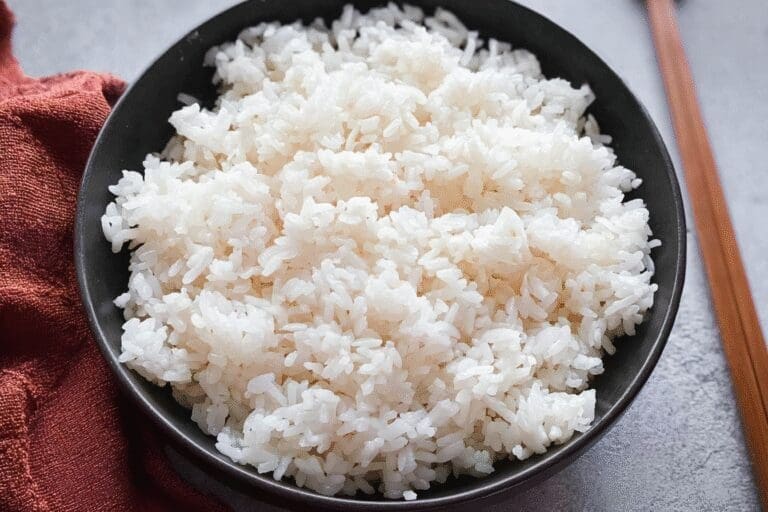
🍚 Sushi Rice: Master the Art of Perfect Japanese Rice at Home teaches you the essentials for making authentic, sticky, and flavorful sushi rice.
🍣 This recipe guides you to achieve the ideal rice texture and seasoning for homemade sushi that rivals your favorite restaurant.
- Total Time: 30 minutes
- Yield: About 4 cups cooked sushi rice 1x
Ingredients
2 cups sushi rice (short-grain, sticky, plump, firm-textured) This forms the base, providing the essential stickiness for rolling sushi and holding flavors well during cooking.
2 cups water Ensures the rice cooks to the ideal tender consistency without becoming mushy, balancing moisture for even steaming.
4-inch square of kombu (dried seaweed, optional) Adds a subtle umami depth, enhancing the overall flavor though it’s not always necessary for beginners.
1/4 cup rice vinegar (unseasoned) Infuses the rice with tanginess, which is crucial for that authentic sushi taste and helps preserve the grains’ texture.
4 teaspoons sugar (or honey as a natural sweetener alternative) Balances the acidity from the vinegar, giving a gentle sweetness that makes the rice moreish and adaptable.
1 teaspoon fine sea salt (use less if substituting with table salt) Seasons the rice perfectly, drawing out flavors and ensuring every bite is well-rounded without overpowering.
Instructions
1-First Step: Gather and Rinse the Rice Begin by measuring out 2 cups of sushi rice and placing it in a fine mesh sieve. Rinse it under cold water until the water runs clear, which usually takes 3-4 rinses while gently stirring the grains. This step removes excess starch, preventing the rice from becoming too gummy, and works well for all dietary adaptations.
2-Second Step: Soak the Rice After rinsing, transfer the rice to a pot and add 2 cups of water along with the 4-inch square of kombu if you’re using it. Let the rice soak for about 30 minutes at room temperature to absorb moisture evenly. This soaking helps achieve the perfect tender texture, and you can skip the kombu for a milder flavor if needed.
3-Third Step: Cook the Rice Bring the pot to a boil over medium heat, then reduce to low and cover with a tight lid. Cook for 15-20 minutes until the water is absorbed, keeping the heat steady to avoid burning. Once done, remove from heat and let it sit covered for another 10 minutes this steams the rice for that ideal sticky consistency, adaptable for gluten-free or low-calorie versions by adjusting portions.
4-Fourth Step: Prepare the Seasoning While the rice cooks, mix 1/4 cup rice vinegar, 4 teaspoons sugar (or honey), and 1 teaspoon fine sea salt in a small bowl until dissolved. Heat this mixture gently if needed to blend smoothly, creating a tangy syrup that enhances the sushi rice’s flavor. This step is key for customization, like using less salt for those watching their sodium intake.
5-Fifth Step: Mix and Cool the Rice Transfer the cooked rice to a large wooden or glass bowl and pour the seasoning over it while the rice is still hot. Gently fold it in with a spatula, taking care not to mash the grains, for about 2-3 minutes until evenly coated. Spread the rice out to cool for 10 minutes, which helps it firm up and become easy to handle for rolling sushi.
6-Final Step: Serve or Store Once cooled, your sushi rice is ready to use in rolls, bowls, or as a side aim for freshness within the hour for best results. For those prepping ahead, consider how this rice pairs with veggies or proteins, and always taste to adjust based on your preferences. For external inspiration, check out this perfect sushi rice recipe from a trusted source.
Last Step:
Please leave a rating and comment letting us know how you liked this recipe! This helps our business to thrive and continue providing free, high-quality recipes for you.Notes
🍶 Use unseasoned rice vinegar and adjust sugar for your preferred sweetness.
🌊 Kombu adds subtle umami but can be omitted if unavailable.
🍴 Use a wooden spatula and gentle folding to avoid mashing the rice while mixing in the vinegar.
- Prep Time: 10 minutes
- Cook Time: 20 minutes
- Category: Side Dish
- Method: Steaming/Simmering
- Cuisine: Japanese
Nutrition
- Serving Size: 1/2 cup cooked rice