Why You’ll Love This Thai Chicken Curry
Imagine coming home after a long day and whipping up a delicious thai chicken curry that’s creamy, flavorful, and ready in no time. This recipe stands out for its simplicity, making it perfect for busy parents and working professionals who want something tasty without the fuss. Let’s dive into why this dish is a go-to choice for home cooks and food enthusiasts alike, with benefits that make it both nutritious and adaptable.
- Ease of preparation: With just about 10 minutes of prep and 40 minutes of cooking, this thai chicken curry recipe fits seamlessly into a hectic schedule, ideal for students or newlyweds. You only need one pan and basic kitchen tools, so cleanup is quick too. Its straightforward steps ensure even beginners can create a restaurant-quality meal without feeling overwhelmed.
- Health benefits: Packed with nutrient-rich ingredients like coconut milk and fresh herbs, this authentic Thai curry offers a hearty dose of proteins, vitamins, and minerals for diet-conscious individuals. Each serving provides about 39g of protein and essential nutrients such as vitamin C from the bell peppers, supporting overall wellness without sacrificing flavor. For seniors or busy parents, it’s a balanced option that keeps you energized while being Paleo-friendly when using gluten-free curry paste.
- Versatility: This thai chicken curry adapts easily to various dietary needs, whether you’re a food enthusiast experimenting with flavors or a traveler recreating favorites from abroad. You can swap ingredients for vegan or low-calorie versions, making it suitable for celebrations or everyday meals. Its flexibility means baking enthusiasts and special occasion hosts can tweak it for different preferences without losing that signature coconut milk curry creaminess.
- Distinctive flavor: What sets this herb chicken curry apart is the fresh burst of cilantro and aromatic spices like ginger and garlic, creating a simple yet exotic taste. The red curry paste adds a gentle heat that complements the creamy coconut milk, delivering an easy chicken curry experience that’s far from ordinary. Travelers and food lovers will appreciate how it evokes authentic Thai vibes right in your kitchen.
This recipe’s blend of ease, nutrition, and taste makes it a favorite that you’ll return to again and again, especially for quick weeknight dinners. By incorporating benefits of coconut milk, you not only enhance the dish’s creaminess but also add a healthy twist that’s perfect for the whole family.
Jump to:
- Why You’ll Love This Thai Chicken Curry
- Essential Ingredients for Thai Chicken Curry
- Main Ingredients
- Special Dietary Options
- How to Prepare the Perfect Thai Chicken Curry: Step-by-Step Guide
- First Step: Preparation and Mise en Place
- Second Step: Browning the Chicken
- Third Step: Sautéing the Vegetables
- Fourth Step: Adding the Curry Paste
- Fifth Step: Incorporating the Coconut Milk
- Sixth Step: Baking to Perfection
- Final Step: Finishing and Serving
- Dietary Substitutions to Customize Your Thai Chicken Curry
- Protein and Main Component Alternatives
- Vegetable, Sauce, and Seasoning Modifications
- Mastering Thai Chicken Curry: Advanced Tips and Variations
- Pro Cooking Techniques
- Flavor Variations
- Presentation Tips
- Make-Ahead Options
- How to Store Thai Chicken Curry: Best Practices
- FAQs: Frequently Asked Questions About Thai Chicken Curry
- Can I freeze Thai chicken curry without ruining the texture?
- Is Thai chicken curry safe for people with gluten intolerance?
- What can I use instead of coconut milk in Thai chicken curry?
- Can I use bone-in chicken pieces to make Thai chicken curry?
- How do I make Thai chicken curry in a slow cooker?
- thai chicken curry
- Ingredients
- Instructions
- Last Step:
- Notes
- Nutrition
- Did you make this recipe?
Essential Ingredients for Thai Chicken Curry
Gathering the right ingredients is key to crafting a perfect thai chicken curry. Each item plays a specific role in building flavors and textures, ensuring your homemade Thai curry turns out just right. Below, you’ll find a detailed, structured list of all the essentials, complete with precise measurements and quick explanations to help you understand their benefits.
Main Ingredients
- 1 ½ lb (≈ 680 g) boneless, skinless chicken breasts or thighs (or a mix) – This serves as the main protein, providing a juicy base that’s rich in nutrients and easy to cook for a hearty, satisfying meal.
- ½ tsp salt, or to taste – Enhances the overall flavor, balancing the spices and ensuring the chicken is seasoned perfectly without overpowering other elements.
- ½ tsp freshly ground black pepper, or to taste – Adds a subtle kick and depth, helping to bring out the natural tastes in the chicken and vegetables.
- 2 Tbsp coconut oil – Used for searing the chicken, it offers a healthy fat that withstands high heat and imparts a mild tropical flavor to the dish.
- 1 red bell pepper, thinly sliced – Provides crunch and a pop of color, plus vitamin C for added nutrition in this easy chicken curry recipe.
- 1 leek, thinly sliced – Brings a mild onion-like flavor and texture, making the curry more aromatic and vegetable-forward.
- 2 cloves garlic, minced – Infuses a pungent, savory note that forms the foundation of many authentic Thai curry dishes.
- ½ tsp freshly grated ginger – Adds warmth and zing, enhancing the fresh herbs and overall authenticity of your Thai chicken curry recipe with coconut milk.
- 2 Tbsp Thai red curry paste (green or yellow paste may be used for a different flavor) – The heart of the dish, delivering spicy and complex flavors that define a simple creamy Thai chicken curry.
- 1 can (14 oz ≈ 400 ml) full-fat coconut milk – Creates the creamy base, adding richness and a dairy-free creaminess that’s essential for the sauce’s texture.
- 3 Tbsp fresh cilantro, torn (optional garnish) – Freshens up the dish with a burst of herbal notes, making it a great finish for this herb chicken curry.
- Steamed rice (brown or jasmine) or sourdough bread, for serving – Complements the curry by soaking up the sauce, offering a simple side to complete your quick Thai chicken curry for weeknight dinner.
Special Dietary Options
For those with specific needs, here are some easy adaptations:
- Vegan: Swap the chicken with plant-based substitutes like tofu or chickpeas to maintain the protein content while keeping the thai chicken curry delicious and meat-free.
- Gluten-free: This recipe is naturally gluten-free as long as you use a gluten-free curry paste, making it safe for those with sensitivities in your homemade Thai chicken curry.
- Low-calorie: Opt for lighter vegetables or reduce the coconut milk slightly to cut calories, ensuring your easy chicken curry remains flavorful yet mindful of dietary goals.
By using these ingredients, you’re set for a step-by-step Thai chicken curry with coconut milk and herbs that’s both authentic and customizable.
How to Prepare the Perfect Thai Chicken Curry: Step-by-Step Guide
Creating a mouthwatering thai chicken curry at home is simpler than you might think, especially with this detailed guide. We’ll walk through each step, incorporating fresh herbs and coconut milk to achieve that creamy goodness. This process is designed for home cooks, from beginners to seasoned pros, and includes tips for adapting to different preferences along the way.
First Step: Preparation and Mise en Place
Start by gathering all your ingredients and prepping them to make the cooking process smooth. Preheat your oven to 375°F (190°C) and season the 1 ½ lb (≈ 680 g) of boneless, skinless chicken with ½ tsp salt and ½ tsp black pepper. This step ensures the chicken absorbs flavors early, and for dietary adaptations, you could use tofu here if going vegan. Having everything ready makes this thai chicken curry recipe with coconut milk feel less intimidating and more enjoyable.
Second Step: Browning the Chicken
Heat 2 Tbsp of coconut oil in a large oven-proof skillet over medium-high heat. Add the seasoned chicken and sear it on both sides until it’s golden brown, which should take about 3-4 minutes per side. Remove the chicken and set it aside this locks in juices and builds flavor for your simple creamy Thai chicken curry. If you’re watching calories, pat the chicken dry first to reduce excess oil, adapting for low-calorie needs without losing that authentic taste.
Third Step: Sautéing the Vegetables
Lower the heat to medium-low and add the sliced red bell pepper, leek, minced garlic, and grated ginger to the same skillet. Sauté these for about 2 minutes until they soften slightly, releasing their aromas and creating a flavorful base. This step is crucial for an easy chicken curry, as it infuses the dish with fresh herbs and veggies feel free to add more if you’re boosting vegetable content for a healthier twist on thai chicken curry.
Fourth Step: Adding the Curry Paste
Stir in 2 Tbsp of Thai red curry paste and cook it for another 5 minutes, stirring frequently to release its full aroma. You can swap in green or yellow paste for a different flavor profile, which is great for food enthusiasts wanting variety. This enhances the overall taste of your quick Thai chicken curry for weeknight dinner, and if you’re making it gluten-free, double-check the paste label first.
Fifth Step: Incorporating the Coconut Milk
Slowly pour in the 14 oz can of full-fat coconut milk, stirring constantly to combine everything into a creamy sauce. Return the seared chicken to the skillet and let it simmer briefly on the stove. For adaptations, if you’re avoiding coconut milk, alternatives like almond milk work, though they might lighten the texture perfect for low-calorie versions of this how to.dm make homemade Thai chicken curry.
Sixth Step: Baking to Perfection
Transfer the skillet to the preheated oven and bake for about 25 minutes, or until the chicken reaches an internal FELtemperature of 165°F (74 °C). This step ensures the meat is tender and fully cooked, making it ideal for busy parents who need a hands-off approach. If using bone-in chicken, extend the time a bit and check for doneness, adapting for preferences in your thai chicken curry recipe.
Final Step: Finishing and Serving
Once done, remove from the oven and garnish with 3 Tbsp of torn fresh cilantro for a burst of freshness. Serve your Thai chicken curry over steamed rice or with sourdough bread, allowing the flavors to shine. This quick meal preps in 10 minutes and cooks in 40 minutes for a total of 50 minutes, making it a hit for any occasion remember to adjust portions for dietary needs to keep everyone happy.
To learn more, check out our related article on essential cake baking tips for more kitchen hacks that complement this recipe.

Dietary Substitutions to Customize Your Thai Chicken Curry
Protein and Main Component Alternatives
Customizing the protein in your thai chicken curry can make it fit various needs. For instance, if chicken isn’t available, try tofu or tempeh for a vegan option, ensuring it still provides that hearty texture. If you’re aiming for extra juiciness, swap in thighs over breasts, or combine both as suggested in the recipe for a moist, flavorful result.
Vegetable, Sauce, and Seasoning Modifications
Boost veggies with additions like peas or broccoli to enhance nutrition in this easy chicken curry. For the sauce, use green curry paste instead of red for a milder flavor, and if avoiding coconut milk, opt for almond milk while adjusting seasonings to maintain creaminess. These changes keep your authentic Thai curry adaptable and delicious for different tastes.
Mastering Thai Chicken Curry: Advanced Tips and Variations
Pro Cooking Techniques
To elevate your thai chicken curry, focus on even searing for better flavor development. Experiment with infusions like infusing the coconut oil with herbs before cooking to deepen tastes in this simple creamy recipe.
Flavor Variations
Try mixing in Thai basil for a fresh twist on your herb chicken curry, or add more spices for a spicier version, adapting to seasonal ingredients for variety.
Presentation Tips
Garnish creatively with scallions to make your thai chicken curry visually appealing for special occasions, enhancing the overall dining experience.
Make-Ahead Options
Prep veggies in advance for busy schedules, so your quick Thai chicken curry is ready to go, fitting into meal prep routines easily.
How to Store Thai Chicken Curry: Best Practices
Proper storage keeps your thai chicken curry fresh and tasty. For refrigeration, cool the curry completely and store it in an airtight container for up to four days. When freezing, note that coconut milk may separate, so it’s not ideal, but if you do, use freezer-safe bags. Reheat gently on the stovetop to maintain the creamy texture, and for meal prep, portion it out for easy weeknight meals.
FAQs: Frequently Asked Questions About Thai Chicken Curry
Can I freeze Thai chicken curry without ruining the texture?
Is Thai chicken curry safe for people with gluten intolerance?
What can I use instead of coconut milk in Thai chicken curry?
Can I use bone-in chicken pieces to make Thai chicken curry?
How do I make Thai chicken curry in a slow cooker?

thai chicken curry
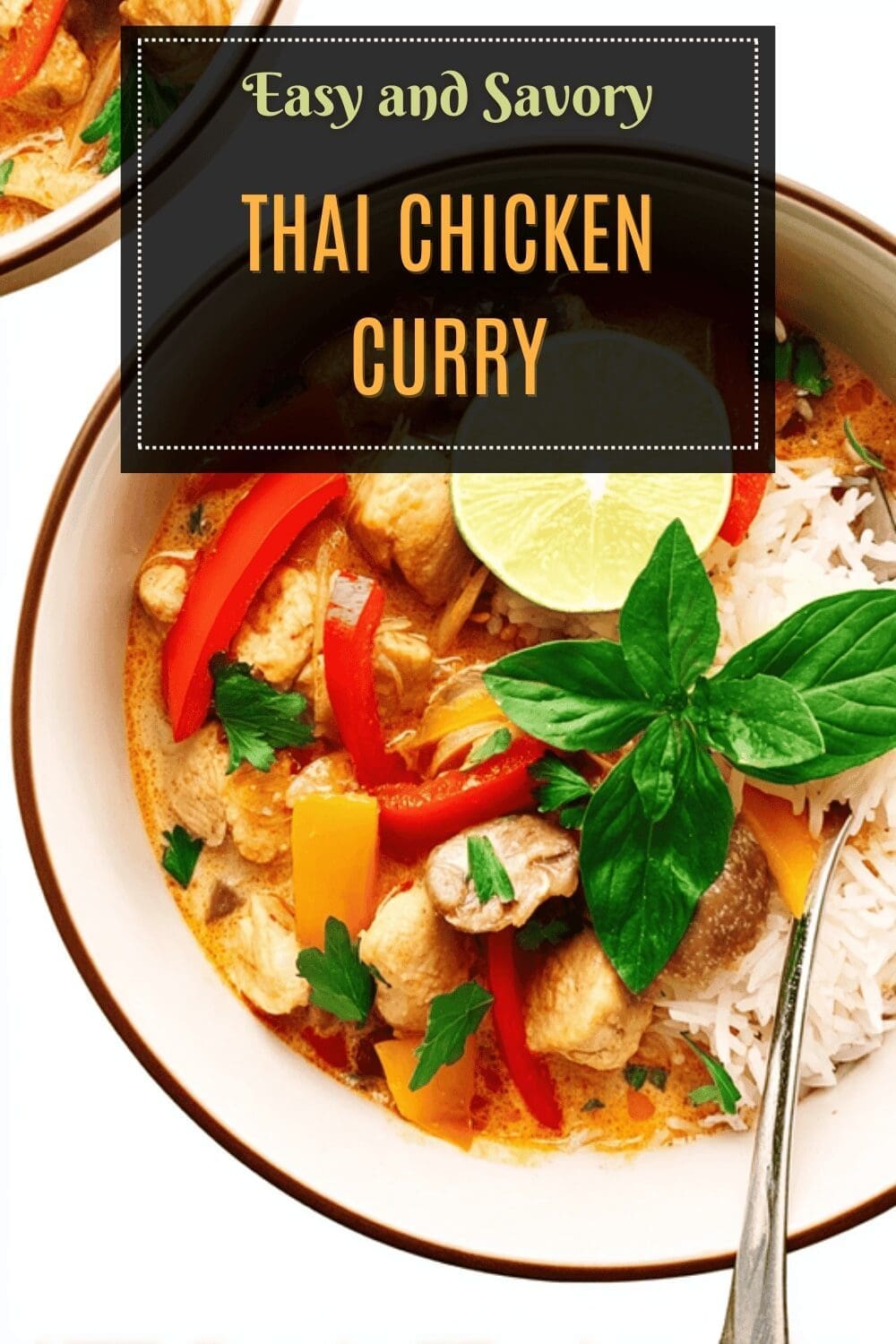
🥥 This creamy Thai chicken curry blends fragrant herbs and rich coconut milk for a comforting, protein‑packed dinner.
🌿 In under an hour you’ll have a vibrant, restaurant‑style dish that pairs perfectly with rice or crusty bread.
- Total Time: 50 minutes
- Yield: 4 servings
Ingredients
– 1 ½ lb (≈ 680 g) boneless, skinless chicken breasts or thighs (or a mix) [main protein]
– ½ tsp salt [for seasoning]
– ½ tsp freshly ground black pepper [for flavor]
– 2 Tbsp coconut oil [for searing]
– 1 red bell pepper, thinly sliced [adds crunch and color]
– 1 leek, thinly sliced [adds mild onion-like flavor]
– 2 cloves garlic, minced [provides savory base]
– ½ tsp freshly grated ginger [adds warmth and zing]
– 2 Tbsp Thai red curry paste (green or yellow paste may be used for a different flavor) [provides core flavor]
– 1 can (14 oz ≈ 400 ml) full-fat coconut milk [creamy base]
– 3 Tbsp fresh cilantro, torn (optional garnish) [optional garnish]
– Steamed rice (brown or jasmine) or sourdough bread [serving side]
Instructions
First Step: Preparation and Mise en Place Start by gathering all your ingredients and prepping them to make the cooking process smooth. Preheat your oven to 375°F (190°C) and season the 1 ½ lb (≈ 680 g) of boneless, skinless chicken with ½ tsp salt and ½ tsp black pepper. This step ensures the chicken absorbs flavors early, and for dietary adaptations, you could use tofu here if going vegan. Having everything ready makes this thai chicken curry recipe with coconut milk feel less intimidating and more enjoyable.
Second Step: Browning the Chicken Heat 2 Tbsp of coconut oil in a large oven-proof skillet over medium-high heat. Add the seasoned chicken and sear it on both sides until it’s golden brown, which should take about 3-4 minutes per side. Remove the chicken and set it aside this locks in juices and builds flavor for your simple creamy Thai chicken curry. If you’re watching calories, pat the chicken dry first to reduce excess oil, adapting for low-calorie needs without losing that authentic taste.
Third Step: Sautéing the Vegetables Lower the heat to medium-low and add the sliced red bell pepper, leek, minced garlic, and grated ginger to the same skillet. Sauté these for about 2 minutes until they soften slightly, releasing their aromas and creating a flavorful base. This step is crucial for an easy chicken curry, as it infuses the dish with fresh herbs and veggies feel free to add more if you’re boosting vegetable content for a healthier twist on thai chicken curry.
Fourth Step: Adding the Curry Paste Stir in 2 Tbsp of Thai red curry paste and cook it for another 5 minutes, stirring frequently to release its full aroma. You can swap in green or yellow paste for a different flavor profile, which is great for food enthusiasts wanting variety. This enhances the overall taste of your quick Thai chicken curry for weeknight dinner, and if you’re making it gluten-free, double-check the paste label first.
Fifth Step: Incorporating the Coconut Milk Slowly pour in the 14 oz can of full-fat coconut milk, stirring constantly to combine everything into a creamy sauce. Return the seared chicken to the skillet and let it simmer briefly on the stove. For adaptations, if you’re avoiding coconut milk, alternatives like almond milk work, though they might lighten the texture perfect for low-calorie versions of this how to.dm make homemade Thai chicken curry.
Sixth Step: Baking to Perfection Transfer the skillet to the preheated oven and bake for about 25 minutes, or until the chicken reaches an internal FELtemperature of 165°F (74 °C). This step ensures the meat is tender and fully cooked, making it ideal for busy parents who need a hands-off approach. If using bone-in chicken, extend the time a bit and check for doneness, adapting for preferences in your thai chicken curry recipe.
Final Step: Finishing and Serving Once done, remove from the oven and garnish with 3 Tbsp of torn fresh cilantro for a burst of freshness. Serve your Thai chicken curry over steamed rice or with sourdough bread, allowing the flavors to shine. This quick meal preps in 10 minutes and cooks in 40 minutes for a total of 50 minutes, making it a hit for any occasion remember to adjust portions for dietary needs to keep everyone happy.
Last Step:
Please leave a rating and comment letting us know how you liked this recipe! This helps our business to thrive and continue providing free, high-quality recipes for you.Notes
🥥 Use full‑fat coconut milk; low‑fat versions can thin the sauce and reduce creaminess.
🔥 For extra heat, add a pinch of cayenne pepper or extra curry paste when sautéing the aromatics.
🧅 Boost vegetables by adding peas, snap peas, or sliced carrots for added color, texture, and nutrients.
- Prep Time: 10 minutes
- Cook Time: 40 minutes
- Category: Main Dish
- Method: One‑Pot Oven Method
- Cuisine: Thai
- Diet: Paleo, Whole30 (if using gluten‑free curry paste)
Nutrition
- Serving Size: 1 cup curry with rice (≈ 300 g)
- Calories: 473
- Sugar: 3 g
- Sodium: 250 mg
- Fat: 32 g
- Saturated Fat: 25 g
- Trans Fat: 1 g
- Carbohydrates: 9 g
- Fiber: 1 g
- Protein: 39 g
- Cholesterol: 109 mg