Why You’ll Love This Arroz Con Gandules
If you’re looking for a dish that brings the heart of Puerto Rican cuisine straight to your kitchen, Arroz Con Gandules is the answer. This beloved recipe has been a centerpiece at family gatherings, holidays, and celebrations for generations, and once you try it, you’ll understand why it holds such a special place in Puerto Rican culture.
The beauty of this Puerto Rican rice dish lies in its simplicity and incredible depth of flavor. Whether you’re cooking for a weeknight dinner or preparing for a festive occasion, this recipe delivers restaurant-quality results with minimal effort.
Key Benefits of This Recipe
- Ease of Preparation: With just 5 minutes of prep time and 25 minutes of cooking, you can have this authentic Puerto Rican side dish ready in under 30 minutes. The straightforward steps make it perfect for beginner cooks and experienced chefs alike. Everything comes together in one pot, which means less cleanup afterwards.
- Nutritional Advantages: Pigeon peas are packed with protein, fiber, and essential nutrients. According to research on health benefits of pigeon peas, they support digestive health and provide sustained energy. Combined with rice, this dish offers a complete protein profile that’s both satisfying and nourishing.
- Versatility: This rice with pigeon peas recipe adapts easily to different dietary needs. You can make it vegetarian by skipping the ham, adjust the seasonings to your taste, or swap ingredients based on what you have available. It pairs beautifully with roasted meats, seafood, or can stand alone as a hearty meal.
- Distinctive Flavor Profile: The combination of sofrito, sazon seasoning, and aromatic herbs creates layers of flavor that make this dish truly memorable. The tomato paste adds richness while the olives contribute subtle briny notes that balance perfectly with the nutty pigeon peas.
Jump to:
- Why You’ll Love This Arroz Con Gandules
- Key Benefits of This Recipe
- Essential Ingredients for Arroz Con Gandules
- Main Ingredients
- Special Dietary Options
- How to Prepare the Perfect Arroz Con Gandules: Step-by-Step Guide
- First Step: Prepare Your Ingredients and Equipment
- Second Step: Build Your Flavor Base
- Third Step: Add Seasonings and Create Your Cooking Liquid
- Fourth Step: Add Rice and Cook Uncovered
- Fifth Step: Steam to Perfection
- Sixth Step: Fluff and Serve
- Dietary Substitutions to Customize Your Arroz Con Gandules
- Protein and Main Component Alternatives
- Vegetable, Sauce, and Seasoning Modifications
- Mastering Arroz Con Gandules: Advanced Tips and Variations
- Pro Cooking Techniques
- Flavor Variations
- Presentation Tips
- Make-Ahead Options
- How to Store Arroz Con Gandules: Best Practices
- Refrigeration Guidelines
- Freezing for Long-Term Storage
- Reheating Best Practices
- Meal Prep Considerations
- FAQs: Frequently Asked Questions About Arroz Con Gandules
- What is arroz con gandules?
- What ingredients do I need for arroz con gandules?
- What kind of rice works best for arroz con gandules?
- Can I substitute ingredients in arroz con gandules?
- Can I freeze arroz con gandules leftovers and reheat them?
- Arroz Con Gandules
- Ingredients
- Instructions
- Last Step:
- Notes
- Nutrition
- Did you make this recipe?
Essential Ingredients for Arroz Con Gandules
Creating an authentic Puerto Rican arroz con gandules starts with understanding each ingredient’s role in building that signature flavor. Here’s everything you’ll need to make this classic dish:
Main Ingredients
- 1 tablespoon olive oil – The cooking foundation that prevents sticking and helps toast the rice. You can substitute annatto oil for authentic color and traditional taste.
- 1/3 cup country ham or bacon, diced (optional) – Adds savory depth and smoky flavor to the dish. Skip for vegetarian versions or substitute with smoked turkey neck or pancetta.
- 1/3 cup sofrito – The aromatic base that gives Puerto Rican rice its signature flavor. Homemade sofrito yields the best results, but store-bought versions work well as a convenient alternative.
- 3 cups water or low sodium chicken broth – The cooking liquid that seasons the rice as it cooks. Chicken broth adds more flavor than water alone.
- 1 1/2 teaspoons sazon seasoning – Provides that characteristic yellow color and umami flavor. Look for brands with achiote for authentic results.
- 1 chicken bouillon cube or more if needed – Boosts the savory flavor profile. Use ham-flavored vegetable bouillon for pork-free versions.
- 2 tablespoons tomato paste or 1/3 cup tomato sauce – Adds richness and helps achieve that beautiful orange-red color. Tomato paste is more concentrated than sauce.
- 1 teaspoon dried Italian seasoning or oregano – Brings herbaceous notes that complement the other seasonings beautifully.
- 1/4 cup fresh cilantro, chopped (optional) – Fresh herb that brightens the dish. Fresh culantro (recaito) is more traditional if you can find it.
- 2-3 bay leaves – Infuse subtle aromatic flavor during cooking. Remove before serving.
- 2 tablespoons pimento stuffed olives (optional) – Add briny complexity and visual appeal with their bright red centers.
- 15 ounce can pigeon peas (gandules), drained and rinsed or 2 cups fresh or frozen – The star ingredient that provides protein, texture, and nutty flavor. Always drain and rinse canned beans to prevent mushiness.
- 2 cups parboiled rice – The best choice for fluffy, separate grains. Parboiled rice reduces starch content and resists becoming mushy.
Special Dietary Options
| Dietary Need | Substitutions |
|---|---|
| Vegan | Skip ham/bacon, use vegetable bouillon instead of chicken, ensure sofrito contains no pork products |
| Gluten-Free | All ingredients are naturally gluten-free; verify bouillon and seasonings are certified GF |
| Low-Calorie | Reduce or omit ham, use water instead of broth, minimize added fats |
| Low-Sodium | Use low-sodium broth, reduce bouillon, skip olives, make homemade sofrito without added salt |
How to Prepare the Perfect Arroz Con Gandules: Step-by-Step Guide
Follow these detailed instructions to create fluffy, flavorful authentic Puerto Rican rice every single time. The key is understanding the technique and timing.
First Step: Prepare Your Ingredients and Equipment
Before you begin cooking, gather all your ingredients and equipment. You’ll need a caldero (traditional Puerto Rican pot) or a Dutch oven with a tight-fitting lid. A caldero pot enhances steam circulation for fluffier results, but any heavy-bottomed pot works well. Drain and rinse your canned pigeon peas thoroughly to remove excess sodium and prevent them from becoming mushy during cooking. If you’re using frozen gandules, there’s no need to thaw them first they can go directly into the pot.
Measure out all your seasonings and have your sofrito ready. This preparation step, called mise en place, ensures smooth cooking without rushing to find ingredients at the last minute.
Second Step: Build Your Flavor Base
Place your caldero or Dutch oven over medium heat and add the tablespoon of olive oil. Once the oil shimmers, add your diced country ham or bacon if using. Cook the meat for about 2 minutes until it begins to render its fat and becomes fragrant. Next, add the sofrito to the pot.
Sauté the sofrito with the ham for approximately 4 minutes until it becomes tender and highly aromatic.
The key here is to cook the sofrito until it’s fragrant but not browned you want to release its flavors without caramelizing it.This step is crucial for developing the foundation of flavor that makes this Puerto Rican rice recipe so special.
Third Step: Add Seasonings and Create Your Cooking Liquid
Stir in the tomato paste or tomato sauce, chicken bouillon cube, and sazon seasoning. Mix everything thoroughly to combine and dissolve the bouillon. The tomato paste adds both color and concentrated tomato flavor, while the sazon provides that characteristic golden hue and complex seasoning profile.
Add the pigeon peas, Italian seasoning or oregano, bay leaves, water or broth, chopped cilantro, and pimento stuffed olives. Bring this mixture to a rolling boil. This is the perfect moment to taste your cooking liquid add more bouillon or salt if needed. The liquid should taste slightly over-seasoned because the rice will absorb much of that salt and flavor.
Fourth Step: Add Rice and Cook Uncovered
Once your liquid is boiling and well-seasoned, add the parboiled rice. Stir gently to evenly distribute the rice and submerge all grains beneath the liquid. This initial cooking stage happens uncovered, allowing excess moisture to evaporate while the rice begins absorbing the seasoned broth.
Cook uncovered over medium heat until you can see the rice grains starting to show above the liquid and most of the moisture has been absorbed. This typically takes about 10-15 minutes depending on your pot and heat level. You’ll notice small tunnels or holes forming in the surface of the rice this is a sign that it’s time to move to the next step.
Fifth Step: Steam to Perfection
Give the rice one gentle stir, scraping from the bottom to ensure nothing sticks and to redistribute the pigeon peas throughout. Then cover the pot tightly and reduce the heat to low. The steaming phase is where the magic happens this is when the rice becomes fluffy and tender without becoming sticky or mushy.
Steam for 20-25 minutes without lifting the lid. Every time you open the lid, precious steam escapes, which can affect the final texture. If you’re making a larger batch, increase the cooking time by a few minutes to ensure even doneness throughout.
Sixth Step: Fluff and Serve
After 20-25 minutes, remove the pot from the heat but keep it covered for another 5 minutes. This resting period allows the rice to finish cooking in its residual heat and makes it easier to fluff. Remove the bay leaves before serving.
Use a fork to gently fluff the rice, separating the grains and distributing the pigeon peas evenly. Transfer to a serving dish and garnish with additional fresh cilantro if desired. Your Arroz Con Gandules is now ready to serve alongside your favorite Puerto Rican dishes like pernil or honey glazed ham for a complete celebration meal.

Dietary Substitutions to Customize Your Arroz Con Gandules
One of the wonderful things about this rice with pigeon peas recipe is how easily it adapts to different dietary preferences and ingredient availability. Here are thoughtful substitutions that maintain the spirit of this classic dish.
Protein and Main Component Alternatives
The traditional recipe includes country ham or bacon for savory depth, but you have several options for customization. For a pork-free version, skip the ham entirely and use ham-flavored vegan or vegetable bouillon to maintain that smoky undertone without the meat. Smoked turkey neck offers a different flavor profile that many families prefer, while pancetta or fatback provide alternatives to traditional country ham.
If pigeon peas are unavailable in your area, substitute with canned pinto, pink, or red beans. While this changes the dish from traditional gandules, it still creates a delicious and satisfying rice and beans preparation. For those using dried pigeon peas, remember to soak them overnight and cook until tender before adding them to your rice.
Vegetarians can make this dish entirely plant-based by eliminating the meat, using vegetable broth instead of chicken broth, and ensuring the sofrito contains no pork products. The result remains flavorful and satisfying. Those following protein-rich diets will appreciate that pigeon peas naturally provide substantial protein content.
Vegetable, Sauce, and Seasoning Modifications
Homemade sofrito delivers the best flavor for your authentic Puerto Rican rice, typically made from a blend of onions, garlic, peppers, and herbs like culantro or cilantro. If you’re short on time, store-bought sofrito works perfectly well as a convenient substitute. For a quick homemade version, combine diced onion, minced garlic, and chopped green peppers as a base.
When it comes to seasonings, fresh culantro (recaito) adds authentic herb notes that are distinctly Puerto Rican, though fresh cilantro makes an excellent alternative. Skip pre-packaged yellow rice mixes they won’t give you the same depth of flavor or authentic results as building your own seasoning base.
For the cooking liquid, the standard ratio works well with parboiled rice, but if you’re using regular white rice or jasmine rice, adjust to approximately 2 cups liquid per 1 cup of rice. Always rinse regular long-grain or jasmine rice before cooking, though parboiled rice needs no rinsing thanks to its processing method.
Mastering Arroz Con Gandules: Advanced Tips and Variations
Once you’ve mastered the basic technique, these expert tips will help you elevate your Puerto Rican rice to restaurant quality while exploring creative variations.
Pro Cooking Techniques
The choice of pot matters more than you might think. A traditional caldero pot with its heavy construction promotes even heat distribution and optimal steam circulation, resulting in the fluffiest rice possible. If you don’t have a caldero, a heavy Dutch oven works well as an alternative.
Understanding liquid ratios is crucial for perfect results. Parboiled rice tolerates liquid variations well and resists mushiness, making it forgiving for beginners. For regular long-grain rice, be more precise with your measurements and always rinse before cooking to remove excess starch.
The timing of your taste test matters always taste and adjust the broth seasoning before adding rice, as salt levels vary between broths and bouillon brands. The cooking liquid should taste slightly too salty because the bland rice will absorb and balance those seasonings.
Flavor Variations
- Coconut Arroz Con Gandules: Replace half the cooking liquid with coconut milk for a Caribbean twist that adds subtle sweetness and richness.
- Spicy Version: Add diced jalapeno or a pinch of cayenne pepper to the sofrito when sautéing for heat that builds flavor complexity.
- Annatto Oil Base: Substitute olive oil with annatto oil for authentic color and traditional taste that elevates the visual appeal.
- Vegetable-Rich: Add diced carrots, corn, or bell peppers along with the pigeon peas for added nutrition and color.
Presentation Tips
For special occasions like Christmas dinner or birthday celebrations, consider molding your Arroz Con Gandules for an elegant presentation. Press the cooked rice into a lightly oiled bowl, then invert onto a serving platter for a perfect dome shape. Garnish with fresh cilantro sprigs and a few pimento-stuffed olives around the base for a restaurant-worthy presentation.
Make-Ahead Options
You can prep your sofrito and measure out all seasonings a day ahead, storing them separately in the refrigerator. This mise en place approach makes weeknight cooking much faster. The rice reheats beautifully, so you can make it ahead for parties and simply reheat covered in the microwave until hot and fluffy.
How to Store Arroz Con Gandules: Best Practices
Proper storage ensures your Puerto Rican rice maintains its texture and flavor for future meals. Here’s everything you need to know about storing leftovers.
Refrigeration Guidelines
Allow your Arroz Con Gandules to cool completely before refrigerating this prevents condensation that can make the rice soggy. Transfer to an airtight container and refrigerate within two hours of cooking. Properly stored, the rice will keep for 3-4 days in the refrigerator. Reheated refrigerated rice softens nicely, making it perfect for quick weeknight meals.
Freezing for Long-Term Storage
This dish freezes excellently for up to 3 months, making it perfect for meal prep. Cool completely, then portion into freezer-safe containers or zip-top bags. Flatten bags for efficient storage and remove as much air as possible before sealing. Label with the date for easy tracking.
Reheating Best Practices
The microwave method works best for reheating. Place the rice in a microwave-safe dish, cover with a damp paper towel or microwave-safe lid, and heat in 2-minute bursts, stirring between each interval until hot and fluffy. You can also reheat on the stovetop with a splash of water over low heat for about 10 minutes. Avoid multiple freeze-thaw cycles as this degrades texture and flavor.
Meal Prep Considerations
For batch cooking, consider doubling the recipe. A doubled batch using 6 cups of rice serves 12-16 people, making it ideal for parties or weekly meal prep. Remember that cooking time will increase slightly for larger batches add 5-10 minutes to ensure even doneness throughout the larger volume.
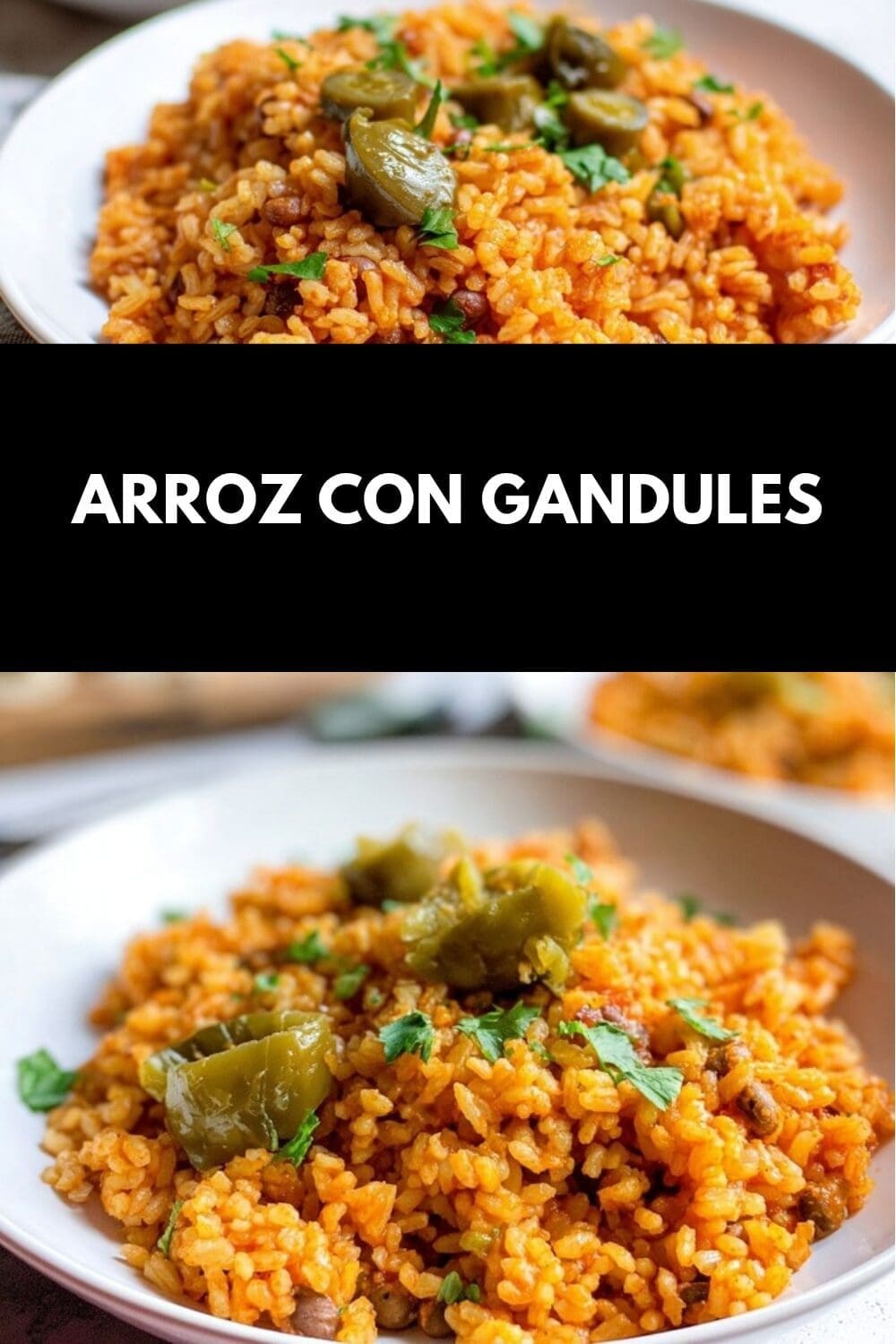
FAQs: Frequently Asked Questions About Arroz Con Gandules
What is arroz con gandules?
What ingredients do I need for arroz con gandules?
What kind of rice works best for arroz con gandules?
Can I substitute ingredients in arroz con gandules?
Can I freeze arroz con gandules leftovers and reheat them?

Arroz Con Gandules
🍚 Vibrant Puerto Rican arroz con gandules bursts with sofrito, sazón, and pigeon peas – fluffy, aromatic side for any feast!
🇵🇷 One-pot 30-minute staple, smoky herbs and tender peas elevate rice to holiday-worthy perfection effortlessly.
- Total Time: 30 minutes
- Yield: 6 servings
Ingredients
– 1 tablespoon olive oil
– 1/3 cup country ham or bacon, diced (optional)
– 1/3 cup sofrito
– 3 cups water or low sodium chicken broth
– 1 1/2 teaspoons sazon seasoning
– 1 chicken bouillon cube or more if needed
– 2 tablespoons tomato paste or 1/3 cup tomato sauce
– 1 teaspoon dried Italian seasoning or oregano
– 1/4 cup fresh cilantro, chopped (optional)
– 2-3 bay leaves
– 2 tablespoons pimento stuffed olives (optional)
– 15 ounce can pigeon peas (gandules), drained and rinsed or 2 cups fresh or frozen
– 2 cups parboiled rice
Instructions
1-First Step: Prepare Your Ingredients and Equipment Before you begin cooking, gather all your ingredients and equipment. You’ll need a caldero (traditional Puerto Rican pot) or a Dutch oven with a tight-fitting lid. A caldero pot enhances steam circulation for fluffier results, but any heavy-bottomed pot works well. Drain and rinse your canned pigeon peas thoroughly to remove excess sodium and prevent them from becoming mushy during cooking. If you’re using frozen gandules, there’s no need to thaw them first they can go directly into the pot. Measure out all your seasonings and have your sofrito ready. This preparation step, called mise en place, ensures smooth cooking without rushing to find ingredients at the last minute.
2-Second Step: Build Your Flavor Base Place your caldero or Dutch oven over medium heat and add the tablespoon of olive oil. Once the oil shimmers, add your diced country ham or bacon if using. Cook the meat for about 2 minutes until it begins to render its fat and becomes fragrant. Next, add the sofrito to the pot. Sauté the sofrito with the ham for approximately 4 minutes until it becomes tender and highly aromatic. The key here is to cook the sofrito until it’s fragrant but not browned you want to release its flavors without caramelizing it. This step is crucial for developing the foundation of flavor that makes this Puerto Rican rice recipe so special.
3-Third Step: Add Seasonings and Create Your Cooking Liquid Stir in the tomato paste or tomato sauce, chicken bouillon cube, and sazon seasoning. Mix everything thoroughly to combine and dissolve the bouillon. The tomato paste adds both color and concentrated tomato flavor, while the sazon provides that characteristic golden hue and complex seasoning profile. Add the pigeon peas, Italian seasoning or oregano, bay leaves, water or broth, chopped cilantro, and pimento stuffed olives. Bring this mixture to a rolling boil. This is the perfect moment to taste your cooking liquid add more bouillon or salt if needed. The liquid should taste slightly over-seasoned because the rice will absorb much of that salt and flavor.
4-Fourth Step: Add Rice and Cook Uncovered Once your liquid is boiling and well-seasoned, add the parboiled rice. Stir gently to evenly distribute the rice and submerge all grains beneath the liquid. This initial cooking stage happens uncovered, allowing excess moisture to evaporate while the rice begins absorbing the seasoned broth. Cook uncovered over medium heat until you can see the rice grains starting to show above the liquid and most of the moisture has been absorbed. This typically takes about 10-15 minutes depending on your pot and heat level. You’ll notice small tunnels or holes forming in the surface of the rice this is a sign that it’s time to move to the next step.
5-Fifth Step: Steam to Perfection Give the rice one gentle stir, scraping from the bottom to ensure nothing sticks and to redistribute the pigeon peas throughout. Then cover the pot tightly and reduce the heat to low. The steaming phase is where the magic happens this is when the rice becomes fluffy and tender without becoming sticky or mushy. Steam for 20-25 minutes without lifting the lid. Every time you open the lid, precious steam escapes, which can affect the final texture. If you’re making a larger batch, increase the cooking time by a few minutes to ensure even doneness throughout.
6-Sixth Step: Fluff and Serve After 20-25 minutes, remove the pot from the heat but keep it covered for another 5 minutes. This resting period allows the rice to finish cooking in its residual heat and makes it easier to fluff. Remove the bay leaves before serving. Use a fork to gently fluff the rice, separating the grains and distributing the pigeon peas evenly. Transfer to a serving dish and garnish with additional fresh cilantro if desired. Your Arroz Con Gandules is now ready to serve alongside your favorite Puerto Rican dishes like pernil or honey glazed ham for a complete celebration meal.
Last Step:
Please leave a rating and comment letting us know how you liked this recipe! This helps our business to thrive and continue providing free, high-quality recipes for you.Notes
🍚 Parboiled rice prevents sticky, mushy grains for authentic loose texture.
🔥 Taste and season broth before adding rice – can’t adjust after!
🥘 Use a traditional caldero for superior steam and fluffier results.
- Prep Time: 5 minutes
- Cook Time: 25 minutes
- Category: Side Dish
- Method: Stovetop
- Cuisine: Puerto Rican
- Diet: Gluten-Free
Nutrition
- Serving Size: 1 cup
- Calories: 320 kcal
- Sugar: 3g
- Sodium: 800mg
- Fat: 5g
- Saturated Fat: 1g
- Unsaturated Fat: 4g
- Trans Fat: 0g
- Carbohydrates: 55g
- Fiber: 4g
- Protein: 12g
- Cholesterol: 15mg