Why You’ll Love This Dutch Ovens
Dutch ovens stand out as a versatile kitchen essential for home cooks and baking enthusiasts alike. These durable pots make everyday meals simple and flavorful, blending ease with robust performance. If you’re exploring the world of Dutch ovens, you’ll find they bring a host of advantages that fit seamlessly into your routine.
- Ease of preparation: Dutch ovens simplify cooking with their even heat distribution and one-pot design, cutting down on cleanup time. For instance, you can quickly whip up hearty stews or bakes without fancy tools, making it ideal for busy parents and working professionals. This ease ties back to Dutch ovens’ role in home cooking, allowing you to focus on enjoying the process rather than stressing over steps.
- Health benefits: These pots help retain nutrients in foods like vegetables and proteins by locking in moisture during slow cooking. Dishes often feature a balance of proteins from sources like chicken or beef, paired with veggies such as carrots and potatoes, promoting a nutritious mix of carbs, fats, and proteins. For diet-conscious individuals, this means creating meals that support wellness without sacrificing taste.
- Versatility: Dutch ovens adapt to various dietary needs, from family dinners to special occasions, working on stovetops or in ovens for everything from stews to breads. They suit baking enthusiasts who want to experiment with recipes, offering options for travelers or newlyweds starting their kitchens. This flexibility makes Dutch ovens a go-to for food enthusiasts seeking reliable tools.
- Distinctive flavor: The slow-cooking ability of Dutch ovens enhances tastes by melding herbs, spices, and ingredients over time, resulting in rich, deep flavors. Recipes with proteins like pork or beef, combined with onions and seasonings, create standout dishes that elevate simple meals. This unique quality appeals to seniors and celebration planners looking for memorable, flavorful results.
Incorporating Dutch ovens into your collection means enjoying meals that are not only practical but also packed with nutrition and adaptability, making them perfect for your daily life.
Jump to:
- Why You’ll Love This Dutch Ovens
- Essential Ingredients for Dutch Ovens
- Main Ingredients
- Special Dietary Options
- How to Prepare the Perfect Dutch Ovens: Step-by-Step Guide
- Getting Started with Preparation
- First Step: Preheat Your Dutch Oven
- Second Step: Brown the Chosen Protein
- Third Step: Add Vegetables and Seasonings
- Fourth Step: Pour in Liquid and Cover
- Fifth Step: Check and Stir Occasionally
- Final Step: Serve and Enjoy
- Dietary Substitutions to Customize Your Dutch Ovens
- Protein and Main Component Alternatives
- Vegetable, Sauce, and Seasoning Modifications
- Mastering Dutch Ovens: Advanced Tips and Variations
- Pro Cooking Techniques
- Flavor Variations
- Presentation Tips
- Make-Ahead Options
- How to Store Dutch Ovens: Best Practices
- Refrigeration Guidelines
- Freezing Options
- Reheating Techniques
- Meal Prep Considerations
- FAQs: Frequently Asked Questions About Dutch Ovens
- What is a Dutch oven and how is it used in cooking?
- How do I properly season and maintain a cast iron Dutch oven?
- Can I use a Dutch oven on any type of stovetop, including induction?
- What are the advantages of using an enamel-coated Dutch oven versus bare cast iron?
- How do I avoid common problems like food sticking or rust on my Dutch oven?
- Dutch Ovens
- Ingredients
- Instructions
- Last Step:
- Notes
- Did you make this recipe?
Essential Ingredients for Dutch Ovens
When considering Dutch ovens for your kitchen, think about the key ingredients that make recipes shine in these pots. Based on typical Dutch oven dishes, we’ll outline the essential items that bring out the best flavors and textures.
Main Ingredients
- Proteins like chicken – Adds heartiness and protein to dishes, forming the base for nourishing meals.
- Proteins like beef – Provides rich flavor and substantial texture, ideal for stews and roasts.
- Proteins like pork – Offers a tender, juicy element that works well in slow-cooked recipes.
- Vegetables such as onions – Brings sweetness and depth, enhancing the overall taste profile.
- Vegetables such as carrots – Contributes natural sweetness and vitamins, promoting a balanced dish.
- Vegetables such as potatoes – Adds bulk and carbohydrates, making meals more filling and versatile.
- Seasoning herbs and spices – Infuses layers of flavor, allowing for customization based on preferences.
- A liquid like broth – Helps in moistening and tenderizing ingredients during cooking.
- A liquid like water – Serves as a simple base for building sauces and keeping dishes hydrated.
Special Dietary Options
For those with specific needs, consider these adaptations to keep your Dutch oven recipes inclusive.
- Vegan: Use plant-based substitutes like tofu or lentils in place of proteins such as chicken, beef, or pork to maintain a hearty feel without animal products.
- Gluten-free: Opt for naturally gluten-free vegetables like carrots and potatoes, and ensure any added herbs or spices are from gluten-free sources for safe preparation.
- Low-calorie: Choose lighter options such as more vegetables like onions over heavier proteins, and use water instead of broth to cut down on calories while preserving nutrition.
These ingredients form the foundation of many Dutch oven creations, helping you craft meals that align with your lifestyle as a home cook or baking enthusiast.
How to Prepare the Perfect Dutch Ovens: Step-by-Step Guide
Getting Started with Preparation
Diving into Dutch oven cooking starts with gathering your tools and ingredients for a smooth process. Begin by selecting a high-quality Dutch oven from trusted brands, as this will impact heat distribution and cooking. Keep in mind the preparation time is usually 15 to 30 minutes, setting the stage for delicious results with Dutch ovens.
First Step: Preheat Your Dutch Oven
Start by preheating your Dutch oven on the stovetop over medium heat to ensure even cooking. This step helps in browning proteins like chicken or beef effectively, locking in flavors from the outset. For best results, preheat for about 5 minutes, adapting for different dietary needs by using plant-based alternatives if needed.
Second Step: Brown the Chosen Protein
Once preheated, add your protein such as beef or pork to the Dutch oven and cook until it’s nicely browned on all sides. This process, taking around 10 minutes, builds a flavorful base for your dish. If you’re making it low-calorie, choose leaner cuts and monitor the heat to avoid overcooking, keeping the focus on Dutch ovens’ efficiency.
Third Step: Add Vegetables and Seasonings
After browning, incorporate vegetables like onions, carrots, and potatoes into the pot for a colorful mix. Stir in seasoning herbs and spices at this点, allowing them to release their aromas over low heat for about 5 minutes. This step enhances versatility, letting you tweak for gluten-free options by selecting appropriate veggies, all while highlighting why Dutch ovens excel in home cooking.
Fourth Step: Pour in Liquid and Cover
Next, add a liquid like broth or water to the mixture, ensuring it covers the ingredients partially for optimal braising. Cover the Dutch oven and reduce heat to low, letting everything simmer for one to several hours depending on the recipe. This slow-cooking method preserves nutritional benefits, making it easy to adapt for busy parents or students with minimal hands-on time.
Fifth Step: Check and Stir Occasionally
During cooking, check the pot every 30 minutes to stir and ensure even heat distribution, which helps avoid sticking and maintains flavors. If you’re preparing for dietary substitutions, this is a good time to adjust seasonings for preferences like vegan options. Cooking times vary, but aim for tenderness, showcasing the advantages of Dutch ovens in creating balanced meals.
Final Step: Serve and Enjoy
Once done, remove from heat and let it rest for a few minutes before serving to allow flavors to meld. Dish out portions that offer a mix of protein, carbs, and fats for a nutritious meal, perfect for food enthusiasts. For an extra touch, pair with simple sides, ensuring your Dutch oven creation brings joy to any occasion, from family dinners to celebrations.
Throughout this guide, remember that proper maintenance, like avoiding abrupt temperature changes, keeps your Dutch oven in top shape for repeated use.

Dietary Substitutions to Customize Your Dutch Ovens
Protein and Main Component Alternatives
Swapping proteins in Dutch oven recipes can make them fit various needs. For example, replace beef with turkey for a lighter option that still browns well and retains moisture. If availability is an issue, use pork swaps like ground meat for quicker cooking. These changes ensure your dishes remain versatile for travelers or seniors seeking easier meals.
Vegetable, Sauce, and Seasoning Modifications
Adjust vegetables based on seasons; swap carrots for seasonal greens to add freshness without altering the core recipe. For sauces, use broth alternatives like vegetable stock for vegan adaptations, enhancing flavors while keeping it diet-friendly. Seasonings can be modified with milder herbs for those with preferences, making Dutch oven cooking adaptable for working professionals and celebration planners.
Mastering Dutch Ovens: Advanced Tips and Variations
Pro Cooking Techniques
Refine your skills by focusing on even heating to prevent damage, a key tip for long-term use. Experiment with slow-cooking to deepen flavors, turning simple ingredients into standout dishes. These methods help busy parents save time while delivering great results in Dutch ovens.
Flavor Variations
Try different herb mixes to customize tastes. Combine spices with veggies for unique twists, ideal for food enthusiasts exploring new ideas.
| Variation | Description |
|---|---|
| Herb Mix | Add fresh herbs for a vibrant flavor boost. |
| Spice Blends | Use global spices to inspire new recipes. |
Presentation Tips
Garnish with fresh veggies for an appealing look. Plate in style to impress at gatherings, suiting celebration hosts perfectly.
Make-Ahead Options
Prep ingredients in advance for quick assembly. Store components for easy weeknight meals, helpful for students and working professionals.
This approach to Dutch ovens highlights their role in creating memorable, adaptable dishes.Here is an internal link to more tips: Baking Tips for Beginners on our site.
How to Store Dutch Ovens: Best Practices
Refrigeration Guidelines
Store cooked Dutch oven dishes in the fridge for short-term use to maintain freshness. Cool meals first to prevent condensation, then cover tightly. This method works well for busy schedules, keeping food ready for quick meals.
Freezing Options
For longer storage, freeze portions in airtight containers to preserve quality. Label with dates to track usability, ideal for batch cooking. Freezing helps diet-conscious individuals prepare healthy options in advance.
Reheating Techniques
Reheat gently on the stovetop to retain flavors and safety. Use low heat in your Dutch oven for even warming, avoiding microwave for best results. These practices ensure meals taste as good as freshly made.
Meal Prep Considerations
Plan ahead by dividing meals into portions for easy access. This tip supports working professionals in maintaining balanced eating habits.
Remember, proper care like cleaning without soap enhances your Dutch oven’s longevity.

FAQs: Frequently Asked Questions About Dutch Ovens
What is a Dutch oven and how is it used in cooking?
How do I properly season and maintain a cast iron Dutch oven?
Can I use a Dutch oven on any type of stovetop, including induction?
What are the advantages of using an enamel-coated Dutch oven versus bare cast iron?
How do I avoid common problems like food sticking or rust on my Dutch oven?
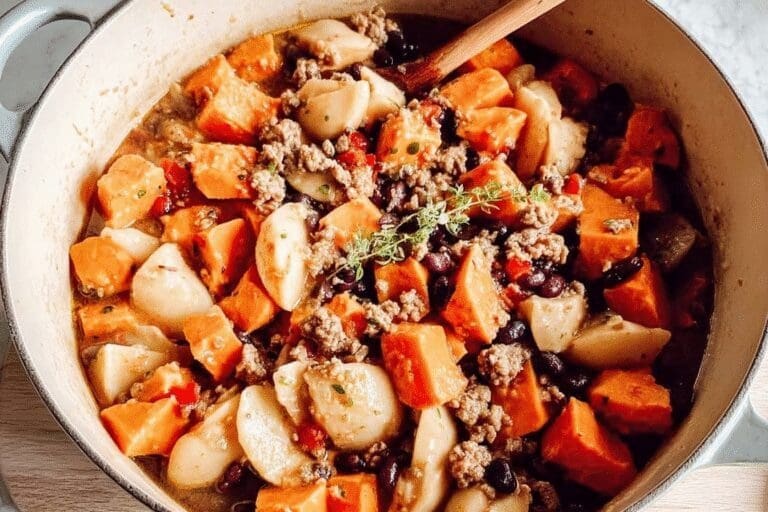
Dutch Ovens
🍲 Dutch Ovens Shopping Guide helps you understand how to choose the best Dutch oven for slow-cooking delicious meals at home.
🍖 This guide highlights key features, proper use, and care tips, ensuring your cooking experience is enhanced with quality cookware.
- Total Time: Varies depending on recipe
- Yield: Varies by recipe
Ingredients
Proteins like chicken Adds heartiness and protein to dishes, forming the base for nourishing meals.
Proteins like beef Provides rich flavor and substantial texture, ideal for stews and roasts.
Proteins like pork Offers a tender, juicy element that works well in slow-cooked recipes.
Vegetables such as onions Brings sweetness and depth, enhancing the overall taste profile.
Vegetables such as carrots Contributes natural sweetness and vitamins, promoting a balanced dish.
Vegetables such as potatoes Adds bulk and carbohydrates, making meals more filling and versatile.
Seasoning herbs and spices Infuses layers of flavor, allowing for customization based on preferences.
A liquid like broth Helps in moistening and tenderizing ingredients during cooking.
A liquid like water Serves as a simple base for building sauces and keeping dishes hydrated.
plant-based substitutes like tofu or lentils in place of proteins such as chicken, beef, or pork to maintain a hearty feel without animal products.
naturally gluten-free vegetables like carrots and potatoes, and ensure any added herbs or spices are from gluten-free sources for safe preparation.
lighter options such as more vegetables like onions over heavier proteins, and use water instead of broth to cut down on calories while preserving nutrition.
Instructions
1-First Step: Preheat Your Dutch Oven Start by preheating your Dutch oven on the stovetop over medium heat to ensure even cooking. This step helps in browning proteins like chicken or beef effectively, locking in flavors from the outset. For best results, preheat for about 5 minutes, adapting for different dietary needs by using plant-based alternatives if needed.
2-Second Step: Brown the Chosen Protein Once preheated, add your protein such as beef or pork to the Dutch oven and cook until it’s nicely browned on all sides. This process, taking around 10 minutes, builds a flavorful base for your dish. If you’re making it low-calorie, choose leaner cuts and monitor the heat to avoid overcooking, keeping the focus on Dutch ovens’ efficiency.
3-Third Step: Add Vegetables and Seasonings After browning, incorporate vegetables like onions, carrots, and potatoes into the pot for a colorful mix. Stir in seasoning herbs and spices at this点, allowing them to release their aromas over low heat for about 5 minutes. This step enhances versatility, letting you tweak for gluten-free options by selecting appropriate veggies, all while highlighting why Dutch ovens excel in home cooking.
4-Fourth Step: Pour in Liquid and Cover Next, add a liquid like broth or water to the mixture, ensuring it covers the ingredients partially for optimal braising. Cover the Dutch oven and reduce heat to low, letting everything simmer for one to several hours depending on the recipe. This slow-cooking method preserves nutritional benefits, making it easy to adapt for busy parents or students with minimal hands-on time.
5-Fifth Step: Check and Stir Occasionally During cooking, check the pot every 30 minutes to stir and ensure even heat distribution, which helps avoid sticking and maintains flavors. If you’re preparing for dietary substitutions, this is a good time to adjust seasonings for preferences like vegan options. Cooking times vary, but aim for tenderness, showcasing the advantages of Dutch ovens in creating balanced meals.
6-Final Step: Serve and Enjoy Once done, remove from heat and let it rest for a few minutes before serving to allow flavors to meld. Dish out portions that offer a mix of protein, carbs, and fats for a nutritious meal, perfect for food enthusiasts. For an extra touch, pair with simple sides, ensuring your Dutch oven creation brings joy to any occasion, from family dinners to celebrations.
Last Step:
Please leave a rating and comment letting us know how you liked this recipe! This helps our business to thrive and continue providing free, high-quality recipes for you.Notes
🛠️ Season your cast iron Dutch oven properly before first use to maintain a non-stick surface.
🔥 Avoid sudden temperature changes to prevent cracking or warping.
🍲 Use Dutch ovens for slow cooking to develop rich flavors in your dishes.
- Prep Time: 15-30 minutes
- Cook Time: 1-3+ hours
- Category: Cooking Guide
- Method: Slow Cooking