Why You’ll Love This Greek Salad Dressing
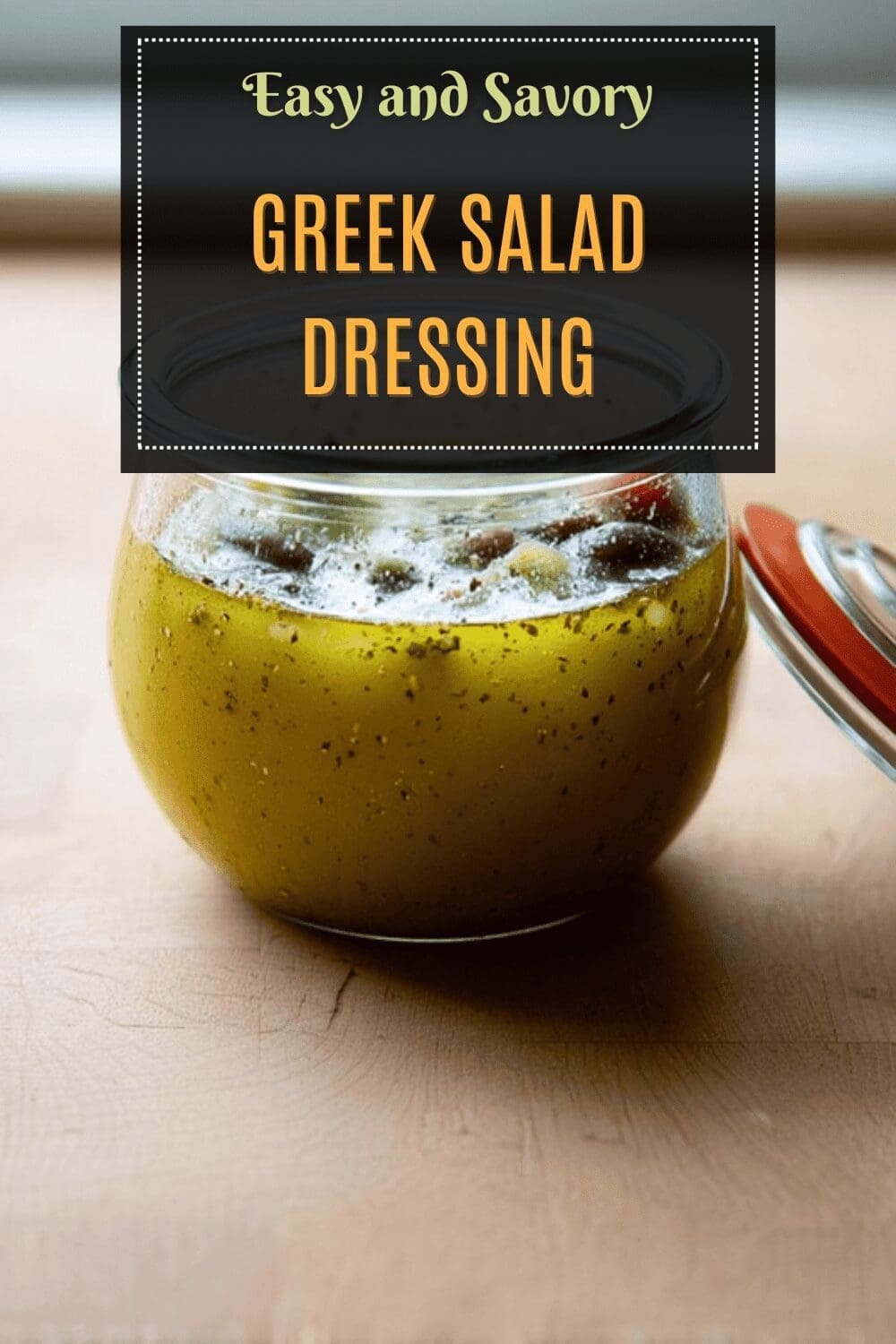
Greek salad dressing brings a burst of fresh, zesty flavors that can brighten up any meal, and it’s incredibly easy to make at home. You’ll appreciate how this simple recipe uses just a handful of everyday ingredients to create something special for your salads or veggies. Plus, it’s packed with health benefits from ingredients like olive oil and herbs, making it a smart choice for everyday cooking.
One reason this dressing stands out is its ease of preparation, taking only a few minutes with basic mixing techniques that fit into busy schedules. It’s also full of health benefits, thanks to heart-healthy extra-virgin olive oil and antioxidant-rich herbs like oregano. This dressing is versatile, working well for vegan, gluten-free, and low-calorie diets, so everyone can enjoy its vibrant taste. Its distinctive flavor comes from the perfect blend of tangy elements and aromatic spices that enhance everything from traditional salads to grilled vegetables.
For example, you can use a similar approach from popular recipes to see how this dressing adds zest to your dishes. That harmonious mix of ingredients makes it adaptable for various meals, whether you’re tossing it with fresh greens or drizzling it over roasted veggies. Imagine whipping this up in under 5 minutes and transforming your dinner into something truly delightful.
Health and Versatility Benefits
Dive a bit deeper, and you’ll find that this dressing supports overall wellness with its nutritious components. For instance, the olive oil provides healthy fats that are great for your heart, while the garlic and oregano add a boost of antioxidants. This flexibility means you can tweak it for dietary needs, like keeping it vegan or gluten-free, without losing that authentic taste. It’s no wonder this recipe has become a staple for home cooks looking for quick, flavorful options.
If you’re new to making dressings, think of it as a fun way to experiment in the kitchen. This approach not only saves you time but also lets you control the ingredients, avoiding any unwanted additives from store-bought versions. Give it a try and see how it elevates your meals effortlessly.
Jump to:
- Why You’ll Love This Greek Salad Dressing
- Health and Versatility Benefits
- Essential Ingredients for Greek Salad Dressing
- Special Dietary Options
- How to Prepare the Perfect Greek Salad Dressing: Step-by-Step Guide
- Tips for a Smooth Emulsion
- Dietary Substitutions to Customize Your Greek Salad Dressing
- Mastering Greek Salad Dressing: Advanced Tips and Variations
- How to Store Greek Salad Dressing: Best Practices
- FAQs: Frequently Asked Questions About Greek Salad Dressing
- What ingredients do I need to make authentic Greek salad dressing?
- How long does homemade Greek salad dressing last in the refrigerator?
- Can Greek salad dressing be used for dishes other than salad?
- Is it possible to customize Greek salad dressing to suit dietary preferences?
- How do I make Greek salad dressing emulsify properly?
- Greek Salad Dressing
- Ingredients
- Instructions
- Last Step:
- Notes
- Nutrition
- Did you make this recipe?
Essential Ingredients for Greek Salad Dressing
Getting the ingredients right is key to making a delicious Greek salad dressing, and this recipe keeps things straightforwards with pantry staples. Let’s break down what you need, focusing on the exact measurements to ensure your dressing turns out perfectly every time. I’ll list them out clearly so you can follow along easily and grab everything before you start.
- ¼ cup extra-virgin olive oil This forms the rich, smooth base and provides healthy fats.
- 3 tablespoons red wine vinegar Adds a tangy acidity to balance the flavors.
- 1 garlic clove, minced Brings a subtle, warm pungency that enhances the overall taste.
- ½ teaspoon dried oregano, plus more for sprinkling Infuses that classic Mediterranean herbal note.
- ¼ teaspoon Dijon mustard Helps emulsify the dressing for a creamy texture.
- ¼ teaspoon salt Essential for seasoning and bringing out the flavors.
- Pepper to taste Allows you to adjust the heat and depth as needed.
These ingredients make the dressing comprehensive and easy to prepare, covering everything required for the recipe. Remember, using high-quality items like fresh garlic and good olive oil can really make a difference in the final result.
Special Dietary Options
This recipe is naturally vegan and gluten-free, which is great for various dietary preferences. If you’re watching calories, you might reduce the olive oil a tad or choose a light version. For more ideas on adapting recipes, check out our easy substitutions guide on the blog. That way, you can customize it further while keeping that fresh, zesty flavor intact.
How to Prepare the Perfect Greek Salad Dressing: Step-by-Step Guide
Making Greek salad dressing is a breeze and takes about 5 minutes, so let’s walk through it step by step to help you get it just right. Start by gathering your ingredients to ensure everything is fresh and ready, which sets the foundation for the best flavor. This method uses simple techniques that anyone can master, even if you’re new to the kitchen.
First, in a small bowl, combine the minced garlic with the dried oregano to release their aromatic oils. Then, add the red wine vinegar and Dijon mustard, whisking gently to mix them well. Next, slowly drizzle in the extra-virgin olive oil while continuing to whisk, creating a smooth emulsion that blends everything together.
After that, season with salt and pepper to taste, adjusting as you go to get the balance perfect. Finally, your dressing is ready to use right away or you can pop it in the fridge for up to 5 days just give it a good whisk before serving. This recipe is flexible too, so it works for vegan, gluten-free, or low-calorie tweaks with ease.
Tips for a Smooth Emulsion
To make sure your dressing doesn’t separate, take your time when adding the oil, as this helps it incorporate fully. Here’s a quick table to compare common emulsifying techniques for better understanding:
| Technique | Best For | Tips |
|---|---|---|
| Whisking by hand | Small batches | Use a bowl and whisk for control; ideal for beginners. |
| Shaking in a jar | Quick prep | Seal and shake vigorously; great for storage too. |
| Blender or food processor | Larger amounts | Ensures even mixing; perfect for smoother results. |
This guide not only helps you prepare the dressing but also builds your confidence for more kitchen adventures. Once you try it, you’ll see how versatile it is for everyday meals.

Dietary Substitutions to Customize Your Greek Salad Dressing
Everyone’s tastes and needs are different, so customizing your Greek salad dressing is a fun way to make it your own. Whether you’re looking to swap ingredients for health reasons or just variety, these simple changes keep the dressing delicious. Let’s explore some easy options that fit various diets without losing that zesty kick.
For protein boosts, you could substitute options like tofu for cheese if you’re adding it later, making it fully vegan-friendly. When it comes to veggies or seasonings, try fresh herbs instead of dried oregano for a brighter twist, or swap vinegar types for a different tang. These modifications help accommodate sensitive palates or dietary restrictions, keeping the recipe approachable and versatile.
- Use dill or thyme in place of oregano for a fresher flavor profile.
- Opt for balsamic vinegar if you prefer a sweeter note over the traditional tang.
- Reduce or omit garlic for those who want a milder taste.
This way, you can experiment and find what works best for you, all while maintaining the core essence of the dressing.
Mastering Greek Salad Dressing: Advanced Tips and Variations
Once you’re comfortable with the basic recipe, it’s time to level up with some advanced tips that can take your Greek salad dressing to the next level. For instance, whisking the oil slowly into the acids creates a stable emulsion, ensuring your dressing stays mixed longer. You can also experiment with flavors by adding fresh basil or a hint of smoked paprika for extra depth and excitement.
Presentation matters too think about garnishing your salad with chopped parsley or toasted nuts for added texture and visual appeal. If you’re planning ahead, prepare the dressing in larger batches and store it properly, which makes meal prep a snap. Remember, these techniques build on the simple recipe, much like our quick recipes section, to help you create memorable dishes every time.
- Add minced basil for a herbaceous variation that pairs well with summer salads.
- Incorporate a pinch of paprika to introduce a smoky element without overpowering the originals.
- Garnish with pine nuts for crunch, enhancing the overall eating experience.
These variations keep things interesting and allow you to adapt the dressing for different occasions, from weeknight dinners to special gatherings.
How to Store Greek Salad Dressing: Best Practices
Proper storage keeps your Greek salad dressing fresh and flavorful, so let’s cover the basics to make sure it lasts. The key is using an airtight container in the fridge, which helps preserve its taste for up to a week. This simple step means you can enjoy homemade dressing without worrying about waste.
Avoid freezing as it can change the texture of the olive oil, making it less smooth when thawed. When you’re ready to use it, just bring it to room temperature and give it a quick whisk to recombine. For meal prep, divide it into small containers for easy grab-and-go options throughout the week, fitting perfectly into busy lifestyles.
This dressing is best enjoyed fresh, but with these storage tips, you can keep that zesty flavor ready whenever you need it.
By following these practices, you ensure every use is as good as the first, making it a reliable part of your kitchen routine.
FAQs: Frequently Asked Questions About Greek Salad Dressing
What ingredients do I need to make authentic Greek salad dressing?
How long does homemade Greek salad dressing last in the refrigerator?
Can Greek salad dressing be used for dishes other than salad?
Is it possible to customize Greek salad dressing to suit dietary preferences?
How do I make Greek salad dressing emulsify properly?

Greek Salad Dressing
🥗 This Greek Salad Dressing offers a fresh and zesty flavor that brightens any salad or vegetable dish.
🍋 Made with simple, wholesome ingredients, it’s an easy way to elevate your meals with delicious Mediterranean notes.
- Total Time: 5 minutes
- Yield: About 1/2 cup dressing
Ingredients
– ¼ cup extra-virgin olive oil This forms the rich, smooth base and provides healthy fats.
– 3 tablespoons red wine vinegar Adds a tangy acidity to balance the flavors.
– 1 garlic clove, minced Brings a subtle, warm pungency that enhances the overall taste.
– ½ teaspoon dried oregano, plus more for sprinkling Infuses that classic Mediterranean herbal note.
– ¼ teaspoon Dijon mustard Helps emulsify the dressing for a creamy texture.
– ¼ teaspoon salt Essential for seasoning and bringing out the flavors.
– Pepper to taste Allows you to adjust the heat and depth as needed.
Instructions
1-First, in a small bowl, combine the minced garlic with the dried oregano to release their aromatic oils.
2-Then, add the red wine vinegar and Dijon mustard, whisking gently to mix them well.
3-Next, slowly drizzle in the extra-virgin olive oil while continuing to whisk, creating a smooth emulsion that blends everything together.
4-After that, season with salt and pepper to taste, adjusting as you go to get the balance perfect.
5-Finally, your dressing is ready to use right away or you can pop it in the fridge for up to 5 days just give it a good whisk before serving.
Last Step:
Please leave a rating and comment letting us know how you liked this recipe! This helps our business to thrive and continue providing free, high-quality recipes for you.Notes
🌿 This dressing pairs beautifully with traditional Greek salads, roasted vegetables, grains, beans, or lentils.
🍅 Complement fresh ingredients like tomatoes, cucumbers, red onions, bell peppers, and olives for best flavor.
🍯 For a twist, add a small amount of lemon juice or honey to balance acidity and sweetness.
- Prep Time: 5 minutes
- Category: Salad Dressing
- Method: Whisking
- Cuisine: Mediterranean
- Diet: Vegetarian, Vegan, Gluten-Free
Nutrition
- Serving Size: 2 tablespoons
- Calories: 80 kcal per serving
- Sugar: 0.5g
- Sodium: 150mg
- Fat: 9g
- Saturated Fat: 1.3g
- Unsaturated Fat: 7.7g
- Trans Fat: 0g
- Carbohydrates: 1g
- Fiber: 0g
- Protein: 0g
- Cholesterol: 0mg